 CN Sweaters
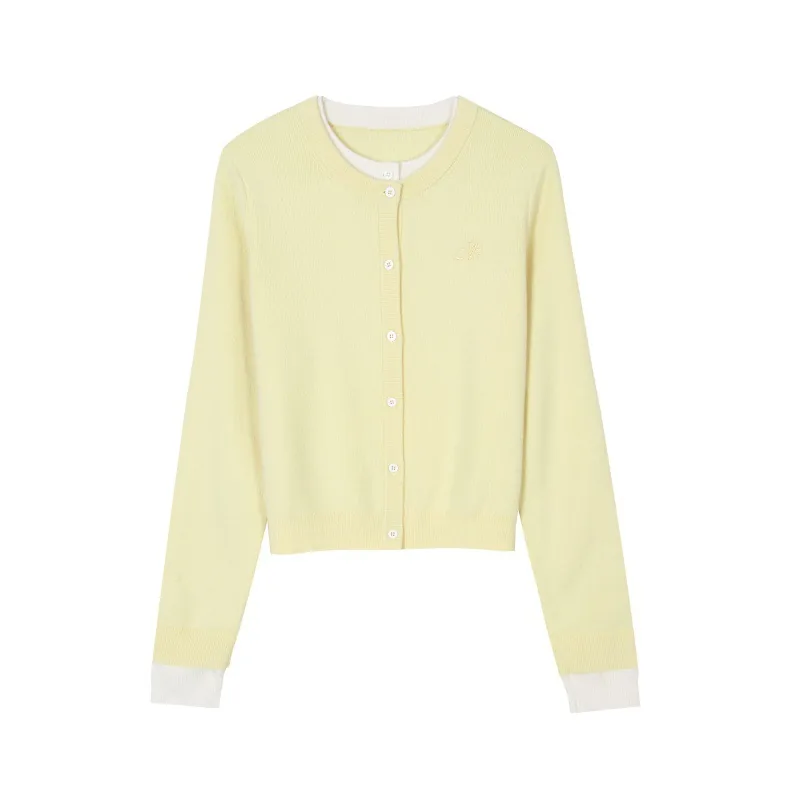
A cropped sweater hem does a lot of work for its size. It sits right at the waist, so any roll, flare or step is easy to see. Also, a hem that curls after the first wash can make the crop look shorter and wider, even when the chest and shoulder still measure correctly.
Define whether the cropped sweater hem should lie flat, draw in or roll, then compare the actual yarn, structure and finishing route against that reference. For base styles you can adapt, see our custom pullover sweaters page.
Why a cropped sweater hem curls
Some knitted structures curl at a free edge. Single jersey is the classic example, because its loops pull the edge over. A rib, by contrast, balances the loops on both faces, so it lies flatter. So most sweaters finish with a rib or a double-layer hem.
On a long sweater, the body weight below the chest helps hold the hem down. A crop has much less fabric below the bust. As a result, the hem carries less weight and shows its natural curl more easily. Short body length also means the hem takes up a bigger share of the silhouette.
Intended roll or unwanted curl
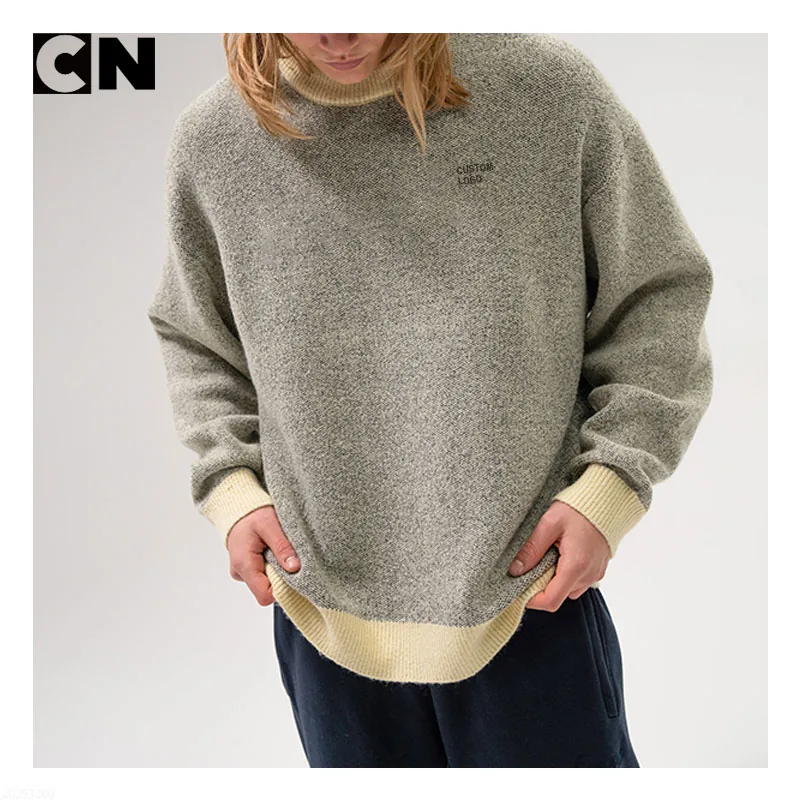
However, some designs want a rolled edge. For example, a raw jersey roll can look relaxed and modern. So the first step is to write down what the hem should do. Should it lie flat, draw in, hang straight, blouse over slightly, or roll on purpose?
Next, we note where the crop should sit on the body. High waist, natural waist and just above the waist all behave differently on a fit form. Once that target is clear, we judge the sample against it instead of against a vague idea of “neat”.
Building the cropped sweater hem
The hem and the body work as one system. Therefore we lock the yarn, gauge, body stitch and hem structure together before sampling. We record the fiber, yarn item, count or ply, lot, color, stitch setting, rib type, finished hem depth and how the hem joins the body.
If a development sample uses a stock rib or a different yarn, we treat its approval as provisional. A new yarn lot or a softer finish can change how the edge sits. For the same reason, a nominal gauge alone does not describe the hem well enough.
Cropped sweater hem structures that stay flat
- 1×1 rib: fine and neat, and it draws in slightly at the waist.
- 2×2 rib: more stretch and a sportier look, with a stronger draw-in.
- Tubular or double-layer hem: a clean, flat edge with little draw-in.
- Milano rib: firm and stable, which suits a boxy crop.
- Rolled jersey edge: only when the design asks for a roll.
Each option also changes the fit. For instance, a deep 2×2 rib on a boxy crop creates a blouson shape. Meanwhile, a tubular hem on the same body hangs straight. Ask for comparable hem samples when the proposed options would change the silhouette.
Tension and the body-to-hem join
In addition, stitch tension matters as much as structure. If the rib knits much tighter than the body, it pulls in and the body puffs above it. On the other hand, a rib that is too loose flares out and can start to flip. We adjust the rib stitch setting on the machine until the join sits smoothly.
We also check the transition rows. A few rows of a firmer stitch just above the rib can stop the body from rolling over the hem. Our 70 computerized flat knitting machines, from 3G to 14G, let us fine-tune these settings in the program rather than by hand.
Measuring a cropped sweater hem
Body length alone does not approve a hem. So we add local points to the spec sheet. These include hem width relaxed, hem width extended, hem depth at center front, center back and side seam, and any curl height at the edge.
First, we measure the sample flat on the table. Then we put it on the fit form and look at the front, back and side. A flat table shows curl and edge height clearly. However, the form shows where the hem really sits and how the body pulls on it. We keep photos of both views.
Keep curl, flare and length apart
At first glance, three faults can look alike. Curl means the edge rolls over. Flare means the hem opens wider than the body. A length change means the whole crop got shorter or longer. Because each one has a different cause, we record them separately.
For example, curl often comes from structure or tension. Flare usually comes from a loose rib or too many stitches. A length change, meanwhile, often comes from shrinkage in washing. Treating them as one “hem problem” leads to the wrong fix.
Washing, pressing and resting a cropped sweater hem
Steam or arranging can temporarily change the appearance of a hem. Therefore we never approve a cropped hem straight off the pressing table. Instead, we wash the sample through the care route on the label, dry it flat and let it rest before measuring again.
After that, we record the wash method, drying, pressing and rest time with each result. Many brands base their wash checks on methods from AATCC or ISO. If the hem curls after washing, compare the knitting, yarn, attachment and finish records before choosing a correction.
Our shrinkage guide explains the wider washing method. You can read it here: how a knitted sweater manufacturer controls shrinkage.
Grading a cropped sweater hem across sizes
In particular, crop length and hem depth need to grade together. If the body length grows in large steps but the hem depth stays fixed, the crop can look different on each size. Similarly, a very deep hem on the smallest size can take over the whole silhouette.
Select a size set that represents the range and any changes in hem or body construction before bulk. We check that the crop sits at the same body point on each one. We also make sure the rib draws in by a similar amount. See our guide to grading custom knit sweaters for the wider method.
Cropped sweater hem checks during bulk production
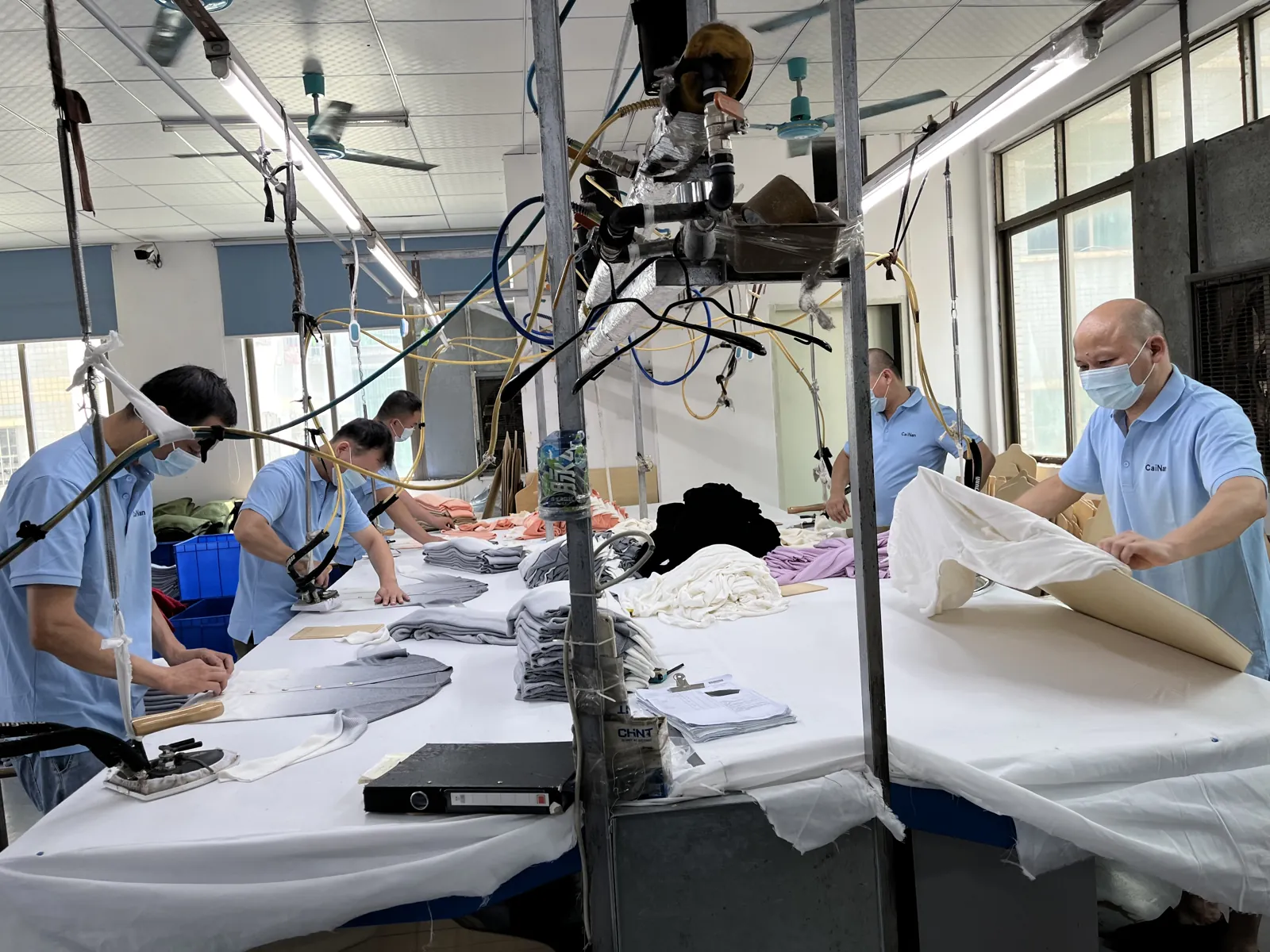
During bulk, our in-house linking, washing, pressing and QC teams work from the same approved sample. QC inspectors check hem width, hem depth and curl after washing, not only after pressing. We also group garments by yarn lot and color, because a dark shade can finish slightly differently from a pale one.
If one color curls more than the others, we hold that group and check its yarn and wash records. Keep unaffected groups separate and follow their recorded release status. Our OEM/ODM process page shows where these checks sit from sample to shipment.
Order planning
To quote a cropped sweater, send the approved body length and hem opening after the intended care route, not only a flat-lay photograph. Compare the proposed rib depth and yarn on the same size: a narrow rib may look tidy off body and roll when worn. Request the sample rounds needed to settle the hem before accepting an order date; the wider yarn and colour library does not prove a particular yarn is available for this style.
Conclusion
Retain the cropped sweater hem’s intended endpoint, edge profile and care-state measurements with the size chart. An intentional roll and an unwanted curl need different references; mark that decision before inspection.
Send us your cropped sweater sketch and we will suggest hem options for your first sample.
FAQs
Is every rolled hem a defect?
No. A rolled edge can be part of the design. It only counts as a fault when the tech pack asks for a flat hem.
Which rib stops a crop from curling?
Compare those structures in the actual yarn and stitch settings. Select the one that reproduces the intended edge and fit after the agreed care route.
Does pressing fix a curling cropped sweater hem?
Only for a short time. Once the sweater is washed, the curl often returns. So we correct the knitting instead.
Should hem depth stay the same in every size?
Not always. Small steps in hem depth often keep the crop balanced. We confirm this on the smallest and largest samples.