 CN Sweaters
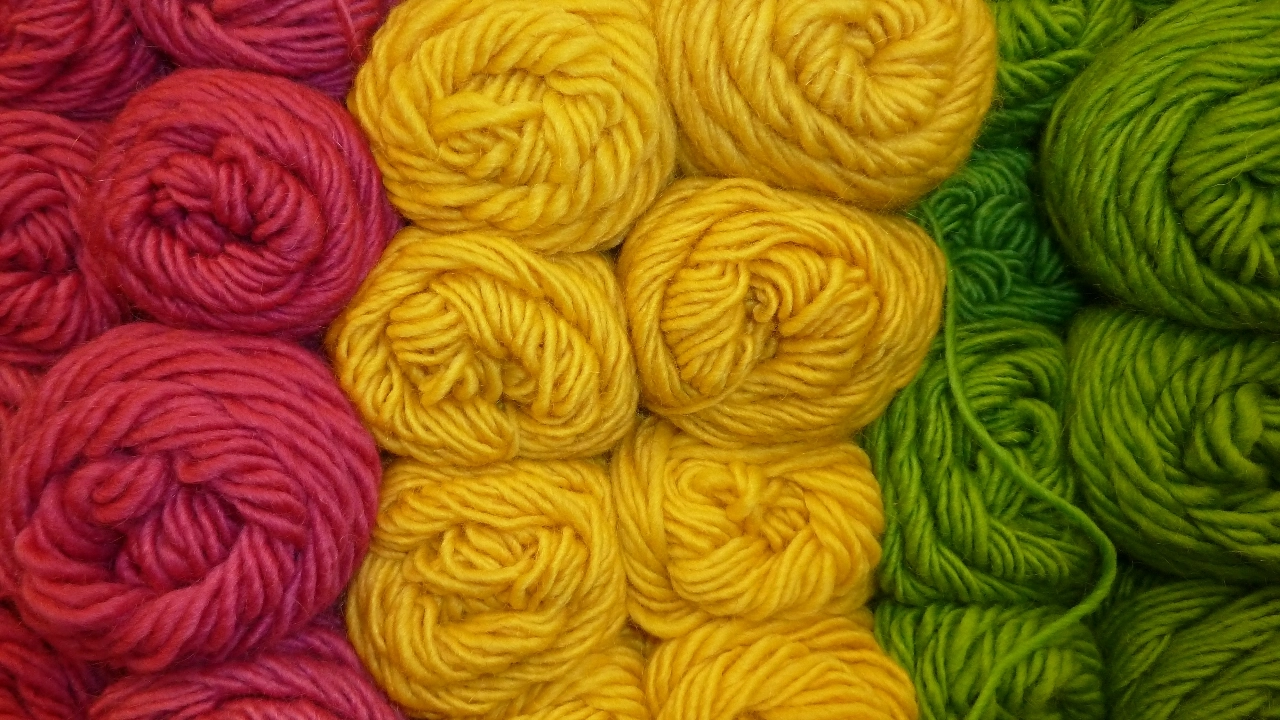
Dye lot risk in custom knitwear is a commercial control issue, not a minor visual imperfection. A color that looks slightly different between the approved sample, production units, or replenishment batches can disrupt retail displays, split a single SKU into separate sellable groups, trigger buyer claims, and weaken confidence in a private-label knitwear program.
For a custom sweater or multi-color knitwear style, color variation can begin before knitting starts and remain visible after finishing. Yarn composition, yarn dyeing method, fiber uptake, stitch structure, gauge, fabric density, washing, pressing, and viewing light can all change the perceived shade. The practical goal is not to promise that every production run will look identical under every light. It is to define a color standard, approve the right lab dips, control one bulk shade range, and document what can be accepted before bulk production begins.
Why Does Dye Lot Risk Become a Commercial Risk?
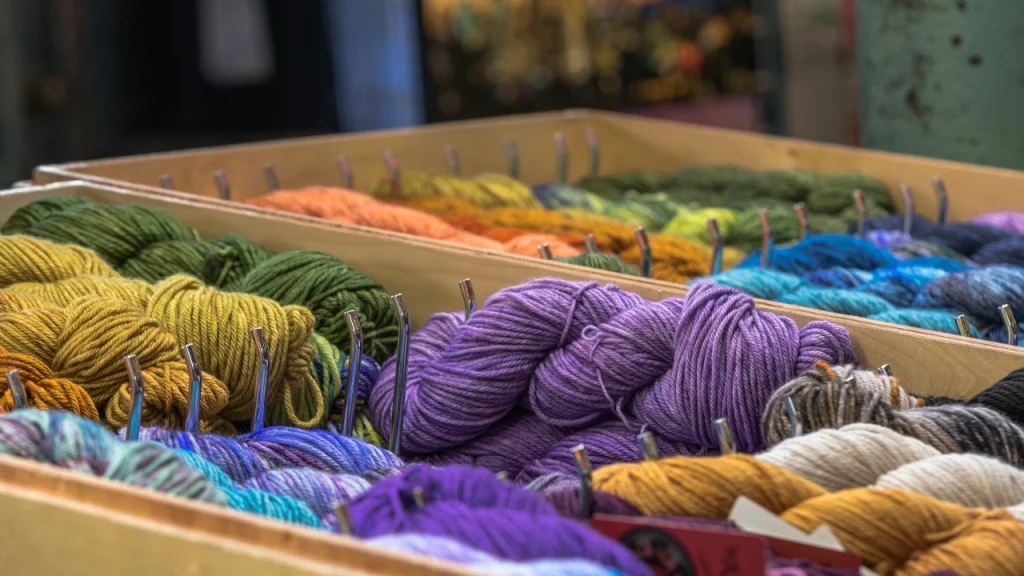
Dye lot variation becomes expensive when the brand treats color as a swatch-selection task instead of a production specification. A shade that is acceptable in isolation may fail when two garments hang side by side, when sleeves are compared with bodies, or when a replenishment unit is placed beside earlier stock.
A yarn shade is not the same as a finished-garment shade
A lab dip is a dyed yarn or material submission intended to match an approved target. It is necessary, but it does not fully predict the appearance of a finished knit. The same yarn can appear lighter, darker, cleaner, or more saturated after it is knitted at a different gauge or stitch density. Rib, cable, jacquard, links-links, and intarsia alter how light reaches the yarn surface; steaming and washing may change the final visual depth again.
This is especially important for a custom sweater using a textured construction. A smooth fine-gauge body may show a shade difference that a chunky cable surface partly masks. Conversely, a pale solid color on a flat jersey construction exposes small variation more clearly. The knit-down and lab-dip workflow used in knit development recognizes that yarn colors and construction must be reviewed together before bulk material is approved.
Color variation has different consequences by selling model
For a fashion capsule with a short selling window, a controlled shade band may be commercially acceptable if units are packed by lot and never mixed within one customer order. For a core private label knitwear program, the same variation can create a return risk because customers expect a repeat color to match earlier purchases.
The highest-risk cases are usually:
- Light neutrals, optic whites, pale pinks, soft blues, and greys, where small shifts in undertone are visible.
- Matching sets, where a cardigan, vest, and pullover must read as one coordinated color.
- Multi-color knitwear, where one changed yarn lot can make a stripe, jacquard field, or intarsia motif look unbalanced.
- Replenishment orders that are placed after the original yarn has been consumed or discontinued.
- Retail programs that mix sizes, styles, or production batches on the same fixture.
A buyer should not accept “same color name” as color control. The purchase order needs a physical or digitally controlled color standard, an acceptance method, and a clear decision about whether units from different shade bands may be mixed.
What Should the Color Standard and Lab Dip Approval Lock?
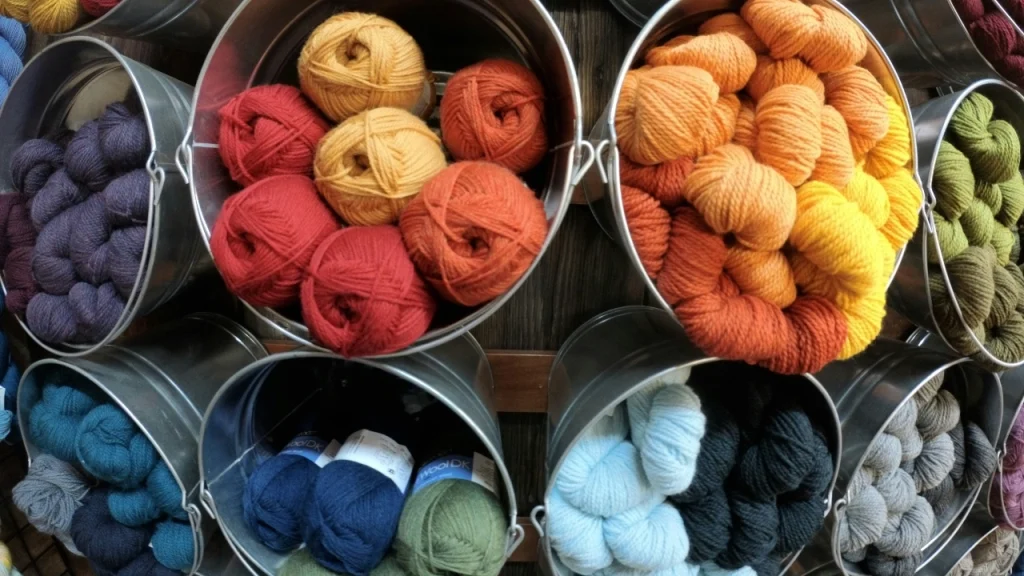
The color standard should lock the decision criteria before the yarn is dyed, not create an argument after bulk production starts. If the brief says only “match Pantone” or “match the previous sample,” the factory and buyer may be comparing different materials, lights, and tolerance assumptions.
Build the approval package around the finished knit
For a custom knitwear program, submit the target color with the relevant yarn composition, colorway name or code, gauge, stitch structure, and intended finishing route. A paper color reference may establish design intent, but the approval sample should be a knitted swatch or knit-down in the actual yarn and construction wherever possible.
For a jacquard, stripe, or intarsia design, the CAD should identify each yarn color, placement, and repeat. Technical knit development commonly records yarn size, gauge, and color positions in the artwork because those details affect how the mill translates design into production. This is why custom knitwear development services should treat color approval as part of the product specification rather than a decorative add-on.
The approval record should state:
- The master standard: approved lab dip, approved knit-down, sealed PP sample, or retained garment.
- The exact yarn composition and yarn specification used for the submission.
- The visual conditions for approval, including the agreed light source and viewing method.
- Whether the buyer approves one standard or a shade band with named upper and lower limits.
- Whether instrument readings are informational or contractual.
- Whether the submitted sample has received the same wash, softening, brushing, or pressing route planned for bulk.
Use numbers only when the measurement method is also agreed
A Delta E target can support color control, but it is not meaningful by itself. The buyer and knitwear manufacturer need to agree on the color-difference formula, illuminant, instrument geometry, specimen preparation, and whether visual review overrides an instrument reading. ASTM notes that color tolerances must be compared in the same color system and should be correlated with visual appraisal because texture, gloss, proximity, and material can affect commercial acceptability. ASTM’s color-tolerance practice also makes clear that purchaser and supplier should agree on the permissible tolerance and calculation procedure.
Do not use one tight numerical limit for every custom sweater. It may be unsuitable for heathered yarns, fuzzy brushed surfaces, mélange constructions, or a deeply textured cable that cannot give a stable flat instrumental reading. In those cases, use a retained knit standard, agreed viewing conditions, and a written shade-band decision instead of pretending that an unsuitable number will solve the dispute.
Why Do Color Splits and Multi-Color Knitwear Amplify the Risk?
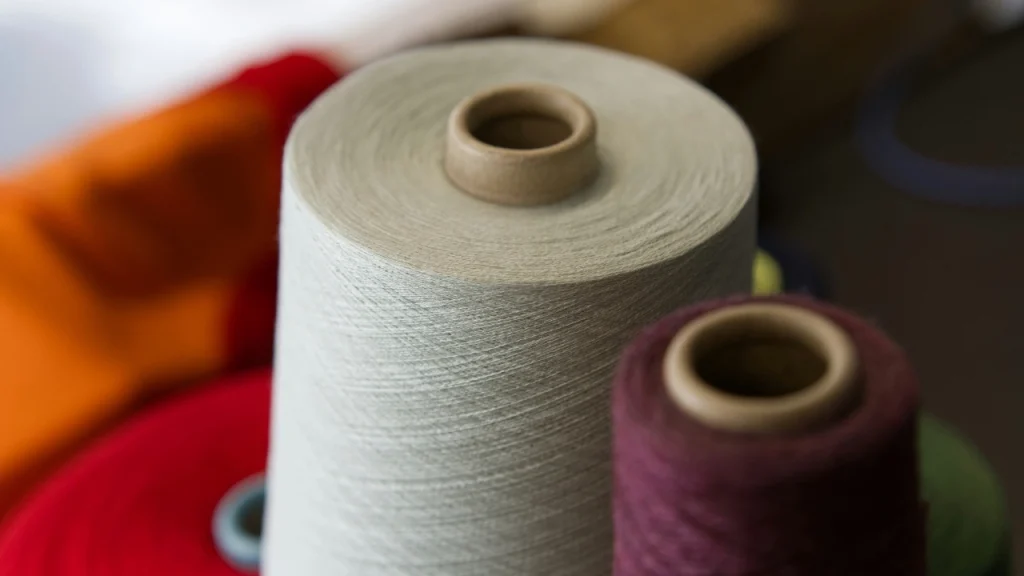
Splitting a modest order across many colors is often the fastest way to increase dye lot exposure. Each additional custom shade may require a separate yarn-dyeing decision, production allocation, approval cycle, and residual-yarn plan. A wide color assortment can be right for a seasonal launch, but it is not automatically right for a low-volume replenishment strategy.
Separate the commercial color plan from the creative color plan
A buyer may present twelve seasonal shades, while only three are forecast as volume colors. Those groups should not receive the same color-control approach. Lock deeper yarn continuity and stronger retained standards for the hero colors that are likely to reorder. Treat experimental shades as seasonal colors with a stated replenishment limitation.
This distinction matters when quantities approach minimums by color. The published MOQ and lead-time guidance asks buyers to define quantity by color and size ratio, because this information affects both manufacturing planning and material feasibility. A small quantity in every color may be possible, but it can leave too little yarn to protect a later reorder. If the buyer expects replenishment, the order should specify whether extra yarn is to be reserved, whether an approved lot must be retained, and how long the retention should last.
Multi-color styles need component-level confirmation
A three-color stripe sweater has three separate shade risks; a six-color intarsia or jacquard has more. The buyer should approve the whole color relationship, not six individual yarn cones viewed separately. A color that is acceptable alone can become too warm, too cool, or too dark beside an adjacent shade.
| Project condition | Color-control decision | Risk if omitted |
|---|---|---|
| Solid custom sweater in one core color | Approve a finished knit standard and one bulk shade band | Sizes or cartons may show visible lot separation |
| Cardigan and pullover as a set | Use the same approved yarn lot where possible and compare garments side by side | The set may look mismatched at retail |
| Multi-color knitwear | Approve a complete knit-down with all colors and record each yarn code | Individual approvals may not protect the final contrast |
| Seasonal test color | Define it as non-replenishable unless yarn is reserved | A later top-up may not match the launch batch |
| Long-running private-label color | Keep a sealed standard, lot record, and replenishment plan | The next bulk run may become a separate shade group |
The table should guide the PO discussion, not replace it. For example, a color-blocked cardigan needs both component-level lot identification and a finished-garment comparison at the placket and sleeve joins, where adjacent shades are most visible. The construction requirements of knitted cardigans also make alignment and component consistency particularly important.
How Should a Sweater Factory Control Color Through Bulk Production?
Bulk color control should begin with material release and end with shade-aware packing. Final inspection alone is too late: once multiple lots have been knitted, washed, pressed, and mixed, correcting the shade issue may require sorting, rework, or a delayed shipment.
Control the lot before it enters knitting
The factory should record yarn supplier, yarn code, fiber composition, dye lot, received quantity, approved lab dip, and assigned production order before yarn enters the knitting floor. If a substitute yarn lot is needed, it should be compared to the approved standard and released through the buyer’s agreed escalation process rather than quietly introduced to keep machines running.
Production scheduling matters as much as testing. A single color should be planned through knitting, linking, washing, ironing, and packing with traceable lot separation. This does not mean every garment must be made in one uninterrupted machine run. It means the factory must know which units came from which yarn lot and must prevent uncontrolled mixing at sewing, finishing, or packing.
CN Sweaters describes its OEM/ODM process as using PP approval to lock color, yarn, stitch structure, trims, and packing requirements before bulk. For a color-sensitive program, the buyer should ask for the PP sample, color records, and bulk shade confirmation as linked approval points rather than separate emails.
Inspect color at the points where it can still be corrected
The effective checkpoint sequence is incoming yarn review, first-off garment comparison, inline shade review, post-finishing comparison, and final packing verification. The risk usually appears after a production handoff: a different yarn lot may be sent to another machine, a wash route may deepen one batch, or finished garments from two shade groups may be folded into one carton.
Use a light box or other agreed controlled viewing environment for side-by-side checks. Visual assessment is not informal when it follows a defined method; AATCC’s textile color-difference procedure is specifically intended to standardize visual comparison of textile specimens against a standard. Check under the agreed light source and, for retail-facing shades, add a second light condition to identify obvious metameric surprises.
A final knitwear quality-control review should include shade continuity across sizes, components, and carton counts. External inspection practice similarly treats shading within a garment, pattern continuity, and shade identification on packaging as specific inspection concerns, not generic appearance comments. Textile and apparel inspection guidance also identifies pre-production, inline, and before-delivery checks as distinct control stages.
What Is the Right Plan for Reorders and Final Inspection?
A reorder cannot be treated as a continuation of the first bulk order unless the same approved material can still be supplied. The correct early question is not “Can you repeat this color?” but “What will be retained, how will the next lot be compared, and what happens if the original yarn is unavailable?”
Make replenishment status explicit at the first PO
For each color, label the program as one of three conditions: one-time seasonal production, repeatable color with retained standard, or core color with reserved yarn. A replenishment plan should include expected reorder window, target quantity, whether spare yarn is held, and the buyer’s acceptance rule if a new dye lot must be used.
A core shade should not be split across unrelated bulk runs merely to balance capacity unless the buyer accepts the resulting shade-band management. If the launch quantity is small and future demand is uncertain, reserving yarn can add carrying cost and may not be suitable. In that case, the brand should plan separate online inventory records or retail allocation for a future lot rather than promise an exact visual match that cannot be supported.
Final inspection must prevent lot mixing at shipment
Before packing, compare the finished garments against the sealed standard and sort any identified shade groups. Cartons, polybags, and packing lists should show style, color, size, and shade or lot identification when multiple acceptable groups are shipped. This protects the buyer’s warehouse from unknowingly combining units that should be allocated separately.
For customer-facing sweater collections and broader knitwear product programs, the final decision should consider the selling environment. A small variation may be acceptable for online-only replenishment that is isolated by lot; it may be unacceptable for coordinated wholesale floorsets, matching family styles, or premium pale-color stories. The common mistake is to discover this only after cartons arrive.
Conclusion
Managing dye lot risk means turning color from an aesthetic request into a controlled bulk-production decision. Start with the finished-knit color standard, approve lab dips with the actual yarn and construction, define the shade band and viewing method, and identify which colors need continuity for replenishment. Then keep yarn lots traceable through knitting, finishing, inspection, and packing.
Send your custom knitwear design, target colors, lab dip request, yarn composition, color standard, shade band requirement, MOQ target, replenishment plan, quality requirement, and delivery timeline to CN Sweaters to review dye lot risk before production. Include the selling channel, product category, tech pack or style reference, gauge, size specification, target price, sample requirement, first-order quantity, and packaging-label requirement so color controls can be matched to the actual commercial risk.
FAQ
Can a lab dip guarantee that bulk production will match the sample?
No. A lab dip confirms the proposed dyed yarn against the agreed target, but bulk appearance can still change with knitting density, stitch structure, finishing, and a different yarn lot. For a color-sensitive custom sweater, approve a finished knit-down and PP sample in addition to the lab dip.
Should every private-label knitwear color have the same tolerance?
No. Pale solids, matching sets, and repeat core colors typically need tighter control than dark textured styles or one-time seasonal shades. The tolerance should reflect yarn surface, gauge, color placement, selling channel, and whether the buyer expects future replenishment.
What should be included in a shade band?
The shade band should identify the approved master standard, acceptable lighter and darker limits where applicable, yarn and dye-lot details, viewing condition, and the person or team authorized to release bulk. It should also state whether separate acceptable shade groups may be packed or sold together.
When should a buyer reserve yarn for a reorder?
Reserve yarn when the color is a proven core SKU, is used across coordinated styles, or must match future stock at retail. It is not suitable for every low-volume test shade because reserved material adds cost and may become unusable if the forecast changes.
Can color variation be found only during final quality inspection?
It can be found then, but that is the most expensive stage to discover it. Color checks should begin with incoming yarn, continue with first-off and inline garments, and be repeated after finishing. Final inspection should confirm the shipment is sorted and labeled by approved shade group.