 CN Sweaters
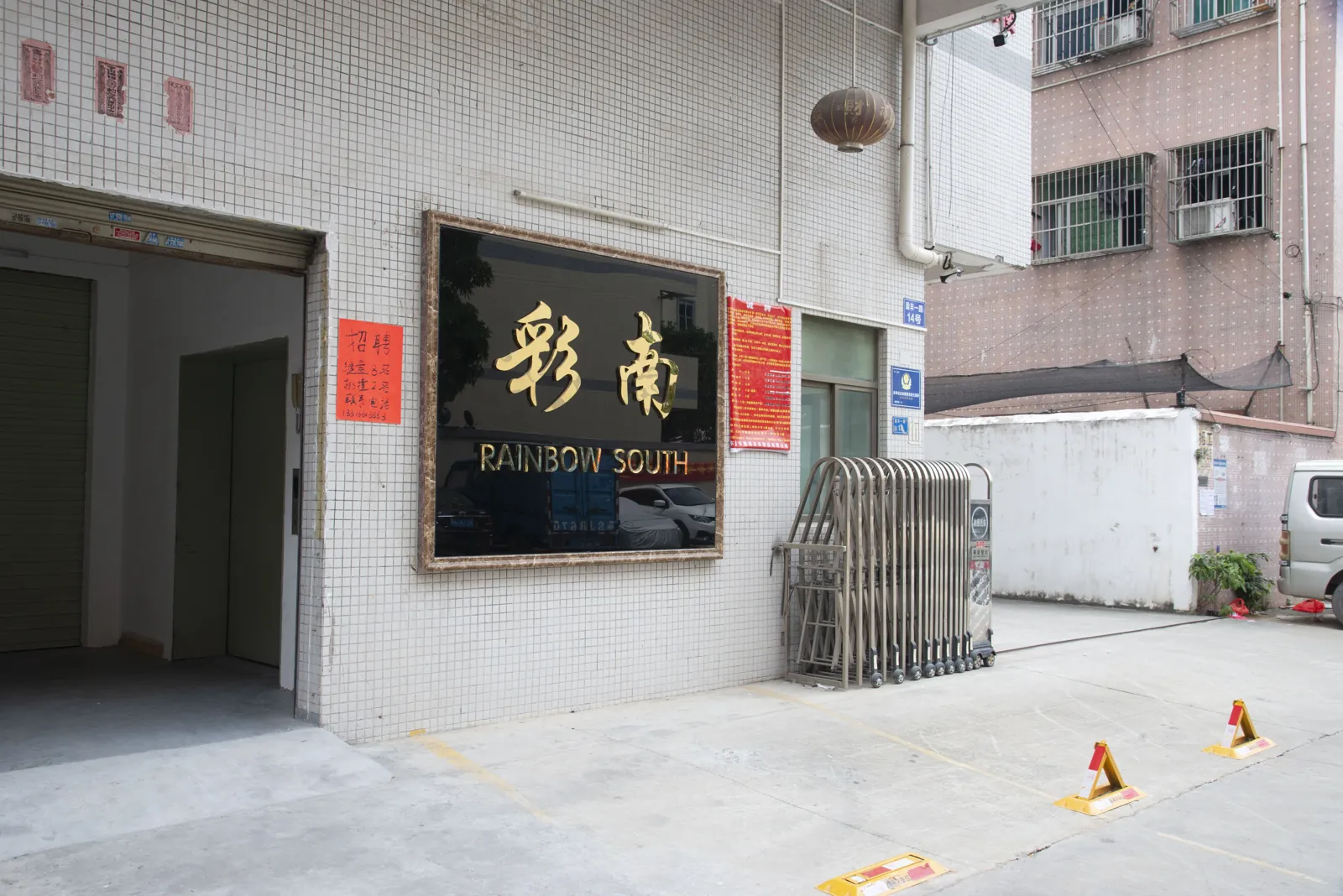
A buyer should check a sweater supplier vs sweater manufacturer model by verifying the production responsibility each company can prove, not the label used in a sales presentation. The company sending a quotation may own a knitwear factory, coordinate several specialist sites, act as an export company for a related factory, or buy finished goods from an unrelated producer. Each model can work, but the buyer needs to know which company signs the order, receives payment, controls each process and answers for a failure.
That distinction matters before a sample fee or deposit is paid. A clean sample does not identify the bulk production site. A factory video does not prove that the company in the video is the seller named on the purchase order. A business license confirms registration, but it does not show where knitting, linking, washing, embroidery or packing will occur. Buyers need a chain of evidence that connects the legal counterparty to the physical production route.
The practical test is simple: can the seller connect its quotation, registration, bank details, declared sites, approved sample and quality records without unexplained gaps? If it can, the buyer can evaluate capability and commercial terms. If it cannot, the next payment increases exposure before responsibility has been assigned.
Why Does Sweater Supplier vs Sweater Manufacturer Labeling Fall Short?
The words supplier, manufacturer and factory describe how a company presents itself. They do not establish ownership, control or liability for a specific sweater order. Procurement teams should classify the operating model only after they see who performs the work and who has authority to correct it.
A transparent supplier can still be workable
A supplier may use an affiliated factory, an export entity or a network of specialist processors. That structure is not automatically a rejection. It can suit a buyer that needs one commercial contact across knitting, embroidery, washing and packing. The condition is disclosure. The seller should name the production sites, explain which process each site performs and confirm who carries the buyer's specifications through every handoff.
A manufacturer may also rely on outside dyeing, embroidery, printing, washing or testing. Factory ownership therefore does not remove external-process risk. It changes the questions. The buyer needs to know which operations are in-house, which are purchased and how outside work is approved and inspected.
Responsibility matters more than the label
Start with the seller's promised deliverables. Who approves yarn substitution? Who stops production after a failed measurement check? Who pays for rework caused by an undeclared process change? Who can authorize a replacement lot? These decisions show whether the counterparty controls the order or merely forwards messages.
Commercial comparison comes later. Once the responsibility chain is clear, buyers can use a knitwear supplier comparison beyond price to judge yarn, gauge, sample quality, MOQ, lead time and reorder fit. Mixing these stages allows an attractive quote to distract from an unidentified production route.
Which Legal Entity Should the Buyer Approve when reviewing a sweater supplier?
Approve the entity that will sign the sales contract or purchase order, issue the commercial documents and accept the buyer's remedies. Its registered name should be visible across the transaction, even if the supplier uses an English brand name in marketing.
Match registration to the commercial documents
For a company registered in China, the buyer can request the Chinese legal name and Unified Social Credit Code from the business license. The European IP Helpdesk's company-search guidance explains that the official National Enterprise Credit Information Publicity System can show registration status, legal representative, business scope and registered location.
Compare that record with the quotation, pro forma invoice, purchase order and contract. A difference may have a legitimate explanation, such as an affiliated export company, but the relationship should be documented. Ask which entity is the seller of record, which entity owns or operates the production site and which entity has authority to sign.
The U.S. International Trade Administration's company and partner risk guidance also recommends due diligence before concluding an international deal because a poor counterparty choice can create financial, legal and reputation exposure. Registration is the first identity check, not proof of production capability.
Resolve the payment beneficiary before transfer
The beneficiary name and receiving jurisdiction should match the approved payment route. If payment goes to a different company, request a written explanation that identifies the relationship, invoice issuer and party responsible for performance. Personal accounts or unexplained last-minute beneficiary changes should pause payment.
This review fits before the wider knitwear manufacturer onboarding checklist. Onboarding can assess documents, machinery, sampling and shipping only after the buyer knows which entity is being onboarded.
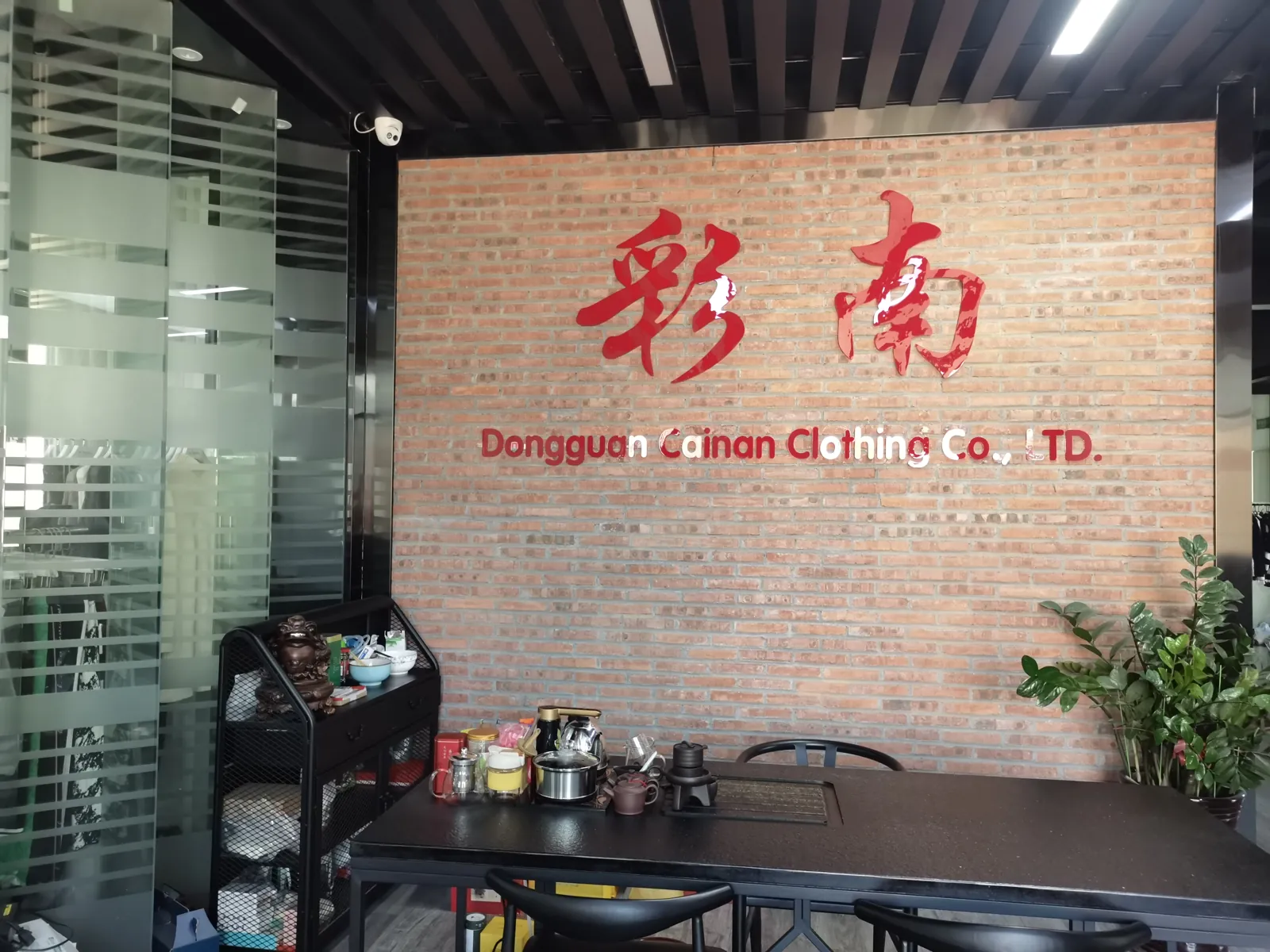
Record who can bind the seller
The salesperson may run communication without authority to approve commercial changes. Identify by name or job function who can accept the purchase order, sample scope, price revisions, delivery terms, quality claims and corrective action. Agree the notice channel for specification and bank changes, and confirm any new bank instruction through a contact that was verified earlier, never through email or chat alone.
How Do Buyers Prove a Sweater Supplier’s Production Route?
Buyers prove the route by mapping each material and process to a named site. A factory address alone is incomplete because a sweater can move through yarn sourcing, knitting, linking, mending, washing, finishing, embellishment, inspection and packing before shipment.
Build a site and process map
Ask the seller to list the planned location for each order-critical step. The map should distinguish the main factory, affiliated facilities and independent subcontractors. It should also name the seller employee who releases work to each site and receives it back.
Then test the map. During a live video call or visit, select one current style and follow its records from yarn receipt through knitting and finishing. Look for style numbers, lot references, sample photos, work orders and inspection records that use the same identity. A factory audit question set for knitwear manufacturers can support the physical-capability review without replacing the transaction check.
Put subcontracting behind an approval gate
The seller should disclose external processes before the buyer approves the production plan. The OECD garment and footwear due diligence guidance treats due diligence as work across the garment and footwear supply chain, which is why a buyer should not stop at the first-tier commercial contact.
The purchase order can require written approval before an order moves to an undeclared site. The approval request should state the process, site, reason for the change, quality controls and effect on timing. This does not ban specialists. It gives the buyer a chance to decide whether a new handoff changes product, compliance or delivery risk.
Match the evidence to the construction being quoted
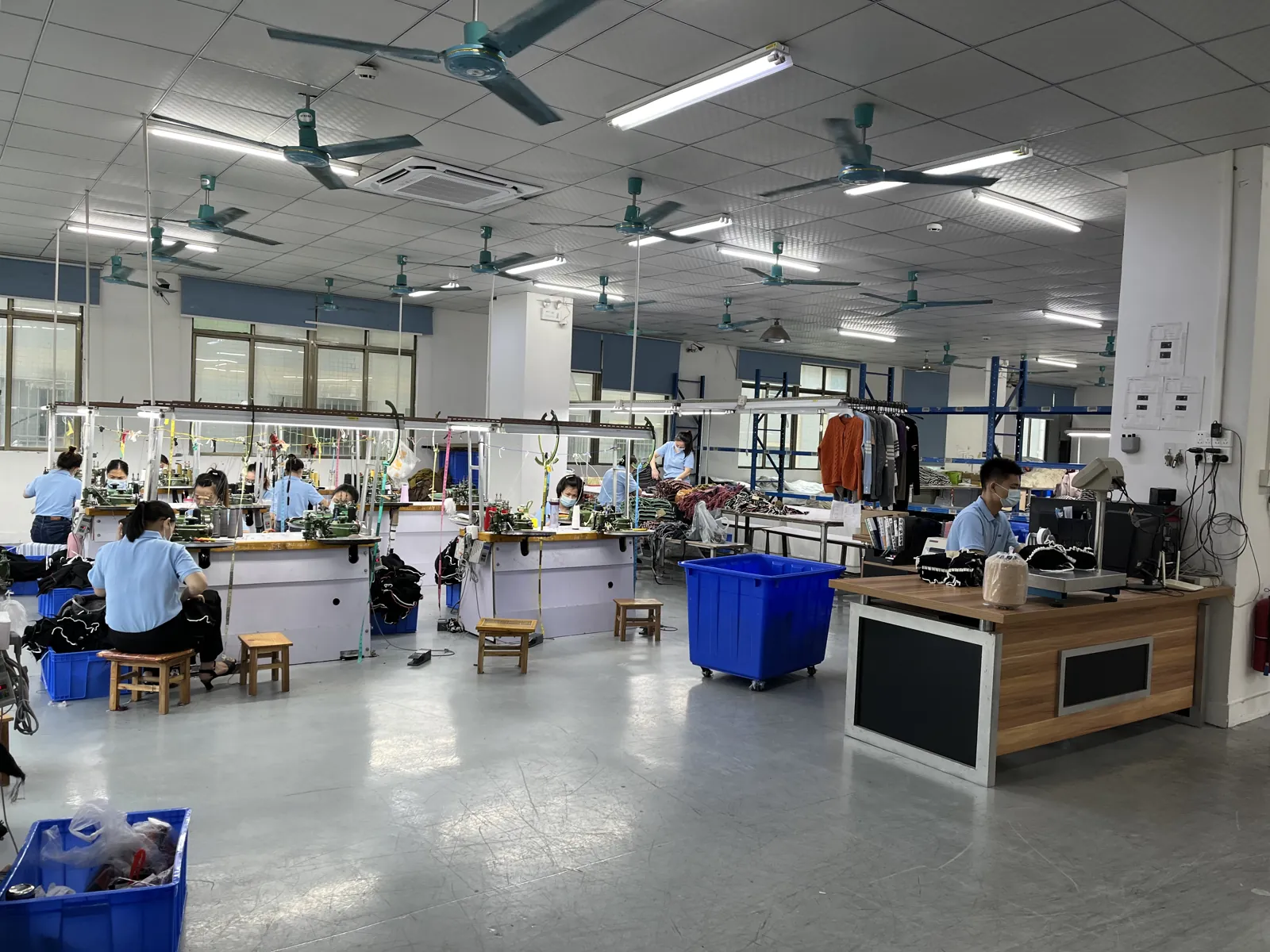
List the functions the order actually needs before judging the seller. A repeat style with a locked yarn needs disciplined execution; a new fully fashioned cardigan needs yarn sourcing, knit programming, fit correction and wash trials. Ask the seller to mark each function as in-house, group company, approved external provider or buyer-nominated provider.
Then ask construction-specific questions. For fine-gauge fully fashioned merino, how do machine gauge, yarn count, programming and linking support it? For jacquard, where are programming, float control and first-panel approval done? Generic machine footage answers neither. Our manufacturing capability overview shows the level of gauge and process detail a knitwear factory should be able to give.
Ask for redacted completed records, such as a yarn lot record, knit-down approval, first-panel measurement, wash trial, first-off approval and inline defect log, showing dates, style identifiers and decision owners. A blank form proves only that a template exists. Another quick test is to send the tech pack and ask the seller to return its interpretation with missing inputs listed; a company that confirms an incomplete pack without questions is carrying hidden assumptions into sampling.
Define each external process by input, output and owner
For every outside process that can change the product, including yarn or garment dyeing, special washing, printing, embroidery, handwork, testing, repair and packing, record the approved input, expected output, acceptance check and release owner, and whether the provider is fixed, chosen per order or buyer-nominated. A wash house that affects measurements and hand feel needs controlled trial and bulk settings; outside embroidery needs an approved strike-off, backing, placement and damage check. If a provider’s name is confidential, ask for its location, process, approval basis and inspection evidence instead.
What Connects an Approved Sample to Bulk Production when reviewing a sweater supplier?
The connection is a controlled sample record, not a photograph or an informal message saying "approved." The record should identify the version, materials, measurements, color standard, trims, workmanship, packaging and the site authorized to reproduce it.
Give every approval a usable identity
Use a style number, sample type, revision number and approval date on the physical sample and digital comment sheet. Record any approved deviations. If a new yarn lot, production site or outside process is introduced after approval, the supplier should state whether a new confirmation sample or targeted test is required.
The same identity should appear on the purchase order, work order and inspection documents. Otherwise, the buyer may approve one version while the factory follows another. A sample made by a development room can still predict bulk performance, but only when bulk receives the same specifications and change history.
Define who can release bulk when reviewing a sweater supplier
Bulk production should begin after named parties close the open points. The buyer owns approval of commercial and product requirements. The seller owns translation of those requirements into production instructions. The production site owns execution and process records. If another company coordinates these parties, its authority and responsibility should be written.
Use an OEM knitwear pre-production checklist to close the technical inputs, then confirm the sweater factory's bulk readiness at the declared site. The release decision should answer one question: is the approved standard attached to the exact route that will make the order?
Ask what changes between sample and bulk
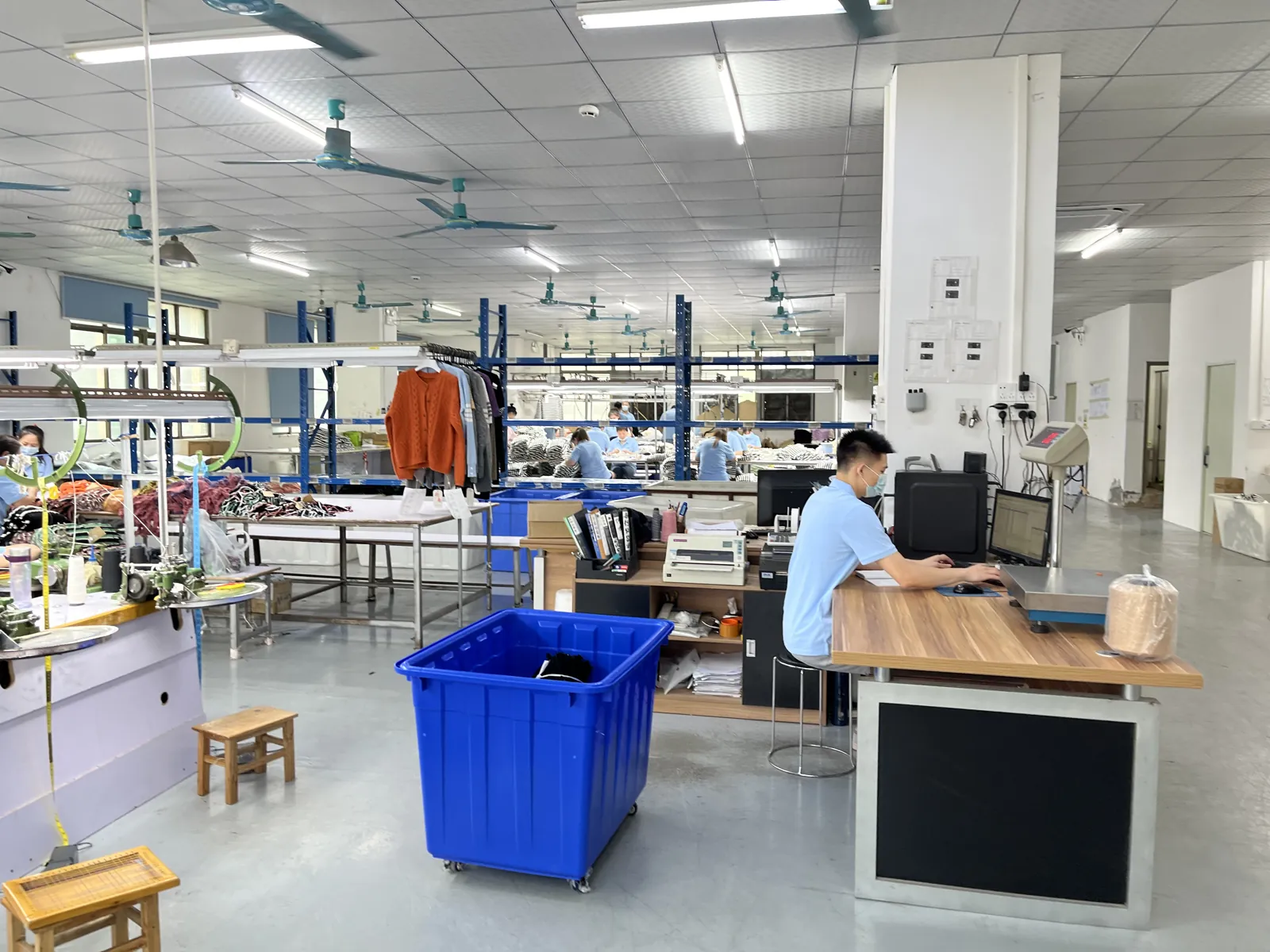
A good sample may come from a technician or sample room that will never touch bulk. Ask the seller to list the differences before approval: sample yarn taken from stock while bulk yarn is dyed to order, hand-linking in the sample room while bulk runs on a production linking line, or a different wash batch size. Each difference should have a confirmation gate such as bulk yarn approval, first panel, size set or first-off garment. A smaller first order reduces exposure only when it follows the intended bulk route, with the same records, labelling, packing and release process.
Who Owns Quality Decisions in a Sweater Supplier Model?
Quality responsibility belongs to the party that has both authority and a written obligation to act. An inspector can report a defect, but the report does not decide whether production stops, goods are reworked or a shipment is released.
Assign decision rights before defects appear
Name the decision owner for material substitutions, measurement deviations, shade variation, workmanship defects, packing changes and late delivery. State which issues require buyer approval and which the seller may correct within the agreed specification. Also define who communicates with a subcontractor and how quickly the buyer receives evidence of the correction.
The seller named on the purchase order should remain accountable to the buyer even when another site caused the problem. The seller may recover costs from that site under a separate agreement, but that internal dispute should not leave the buyer without a claim owner.
Keep records that follow the product
For U.S. programs, the FTC textile and wool labeling guidance requires specified label information and describes records that establish a traceable line from raw materials to finished product. The destination market may impose different requirements, so buyers should confirm local rules. The operational lesson is broader: labels, invoices and production records should agree on what the product is and who is responsible for it.
Shipping terms do not solve manufacturing accountability. ICC guidance on Incoterms 2020 explains delivery, transport cost and risk-transfer duties under the selected rule. The sales contract still needs product specifications, inspection rights, change control and remedies.
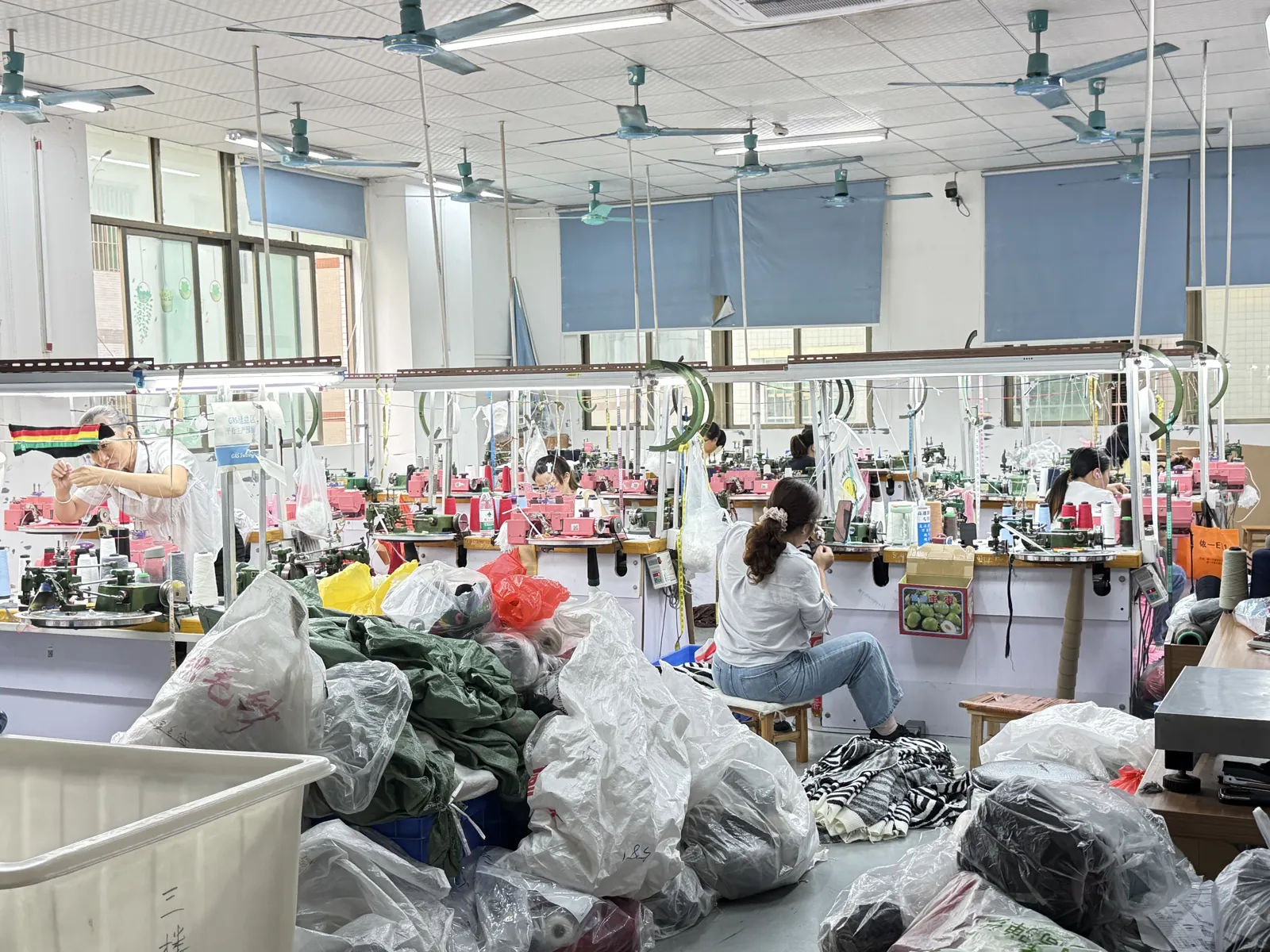
What Belongs in a Sweater Supplier Verification Pack?
The pack should be short enough to review and specific enough to expose a broken chain. Request it before the deposit, then update the production sections before bulk release.
Request evidence in the order of the transaction
Begin with identity and authority, then follow the order into production. This sequence prevents buyers from collecting unrelated certificates while missing the entity that will receive payment.
| Supplier claim | Evidence to request | Buyer decision |
|---|---|---|
| "We are the contracting seller" | Registration record, signer authority, quotation and draft contract under the same legal name | Approve the counterparty or document the affiliate relationship |
| "This is our factory" | Site address, ownership or operating relationship, current production walkthrough and process list | Confirm the claimed site and define which work occurs there |
| "We control outside processes" | Named process map, approved subcontractor list, work-order and incoming-check method | Approve, condition or reject each external handoff |
| "The sample represents bulk" | Numbered sample, revision log, material records and bulk work instruction | Release bulk only when the same standard reaches the declared site |
| "We manage quality" | Inspection plan, record templates, stop authority and corrective-action owner | Confirm who decides, acts, reports and pays |
| "We handle export and claims" | Invoice and packing-document owner, agreed Incoterm, remedy and escalation clauses | Confirm shipping duties and claim responsibility separately |
The decision column is the point of the pack. A document has value only when it changes an approval, adds a condition or triggers a stop.
Record exceptions instead of hiding them
An export affiliate, independent washing plant or third-party inspection company can be acceptable. Record its role, relationship and limits. If the supplier cannot provide a requested document, ask for alternative evidence and note the remaining risk. A precise exception is easier to manage than a broad assurance.
The final pack should have an owner on both sides and a version date. Update it when the seller, beneficiary, production site, subcontractor or bulk-release route changes.
When Should Buyers Accept Each Operating Model when reviewing a sweater supplier?
Accept the model that matches the project and provides enough control for its risk. The approval can be full, conditional or stopped. It does not need to force every seller into one category.
Direct manufacturer
A direct manufacturer can suit programs that need frequent technical decisions, tight sample-to-bulk control and repeat orders. Approval still depends on transparent external processes, named decision owners and records that connect the factory to the contract. Ownership claims should be verified rather than assumed.
Coordinating supplier or hybrid group
A coordinating supplier can suit projects that combine several specialist processes or require an export entity to manage commercial documents. The buyer needs stronger handoff control: disclosed sites, one accountable seller, stable sample identity and written approval for route changes. A hybrid group may be efficient when affiliated companies have clear roles.
Reject or pause any model when identity, payment or production explanations conflict and the seller will not resolve them. Use conditional approval when the gap is limited and can be closed before the next payment or production gate.
After this verification, the buyer can evaluate capability with guidance on choosing a knitwear manufacturer. Keeping identity verification separate from technical selection makes the final decision easier to defend.
Grade the evidence and tie it to payment gates when reviewing a sweater supplier
Classify each important answer as confirmed, conditionally confirmed, proposed or missing. A missing bank relationship or hidden production site outweighs several positive minor points. Record why rejected options were rejected, so a cheaper quote cannot return later without closing the original gap. Then state what each payment authorises:
- Before a sample or development fee: contracting entity, beneficiary, sample deliverables, product revision, proposed production route and external processes, fee treatment, timing and approval owner.
- Before a bulk deposit: add the approved sample, bulk material status, production sites, quality plan, packing specification, exact delivery term, change-control rules and corrective-action route.
If a high-impact identity or production gap is still open, do not use the payment as a way to continue the investigation.
Sweater Supplier Verification Conclusion
A sweater supplier vs sweater manufacturer decision should be based on production responsibility documented for the specific order. Match the registered counterparty to the contract and payment route, map each production process to a disclosed site, control subcontracting, identify the approved sample and assign quality and claim decisions before money or materials move.
This method does not eliminate suppliers, traders, export affiliates or specialist processors. It makes their roles visible. A clear hybrid route may be safer than an unverified company that simply calls itself a factory. The buyer's approval should state what has been verified, what remains conditional and which event will reopen the review.
To review a real program, send the legal seller name, quotation, planned payment beneficiary, product brief, sample status, target quantity and requested delivery window through the CNSweaters contact page.
Frequently Asked Questions About a Sweater Supplier
Is a trading company always riskier than a sweater manufacturer?
No. A transparent trading or export company may coordinate reliable factories and accept clear contractual responsibility. A company calling itself a manufacturer may outsource important processes. Compare disclosure, authority, process control and remedies. The risk rises when the seller cannot name the production site, explain external work or show who can correct a bulk problem.
What if the payment beneficiary differs from the supplier name?
Pause the transfer and request a written explanation. Confirm the relationship between the seller and beneficiary, which entity issues the invoice, where the payment obligation is stated and which party remains responsible for delivery and claims. Update the contract or purchase order before payment. Do not rely on a chat message alone.
Can samples and bulk be made at different sites when reviewing a sweater supplier?
They can, but the change needs control. The seller should identify both sites, transfer the approved specifications and revision history, confirm equivalent materials and processes, and explain how bulk output will be checked against the approved sample. The buyer may require a confirmation sample or targeted inspection when the route changes.
What should buyers do if a supplier will not name subcontractors?
Ask whether the supplier can disclose the site under confidentiality or provide a third-party audit that identifies it. If the supplier still refuses, define which processes remain unverified and decide whether the order can proceed with tighter inspection or should stop. Undisclosed production is a commercial decision, not a minor paperwork gap.
Does a factory audit replace contract and payment verification?
No. A factory audit can confirm the site, equipment, people and controls observed at a point in time. It does not prove that the audited factory is the contracting seller, payment beneficiary or authorized bulk site for the order. The audit should be connected to the legal and commercial documents in the verification pack.
Does an ISO 9001 certificate prove sweater quality?
No. ISO 9001 covers a quality management system. It does not prove ownership of the quoted site, capability for a particular construction, conformity of a garment or control of every subcontractor. Check the certificate’s scope and site address, then verify the project’s specifications, records and results.
What proof shows that a supplier operates its own factory when reviewing a sweater supplier?
Combine the official registry record, site address evidence, current operating records and a live, project-specific walkthrough. Property ownership is not the same as production control, and a leased site can still be a genuine operation. What matters is which entity runs the site and controls the quoted work.