 CN Sweaters
Choosing how to partner with knitwear manufacturers is one of the more consequential decisions a brand makes — and one of the more misunderstood ones. Most buyer mistakes don’t happen during production. They happen before it: in the wrong model choice, vague sampling feedback, or MOQ assumptions that don’t match how factories actually work.
This guide is written for brand owners, wholesale buyers, and procurement managers who are either starting a new knitwear line or reviewing an existing supplier relationship. It covers how factories structure production, what separates a capable partner from a risky one, and where the real friction points tend to appear — from first sample through repeat order.
We’ll address OEM versus ODM, what factory capability actually looks like in practice, how to read MOQ and lead time commitments, and what it takes to build a partnership that holds up beyond the first shipment.
How to Partner with Knitwear Manufacturers: OEM or ODM?
When you partner with knitwear manufacturers, this decision shapes everything downstream: sampling costs, timelines, exclusivity, and how much design input your team needs to provide. Getting it wrong early creates expensive corrections later.
What OEM Actually Requires from Your Side
When brands partner with knitwear manufacturers through OEM, they own the design and the factory executes it. You provide tech packs, yarn specifications, gauge requirements, size grading, and colorways. The factory’s job is to match your specs as closely as possible — not to interpret or improve them.
That sounds straightforward, but it places real demands on your team. Incomplete tech packs are the single most common reason OEM sampling takes longer than expected. If your design documentation is vague on stitch structure, measurement tolerances, or trim details, the factory fills in gaps with its own judgment — which is usually not what you wanted.
OEM works well when you have distinct design requirements that define your brand, a product development team with knitwear experience, and enough volume to justify the longer development cycle. For established brands with custom knitwear development needs, this is typically the right path.
When ODM Is the Smarter Starting Point
When brands partner with knitwear manufacturers through ODM, they select from the factory’s existing designs and customize within a defined range — typically colorways, yarn type, label, and packaging. The structural design is already resolved. Sampling is faster and cheaper because the factory is adapting something proven rather than building from scratch.
The trade-off is exclusivity. Other buyers may place orders on the same base style. You can differentiate through material choice, branding, and colorway, but the silhouette is shared. For brands entering a new category or testing demand before committing to custom development, that trade-off is often worth it.
Many brands successfully start with ODM, validate their market, then transition to OEM once they’ve established which styles perform and what their customers actually want.
Moving from ODM to OEM as Your Brand Grows when brands partner with knitwear manufacturers
For brands that partner with knitwear manufacturers, the transition isn’t just about budget. It requires your team to develop the ability to communicate design intent clearly — in writing, with measurements and material callouts, not just reference photos. Factories cannot manufacture from mood boards.
A practical middle path: start with a modified ODM base, document every change you make across seasons, and use that knowledge to build the tech pack for your first true OEM development. The learning curve is shorter when you’ve already been working with the same factory and understand how they interpret specifications.
What to Actually Look for in a Sweater Factory
Factory capability is easier to evaluate when brands partner with knitwear manufacturers and know what to look at. The goal isn’t to find the cheapest producer or the one with the most machines. It’s to find one whose production capabilities match your product requirements.
Technical Capability: Gauge Range, Machines, and Yarn Access
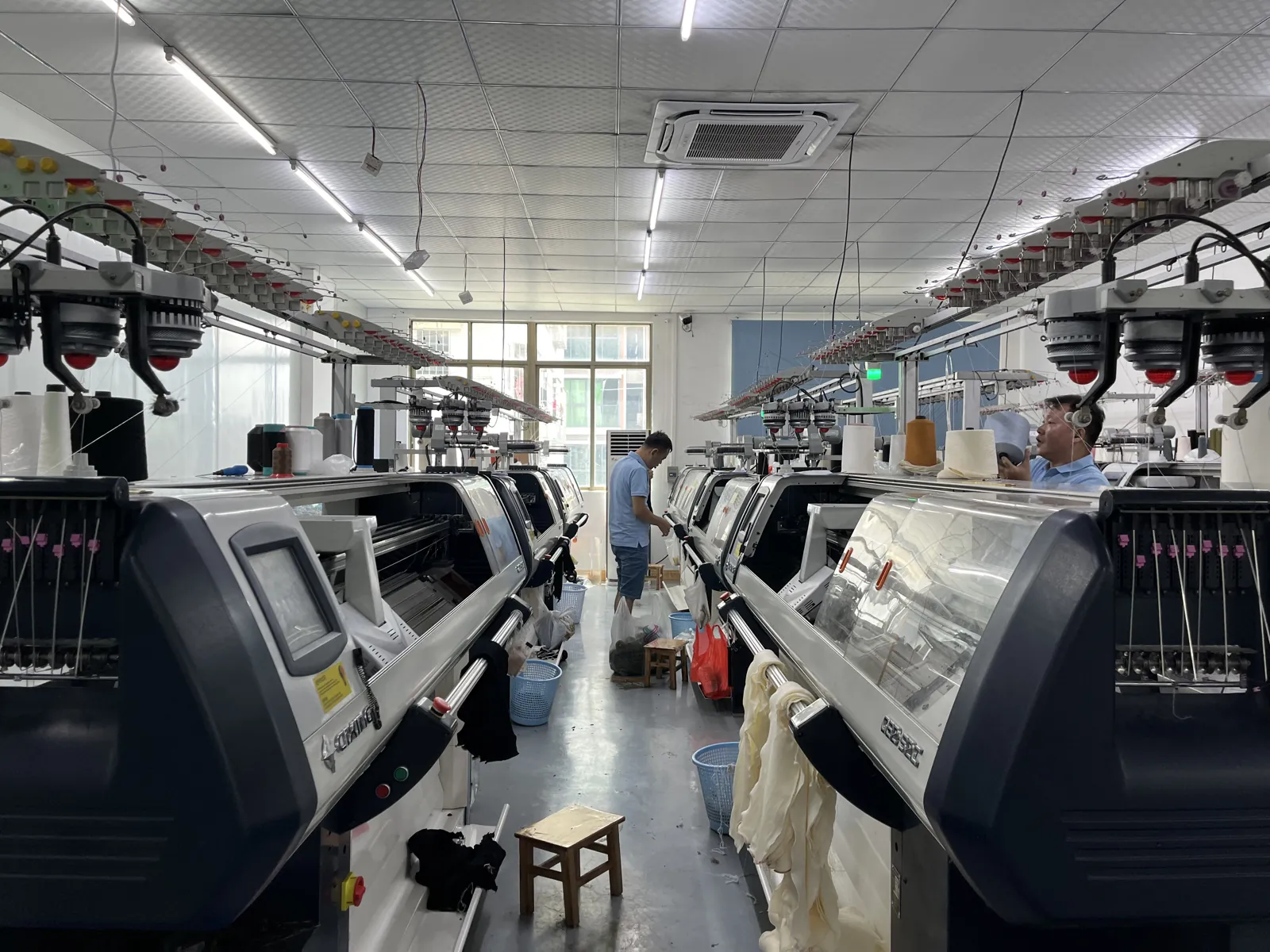
Gauge (measured in needles per inch) is the most fundamental technical variable in knitwear. A factory running 7G machines produces a different product than one running 12G or 14G. Before going further in any conversation, confirm that the factory’s gauge range covers your intended product — a fine-gauge merino cardigan requires different equipment than a chunky cable knit sweater.
Yarn sourcing matters too. Factories with established supplier relationships can source materials faster, provide more accurate cost estimates, and catch fiber substitution issues before they become your problem. A factory that sources yarn to order for every style carries more lead time risk than one that maintains working inventory of commonly used fibers.
Match Bulk Experience to Your Product Category
A factory that says it can make sweaters has not yet told you much. Ask which gauges it knits on its own floor and which work it sends to subcontractors, then ask for bulk references that match your category, gauge, yarn weight and color count. If confidentiality limits photos, the factory should still be able to explain its method and the usual problems for that style. Each category carries its own risk:
| Product type | Experience to verify | Main risk if ignored |
|---|---|---|
| Pullovers and bulk knit sweaters | Similar gauge, yarn weight, neckline and sleeve construction | Bulk hand-feel or sizing differs from the approved sample |
| Cardigans | Placket stability, button spacing, linking and front balance | Wavy fronts, twisting or uneven button alignment |
| Knit dresses | Length control, recovery, body fit and finishing method | Garment grows after steaming or wear |
| Vests and sleeveless knitwear | Armhole shaping, rib tension, shoulder balance | Armholes curl, stretch or sit unevenly |
| Private label knitwear | Labels, hangtags, polybags, cartons and barcodes | Goods pass QC but fail the retailer’s packing requirements |
Ask for Facility-Level Compliance Documents when brands partner with knitwear manufacturers
Brands that partner with knitwear manufacturers should check social compliance before the first PO, not after a retailer asks for it. Request the current audit report or certificate for the specific facility that will make your order, with its validity date, rather than a group or parent-company claim. If part of production is subcontracted, ask which facilities are involved and whether they are covered by the same documents.
Sampling Speed as a Trust Signal
When you partner with knitwear manufacturers, sample turnaround tells you a lot about how they operate. A well-organized factory with clear internal processes typically delivers initial samples in 3–5 working days for standard styles, and 7–10 days for more complex constructions. Longer than that for a basic pullover usually means the factory has a backlog, unclear internal communication, or is building your style’s production logic from scratch.
Beyond speed, pay attention to how close the first sample is to spec. Perfect alignment on the first attempt is rare — but a factory that consistently misses the same dimensions across multiple rounds is showing you something about their internal QC process before bulk even starts.
How to Read a Factory’s QC Claims
When buyers partner with knitwear manufacturers, almost every factory will claim “strict quality control.” The more useful question is where and how that QC happens. Inline inspection — checking pieces during knitting, linking, and finishing, not just at the end — catches defects before they compound. Final AQL inspection is standard, but it’s a sampling method, not a guarantee. If a factory can describe their inspection stages specifically and tell you what defect rate they accept before flagging a lot, that’s a more reliable signal than general assurances.
MOQ and Lead Time — What’s Realistic in Knitwear when brands partner with knitwear manufacturers
For buyers who partner with knitwear manufacturers, these two variables get misquoted more than any others in sourcing conversations. Understanding how they actually work prevents the kind of planning errors that create pressure later.
Why Knitwear MOQ Works Differently from Cut-and-Sew
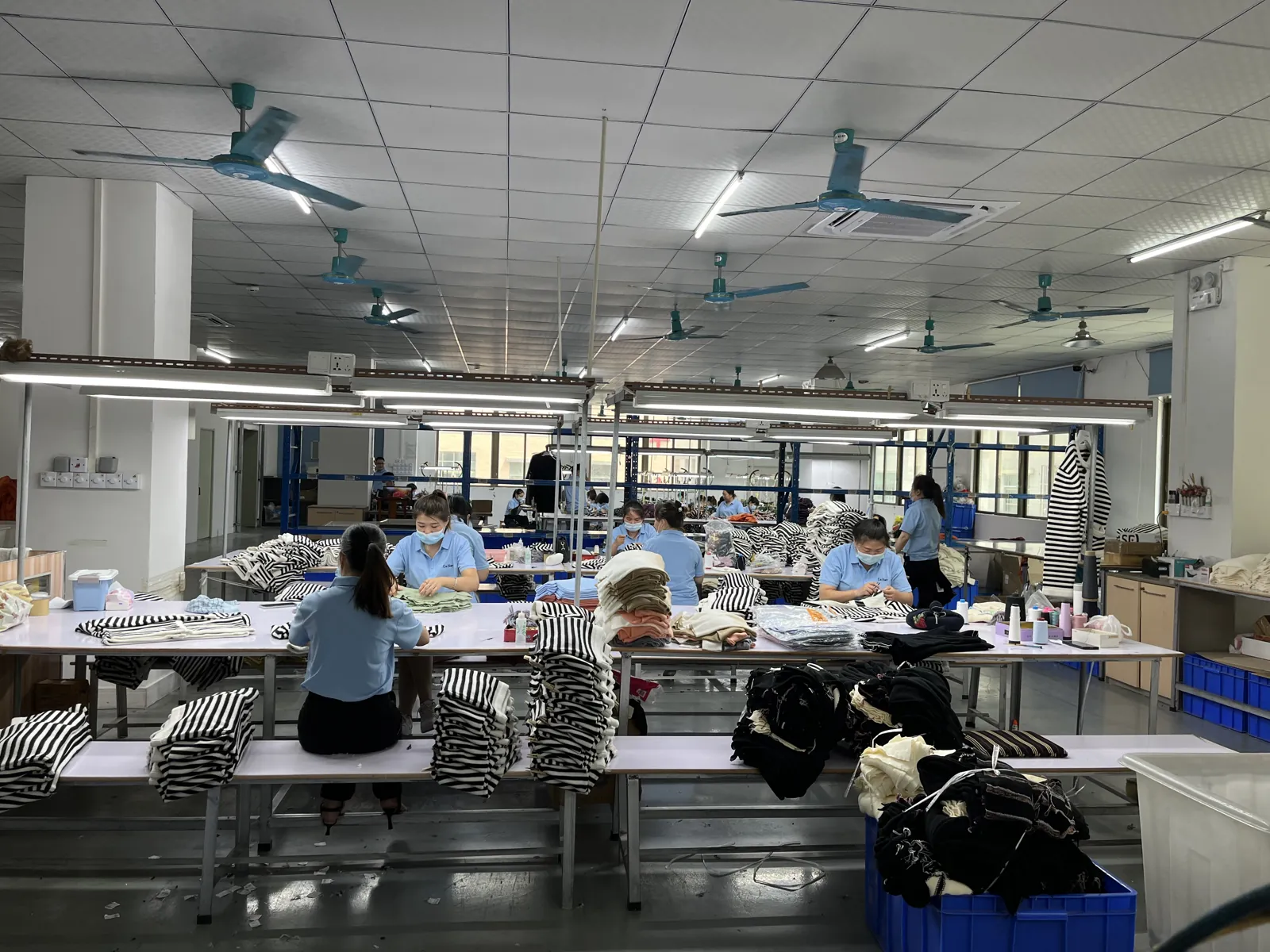
Knitwear MOQ is typically set per color per style, not per order. That’s a meaningful distinction. A factory may quote a minimum of 30–100 pieces per size run per color — which means a style offered in three colors across five sizes has a very different MOQ requirement than a single colorway.
The reason is structural: yarn is dyed or sourced in lot sizes, knitting machines need setup time per run, and the economics of production don’t change much between 50 and 80 pieces for a single color. Consolidating a small number of colors at a higher quantity per color almost always produces better pricing than spreading the same total units across many colors at low per-color volume.
Realistic Lead Time Breakdown from Order to Shipment
A standard knitwear production timeline from confirmed PO to finished goods typically breaks down as follows:
| Stage | Typical Duration |
|---|---|
| Yarn sourcing / ordering | 5–10 days |
| Sample approval (if still pending) | 3–7 days |
| Bulk knitting | 15–25 days |
| Linking, washing, finishing | 7–10 days |
| QC and packing | 3–5 days |
| Total (ex-works) | ~35–55 days |
This assumes yarn is available and sample is approved before production starts. Orders placed during peak season (August through January) typically run at the longer end of that range due to factory capacity pressure.
Questions to Ask Before Peak Season when brands partner with knitwear manufacturers
Fall and winter programs compete for the same yarn, machines and finishing capacity. Before confirming a seasonal order, ask:
- What is the earliest sample start date for this product type?
- What is the current bulk window for similar styles, and which gauges are most heavily booked?
- Is the MOQ set per style, per color, per size or per yarn, and can a shared yarn across styles reduce it?
- Can the factory accept add-on quantities or refills during the season?
- What happens if yarn, lab dips, trims or packaging arrive late?
- By what date must labels, hangtags, barcodes and carton marks be approved?
Also compare what each quote includes. A lower price may leave out sample revisions, lab dips, private label accessories, carton requirements or export documents.
What Delays Your Timeline and How to Protect It
Late sample approvals are the most common cause of production delays — and the one most directly within the buyer’s control. Every week a sample sits unapproved adds a week to your delivery date, because most factories won’t cut bulk yarn until construction and fit are signed off.
Other common causes: yarn shortages on specific dye lots (especially for custom colors), last-minute specification changes after bulk has started, and public holiday scheduling in production regions. The most effective protective measure is agreeing on milestone dates — yarn arrival, sample approval deadline, bulk start date — in the purchase order itself, not just a final delivery date.
The Sampling Stage Is Where Partnerships Are Made or Broken
When brands partner with knitwear manufacturers, sampling is not a formality before the real work begins. It’s where specification accuracy, factory capability, and communication quality all get tested simultaneously. Problems that go unresolved at sampling almost always reappear at a larger scale in bulk.
Send a Complete File Before Sampling Starts when brands partner with knitwear manufacturers
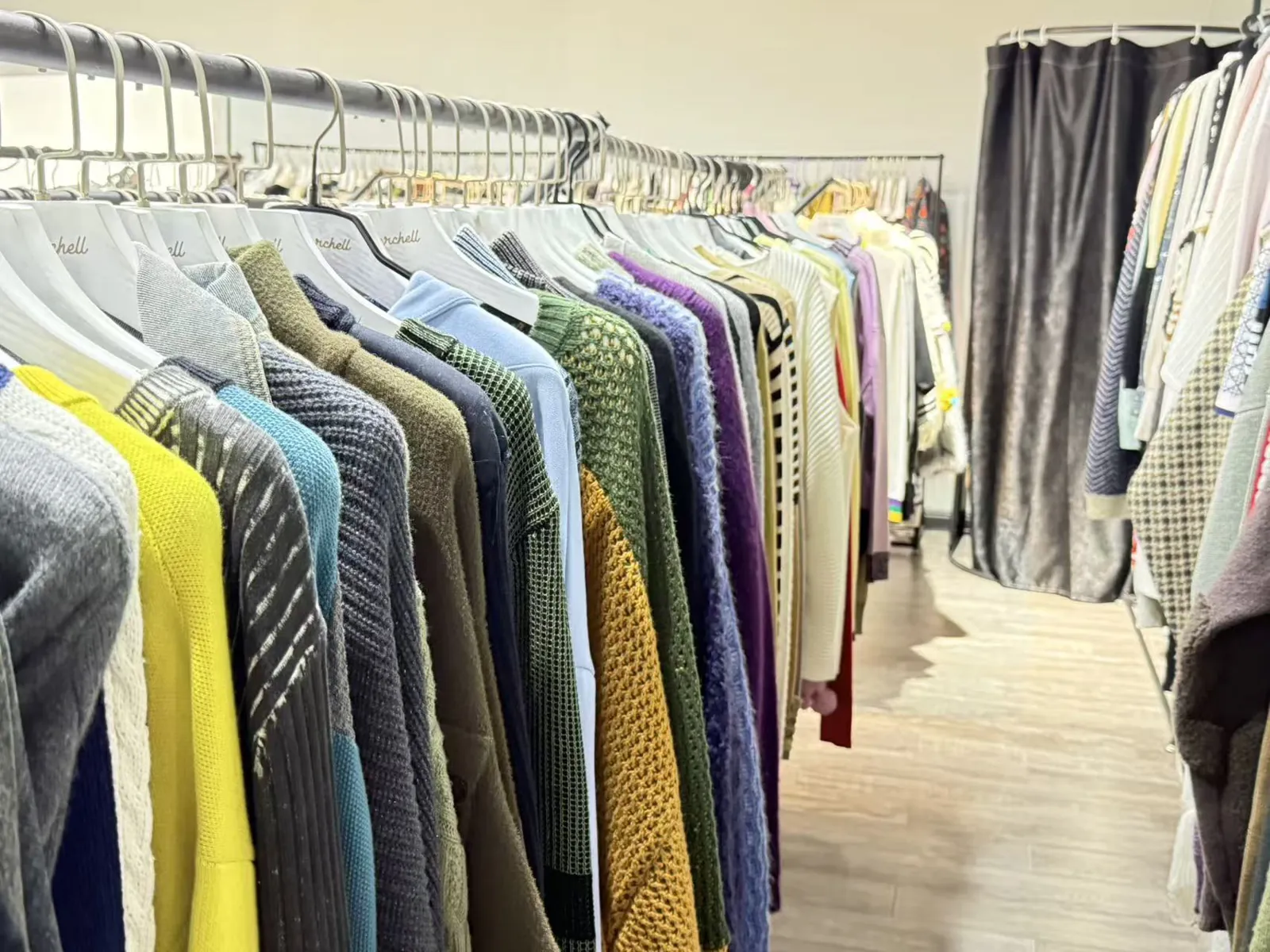
Most slow sampling cycles start with an incomplete inquiry. Before asking for a sample or quote, send:
- Front and back sketches or reference photos, plus a reference sample if you have one, stating which details must be copied and which can change
- A measurement chart with tolerances
- Yarn composition, target gauge or hand-feel reference, and stitch details
- Color references and the number of colorways
- Target quantity per color, target price and delivery date
- Label, care label, hangtag, barcode, polybag and carton requirements
- Destination market, so labelling and testing can be aligned early
- Logo or artwork in vector format with placement and size
Pre-Production Sample vs. Production Sample
Most professional factories distinguish between two sample types. The pre-production sample (PPS) is developed before bulk yarn is purchased — it confirms style, construction, and fit. The production sample is made from the actual bulk yarn lot and confirms that the approved PPS can be replicated consistently at scale.
Skipping the production sample is a common shortcut that creates bulk quality surprises. Yarn from a different dye lot can behave differently during knitting and washing, producing subtle changes in hand-feel, weight, or dimensional stability. Confirming with production-lot yarn before the full run starts is worth the time.
What to Check at Each Sample Round when brands partner with knitwear manufacturers
Treat each round as a separate approval rather than expecting one sample to answer everything. A sample in available yarn can approve shape and stitch but not final color or hand-feel.
- Proto sample: measurements against the tech pack, gauge and stitch density, rib tension, collar and cuff construction, overall hand-feel.
- Pre-production sample: measurements after washing, color against the approved lab dip, trim placement, care label content, branding and packing layout.
Keep a signed and sealed copy of the approved sample on both sides. It becomes the reference if a bulk inspection result is disputed.
How to Give Feedback Factories Can Actually Use
“The fit is off” is not actionable feedback. “The chest measurement at sample size M is 2cm wider than spec, and the sleeve length is 1.5cm shorter” is. Factories work from numbers. When your comments reference specific measurements, locations on the garment, and comparisons to your approved spec, corrections are faster and more accurate.
If you’re making multiple changes per round, rank them by priority. A factory resolving five simultaneous feedback points has a higher chance of introducing new issues than one addressing two clearly prioritized changes at a time.
What Sampling Costs Tell You About the Factory when brands partner with knitwear manufacturers
Most reputable factories charge for samples — typically a set fee per piece that’s credited toward or refunded against bulk order minimums. Free sampling sounds appealing but usually means the cost is absorbed elsewhere (longer bulk margins, less attention to detail on sample rounds) or the factory is qualifying you as a buyer before investing.
Paid samples with a clear refund or credit policy are a standard, professional arrangement. If a factory refuses to charge for samples at all, it’s worth understanding how they sustain that model.
Quality Control During Bulk Production
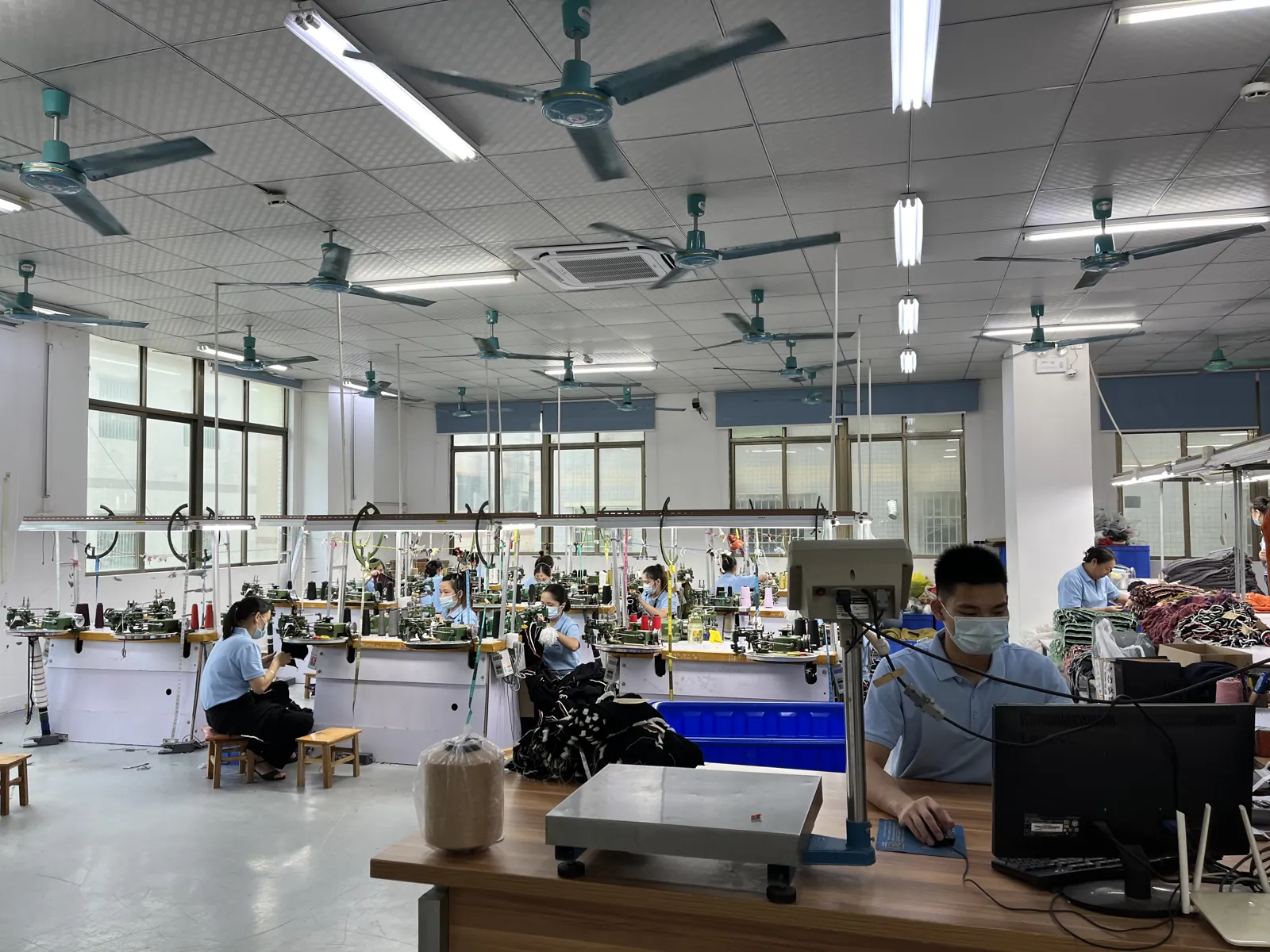
QC in knitwear is not a single event at the end of production. It runs through the entire manufacturing process — and buyers who understand that can structure their oversight more effectively. Our OEM/ODM service includes both inline and final AQL inspection as standard.
Raw Material Checks Before Knitting Starts
The cheapest defect to fix is the one found in the yarn. Before bulk knitting, the factory should verify the yarn lot against the approved standard, check cones for slubs, knots and uneven twist, confirm color against the sealed lab dip, and check zippers, buttons, labels and hangtags against the tech pack. A problem caught at this stage costs some yarn; the same problem found after linking costs finished garments.
Common Knitwear Defects and When They Appear
Different defects emerge at different stages of production. Knowing where they originate helps you ask better questions and identify problems earlier:
- Knitting stage: dropped stitches, gauge inconsistency, pattern misalignment in jacquard or intarsia styles
- Linking stage: tension variation at seams, uneven collar attachment, size drift from improper linking speed
- Washing and finishing: shrinkage beyond tolerance, uneven colorfastness, shape distortion from incorrect ironing template use
- Final inspection: labeling errors, measurement deviation from spec, packaging non-compliance
Most visible bulk quality issues trace back to one of these stages. A factory that can identify which stage an issue came from — rather than just noting the defect at final inspection — is operating with the kind of process visibility that actually prevents repeat problems.
AQL and What It Means for Knitwear Orders when brands partner with knitwear manufacturers
AQL (Acceptable Quality Level) is a statistical sampling standard that defines how many defective pieces are acceptable within a batch before the lot is flagged for re-inspection or rejection. AQL 2.5 is the most common standard in garment manufacturing, meaning roughly 2.5% of a lot can carry minor defects without triggering rejection.
It’s worth understanding that AQL is a sampling method, not a guarantee of zero defects. It tells you what risk level you’re accepting, not that every piece is perfect. For orders where appearance consistency is critical — deadstock yarn styles, high-end retail with visible merchandising — it’s reasonable to request tightened inspection criteria or a higher sample pull rate.
Agree Tests and Deviation Approval in Advance
Decide before bulk which tests matter for your market and price level, such as dimensional stability, colorfastness, pilling, fiber content and care-label accuracy, rather than testing everything or nothing. Agree who approves a deviation: if a sleeve measures slightly out of tolerance after finishing, the factory should report it and agree on correction or acceptance before packing, not ship it quietly. A documented quality control process should record these approvals so the same standard carries into repeat orders.
Factory QC and a third-party inspection are not either-or. For a first order, a high-value program, or a buyer who cannot visit the factory, an independent pre-shipment inspection against the agreed AQL level adds a second check at modest cost.
What You Can Do as a Buyer to Improve Outcomes
The most consistent quality outcomes come from buyers who are clear on their standards before production starts, not after. That means a detailed tech pack with tolerance ranges specified, a confirmed and signed-off PPS before bulk yarn is cut, and explicit packaging and labeling instructions rather than assumptions.
Requesting production photos at key stages — yarn arrival, first-off knitted panels, first linked piece — doesn’t require a factory visit and gives you early visibility into whether production is tracking to spec.
How to Partner with Knitwear Manufacturers Beyond the First Order
When brands partner with knitwear manufacturers, a good first order establishes baseline expectations. What defines a reliable manufacturing partner is how they perform on the second, third, and fifth order — when the novelty of a new relationship has worn off and communication patterns are set.
Communication Habits That Reduce Fire-Fighting
Regular, structured updates during production reduce the volume of reactive communication significantly. A brief weekly status note covering yarn status, production stage, and any flagged issues is more useful than silence followed by a problem report close to your delivery date.
From a factory perspective, buyers who respond to questions and sample feedback promptly create fewer delays than those who take longer to review. Production timelines have dependencies — waiting on buyer approval at any stage is a genuine hold, not a formality.
Refill Orders and What Changes on Repeat Production
Repeat orders are not guaranteed to replicate exactly, even with the same specifications. Yarn dye lots change between seasons, meaning colorfastness and hand-feel can vary even when the same fiber and colorway are specified. Linking operators and machine assignments may differ. Washing conditions at third-party laundries fluctuate.
The safest practice for refill orders is to request a lab dip approval for each new dye lot of critical colors, and to confirm measurement tolerances haven’t drifted before bulk starts. Many buyers skip these steps on repeat orders because they feel redundant — and most of the time, they are. But when variation does occur, catching it before 500 pieces are finished is significantly cheaper than after.
Knowing When to Stay — and When to Switch when brands partner with knitwear manufacturers
Switching factories carries real hidden costs: new relationship development, re-sampling from scratch, lost institutional knowledge about your patterns and preferences. Those costs are worth absorbing when a factory shows consistent quality decline, communication breakdown, or capacity misalignment that isn’t improving.
They’re not worth absorbing over single-order issues that were resolved. A factory that handles problems honestly and corrects them is generally more valuable than starting over with one that’s untested.
Conclusion
Finding and working with the right knitwear manufacturers comes down to three things: choosing the right production model for your current stage, evaluating factory capability against your actual product requirements, and building the communication habits that prevent small misalignments from becoming expensive problems.
The most common sourcing mistakes in knitwear aren’t about price or geography. They’re about buyers entering production with incomplete specs, misunderstanding how MOQ and lead time actually work, or skipping the confirmation steps that de-risk bulk. None of those require a larger budget to fix — they require clearer process.
If you’re ready to move from inquiry to production, contact us at Cainan Clothing with your tech pack, target pricing, and delivery window. We’ll provide yarn recommendations, a realistic production schedule, and a transparent quote.
FAQ
What is the minimum order quantity for a knitwear factory?
MOQ varies by factory and is typically set per color per style, not per total order. Entry-level minimums at many factories sit between 30 and 100 pieces per size run per color. Lower MOQs often come with price premiums or are feasible only when the factory uses stock-service yarns that don’t require a custom dye lot commitment.
How long does it take to go from tech pack to finished goods?
For a style that’s already been sampled and approved, bulk production typically takes 35–55 days ex-works, depending on factory capacity and order complexity. That window does not include shipping. Styles that still need sampling add 2–4 weeks to the front of that timeline.
OEM, Sampling, and Delivery Questions
What’s the real difference between OEM and ODM for knitwear brands?
OEM means you provide the design and the factory manufactures to your specifications — you own the product development. ODM means you select from the factory’s existing styles and customize within their available options. OEM offers full exclusivity and brand differentiation but requires more from your development team. ODM is faster and lower-risk for new categories or market testing.
Why does the sampling stage take longer than expected?
The most common reasons are incomplete tech packs that require clarification before sampling can start, multiple unresolved feedback items being addressed simultaneously, or yarn availability issues for custom colorways. Providing complete, measurement-specific feedback and prioritizing corrections clearly shortens sampling cycles significantly.
How do I protect my delivery date when placing a knitwear order?
Break the lead time into internal milestones in the purchase order — yarn arrival date, sample approval deadline, bulk start date, QC completion date — rather than only specifying final delivery. This creates earlier visibility into slippage and gives both sides a shared reference point for managing timeline risk.
External References
- QIMA — AQL Acceptable Quality Limit: Complete Guide — Reference explanation of AQL sampling standards as applied in garment inspection.