 CN Sweaters
If you are placing an OEM knitwear order, do not release bulk until six things are locked in writing: tech pack, yarn specs, PP sample, color standards, QC plan, and confirmed MOQ and lead time. Every rework, shade mismatch, or late shipment we have seen in the past decade traces back to one of these being left open. This guide is written for brand owners, product managers, and procurement managers who already have designs ready and need a practical pre-production checklist from a factory perspective. We will walk through what must be decided before cutting yarn, what the buyer owns, what the factory owns, and where most projects quietly lose money. The goal is not to sell you on OEM and ODM services as a concept, but to help you avoid the common traps that make good designs ship late or off-spec.
What Does OEM Knitwear Actually Lock In
OEM knitwear means the buyer brings the design, tech pack, and brand identity; the factory executes. From a factory perspective, this model only works when the buyer’s inputs are complete and unambiguous. If the tech pack is partial or the yarn choice is left to the factory without written approval, any later change becomes a dispute rather than a correction. Before we quote, we expect sketches, spec sheets, target yarn, Pantone references, trim lists, and a clear size range. The cleaner the input, the tighter the price and lead time we can commit to.
The Division of Responsibility
In OEM sweater manufacturing, the buyer owns the design intent, measurements, fabric choice logic, branding, and final approvals. The factory owns pattern translation, knitting programming, construction, QC execution, and on-time delivery. Gray areas—like whether the factory can substitute a yarn supplier if the nominated mill is delayed—must be decided in writing at the quotation stage, not mid-production.
Why Buyers Still Carry Technical Risk
Even in OEM, the buyer carries the risk of design feasibility. If a cable pattern is too dense for the target gauge, or a rib is specified at a width the machine cannot consistently produce, the factory will flag it but cannot redesign the garment. We recommend buyers treat the first sampling round as a feasibility audit, not just a fit check.
When OEM Tips Into ODM
Some projects start as OEM and shift partially to ODM when the buyer asks the factory to propose yarn blends or stitch structures. That is fine, but it must be documented. Otherwise, intellectual property ownership and reorder pricing become unclear. We keep a simple log of which decisions are buyer-driven and which are factory-proposed, so reorders six months later do not surface surprise changes.
For B2B buyers, locking OEM scope cleanly is not paperwork theater. It determines who pays for rework, who owns the pattern, and how fast a reorder can be triggered without resampling.
What Belongs in an OEM Knitwear Tech Pack?
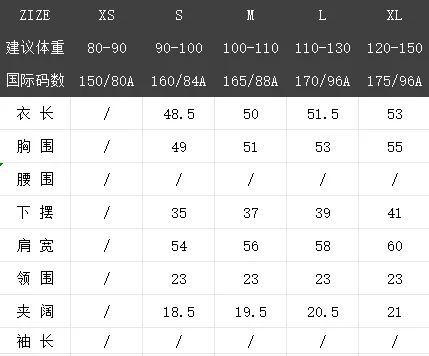
A knitwear tech pack must lock measurements, yarn, stitch structure, color, trims, construction, and packaging before sampling starts. Missing any one of these forces the factory to guess, and guesses compound through the production line. We see tech packs that are beautifully illustrated but silent on yarn count or rib tension—those are the ones that need three sample rounds instead of one.
Core Technical Elements
At minimum, a usable tech pack contains: front and back flat sketches with stitch direction marked; a full measurement chart with grading rules and tolerance (typically ±1 cm on body length, ±0.5 cm on critical points); yarn composition, count, and gauge (for example, 2/28 Nm merino wool at 12 gauge); Pantone color codes with lab-dip approval protocol; trim specifications with supplier options; and packaging instructions down to polybag size.
Sampling Versus Bulk Checkpoints
Sampling and bulk production require different technical checkpoints. The sampling stage confirms feasibility; bulk production confirms consistency. Below is how we separate the two in practice:
| Checkpoint | Sampling Stage | Bulk Production |
|---|---|---|
| Yarn | Confirm composition, count, hand feel on lab dip | Lock dye lot, verify batch consistency across cones |
| Measurements | Validate one base size against spec | Grade across full size run, AQL spot checks |
| Color | Approve Pantone lab dip | Shade band control, cross-cone matching |
| Stitch tension | Set machine program, validate density | Monitor every shift, recalibrate per batch |
| Construction | Approve linking, seam finish | Inline inspection, final garment QC |
| Shrinkage | Run wash test on fabric swatch | Confirm dimensional stability on finished garments |
The table makes one thing obvious: sampling is about decisions, bulk is about discipline. Buyers who treat them as the same stage usually over-invest in sampling details and under-invest in bulk QC triggers.
What Buyers Often Forget for OEM knitwear
Packaging, care labels, and hangtag placement are the most common omissions. These seem minor, but missing care label wording can block customs clearance in the EU or US, and we have to hold shipments until corrected artwork arrives. Lock these in the tech pack, not in a side email.
How Do We Lock Yarn Specs Before Knitting Starts
Yarn must be locked by composition, count, twist, supplier, and dye lot before the first production sample is knitted. Yarn is roughly 50 to 70 percent of a sweater’s cost and almost 100 percent of its hand feel, so any ambiguity here shows up in every downstream stage. From a factory perspective, the most frequent yarn-related failure is not the fiber choice itself but batch-to-batch inconsistency when the buyer approves one lot and the factory runs on another.
Composition And Count for OEM knitwear
Composition should be stated as a percentage blend with tolerance (for example, 70% merino wool / 30% cashmere, ±2%). Count is typically written in metric (Nm) or worsted (Nm) depending on the region; we ask buyers to confirm the count and ply in writing, because a 2/28 Nm versus 2/26 Nm difference changes both weight and drape noticeably. For sweaters sold across pullovers, cardigans, and knit dresses, the same composition can behave differently depending on how the yarn is twisted and finished.
Supplier And Dye Lot Control
We recommend nominating a primary yarn supplier and one backup, both pre-approved by the buyer. For colors, the lab dip must specify acceptable shade variation against Pantone TCX standards, and bulk dyeing should be done in a single lot whenever possible. Cross-lot dyeing is a leading cause of shade banding visible only under store lighting, not factory lighting.
Pre-Production Yarn Testing
Before knitting the PP sample, we run pilling and colorfastness pre-checks on the yarn itself. Pilling tests reference ISO 12945 pilling evaluation methods, and abrasion-type pilling often follows ASTM D3512 random tumble standards. Colorfastness to washing, rubbing, and perspiration is benchmarked against ISO 105 series standards. Locking these thresholds in the tech pack, rather than discovering them after bulk, is the single highest-leverage decision a procurement manager can make.
For B2B buyers, yarn control is not a technical nicety. A single unrecorded dye lot switch can trigger a customer return wave that costs more than the entire production run.
Why Is the PP Sample Non-Negotiable
The pre-production sample is the last checkpoint where changes are still cheap. Skipping it, or approving it verbally without a sealed reference, removes the factory’s legal and technical baseline for bulk production. From a factory perspective, we will not start bulk on a high-value order without a signed and sealed PP sample, because it protects both sides from disputes about what “approved” actually meant.
What the PP Sample Confirms
A proper PP sample uses the actual bulk yarn, trims, labels, and construction methods. It confirms that the factory can reproduce the approved fit, hand feel, and finish at scale. Typically we prepare three to four PP samples per style: one sealed copy for the buyer, one retained as the factory reference, one for the QC team, and one that travels with the production floor. The sealed sample becomes the binding visual and physical standard during inline and final inspection.
Common PP Sample Failures for OEM knitwear
The most common reason a PP sample fails first-round review is measurement drift after washing. Knitwear relaxes and shrinks differently depending on yarn and finishing; a sample that matches spec off the machine may move 2 to 4 percent after washing. We run a wash test before sending PP samples, but buyers should still build one round of adjustment into the timeline. Other frequent issues include linking tension inconsistency at shoulders, rib width variation at cuffs, and trim placement drift on decorated styles.
Approval Timeline Expectations
A realistic PP sample cycle runs 10 to 18 days from receipt of approved fit sample, including courier time. If the buyer requests changes, add another 7 to 12 days per revision. Procurement managers who plan a 90-day lead time from order to shipment should reserve at least 15 to 20 days of that window for PP sampling alone. Compressing this window is where most late shipments begin.
For B2B buyers, the PP sample is your single best insurance policy against bulk defects. Treat the sealed sample as a contractual document, not a formality.
What Quality Control Standards Should You Specify
Quality control for bulk knitwear must be specified at three levels: yarn and fabric, inline during production, and finished garment inspection under AQL. Buyers who only specify “good quality” in the contract get whatever the factory’s default interpretation is, which varies widely across suppliers. We prefer written QC thresholds tied to recognized standards, because they are enforceable and measurable.
Testing Standards To Reference
For knitwear bulk production, we typically reference the following in the tech pack: pilling resistance per ISO 12945-1 pilling box method or ASTM D3512 for random tumble pilling, with an acceptance grade of 3–4 or higher for mass-market and 4 or higher for premium; dimensional stability per ISO 6330 or AATCC 135, with shrinkage typically held to 3 to 5 percent for cotton-rich knits and 2 to 4 percent for wool; and colorfastness to washing, rubbing, and perspiration per ISO 105 series, with minimum grade 3–4. Third-party verification through Intertek apparel testing services or equivalent labs is common for buyers shipping to regulated markets.
Inline and Final Inspection
Inline inspection catches defects while they are still cheap to fix. We check knitting tension every shift, linking quality every hour, and measurement conformance every 100 pieces. Final inspection follows AQL 2.5 for major defects and AQL 4.0 for minor defects as a general default, tightened to AQL 1.5 for premium brands or styles with high defect risk.
Who Pays for Failed OEM Knitwear Inspections?
This should be in the contract, not assumed. Typically, the factory absorbs the cost of rework for defects caused by construction errors, while the buyer absorbs costs tied to design ambiguity or late specification changes. Third-party inspection fees are usually buyer-paid unless agreed otherwise.
For procurement managers, specifying QC in measurable terms is the difference between a predictable bulk run and a negotiation after the goods land.
How Do MOQ and Lead Time Actually Work
MOQ and lead time for OEM knitwear depend on yarn availability, construction complexity, and color count, not just piece quantity. From a factory perspective, a 300-piece order in a stock yarn and one color can sometimes ship faster than a 1,000-piece order in a custom-dyed yarn with four colorways. Buyers who negotiate MOQ without understanding the drivers often end up with unworkable terms.
Typical MOQ Ranges for OEM knitwear
For OEM sweater manufacturing with custom yarn and color, typical MOQ ranges are 300 to 500 pieces per style per color, with some factories accepting 150 to 200 pieces on stock yarn programs. Lower MOQs are possible for sampling-stage trial orders but usually carry a per-piece premium of 20 to 40 percent. These ranges vary by season, factory capacity, and yarn supplier minimums, so treat any published MOQ as a starting point for conversation.
Lead Time Breakdown
A standard bulk lead time for custom knitwear runs 60 to 90 days from PP sample approval, broken down roughly as: yarn procurement and dyeing, 20 to 35 days; knitting, 15 to 25 days; linking, washing, and finishing, 10 to 15 days; final QC and packing, 5 to 7 days. Peak season (July to October for AW deliveries) can stretch yarn lead times significantly. Buyers planning holiday launches should place orders by late spring to avoid capacity squeezes.
Reorders and Refill Planning
Reorders on approved styles typically run 40 to 60 days if yarn and trims are still available, because sampling is skipped. We recommend buyers reserve yarn in advance for expected reorders, especially on hero styles. Yarn held in the mill warehouse is cheaper and faster than re-dyeing six months later, and avoids shade variation between the original run and the refill.
For B2B buyers, MOQ and lead time are planning tools, not fixed constraints. The earlier you share a realistic forecast, the more flexibility the factory can build into pricing and capacity allocation.
What Belongs in the Final OEM Knitwear Pre-Production Check?
Before signing off on bulk, we walk buyers through a final checklist that consolidates everything locked in previous stages. This is not a formality; it is the last chance to catch a missing approval before yarn is committed and machine time is booked. Skipping it saves one meeting and costs, on average, one reshipment.
The Seven-Point Pre-Bulk Checklist
Our internal checklist covers: signed and sealed PP sample in factory possession; written yarn approval including supplier, count, composition, and dye lot protocol; Pantone lab dip approvals for every color; confirmed trim sources with backup suppliers listed; packaging and care label artwork finalized and printed-proofed; QC standards and AQL levels documented in the contract; and MOQ, unit price, payment terms, and ship date signed. Every point has a responsible party and a date.
Documentation and Traceability
We keep a production dossier per style that includes all approvals, test reports, and change logs. This matters for two reasons: if a defect surfaces in the market, the dossier traces the root cause; if the buyer reorders, the dossier becomes the reference that removes ambiguity. Buyers should request a copy of this dossier at shipment, not six months later when memories have faded.
Communication Cadence During Bulk for OEM knitwear
Once bulk starts, we provide weekly updates covering yarn arrival, knitting progress, linking completion, and QC results. For high-value orders, we add photo updates at each stage. Buyers who stay engaged through bulk catch small issues before they become shipment-blocking, and factories appreciate the feedback loop.
For procurement managers, the pre-bulk checklist is where discipline turns into delivered goods. The factories that refuse to start bulk without it are the ones worth working with long-term.
Conclusion
Locking the six core elements—tech pack, yarn, PP sample, color, QC, and commercial terms—before bulk is the single most reliable way to protect an OEM knitwear order from delay and rework. None of these decisions are glamorous, but together they determine whether a season ships on time and on spec. From a factory perspective, the buyers who run the smoothest programs are not the ones with the biggest orders; they are the ones who send complete tech packs, respond to sampling questions within 48 hours, and treat QC standards as contract terms rather than suggestions. If you have a design ready and want a production-feasibility review before committing to a factory, get in touch with our team and send over your tech pack, target yarn, quantity per color, and required ship date. We will return a feasibility note, a sampling timeline, and an indicative quotation so you can plan the next step with real numbers.
Frequently Asked Questions
What is the typical MOQ for OEM knitwear with custom yarn and color?
For custom-dyed yarn and original color development, MOQ usually starts at 300 to 500 pieces per style per color. On stock yarn programs, some factories accept 150 to 200 pieces per color, though unit prices are higher. Brands running multiple colorways often consolidate MOQ by sharing base yarn across styles, which is a practical way to lower entry barriers without sacrificing quality.
How long does PP sampling take before we can start bulk?
A full PP sample cycle typically runs 10 to 18 days from receipt of approved fit sample, assuming yarn is in stock. If custom yarn dyeing is required, add 15 to 25 days for dye lot preparation. Each revision round adds another 7 to 12 days. For first-time programs, plan at least three to four weeks between fit approval and PP sign-off.
What are the biggest risks when moving from sampling to bulk production?
The three most common risks are measurement drift after washing (shrinkage not fully validated on the sample), shade variation across dye lots, and linking tension inconsistency on high-volume runs. These are controllable through proper wash testing, single-lot dyeing, and inline QC at shift changes. Factories that skip these steps will ship bulk that looks different from the sealed PP sample.
Can we reorder an approved style without resampling?
Yes, if yarn and trims are still available and the factory retained the production dossier. Reorders typically run 40 to 60 days and skip the sampling stage. For hero styles, we recommend reserving yarn at the mill at the time of the original order to lock pricing and shade consistency for expected reorders.
Who pays for third-party testing like Intertek or SGS reports for OEM knitwear?
Third-party testing fees are typically buyer-paid, since the reports are the buyer’s commercial asset and often required for market entry. Some factories include basic in-house test reports in the unit price, but third-party certification for pilling, colorfastness, shrinkage, or chemical compliance is usually invoiced separately. Clarify this during quotation, not after shipment.