 CN Sweaters
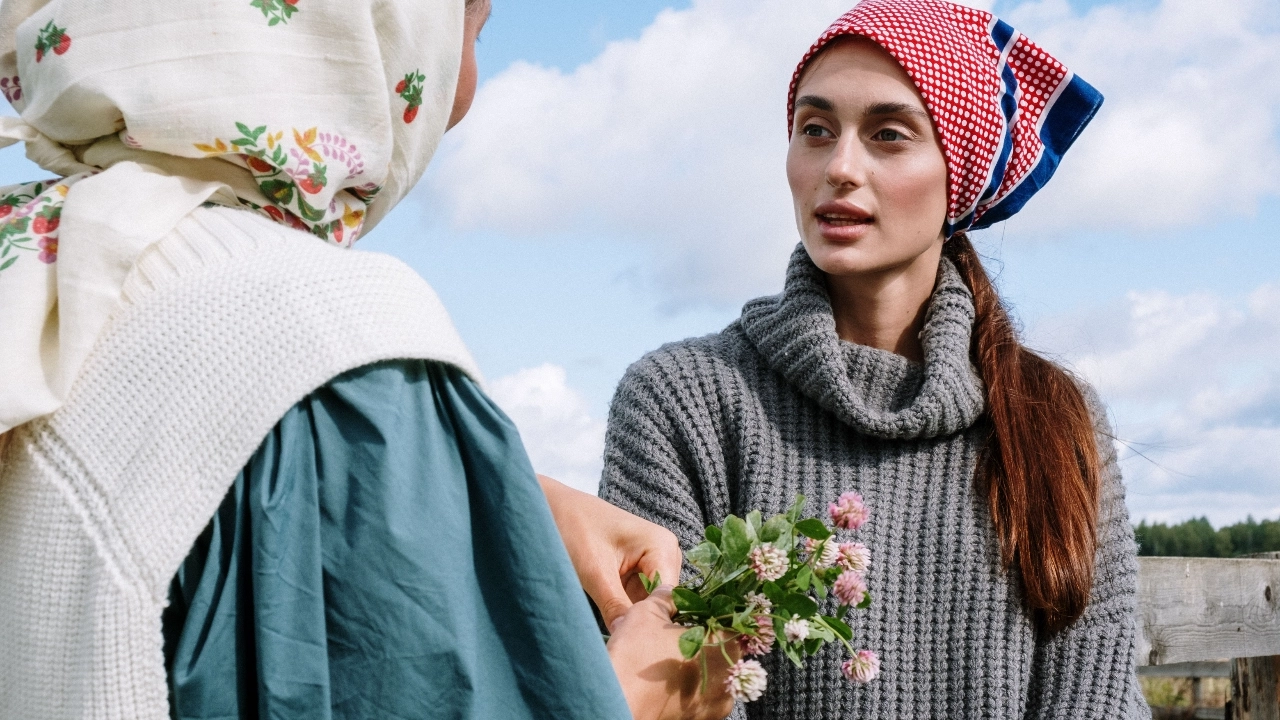
Cotton knitwear is usually the safer starting point for early fall programs when the goal is breathable layering, longer selling windows, and controlled retail pricing. Wool knitwear can still work in early fall, but it needs clearer market timing, lighter construction, and stricter testing because warmth, pilling, shrinkage, and raw material cost affect both sell-through and reorder risk.
For B2B buyers, the real question is not whether cotton or wool feels better in a showroom. It is whether the material matches the target climate, retail price band, launch date, size range, wash expectation, color plan, MOQ, and replenishment strategy. A cotton knit cardigan may support late-summer-to-fall layering, while a merino wool cardigan may belong in a premium autumn capsule or a later cold-weather drop. Confusing these positions can create stock that launches too early, wears too warm, looks too thin, or fails after washing.
Why Does Early Fall Material Choice Affect Sell Through?

Seasonality Is a Product Development Variable
Early fall knitwear sits between summer recovery and cold-weather demand. That makes material selection more sensitive than a winter-only sweater program. Cotton cardigans, lightweight cotton cardigan styles, and organic cotton cardigan programs can work well for indoor wear, office layering, travel, and transitional retail displays because the hand feel is familiar and the warmth level is moderate.
Wool cardigans, a wool cardigan sweater, or merino wool knitwear can raise perceived value, but the buying logic changes. Wool is not only a fiber choice; it affects garment weight, care communication, pilling control, shrinkage testing, storage, and retail price. According to The Woolmark Company, Merino wool is breathable, temperature responsive, wrinkle resistant, and naturally elastic, which supports its premium positioning when the garment construction is aligned with the season.
The Wrong Material Creates Inventory Risk
A material mismatch often shows up after launch, not during sampling. A 100 wool knitwear style that feels rich in a sample room may be too warm for early fall windows in warmer markets. A low-density 100 cotton knitwear style may photograph well but lose shape after repeated fitting, steaming, or washing.
For buyers planning custom knitwear, the decision should connect fiber, yarn count, gauge, stitch density, target garment weight, and selling month. Cotton can help extend the season, while wool can help justify a higher price point. Neither choice works if the structure, MOQ plan, and quality standard are not set before sampling.
Where Does Cotton Knitwear Fit Best?
Best Product Directions for Cotton
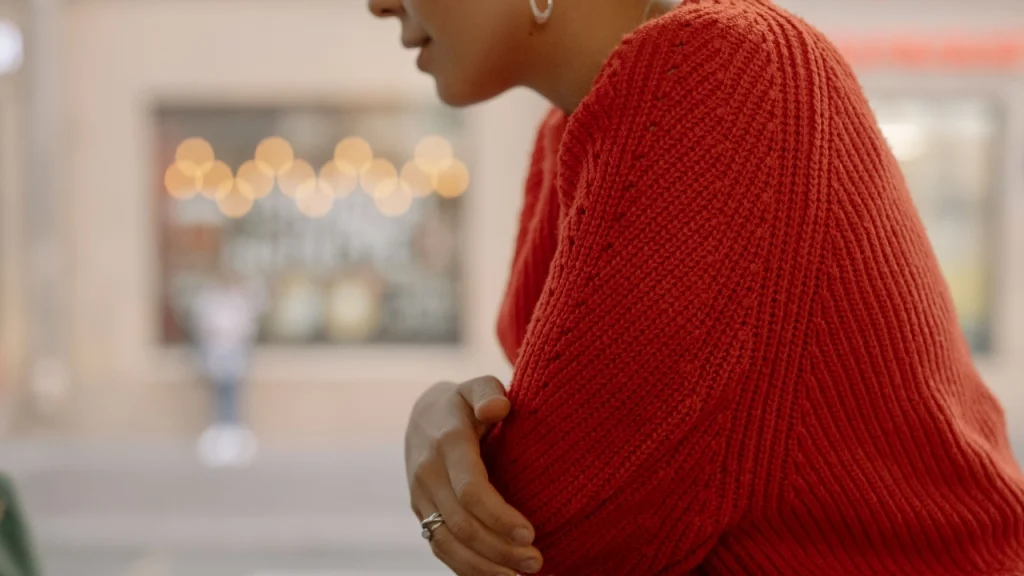
Cotton knitwear is strongest when the program needs comfort, breathability, soft touch, and a lighter commercial entry point. It is especially suitable for cotton cardigans, cotton knit cardigan styles, cotton cardigan sweater assortments, fine-gauge pullovers, short-sleeve knits, and early fall layering pieces.
For buyers developing cardigans, cotton works well when the style depends on a stable placket, clean stitch definition, and wearable weight. A cotton cable knit cardigan can also work for early fall if the cable scale, yarn thickness, and garment weight are controlled. If the cable is too heavy, the style moves closer to fall-winter positioning; if it is too loose, the garment can look soft but collapse at the hem and cuffs.
Limits Buyers Should Check Early
Cotton has less natural recovery than many wool constructions, so structure matters. Yarn count, twist, gauge, stitch length, rib tension, and finishing all affect whether a cotton knit cardigan keeps its shape. CottonWorks notes that knit textile development should begin with end use, target market, performance needs, margin, yarn, construction, and cost because fabric performance and garment construction are connected.
For early fall cotton knitwear, avoid lowering cost only by opening the stitch density. A loose fabric may reduce yarn consumption, but it can also increase distortion, uneven hems, weak cuffs, and poor hanger appearance. For private label knitwear, this is risky because retail buyers judge repeatability, not only sample softness. A better approach is to set the target gauge and garment weight first, then decide whether 100 cotton knitwear, organic cotton knitwear, or a cotton blend gives the right balance of price, drape, and recovery.
When Is Wool Knitwear the Better Choice?
Premium Warmth and Higher Price Bands
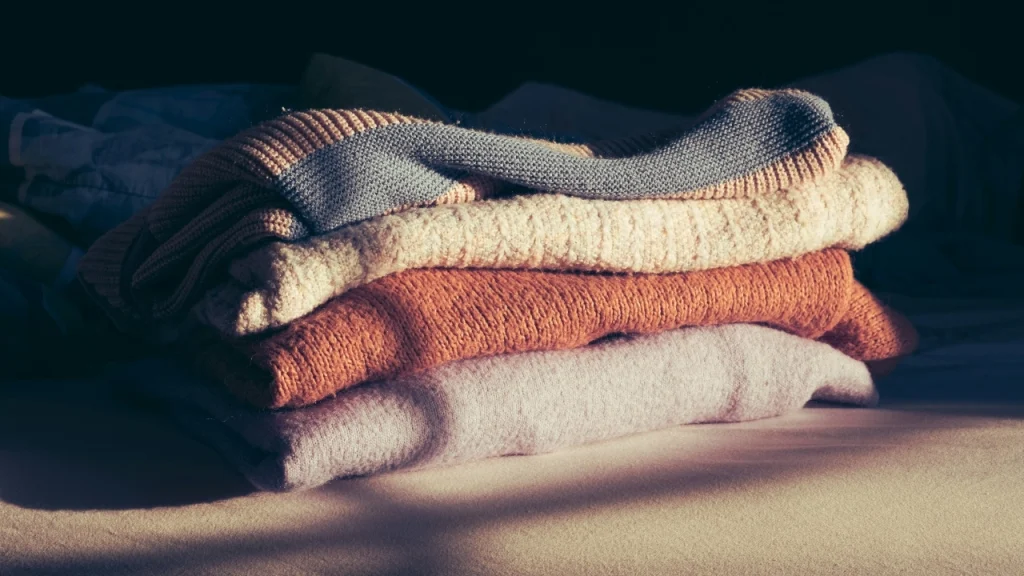
Wool knitwear is a better choice when the program needs warmth, loft, elastic recovery, and a more premium retail message. Merino knitwear, a merino wool cardigan, a merino wool knit sweater, or a cable knit wool sweater can support higher perceived value, especially for boutiques, department store capsules, cold-weather markets, and premium wholesale knitwear programs.
Wool also supports richer texture. A knit wool sweater, knitted sweater wool style, woolen knitted sweater, or wool oversized sweater can look substantial even in simple silhouettes. That is useful when the buyer wants fewer design details but a stronger material story. However, wool should not be selected only because it feels expensive. The fiber story must match the launch month, climate, wash label, and expected retail price.
Wool Risks in Early Fall Programs
For early fall, wool knitwear becomes risky when the garment is too thick, too warm, or too heavy for the first delivery window. A chunky wool cardigan sweater may sit in inventory until temperatures drop. On the other hand, if the buyer reduces weight too aggressively, a premium wool style may feel weak and fail to justify its price.
Care communication also needs planning. IWTO’s wool care guidance explains that wool garments often need a different care routine, can be refreshed by airing, may be washed at lower temperatures when the care label permits it, and should be air-dried rather than tumble-dried. For B2B development, that means care labels, wash testing, shrinkage expectations, and customer service language should be confirmed before bulk production, not after goods arrive.
How Should Buyers Compare Cotton and Wool Before Sampling?
Use a Development Matrix
The cleanest way to choose between cotton knitwear and wool knitwear is to compare the business role of the style before sampling. Buyers should separate consumer search language, such as cotton cardigans or wool cardigans, from sourcing language, such as custom knitted sweaters, private label knitwear, and knitwear manufacturer evaluation.
| Decision Point | Cotton Knitwear Direction | Wool Knitwear Direction | B2B Risk to Check |
|---|---|---|---|
| Selling window | Early fall, indoor, cross-season layering | Later fall, winter, premium capsule | Launch timing and climate mismatch |
| Key styles | Lightweight cotton cardigan, cotton knit cardigan, organic cotton cardigan | Merino wool cardigan, wool oversized sweater, cable knit wool sweater | Product position unclear |
| Hand feel | Cool, breathable, skin-friendly | Warm, elastic, loftier, premium | Sample hand feel differs from bulk |
| Structure risk | Stretch-out, wrinkling, hem distortion | Pilling, shrinkage, weight control | Testing not done before PO |
| Cost logic | Easier price-band control | Higher raw material exposure | Retail price does not match fiber |
| Reorder risk | Yarn and color continuity still required | Lot consistency more critical | Same yarn batch unavailable |
This matrix is not a formula, but it keeps the brief focused on business fit instead of surface preference.
Translate Search Terms Into Production Specs
A buyer may search for cotton cable knit cardigan or merino wool knitwear, but a sweater factory needs a more exact brief: fiber composition, yarn count, gauge, stitch structure, target garment weight, color count, size ratio, label requirement, testing standard, and delivery window. For custom cardigan sweaters, these details affect placket stability, button placement, front opening balance, and bulk consistency.
If the goal is a lightweight cotton cardigan, consider 12GG or 14GG with controlled density. If the goal is a warm wool cardigan sweater, 7GG or 9GG may suit mid-weight fall programs, while 3GG or 5GG moves into chunky outer-layer territory. The exact choice depends on yarn thickness, stitch type, and target size range.
How Do Gauge Weight and Stitch Structure Change the Result?
Gauge Is Not Just a Visual Choice
Gauge affects warmth, cost, lead time, stretch, and defect visibility. Fine gauge can support breathable cotton knitwear for early fall, but it requires more precise tension and measurement control. Coarser gauge can create strong texture for wool knitwear, but it uses more yarn and may shift the garment into a warmer season.
CottonWorks explains that in knit machinery, gauge refers to the number of tricks or needles per linear inch, and stitch length affects fabric weight, width, and aesthetics. For buyers, this means a 12GG cotton cardigan sweater and a 7GG wool cardigan cannot be compared only by unit price. They are different products with different warmth levels, yarn consumption, and production behavior.
Density Protects Retail Wearability
Density is where many cost-driven programs fail. If cotton knitwear is too open, the garment can grow at the body, twist at the side seam, and lose cuff recovery. If wool knitwear is too loose, pilling and snagging risk can increase, and the garment may not look premium after wear.
For sweaters, gauge should be linked to end use. Fine-gauge 12GG-14GG styles are better for lightweight layering, while 7GG-9GG supports versatile fall cardigans and pullovers. Heavier 3GG-5GG structures may suit chunky cable knit wool sweater programs, but they are less forgiving for early fall launch dates in mild climates.
How Should MOQ Color and Reorder Planning Be Managed?
MOQ Can Be Broken by Too Many Colors
Material choice affects MOQ because yarn availability, dyeing, and batch control are tied to color planning. Cotton programs often allow broader color stories at more accessible price points, but too many colors across too many sizes can still split the order into inefficient quantities. Wool programs require even more care because yarn lots, shade matching, and minimum dye quantities can affect reorder consistency.
CN Sweaters explains on its MOQ and lead time page that MOQ is calculated by style, color, and size ratio, with a reference MOQ of 30 pieces per size per color. The same page also notes reference sample and bulk timelines, but final schedules depend on yarn, gauge, stitch complexity, color count, trims, packaging, and season.
Reorders Need Material Continuity
A reorder is easier when the buyer planned yarn continuity from the beginning. For cotton knitwear, this may mean reserving the same yarn quality and confirming lab dips before launch. For wool knitwear, it may mean protecting the same merino wool yarn lot or approving shade bands for acceptable variation.
Wholesale knitwear buyers should avoid over-fragmenting early fall programs. A practical plan may use cotton cardigans for broader color depth and merino wool cardigan styles for fewer, higher-value colors. This keeps MOQ manageable while giving the collection a clear good-better-best structure. If the buyer wants bespoke knitwear with special yarns, custom dyeing, or complex cables, MOQ and lead time should be confirmed before sales samples are promised to retail accounts.
What Should Be Tested Before Bulk Production?
Sample Approval Should Include Wear Risks
Sampling should not stop at “approved look.” For cotton knitwear, buyers should review wash shrinkage, torque, hem stability, cuff recovery, and hanger appearance. For wool knitwear, they should review pilling tendency, shrinkage after care testing, hand-feel consistency, stitch clarity, and weight. Lab dips and knit-downs help, but the final garment sample is still needed because fit and fabric behavior change after linking, washing, steaming, and finishing.
Intertek describes textile and apparel inspection as covering raw materials, inline inspection, before-delivery inspection, defect classification, fabric weight for sweaters, hand feel, labeling, workmanship, packaging lists, carton counts, dimensions, barcodes, and shade identification. That is why a B2B buyer should define inspection priorities before bulk starts, especially when cotton and wool styles sit in the same early fall delivery.
QC Standards Should Match Material Risk
For quality control, cotton and wool should not use identical risk assumptions. Cotton programs need dimensional stability checks and recovery review because loose density can create shape loss. Wool programs need pilling, shrinkage, surface consistency, and care-label alignment. Both need measurement files, approved PP samples, stitch cards, lab dips, and bulk shade control.
A reliable knitwear supplier should also clarify what is inspected at raw material, inline, finishing, and final audit stages. This is especially important for private label knitwear because the brand, not the factory, faces returns when the garment stretches, shrinks, pills, or fails care expectations.
Conclusion
Next Step for Early Fall Briefs
Cotton knitwear and wool knitwear can both belong in early fall programs, but they should not carry the same role. Use cotton for breathable layering, lighter cardigans, longer selling windows, and more controlled price bands. Use wool or merino wool knitwear when warmth, texture, and premium value are the main commercial goals, but manage weight, care, pilling, shrinkage, and reorder continuity carefully.
Send your early fall knitwear brief, target market, cotton or wool material direction, yarn composition request, gauge preference, size range, color plan, MOQ target, branding request, quality standard, and delivery timeline to review a practical material selection plan with an experienced knitwear factory before sampling starts.
FAQ
Is cotton knitwear better than wool knitwear for early fall?
Cotton knitwear is often better for early fall layering, indoor wear, and lighter retail launches. Wool knitwear is better when the program needs warmth, premium texture, and a higher price band, but it requires stricter care and testing control.
What gauge works best for a cotton knit cardigan?
Many lightweight cotton knit cardigan programs use finer gauges such as 12GG or 14GG, depending on yarn count and target weight. If the buyer wants a more structured cotton cardigan sweater, 7GG or 9GG may be considered, but density must be controlled.
How can buyers reduce wool cardigan sweater pilling risk?
Pilling risk should be reviewed through yarn selection, twist, fiber quality, stitch density, finishing, and testing. A merino wool cardigan can feel premium, but buyers should confirm pilling standards and bulk inspection criteria before placing the PO.
Does MOQ change between cotton and wool knitwear?
Yes, MOQ can change because yarn availability, custom dyeing, color count, size ratio, and stitch complexity affect production efficiency. Wool and special merino yarns may require tighter lot planning than standard cotton programs.
What files should buyers send to a knitwear manufacturer?
Send a tech pack, reference images, target composition, gauge idea, size chart, color plan, branding details, care-label expectations, order quantity, quality standard, and delivery window. These details help custom knitwear manufacturers quote accurately and reduce sampling revisions.