 CN Sweaters
Quality Control Infrastructure
Independent QC Team
QC inspectors do not belong to the production line and report through a separate quality structure.
Ensures objective judgment and prevents production pressure from overriding quality standards.
Knitwear Specialization
Trained to evaluate knitwear-specific risks such as elasticity behavior, stitch integrity, and surface cleanliness.
Areas that machines alone cannot judge.
Quality Standards & Criteria
We operate according to internationally recognized inspection standards. Export orders follow AQL-based inspection principles.
Four-Stage Quality Control Process
Ensuring control at every critical point.
Raw Material
Incoming yarn inspection
Inline QC
During knitting & linking
Finishing
Hand mending & dimensions
Final Audit
100% visual & safety check
Stage 1: Raw Material Inspection
Quality starts with materials. Before knitting, all incoming yarns are checked.
- Color fastness (washing and rubbing)
- Tensile strength and twist consistency
- Batch-to-batch color alignment
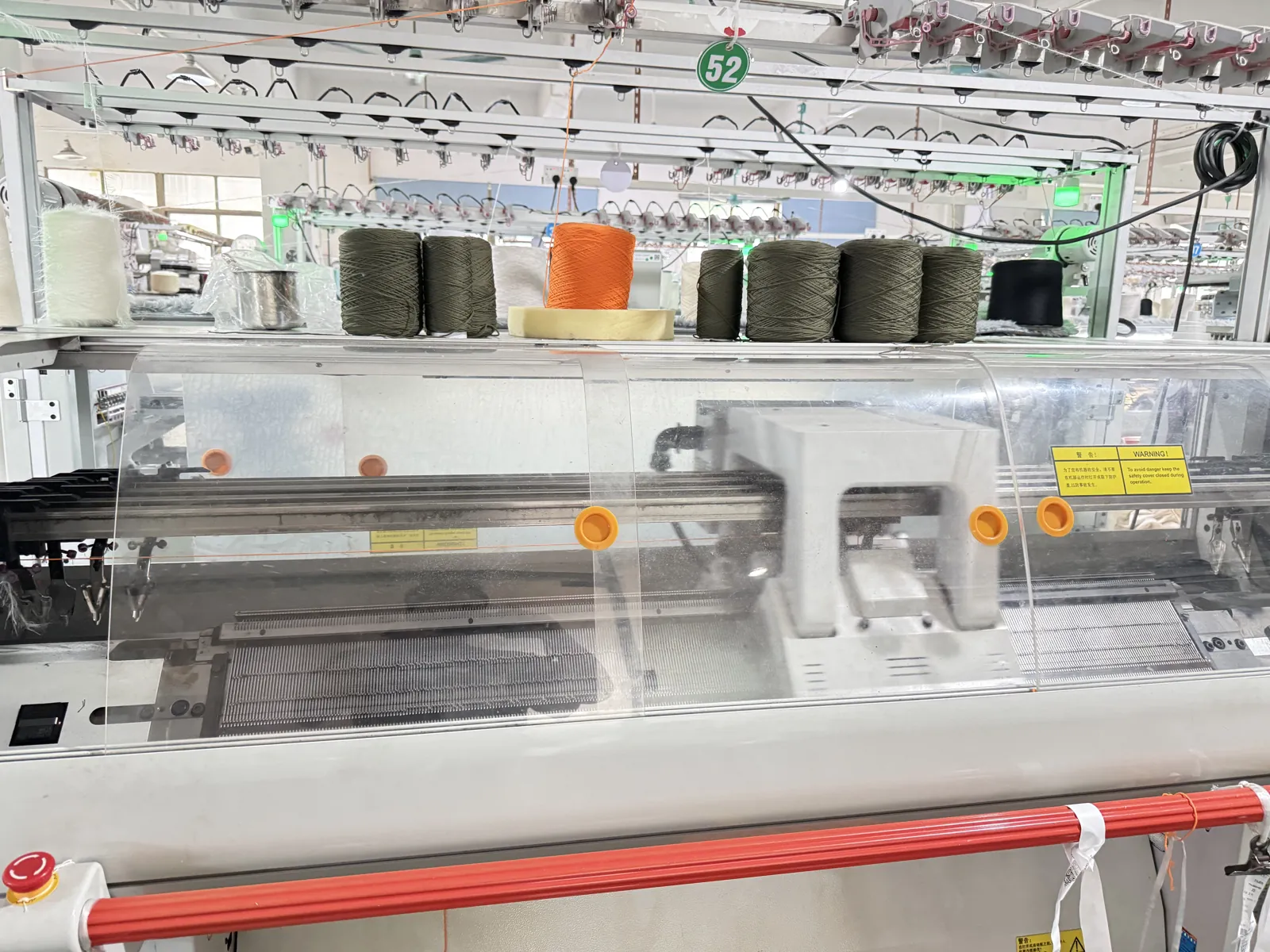
Stage 2: Inline Inspection
Defects are addressed while garments are being made, not after.
Panel Check
Random measurement checks against approved pattern block.
Linking Check
Seam elasticity and neckline balance checks.
Light-Box
Inspection for dropped stitches, holes, or defects.
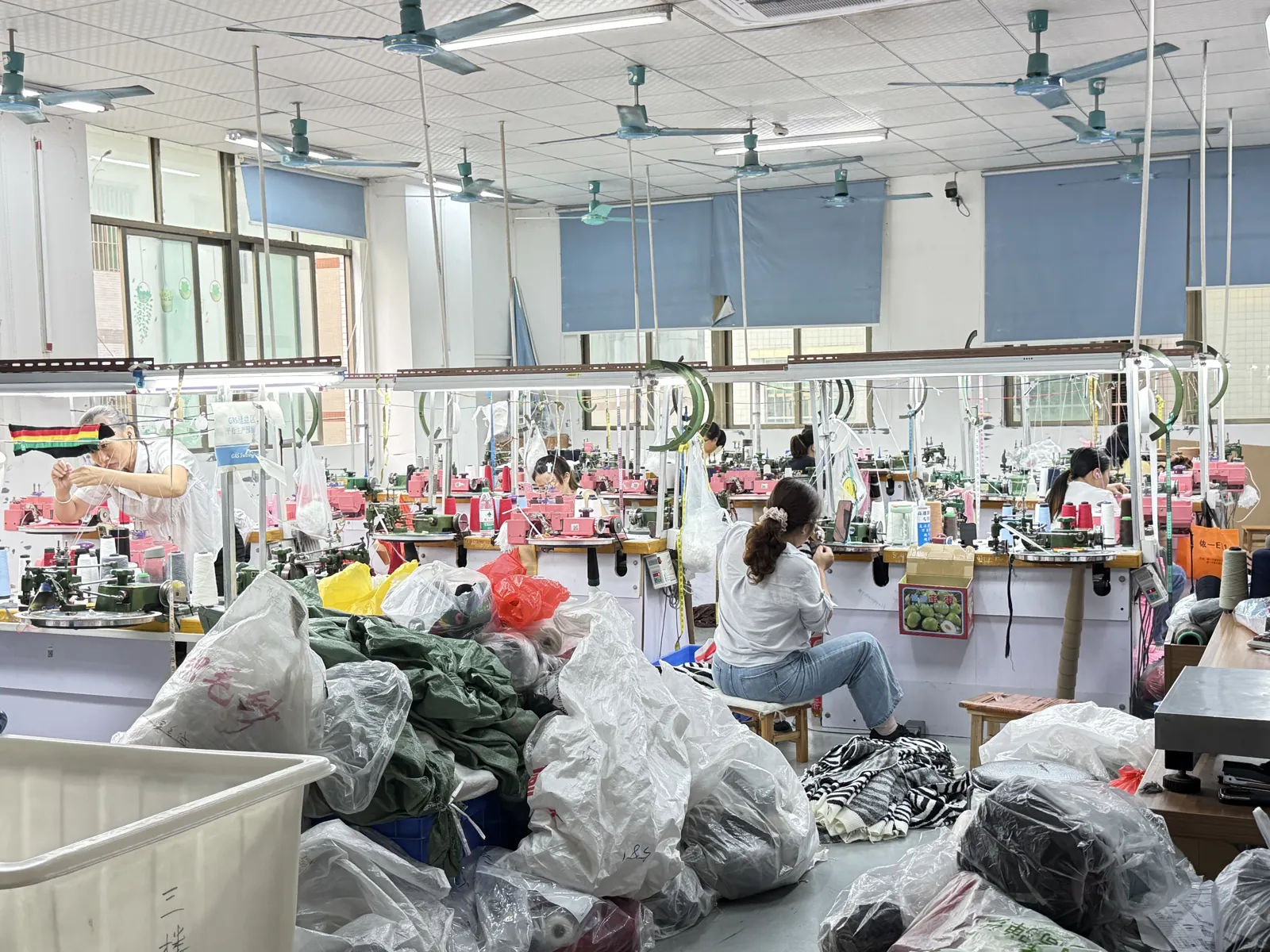
Stage 3: Finishing & Hand Mending
This stage defines the final hand-feel and perceived quality.
- Manual correction of loose ends & knots
- Controlled washing & steaming parameters
- Re-measure against size chart
Measurement & Dimensional Stability
Knitwear behaves differently from woven garments. Measurements are evaluated with elasticity and recovery in mind.
Size tolerances are defined based on gauge, yarn type, and structure, ensuring realistic and consistent evaluation.
Stage 4: Final Audit & Safety Check
Before shipment, every garment passes the final quality gate.
100% Visual Inspection
Checking for stains, holes, and symmetry.
Safety Compliance
Needle and metal detection before packing.
Transparency & Third-Party Support
We support coordination with recognized testing laboratories and provide measurement reports.
* Common tests: Dimensional stability, Pilling resistance, Color fastness, Fiber composition.
Why Our Quality System Works
Independent
QC separated from production.
Prevention
Risks addressed early.
Consistency
Standards consistently applied.
Repeatability
Results repeatable across orders.
What You Receive From Each Inspection
Quality control is only useful to a buyer if the result is visible before the goods leave the factory. On every bulk order we can share the inspection record so problems are discussed while they can still be fixed.
- Measurement sheet for the inspected sizes, compared against the approved sample and your tolerance table.
- Photos of the inspected pieces, including any defect found and the correction taken.
- Defect summary by type, so recurring issues can be traced back to a knitting, linking or finishing step.
- Packing check: labels, hangtags, polybag marking and carton contents against the packing list.
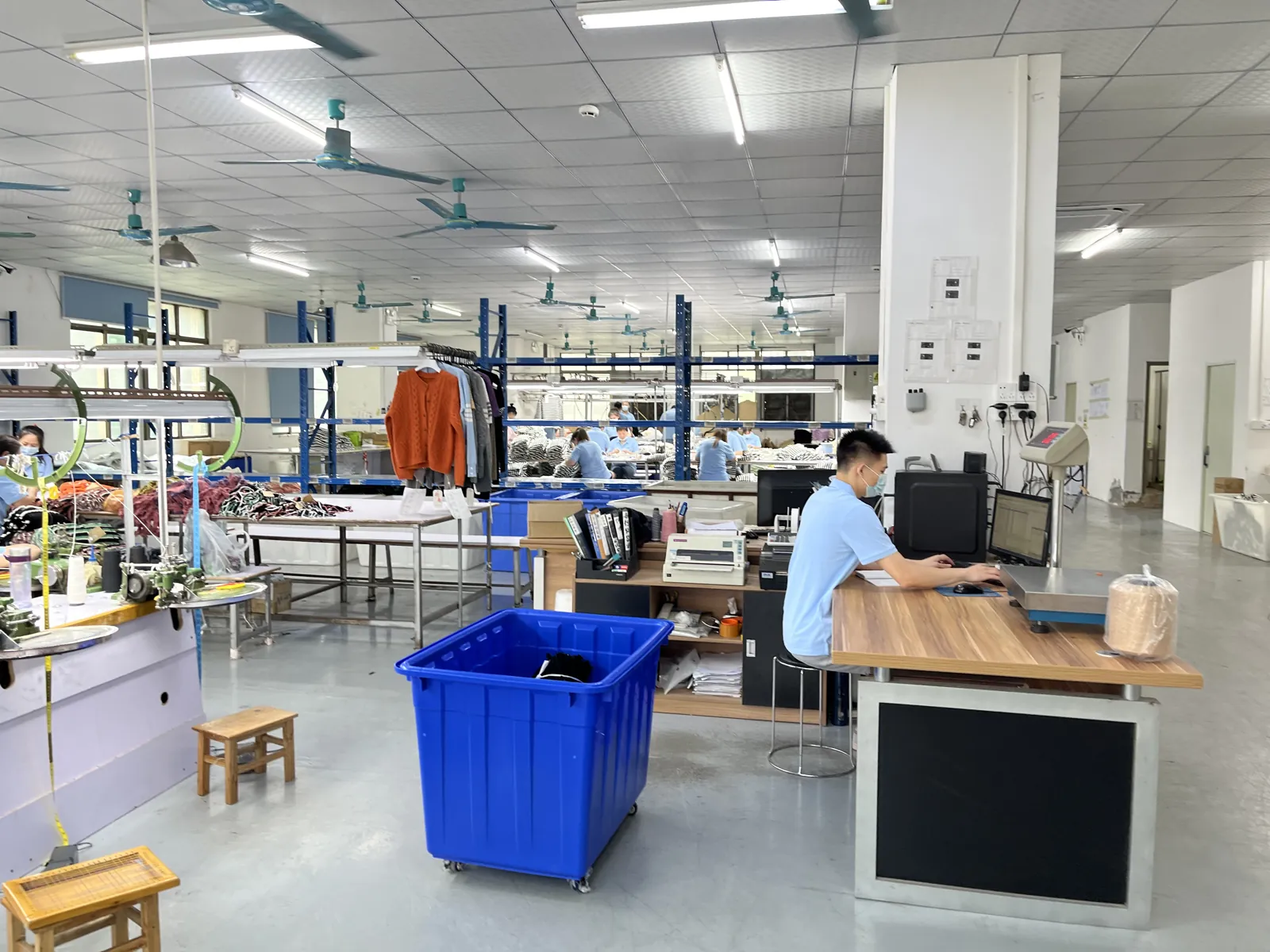
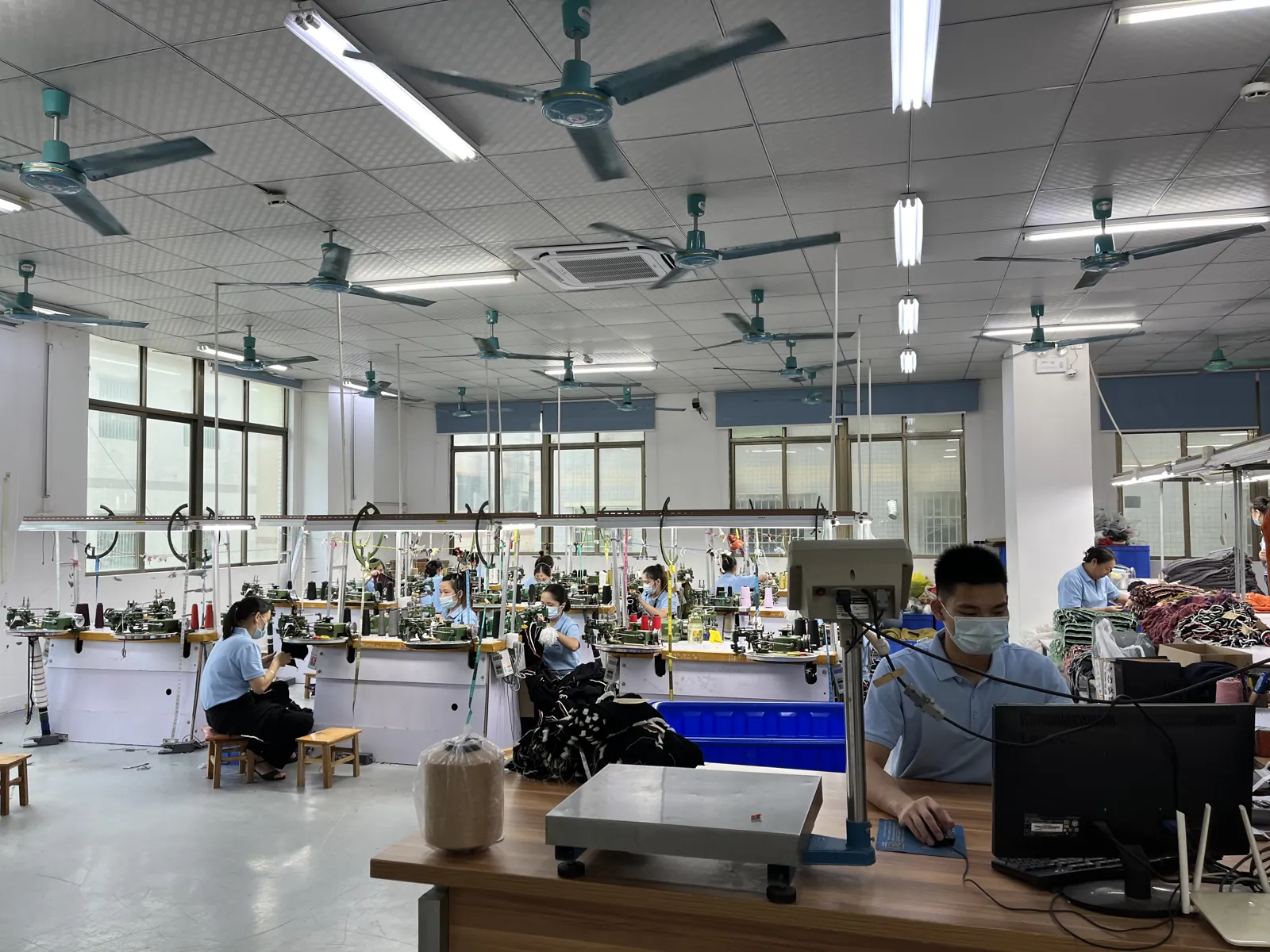
The Defects We Look for in Knitwear
Knitwear fails differently from woven garments. Most complaints trace back to a small number of recurring problems, so inspection focuses on these rather than a generic visual pass.
Knitting stage
- Yarn shade variation between lots or between panels of the same garment.
- Dropped or tight stitches, broken needles and uneven tension across a panel.
- Panel measurements drifting during a long production run.
Linking and make-up
- Seam grin, twisted side seams and uneven shoulder length.
- Placket length differences and button spacing on cardigans.
- Zipper waviness, hood balance and pocket position on zip styles.
Finishing and packing
- Measurement change after washing and pressing, checked in the conditioned state.
- Pilling, loose ends, oil marks and trim damage.
- Wrong care label, missing size sticker, or mixed sizes inside a carton.
Tolerances, AQL and Third-Party Inspection
The inspection standard is agreed with you before bulk starts rather than assumed. That means the measurement tolerance table from your tech pack, the AQL sampling level you work to, and which points count as major or minor for your market.
If you use an external inspection company, or your customer requires one, we schedule the inspection date into the production plan and make the goods, records and measurement tools available. Test reports we already hold — including fibre composition and azo dye reports — are listed on the certifications and compliance page.
Timing matters as much as the standard: inspection dates are planned against the shipment date, so leave room for rework. See MOQ and lead time for how sampling and bulk windows are scheduled, and manufacturing capability for the equipment behind these checks.
Request Quality Review
Send us your tech pack, quality requirements, or sample reference. Our team will review feasibility and align inspection criteria before production begins.