 CN Sweaters
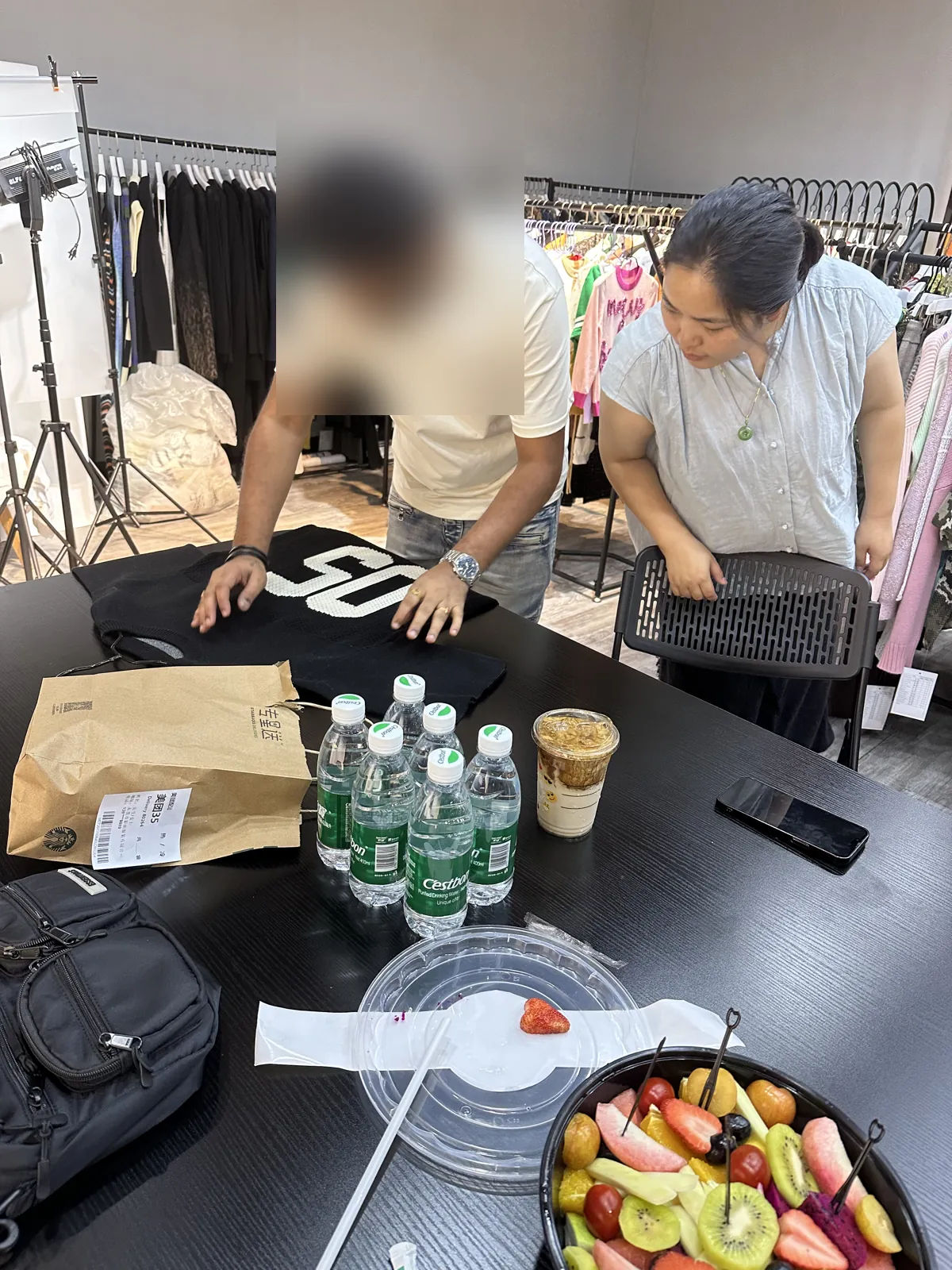
Miscommunication in sample feedback is rarely caused by a lack of effort. It happens because creative vision and technical execution speak different languages. From a factory perspective, the fastest way to reduce wasted sampling rounds is to convert every subjective critique into measurable data the production team can act on directly. When buyers send feedback like “softer hand feel” or “a bit more drape,” we have to guess at yarn twist, needle gauge, tension settings, and finishing chemistry, and guessing always extends lead times.
The cost of poor sample feedback is concrete. Each extra revision typically adds 10 to 21 days to your timeline, occupies a machine slot that could be running another buyer’s program, and can push your bulk production into a less favorable booking window. For brands chasing seasonal windows, two unnecessary sample rounds can mean missing an entire launch. Buyers also need to understand what they should be deciding at each stage: fit, color, stitch architecture, trims, and finishing all carry different revision costs, and treating them as equal slows the entire sample development cycle. This article walks through how a professional sweater factory reads your feedback, where ambiguity creates the most damage, and what changes you can make to your communication workflow to ship cleaner first protos and reach Pre-Production Sample sign-off faster.
How Should Buyers Turn Sample Feedback Into Technical Data?
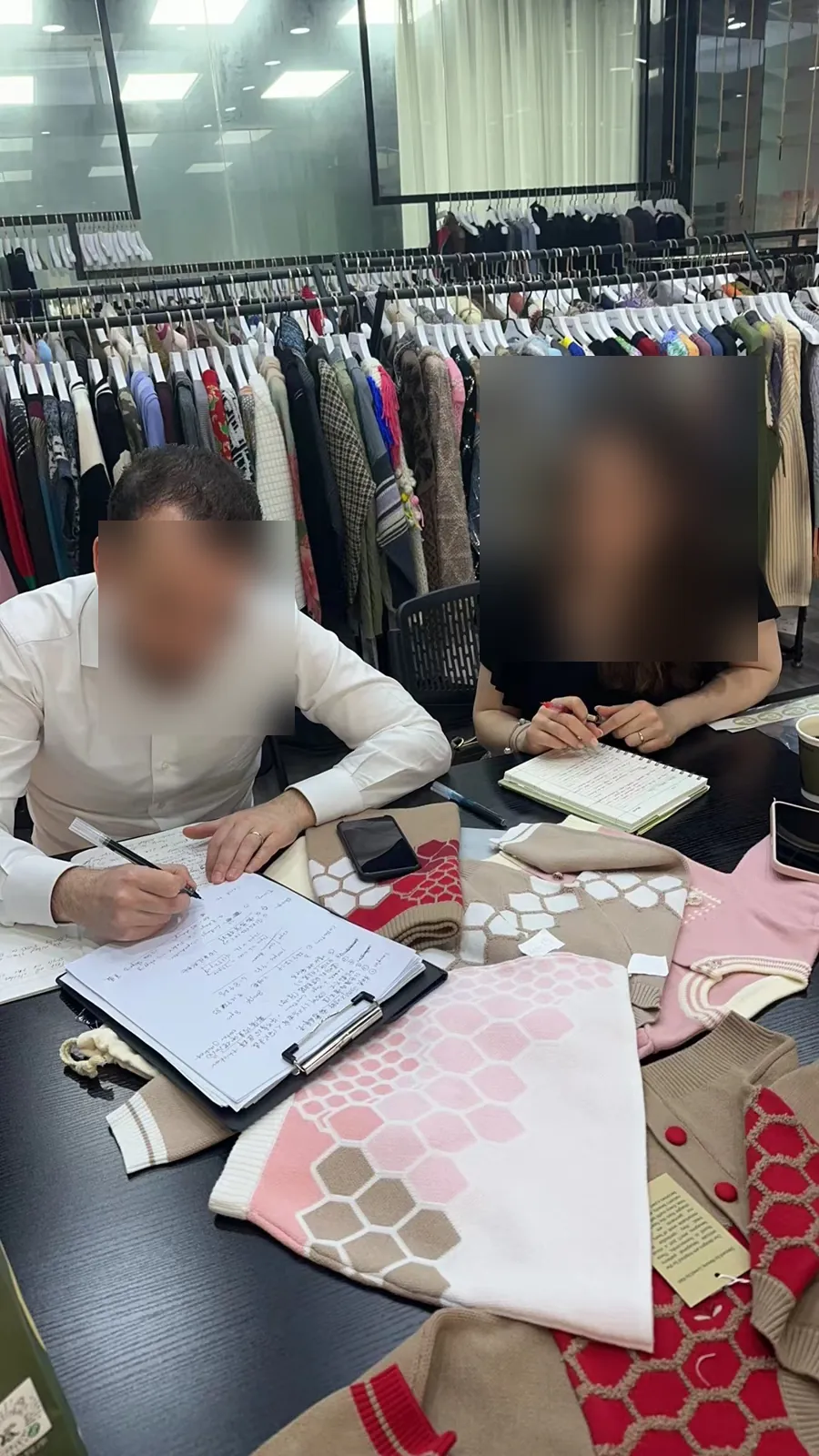
The shortest path from “it looks wrong” to a corrected sample is decomposition. Vague critiques cannot be programmed into a knitting machine. From a factory perspective, every comment must eventually be reduced to a number, a coordinate, a Pantone code, or a stitch instruction. If your sample feedback does not include at least one of these, our technicians will either guess or wait for clarification, and both outcomes cost time. The fix is straightforward: before sending comments, separate what you see into silhouette issues, stitch issues, color issues, and finishing issues, then address each with the appropriate technical unit.
Why Annotated Photos Improve Sample Feedback
A single high-resolution photo with digital markups carries more information than three paragraphs of description. If a shoulder slope is too steep, draw the corrected line on top of the photo. If a neck drop needs to be lower, write the exact centimeter change directly on the image. We recommend shooting the sample on a fit model rather than flat-lay, because gravity reveals how the knit behaves under its own weight. Flat photos hide drape problems that only appear when the garment is worn.
Physical reference garments anchor subjective comments
When you cannot describe a texture or weight precisely, send a physical reference. Even a garment from a different brand or category gives our technicians something to measure. We can analyze the gauge, yarn count, and finishing of a reference piece and match it more accurately than chasing adjectives. Sharing reference garments is a standard part of professional Sampling & Product Development and consistently reduces the number of revision rounds.
Use technical vocabulary where possible
Replace “too heavy” with “GSM is above target.” Replace “too loose” with “tighten stitch tension.” Replace “rough” with “consider a silicone softener finish.” Using terminology from the broader apparel manufacturing process signals that your team understands knit mechanics, which encourages our pattern makers to engage at a more technical level rather than defaulting to safer interpretations.
What Measurement Tolerances Should Sample Feedback Cover?
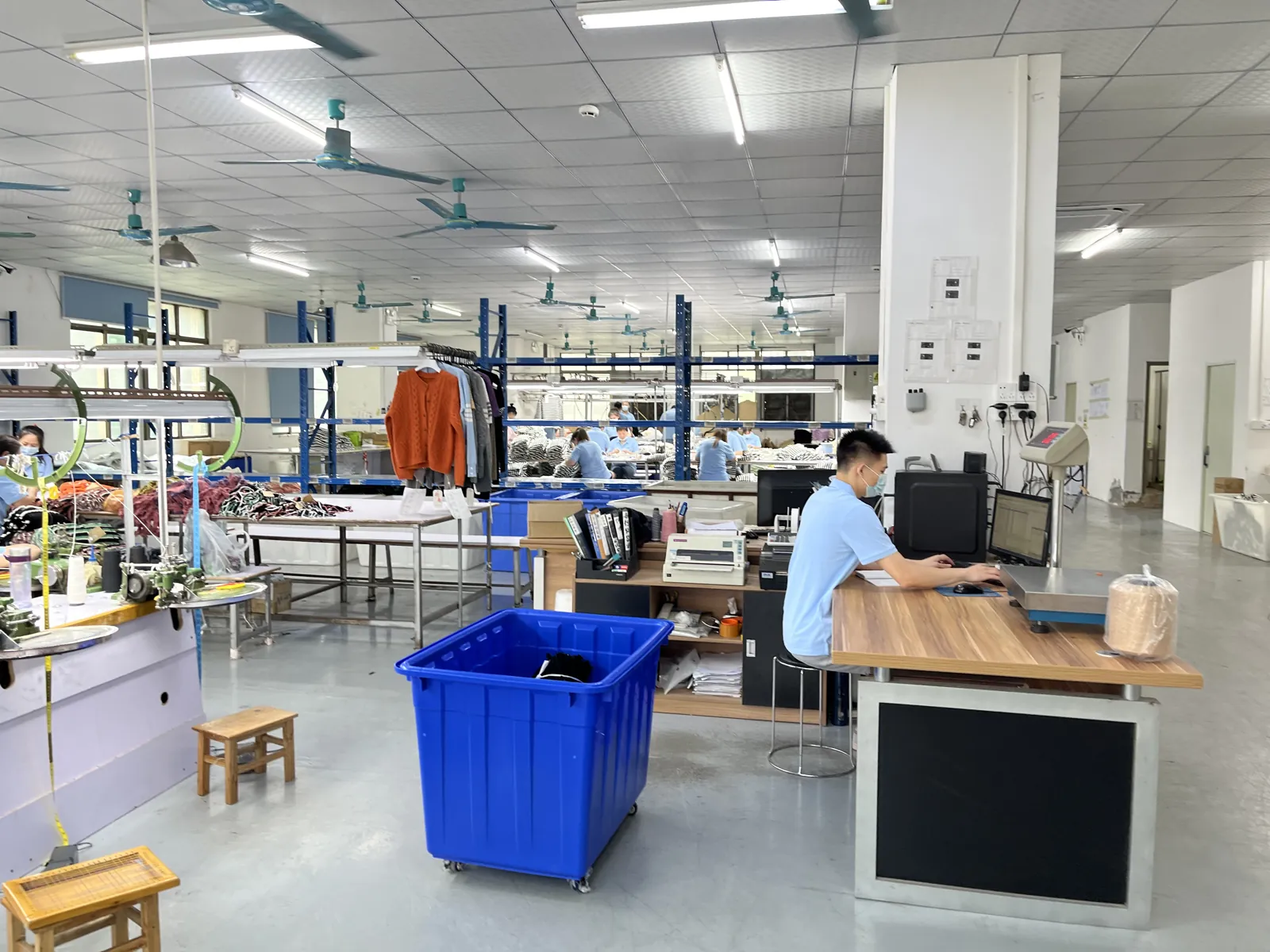
Knit garments are grown on machines rather than cut from stable fabric, which means dimensions are influenced by yarn elasticity, humidity, steaming pressure, and machine tension. A realistic tolerance for most knitwear sampling is 1cm to 1.5cm on major points of measure. Buyers who chase 0.3cm deviations are chasing a moving target that will shift again after washing and pressing. Effective feedback focuses on the points of measure that materially affect fit and silhouette, not minor variations that fall inside the tolerance band.
Prioritize the points of measure that matter
Chest width, armhole depth, total length, sleeve length, and neck opening are the dimensions buyers should scrutinize first. These drive customer fit experience and return rates. Rib heights, cuff widths, and placket lengths can be reviewed later in the cycle. When you triage your sample feedback this way, our pattern team can lock down the critical fit envelope in the proto stage and reserve the Pre-Production Sample for fine-tuning. Mixing critical and cosmetic comments in the same round often results in delays because we have to coordinate multiple departments simultaneously.
Understand the role of blocking
A sweater leaves the knitting machine under tension and only reaches its final dimensions after steaming and blocking. If a first proto feels small, confirm with the factory whether it was fully blocked before requesting a pattern change. We have seen many cases where buyers requested a 2cm body width increase, but the sample simply had not completed its finishing cycle. Pattern changes are expensive in machine time, so verifying the finishing state first protects your timeline. Fiber behavior during blocking varies significantly, and our Yarn & Material Guide explains how cotton, wool, acrylic, and blends respond differently to steam and pressure.
Consider grading implications early
Feedback on a sample size Medium ripples across the entire size range. If you shorten the body by 4cm on Medium, the proportional reduction on XS may make pocket placement impractical, and the addition on XXL may distort the silhouette. Request a grade table from the pattern maker before approving major measurement changes, because reworking grading after PPS approval can add a full week to your production timeline. This trade-off between fit perfection and schedule is one buyers should weigh consciously.
Why Stitch and Gauge Clarity Matter in Sample Feedback
Gauge defines what a machine can and cannot produce. Asking for a 12GG fine-gauge appearance using a chunky 3-ply yarn is physically impossible, and asking for a heavy chunky look on a 14GG machine produces a flat, lifeless fabric. The most efficient sweater sample programs lock gauge and yarn ply early, then iterate on stitch architecture within those constraints. Buyers who change gauge mid-cycle effectively restart the development process, because patterns, tension settings, and finishing all depend on gauge selection.
Every stitch adjustment has downstream effects
Tightening tension to reduce transparency makes the garment smaller and heavier, which then forces a pattern adjustment to recover dimensions. Adding a backing stitch to support a cable increases yarn consumption by 8 to 15 percent depending on construction, which affects costing. According to guidance on designing knit textiles, loop geometry directly controls stretch, recovery, and pilling behavior. When you submit tech pack comments on stitch, name the type of distortion you see, whether it is grinning, collapsing, biasing, or curling, so we can target the correction precisely.
Match complexity to your cost and MOQ targets
Pointelle, intarsia, and complex jacquards require significantly more machine time and programming hours than basic jersey or rib structures. A heavy intarsia panel can take three to four times longer to knit than a plain body. If your feedback pushes complexity upward, expect impacts on unit cost and possibly on MOQ, because some intricate programs are only economical above a certain quantity threshold. Where appropriate, we suggest simulated textures that deliver similar visual results with lower production overhead, which is a common conversation in our OEM/ODM Services consultations.
Lock the swatch before the proto
Approving a knitted swatch in the intended yarn and gauge before the proto is built saves an entire revision round. The swatch confirms hand feel, density, and visual character. Once approved, the proto becomes a dimensional and silhouette exercise rather than a material discovery exercise. Buyers who skip the swatch step often end up rejecting an entire proto over fabric character rather than fit.
How to Use Sample Feedback for Yarn Substitution and Color Matching Risks
Yarn is the largest cost component in a sweater, and yarn decisions drive most of the schedule risk in sample development. First protos are often built with house yarn or stock substitutes to keep the cycle moving, but feedback given on a substitute sample can mislead the program if buyers forget which characteristics belong to the substitute and which will carry into production yarn. Clarifying yarn status at every stage prevents wasted revisions.
Distinguish fit samples from salesman samples
A fit sample exists to validate dimensions and silhouette. A salesman sample is built in the actual production yarn and color and is the basis for marketing imagery and sales meetings. Color comments on a fit sample built from substitute yarn are not actionable, because lab dips for the final yarn have not been produced yet. We typically supply yarn swatches or lab dips separately for color approval, and we recommend buyers approve color on those references rather than on the substitute proto.
Fiber composition controls drape and recovery
Switching from 100% cotton to a cotton-acrylic blend changes weight, recovery, and drape, even at identical gauge and pattern. Acrylic recovers faster but holds less structure. Wool drapes heavier than cotton at the same yarn count. Changing composition mid-cycle resets the pattern work, because shrinkage rates and dimensional behavior differ across fibers. Buyers should finalize fiber composition during the development phase and treat it as fixed once sampling begins.
Validate performance with third-party testing
Pilling, colorfastness, and shrinkage failures discovered after bulk production are expensive to remediate. We recommend incorporating apparel testing into the PPS stage for any program above a few hundred units, particularly for fiber blends with limited production history. When wear-testing reveals problems, include specifics in your feedback: “noticeable pilling on the underarm after four hours of wear” is actionable, while “the yarn isn’t durable” is not. From a factory perspective, specific failure descriptions let us adjust twist, ply, or finishing chemistry rather than reformulating the entire yarn package.
Managing Sample Feedback for Trims, Labels, and Finishing
Trims, hardware, and labels are where many otherwise clean knitwear sampling programs break down. Knit fabric is flexible while most trims are rigid, and the interface between the two creates puckering, distortion, and stress concentration. Buyers often treat trims as an afterthought in sample feedback, but trim decisions deserve the same technical specificity as stitch and color comments.
Match hardware weight to fabric weight
Heavy metal zippers on lightweight fine-gauge cardigans produce wave and pucker because the knit cannot support the hardware. In your tech pack, specify the weight class and material of zippers, buttons, and snaps. For fine knits we typically recommend nylon coil or plastic molded zippers rather than metal teeth, and we often add a fusible stabilizer tape along the placket to keep the front clean. If you receive a sample with a wavy zipper, the corrective feedback should name the hardware change, not just describe the symptom.
Stabilize buttonholes and eyelets
Knit buttonholes stretch over time, and unstable buttonholes are a common return driver. If buttons release on their own, the fix is usually a reinforcement stabilizer or a tighter buttonhole stitch profile. If buttons are hard to push through, the eyelet size in the knitting program needs adjustment. Always include button ligne size in the tech pack so the machine is programmed correctly the first time. Late button substitutions almost always trigger another sample round.
Choose label construction with care
Stiff woven labels can ghost through fine-gauge backs and irritate the neckline. Heat-transfer labels work well for soft, fine knits but can crack on heavily textured surfaces. Satin-weave labels balance comfort and durability for most mid-gauge sweaters. When commenting on labels, separate placement, attachment method, and material into distinct points. Buyers who write “the label is bad” force us to guess which dimension to fix, while buyers who write “move the label 1cm lower and switch to satin weave” get a usable answer in the next sample.
How to Standardize Sample Feedback and Reduce Delays
Each round of sweater sample revision typically adds 10 to 21 days to your timeline. Sample miscommunication therefore directly attacks your production booking window, and brands that consistently hit their delivery dates treat sample feedback as a logistics function, not a creative exercise. A standardized feedback workflow protects your factory slot and your launch calendar.
Consolidate Sample Feedback Into a Single Document
Sending three separate emails over five days for one sample forces us to manage version control on your behalf and increases the chance that an instruction is missed. Instead, produce one comprehensive Sample Evaluation Report per sample, organized by category: fit, color, stitch, trims, and finishing. This lets our pattern, dyeing, knitting, and trim teams work in parallel from a single source of truth. Most efficient programs reach PPS sign-off in two samples, a proto and a PPS, with size set runs reserved only for size range confirmation.
The table below illustrates how restructuring the same feedback dramatically changes what the factory can do with it.
| Category | Vague Feedback | Factory-Executable Feedback | Factory Action |
|---|---|---|---|
| Sizing | Sleeves are way too long. | Shorten sleeve length 3cm from cuff edge, keep cuff height unchanged. | Pattern update in CAD, no yarn change. |
| Stitch | The knit looks thin. | Move from 1-ply to 2-ply yarn, tighten tension by half a step. | Recalculate GSM, adjust pattern for new density. |
| Color | The blue is off. | Match Pantone 19-4052 TCX, request new lab dip. | Send lab dip within 5 to 7 days. |
| Hand Feel | Make it feel more premium. | Apply silicone softener or switch to 17.5-micron merino. | Finishing change or yarn upgrade with cost impact. |
| Hardware | The zipper is wavy. | Switch to #3 nylon coil zipper, add fusible stay tape on placket. | Replace trim and adjust assembly method. |
The right-hand columns produce a finished revision in a single round, while the left-hand column typically requires a clarification email before any work can begin.
Use Sample Feedback Windows to Protect the Production Slot
Knitting machines are scheduled weeks in advance. A two-day delay in your feedback can push your bulk production by a full week because the slot is reassigned to another buyer. We suggest a 48-hour internal feedback rule: once a sample arrives, complete review and consolidated comments within two business days. Buyers who follow this rhythm consistently book earlier bulk slots and absorb fewer surprise delays.
Conclusion
Reducing miscommunication in your sweater sample process is the single highest-leverage change most brands can make to compress lead times and improve first-pass quality. The principles are not complicated: decompose visual problems into measurable variables, separate fit samples from salesman samples, lock yarn and gauge before iterating on stitch detail, treat trims with the same rigor as fabric, and consolidate feedback into one structured document per sample round. From a factory perspective, the buyers we work with most efficiently are not the ones with the most polished tech packs, but the ones who treat the sample feedback loop as a disciplined operational workflow.
When you are ready to start your next program, share your tech pack, target quantity, fabric choice, decoration method, branding requirements, and target delivery date with our knitwear development team. Sending complete information upfront lets us return a realistic timeline, MOQ, and costing in one response rather than three. Use a structured sample feedback sheet on your next revision and you will see the difference in your very next proto.
FAQ
What is your standard MOQ for new sweater development programs?
Our typical MOQ starts at 300 pieces per style per color, with adjustments based on yarn availability and construction complexity. Premium yarn programs such as cashmere or specialty blends sometimes allow lower MOQs, while heavily customized jacquards or intarsias may require higher quantities to be economical.
How long does a typical sweater sample take from tech pack to delivery?
A first proto generally takes 10 to 14 days when yarn is in stock. If we need to custom dye yarn for the sample, lead time extends to 21 to 25 days. Air shipping the sample adds another 3 to 5 days. Complex constructions or multi-component programs can extend these ranges.
What file formats do you need for tech packs and artwork?
We prefer high-resolution PDFs alongside editable Adobe Illustrator files. For intarsia, jacquard, and logo work, vector files are essential so the knitting programs can interpret edges and color separations accurately. Include points of measure, yarn specifications, trim details, and branding placement in the tech pack.
Can you develop a sample from a physical garment without a tech pack?
Yes, we offer reverse-engineering services. Our technicians measure, analyze gauge and yarn composition, and create a new tech pack and sample based on your reference garment. This typically adds 5 to 7 days to the proto timeline compared with starting from a complete tech pack.
What are typical sample costs and how is shipping handled?
Sample unit costs generally run 2 to 3 times the projected bulk unit price to cover programming, machine setup, and small-batch yarn. Sample fees are commonly credited toward bulk production. Shipping is by international courier, usually 3 to 5 working days, with charges billed to the buyer’s account or prepaid.