 CN Sweaters
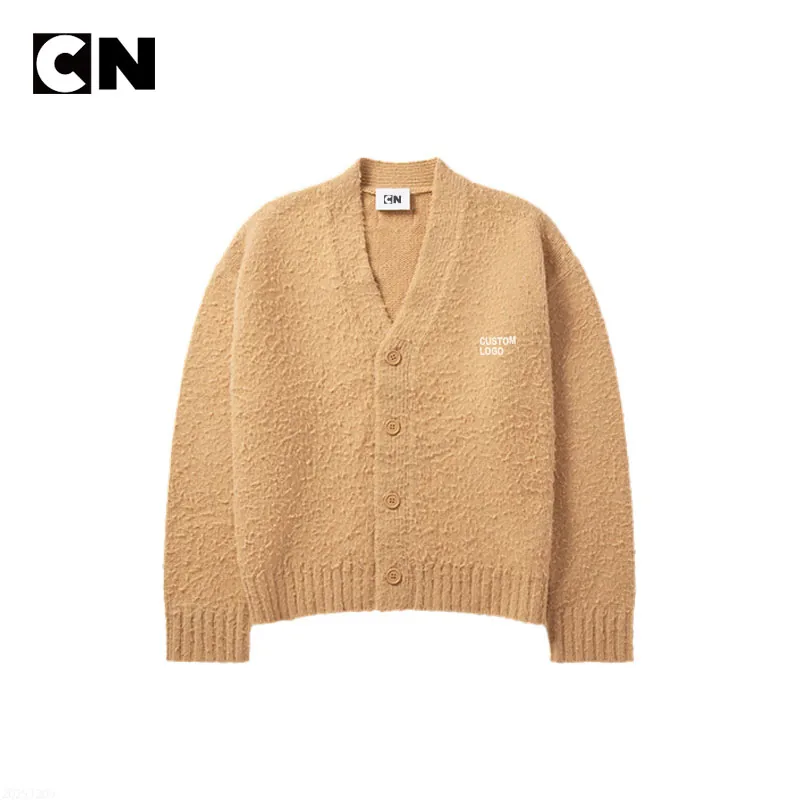
A cable-knit cardigan should be released only after the buyer can compare the approved yarn, swatch, measurements, finishing path, and care result against one dated specification. Cable crossings alter yarn consumption, weight distribution, and relaxation behaviour, so a quotation alone cannot establish whether a bulk result will match the intended product.
Start with the construction, target weight range, measurement points, fibre and care direction, closure details, and sample decision record. Ask the supplier to name what is fixed, what is an estimate, and what must be verified on a swatch or pre-production sample. This guide gives a control path, not a promise of a universal price, tolerance, MOQ, lead time, or test outcome.
Which Cable Knit Cardigan Variables Change the Cost Basis?
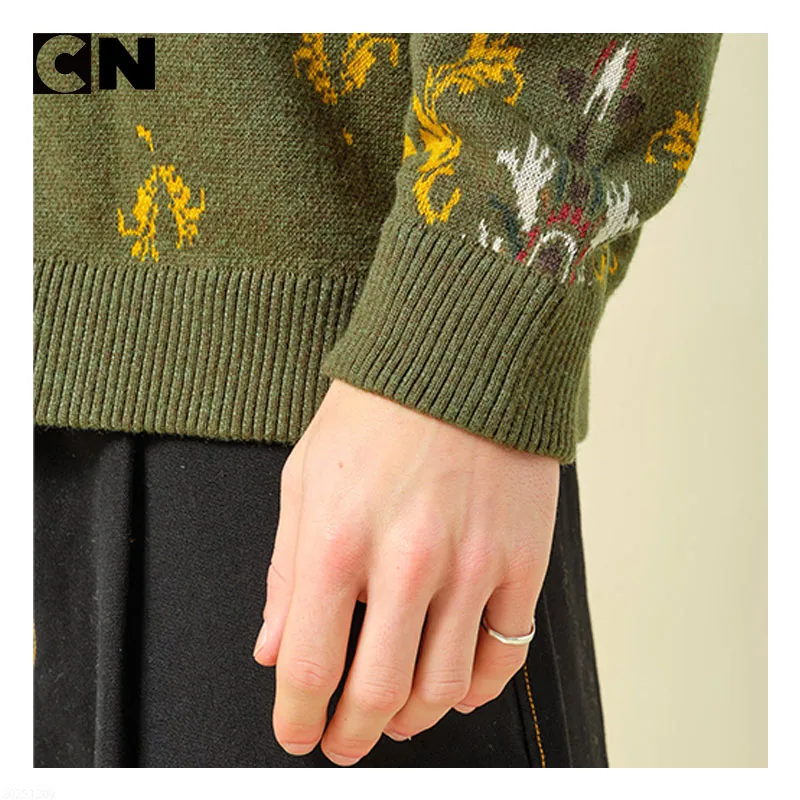
Cable construction can change yarn use, programme time, sampling work, linking, and finishing. The price effect is specific to the yarn, gauge, pattern repeat, garment dimensions, machine plan, and quality gate. Request a quote that separates those assumptions so a buyer can judge what would change if the construction or target weight changes.
Which sample records explain yarn and weight use?
Cable crossings change the yarn path and can alter garment weight. Confirm the target range against the proposed yarn, repeat, gauge, dimensions and finishing path on the actual sample.
Which construction details require a supplier decision?
Cable crossings can change programme time and sampling dependencies. Ask the supplier to identify the construction detail that changes the machine plan and to reflect it in the dated sample path.
Which measurements must stay comparable across the cable pattern?
Cable patterns introduce dimensional instability that does not exist in jersey or simple rib programs. The crossed stitches create internal tension that pulls the fabric narrower and thicker, which means measurement specs behave differently before and after washing. Buyers who use jersey tolerances on cable programs almost always reject the first bulk lot. To make the cost and risk picture concrete, the table below compares standard jersey against a typical complex cable knit at mid to chunky gauge.
| Metric | Standard Jersey Cardigan | Complex Cable Knit Cardigan |
|---|---|---|
| Yarn Usage per Garment | Baseline (100%) | 120–140% of baseline |
| Typical Machine Gauge | 7GG–12GG | 3GG–7GG |
| Machine Time per Panel | 15–20 minutes | 30–45 minutes |
| Length Shrinkage Risk | ±3% after wash | ±5% after wash, occasionally higher |
| Width Pull-In | Minimal | 4–8% narrower than flat layout |
| Weight Variance Between Pieces | ±15–25 grams | ±30–60 grams |
| Programming Time | 2–4 hours | 1–3 days for complex Aran repeats |
| Unit Cost Index | 1.0× | 1.5×–2.2× |
| Sampling Iterations to Approval | 1–2 rounds | 2–4 rounds typical |
The table makes the trade-off clear. Cable cardigans demand wider tolerance bands and more sampling rounds, and the procurement team needs to budget both money and calendar time accordingly. A buyer who insists on jersey-level tolerances on a chunky cable program will either pay a premium for over-engineering or face higher AQL rejections during inspection.
Where can weight and dimension drift begin?
Weight inconsistency in cable cardigans is rarely a single problem. It usually combines three factors: yarn cone variation, take-up roller tension drift across long production runs, and operator differences in panel finishing. Even with calibrated machines, a chunky 5GG cable cardigan in 100% wool can swing 50 grams piece to piece, and the heavier the garment, the more visible the variance feels on the rack.
Which yarn and gauge inputs need approval for a cable knit cardigan?
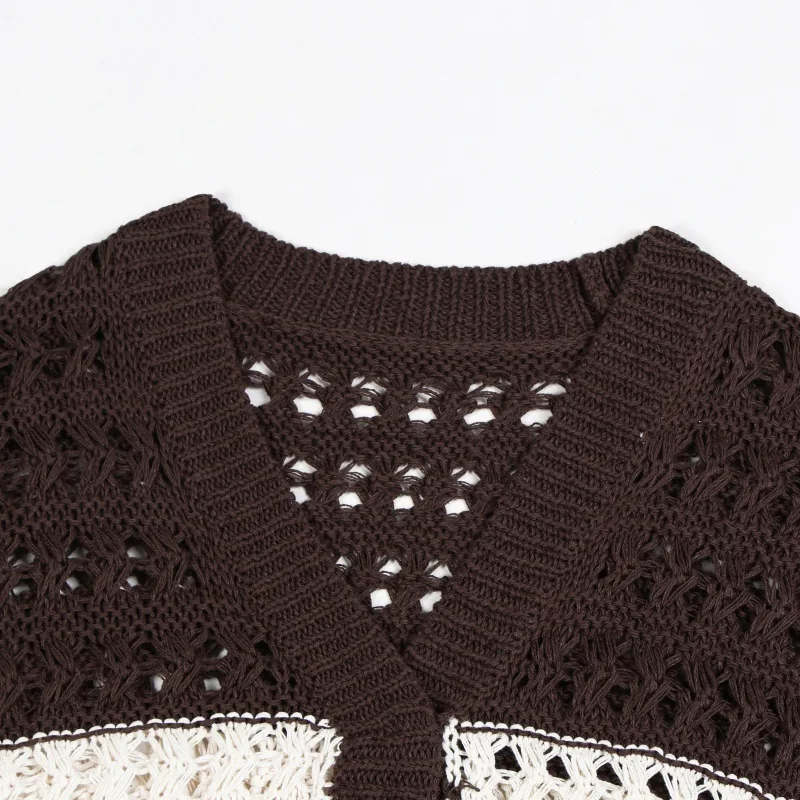
Yarn choice is the single biggest lever for cable cardigan quality. From the factory floor, we treat yarn selection as a three-way negotiation between visual definition, hand feel, and dimensional behavior. Get any one of these wrong and the cable pattern either disappears into the fabric or distorts the garment shape.
How should fibre choice be tested for the intended care path?
Fibre choice must be approved against the intended cable definition, handfeel, durability and care direction. Retain the exact yarn specification and sample result rather than selecting a blend from a general description.
Which yarn characteristics belong in the specification?
Yarn count, ply and twist belong in the approved material specification. If an alternative is proposed, the buyer should decide whether it requires a new swatch, sample, care review or commercial approval.
How should buyers read yarn availability and MOQ conditions?
Yarn availability and MOQ must be quoted with the relevant yarn, colour, quantity and timing conditions. Record the cost and approval consequences of every material alternative before releasing bulk.
Which sample failures should hold approval?
Most cable knit cardigan samples fail on the first round, and this is normal. From a factory perspective, we plan for two to three sampling iterations before sealing a sample. Buyers who expect first-pass approval on this category usually misread the development calendar. The failures cluster around a few predictable issues.
How should the buyer record distortion and panel balance?
Panel balance should be checked against the approved sample and POM record. A buyer should hold approval when paired fronts, cable alignment, or key measurements cannot be compared on the same basis.
How should the buyer manage weight outside the target?
Samples often come back 10–20% heavier than the tech pack target because the cable repeat consumed more yarn than the initial calculation. This forces either a reduction in cable density, a yarn count adjustment, or a re-negotiation of the target weight. Buyers who set rigid weight targets without consulting the factory on cable feasibility usually end up in this loop.
How should handfeel be checked after the specified care cycle for a cable knit cardigan?
A cable sample can feel perfect off the machine and then turn stiff or limp after the first wash. This is almost always a finishing issue, not a knitting issue. The yarn waxes used during knitting need to be fully removed, and the garment wash recipe needs to be calibrated for the specific fiber blend. We usually run two or three wash trials before locking the bulk finishing protocol.
Which closure details need an approved sample?
Cable cardigans put extra weight on the button bands. If the band is knit too loose, it stretches and the cardigan sags open. If it is knit too tight, it puckers and pulls the front cables out of alignment. The standard solution is a 1×1 or 2×2 rib band with reinforced linking, but the exact specification depends on garment weight and button size. Our cardigan production capabilities include several band constructions designed specifically for heavier cable bodies.
Which controls must appear in the bulk record?
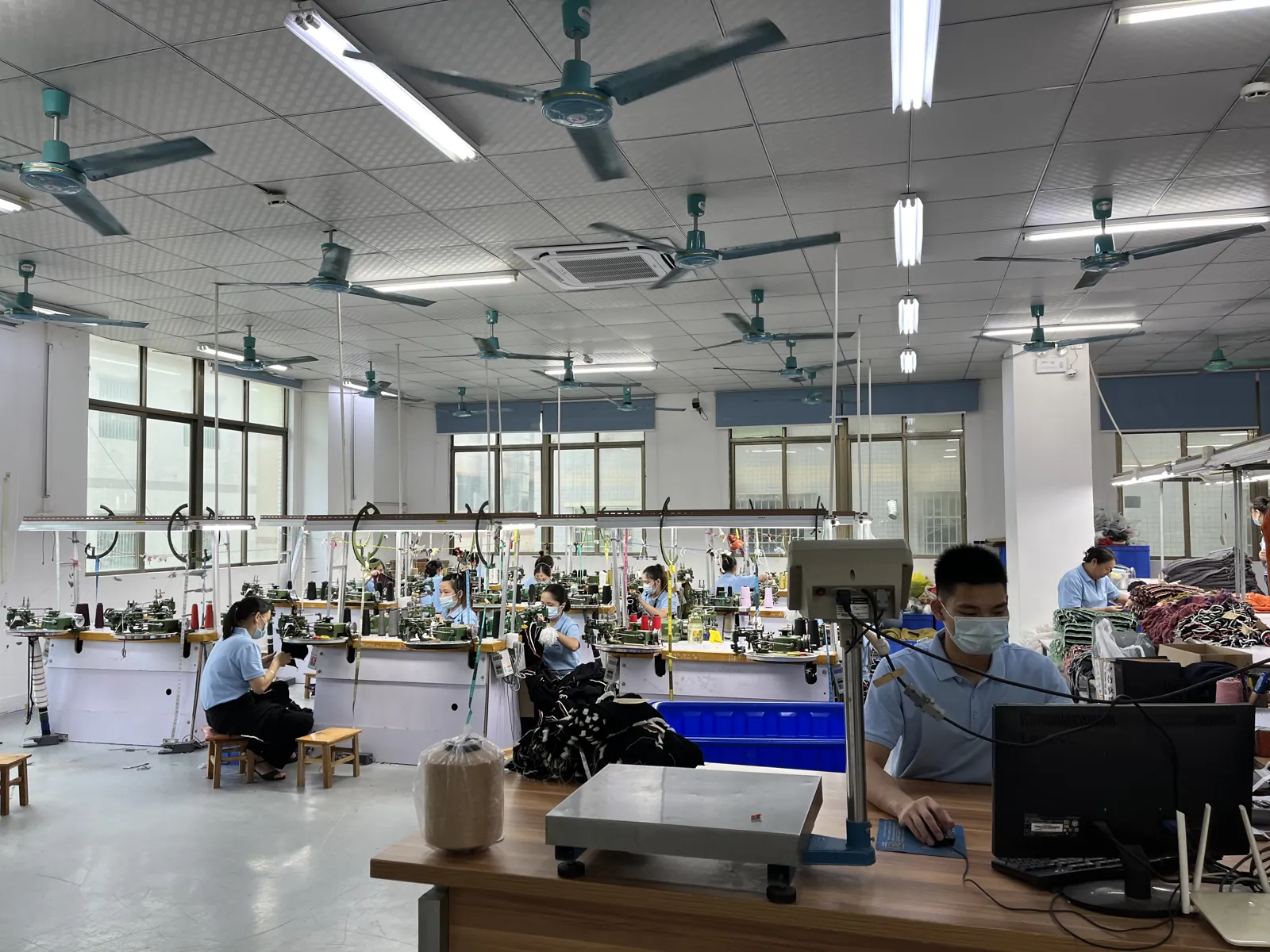
Quality control on cable cardigan programs is more involved than on standard knitwear. The combination of high garment weight, complex stitch structure, and visible pattern definition means defects are more obvious to the end consumer. We build QC checkpoints at four stages: yarn intake, panel knitting, linking and assembly, and final finishing.
Which material tests need scope and a decision owner?
Every yarn lot is checked for count consistency, twist direction, and shade match against the approved standard. For cable programs we also test a small knit-down to confirm the yarn produces the expected cable definition. This step catches yarn substitutions that suppliers occasionally make without notice, and it prevents bulk-stage surprises that would otherwise force a full re-knit.
Which in-process checks prevent late rework for a cable knit cardigan?
During knitting, operators check every fifth panel for cable alignment, stitch count, and weight. Panels outside the tolerance band are pulled before they reach linking. This is more aggressive than the inspection rate we use for jersey programs, but the cost of catching a defective panel at this stage is far lower than catching it after assembly.
When should a third-party method or lab be specified?
For brands targeting premium retail channels, third-party testing is usually required. The protocols offered through Intertek apparel testing services cover the standard knitwear panel: dimensional stability per AATCC 135 or ISO 6330, colorfastness per AATCC 61 or ISO 105-C06, pilling resistance, and seam strength per ASTM D1686. For chunky cable cardigans we target shrinkage within ±5% length and ±3% width, with pilling grades of 3.5 or higher after Martindale testing. These tolerances should be agreed in writing before bulk production starts.
How should final inspection be defined for a cable knit cardigan?
We use AQL 2.5 for major defects and 4.0 for minor defects on cable programs, with zero tolerance on critical defects such as broken cables or missing crossovers. Buyers should specify the AQL standard in the PO and confirm whether they will inspect in-house, send a third-party inspector, or rely on factory inspection reports. Each option carries a different risk profile and cost.
Which dependencies control the delivery path?
Lead times for cable cardigans run longer than standard knitwear, and trying to compress them rarely works without sacrificing quality. From the factory floor, a typical chunky cable cardigan program runs 75 to 95 days from PO confirmation to ex-works, assuming yarn is in stock and sampling is already approved. Custom-dyed yarn adds another 20 to 30 days. Buyers planning seasonal drops need to backward-plan from the in-store date with these realities in mind.
What should a dated production path identify?
Yarn procurement and dyeing typically take 20–30 days. Knitting on chunky gauge machines runs at a slower pace than fine-gauge production, so a 3,000-piece order on 3GG machines can occupy 25–35 days of machine time depending on capacity allocation. Linking, hand-finishing, washing, and pressing add another 15–20 days. Final inspection and packing usually take 5–7 days. Air or sea freight then layers on the international logistics window.
Which exceptions require an early escalation?
In our experience, the two biggest sources of delay are yarn availability and sample re-approvals. Yarn delays happen when a buyer specifies an unusual color or fiber blend that the spinner cannot deliver from stock. Sample re-approvals happen when the buyer changes the cable repeat, garment weight target, or fit specification after PT samples have been produced. Locking the technical specification before bulk yarn is ordered is the single most effective way to protect the lead time.
Which retained records make a refill comparable?
Cable cardigans are difficult to refill quickly. The combination of slow knitting speed and yarn lead time means a 30-day refill is rarely realistic. Brands planning to chase replenishment should either reserve yarn at the spinner ahead of the season or accept that refill quantities will arrive 8–12 weeks after the original PO closes. For procurement teams, this means initial buy quantities for cable programs should carry a higher safety margin than for jersey or fine-gauge styles.
Which Cable Knit Cardigan Finishing Decisions Change Handfeel?
Finishing is where a cable cardigan either lives up to its premium positioning or falls flat. The knitting stage builds the structure, but the wash, steam, and pressing protocols determine how the garment feels on the body. Buyers who skip finishing trials often end up with bulk garments that look correct in the dieline but feel wrong in the hand.
How should washing or softening be approved?
Most chunky cable cardigans go through a soft wash with conditioner to remove knitting wax and relax the stitch structure. The wash temperature, drum speed, and conditioner dosage all affect the final hand. A wash that is too aggressive can felt wool fibers and lose cable definition; a wash that is too gentle leaves the garment stiff and waxy. We typically run three trial washes during sampling to calibrate the bulk recipe.
Which blocking and pressing settings need a reference?
After washing, each cable knit cardigan is steamed and blocked to its finished measurements. Blocking pulls the panels back to the spec dimensions and sets the cable pattern at the correct angle. Skipping this step or rushing it is the most common cause of measurement failures at final inspection. For chunky cardigans, blocking can take 4–6 minutes per piece, which is a real labor cost that needs to be reflected in the FOB.
Which final handling details need sign-off for a cable knit cardigan?
Final pressing flattens any remaining wrinkles and sets the button bands. Loose yarn tails are trimmed by hand, which is more labor-intensive on cable garments because the crossover points create more potential tail locations. Packaging for cable cardigans should account for the extra garment thickness; using polybags sized for jersey cardigans usually leads to creasing and presentation problems at retail.
Which sources and records support the release decision?
Use CottonWorks knit basics for construction terminology, the Woolmark care guidance when the fibre and care direction are relevant, the ISO 2859-1 overview for an agreed acceptance-sampling framework, and Intertek apparel-testing information to define a third-party test request. None of these sources prove an order result; retain the dated sample, method, and report that apply to the programme.
Which published buyer guides can complete the file?
Pair this page with tech-pack essentials, manufacturer evaluation, MOQ controls, low-MOQ checks, OEM and ODM selection, supplier comparison, bulk consistency, zipper and fit controls, and sourcing-model comparison.
Conclusion
Release a cable-knit cardigan only when the approved yarn, construction, sample, care path, POM and inspection plan agree. If a change cannot be linked to a dated record and a buyer decision, hold the next production gate.
If you are evaluating a cable program for the next season and need a clear development path, share your tech pack, target weight, fiber preference, color count, quantity per color, and target ex-works date with our team. You can start a cable knit cardigan sampling conversation and we will respond with a realistic feasibility view, sampling timeline, and indicative costing before any commitment.
FAQ
What is the typical MOQ for a private label cable knit cardigan program?
For chunky cable cardigans, MOQ usually starts at 300 pieces per color per style when using stock yarn, and 500 pieces per color when custom-dyed yarn is required. Total program MOQ is often 1,000–1,500 pieces across colors. Lower quantities are possible on selected yarn bases, but per-unit cost rises because yarn surcharges apply.
How long does sampling take for a complex cable cardigan?
Plan for 25–40 days from approved tech pack to a sealed sample. The first proto usually takes 12–15 days; subsequent iterations run 7–10 days each. Cable programs typically need two to three sampling rounds before approval, especially when the brand is introducing a new cable repeat or chunky gauge.
What do cable knit cardigan samples cost?
Development sample costs typically range from USD 120 to USD 280 per sample for chunky cable cardigans, depending on yarn type, gauge, and pattern complexity. Custom-dyed yarn samples cost more because the spinner charges for small-lot dyeing. Sample fees are often credited against bulk orders that move into production within a defined window.
Is custom yarn always available for small private label runs?
No. Custom-dyed yarn requires a minimum order from the spinner, usually 300–500 kg per color. Small private label runs sometimes need to use stock yarn colors or pre-existing mill yarns to stay within budget. We review yarn availability against your color palette before quoting, so the program is built around what is actually achievable.
What are realistic quality tolerances for chunky cable cardigans?
For 3GG–5GG cable programs, we recommend ±5% length shrinkage, ±3% width shrinkage, garment weight variance of ±5%, and pilling grade of 3.5 or higher after Martindale testing. AQL 2.5 for major defects and 4.0 for minor defects is standard. These tolerances should be agreed in writing before bulk production begins.