 CN Sweaters

A low MOQ knitwear manufacturer can be a strong fit for a startup brand, but low MOQ in knitwear is rarely just one simple number. In most cases, the real question is how to control style complexity, yarn choice, color count, size ratio, and packaging so the first order stays commercially workable.
That matters because knitwear behaves differently from many cut-and-sew categories. A founder may think 300 pieces sounds manageable, but the order can become much harder to produce once those units are split across several colors, a full size run, multiple yarns, and custom packaging. From a factory perspective, the best low-MOQ program is not the one with the smallest number on paper. It is the one that can move from development to bulk production without avoidable delays, unstable costing, or quality risk.
For startup brands, niche womenswear labels, DTC launches, and test-order buyers, the goal should be simple: make the first knitwear order easier to approve, easier to produce, and easier to reorder. That usually means reducing variables before trying to push the minimum lower.
What Determines a Workable Low-MOQ Knitwear Quote?
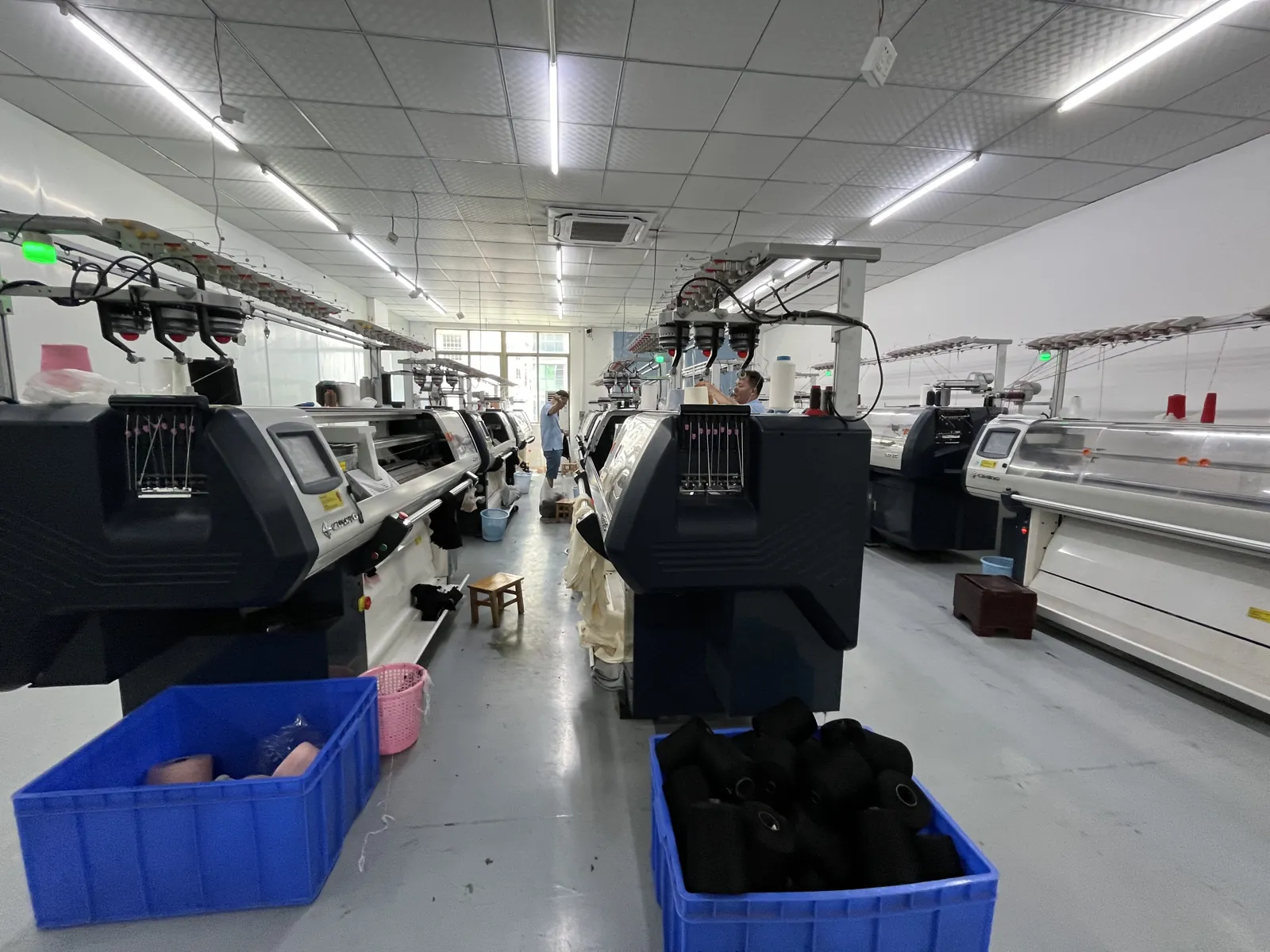
A workable low MOQ is usually created by simplifying the right things, not by negotiating one number in isolation. The table below shows the factors that most often shape the final decision.
- Style complexity: more development, setup and approval points. Start the first order with a construction the sample can prove clearly.
- Colour count: each colour can add a yarn or production dependency. Keep the initial colour plan narrow until the supplier confirms the route.
- Yarn choice: availability and colour route affect feasibility. Ask for the yarn code, allocation condition and substitution process.
- Size ratio: a concentrated, realistic curve is easier to approve than a thin spread across many sizes.
- Trims and packaging: custom items can create a separate minimum or lead-time dependency. Confirm them in the same quotation.
Style complexity and stitch structure
Not all knitwear is equal from a manufacturing perspective. A plain pullover with stable rib trim is easier to quote and produce than a fashion-forward cardigan with cable panels, special buttons, contrast tipping, or heavy texture. The more complex the structure, the more carefully a factory has to think about cost recovery, quality risk, and sample approval time.
This is where startup brands often make their first avoidable mistake. They ask for a low MOQ custom sweaters program while simultaneously building in too many high-risk details. The design may look commercially strong, but the order becomes difficult to develop efficiently. In those cases, the lowest MOQ is often not the smartest buying decision.
A better first move is to separate the commercial idea from the most technical execution. Keep the silhouette and brand feel, but simplify the stitch program, trim count, or finishing method. More ambitious styles can be introduced later through custom knit projects once the buyer and factory have already established a stable development rhythm.
Color count and size ratio
Color count is one of the biggest hidden MOQ drivers. Buyers often think in terms of total pieces, while factories think in terms of how those pieces are split. A 300-piece order in one color is easier to manage than the same total spread across three colors, especially if each color also has a full size run.
Size ratio matters for the same reason. Startups sometimes want every size available from day one, but a very broad ratio can weaken the order. If the launch plan is still being tested, it is often smarter to focus on the most commercial sizes first and protect the order from excess fragmentation.
The cash-flow side of this is important too. As the the supplier’s written quote and documented assumptions points out, small changes in assortment can create much larger exposure than founders expect. In knitwear, where yarn booking and color allocation matter, that effect becomes even stronger.
Yarn choice, gauge, and trim requirements
Yarn choice changes both the production path and the quote. Some yarns are easier to source, easier to replace, and easier to match for repeat orders. Others create more uncertainty in lead time, minimum booking, dye consistency, or hand-feel approval. Startup buyers should ask which yarn meets the product brief and which yarn route is workable for the first order.
Gauge works the same way. Fine-gauge knitwear can look polished and commercial, but it also asks for tighter control. Chunky gauges bring different yarn consumption and weight considerations. Neither is automatically better for low MOQ. What matters is whether the choice fits the budget, target market, and development timeline.
Trim and packaging decisions should not be ignored either. Zippers, custom buttons, woven labels, hangtags, printed polybags, and special folding instructions all seem manageable when viewed one by one. Together, they can push a small run into a more fragile production plan. For startup brands, the first goal should be a good garment with controlled branding, not maximum customization on every component.
How Can Startups Lower MOQ Without Increasing Risk?
Start with fewer colors and a tighter size plan for low-MOQ knitwear
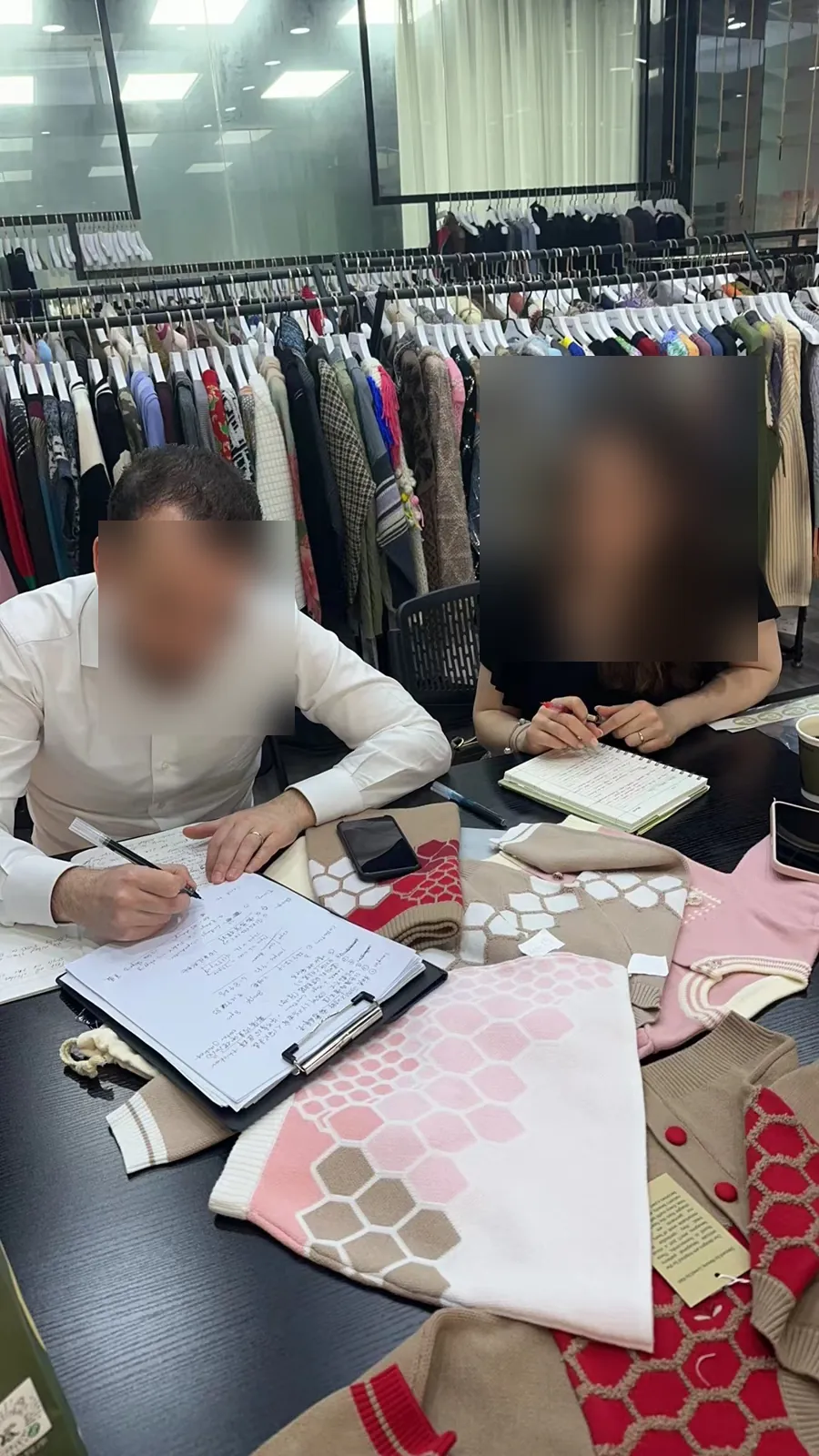
If you want a lower entry point, simplify the assortment first. From a factory perspective, a tighter color plan and a cleaner size ratio do more to create a workable low MOQ than endless negotiation over total quantity. This is especially true for first orders, where the brand is still testing demand.
One launch color can be commercially smarter than three weak colors. A focused size run can be safer than trying to serve every possible customer profile on the first drop. The goal is not to limit the brand forever. The goal is to protect the first order so it can succeed, generate feedback, and create a better second order.
This approach also helps with sell-through analysis. A startup brand learns more from one well-structured launch than from a scattered assortment that makes results hard to interpret.
Use simpler yarn and construction for the first order
The first order should prove market fit, not demonstrate every technical capability of the supply chain. If the product concept can survive with a more accessible yarn or a cleaner stitch structure, that is often the better route. A startup clothing manufacturer relationship works best when the first season creates operational confidence on both sides.
That does not mean sacrificing brand identity. It means choosing where complexity really adds value. A better neckline, cleaner fit, or stronger hand-feel may matter more to the customer than a difficult stitch variation that raises development risk without improving conversion.
If you are still comparing partner types, reviewing OEM / ODM knitwear services can help clarify whether you need pure execution, development input, or a mix of both. Early-stage brands often benefit from a supplier that can challenge unrealistic details before sampling goes too far.
Keep packaging and branding lean in the first run
Founders sometimes underestimate how much operational weight packaging adds to a small order. Neck labels, care labels, hangtags, size stickers, barcode rules, folding methods, carton marks, and destination requirements all create work. None of these items are wrong, but they should be prioritized carefully.
For the first run, lean packaging is often the smarter decision. Use only the branding elements that are necessary for retail presentation and compliance. Keep the folding method simple. Reduce unnecessary variations. Make receiving and replenishment easier, not harder.
This is particularly important when timing is tight. Sampling comments, label confirmations, and packing approvals can all delay bulk if too many details are left unresolved. A startup that wants a lower MOQ should usually accept a cleaner packaging plan in exchange for a more stable launch.
Stock yarn or custom-dyed yarn for the first run
For many first orders, the single biggest lever on MOQ and timing is whether the style is knitted in a stock yarn colour or in a yarn dyed to your own shade. Stock colours can usually be booked in smaller quantities and skip the lab-dip step; custom-dyed yarn gives exact colour control but brings a dye-lot minimum and extra approval time. The exact thresholds depend on the yarn and style, so confirm them against the factory’s MOQ and lead-time terms before you fix the colour plan.
| Factor | Stock yarn colours | Custom-dyed yarn |
|---|---|---|
| MOQ per colour | Lower; set mainly by knitting setup | Higher; set by the dye-lot minimum |
| Sampling time | Shorter; knitting can start once yarn is booked | Longer; lab dips must be approved first |
| Colour control | Limited to the spinner’s colour card | Matched to your own colour standard |
| Cost structure | Lower yarn commitment, but setup is spread over fewer pieces | Higher yarn commitment, better spread across a larger run |
| Best use | Test orders, capsule drops, quick refills | Signature colours and proven core styles |
A practical pattern is to launch new styles in stock colours and move only proven carry-over styles into custom-dyed yarn once sell-through justifies the larger commitment.
How Should a Startup Test a New Low-MOQ Knitwear Factory?
Treat the first order as a supplier-qualification exercise. Ask the factory to quote one controlled configuration and then test the way it handles clarification, sample feedback, measurement changes, yarn substitutions and approval records. The goal is to see whether the team can preserve the agreed brief from inquiry to PP sample, rather than simply accept a small quantity.
Use the RFQ to require a named owner, a dated sample plan, the exact evidence required for approval and a change-control path. The knitwear tech-pack checklist shows the inputs a supplier needs before a quote can be compared fairly, while this manufacturer-evaluation guide helps turn a sample request into a repeatable review.
What Should a Startup Ask a Low-MOQ Knitwear Factory?
How is the MOQ calculated for this style
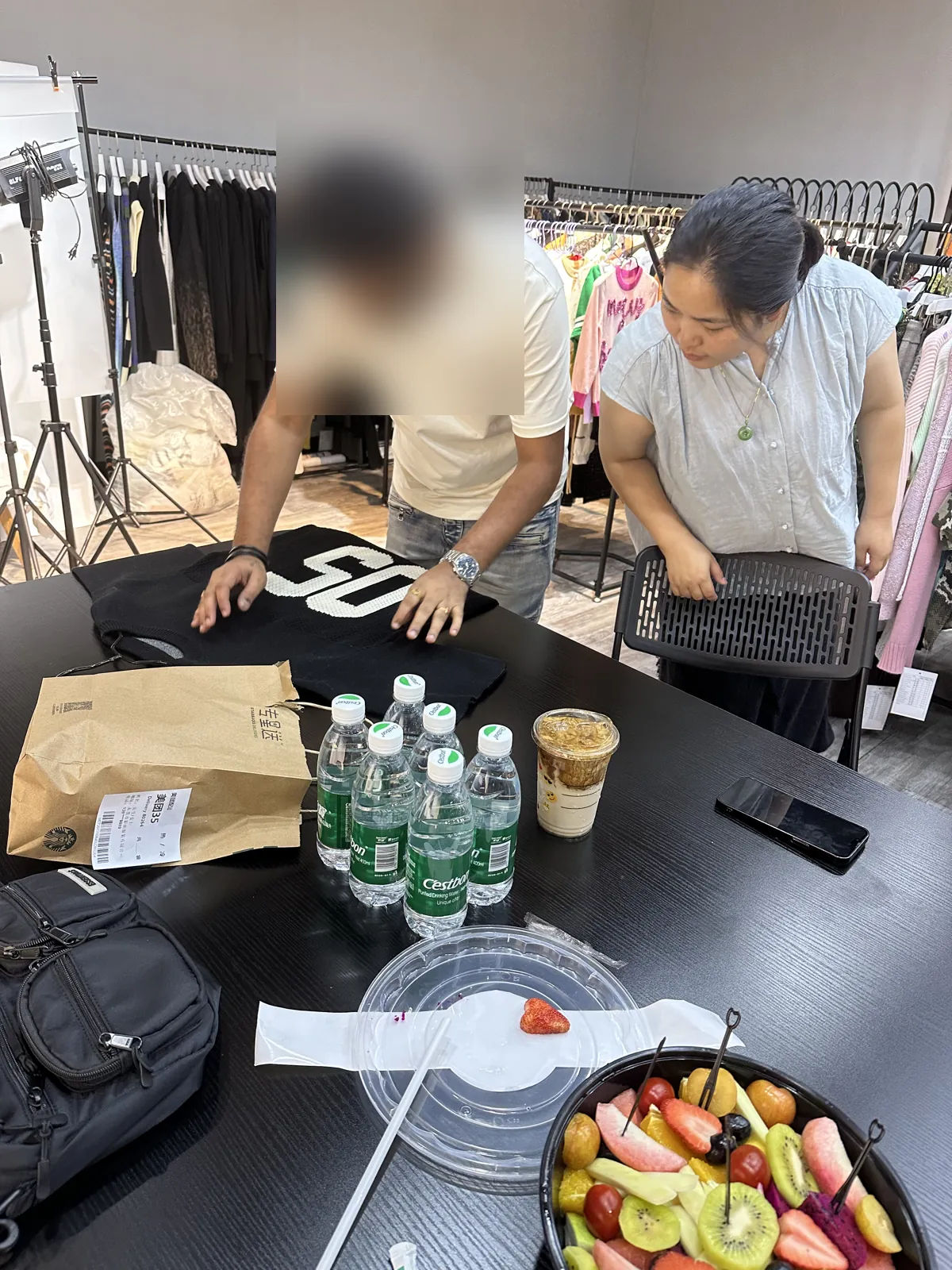
A serious low MOQ sweater manufacturer should be able to explain how the minimum is being built. Ask whether it is being calculated by style, by color, by size ratio, by yarn booking, or by trim requirements. If the answer is vague, the buyer is not getting enough information to make a safe decision.
This question also helps reveal whether the factory is thinking in a practical way. Good suppliers usually explain which changes would make the order more workable. They should identify the trade-offs behind the answer.
That kind of clarity is often a better sign than the lowest quote. A startup brand usually needs honest production logic more than an attractive number in the first email.
What happens during sampling and revision
For startup buyers, sample speed is less important than sample control. The real question is whether the supplier has a structured process for comments, revisions, and approval before bulk starts. If fit, yarn hand-feel, measurement tolerance, and branding details are still unclear, fast sampling alone does not solve the problem.
This is where many first orders either stabilize or start drifting. A strong supplier should be able to explain what information is needed in the tech pack, how comments are tracked, what is reconfirmed before PP approval, and what changes are likely to affect lead time or cost. The guide on how to find a sweater manufacturer for your brand is useful here because it frames factory evaluation around process control rather than catalogue appearance.
If you are sourcing small batch knitwear, that discipline matters even more. Smaller runs leave less room for hidden misunderstandings.
How will lead time, refill orders, and QC be handled
A startup order should not be judged only by the first shipment. Ask what happens if the style sells and you need a refill. Ask whether yarn continuity is realistic. Ask how quality checks are handled during bulk and what approval points exist before shipment. Ask whether the supplier can explain the likely lead-time difference between a clean repeat and a revised reorder.
These questions matter because the first order usually tests both the relationship and the product. A supplier that can talk clearly about risk control is more valuable than one that only sells optimism. Buyers who are planning repeat business should also ask what changes would make future orders more efficient.
How Should a Startup Budget for Low-MOQ Knitwear?
Budget development as its own line item, separate from the bulk unit price. Folding sampling into the unit price hides the real investment and tends to leave too little room for revision rounds, which is where most first knitwear orders need it.
- Development stages: tech pack, knitting program, proto sample, fit sample and pre-production (PP) sample. Ask the factory which of these are charged and which are credited back against bulk.
- Revision rounds: plan for more than one. Measurements, hand-feel, shrinkage after washing and trim placement are the usual adjustment points, and each round adds time.
- Lock the design early: freeze the tech pack before the first proto. Design changes made during sampling cost more time than fit corrections.
- Keep a contingency: hold a small reserve for yarn substitution (for example, if a shade is discontinued) or late trim sourcing.
Small-run risks to plan for
- Yarn lot consistency: ask whether yarn for bulk can be reserved from the same lot at the sampling stage. If sampling and bulk are weeks apart, expect minor shade variation on repeat orders.
- Short inspection window: small runs move through the floor quickly, so agree the inspection standard and ask for a written inspection report with photos before shipment.
- Freight mode: small orders often ship by air to protect a launch date, which raises landed cost per piece. Compare air, sea and a split shipment before you set retail pricing.
When Is a Low-MOQ Knitwear Factory the Right Fit?
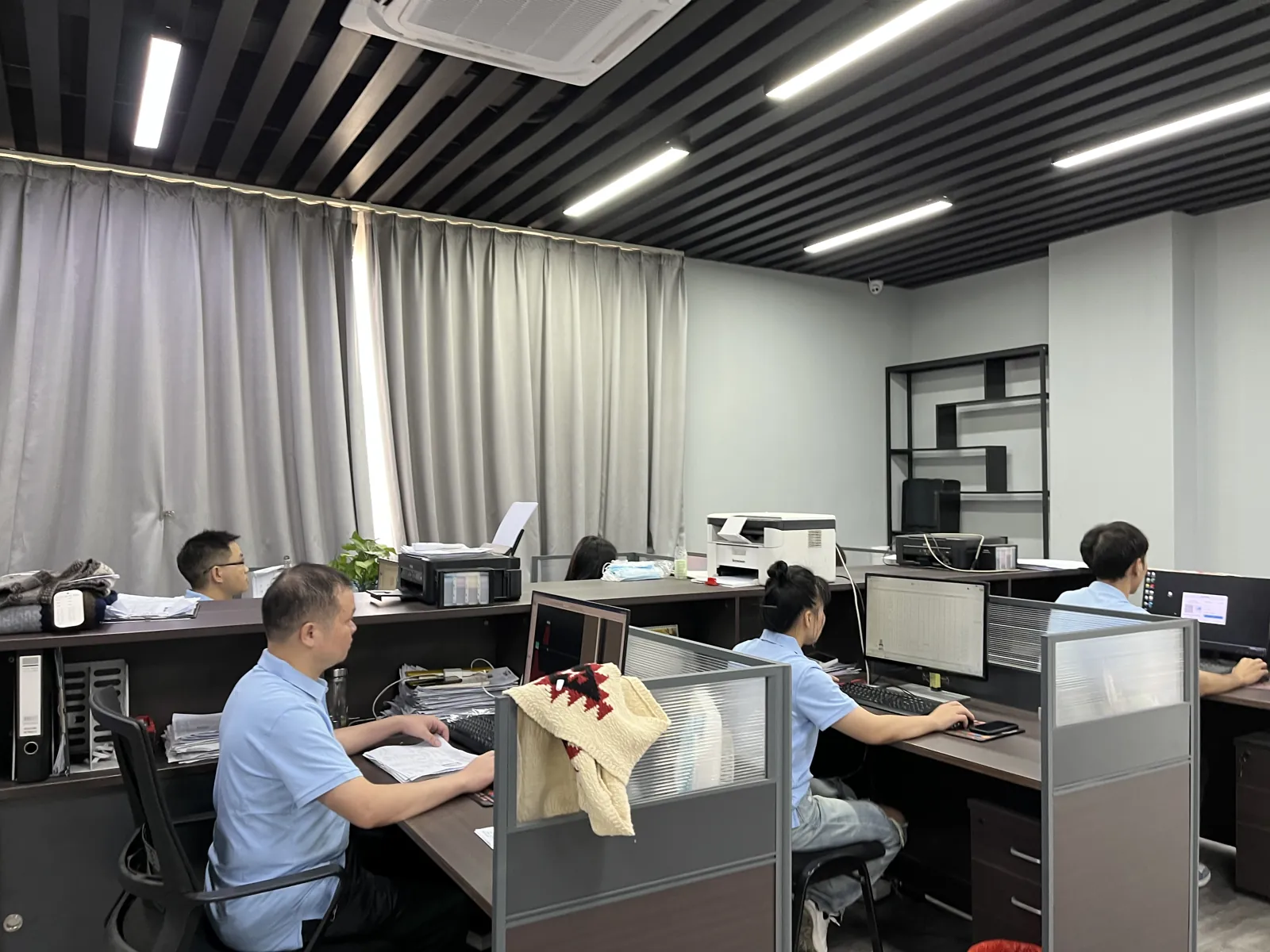
Best-fit scenarios for startup and test-order brands
A low MOQ knitwear manufacturer is usually the right fit when a brand is testing product-market fit, validating a new category, launching a capsule collection, or entering knitwear for the first time. It is also a good fit for buyers who want to learn from the first order before committing to deeper SKU coverage.
This works especially well when the product architecture is disciplined. One or two colors, a limited size plan, accessible yarn choices, and controlled branding give the factory more room to support the order without forcing unstable economics. In those situations, low MOQ becomes a controlled way to learn before a larger commitment.
For many DTC and Shopify-led brands, that is exactly the right first step. The brand gets real market feedback without building a large inventory position too early.
When low MOQ is not the best decision
Low MOQ is not always the best answer. If the design is highly technical, the yarn is specialized, the deadline is aggressive, or the launch needs many colors and trims, a very low minimum may create more problems than it solves. The unit price may rise, sampling may take longer, and replenishment may become less reliable.
That does not mean the project is wrong. It means the buyer may need to change the launch strategy. Sometimes the best solution is to simplify the first run, raise the minimum slightly, or reduce style count so the order becomes more stable overall.
From a factory perspective, a commercially healthy order is better than an artificially low one that struggles through development and bulk.
Signs it is time to move beyond low MOQ
Low MOQ is a validation tool, not a permanent operating model. Reordering the same small quantity again and again means paying setup costs on every run and missing the efficiency of a larger yarn booking. Consider consolidating into larger runs when:
- the same style has sold through well on more than one drop;
- reorder requests arrive faster than one production cycle can refill them;
- customers consistently favour specific colours or constructions that would justify custom-dyed yarn.
Scaling does not need to be a single jump. Stepping the quantity up over two or three production cycles lets the brand confirm demand at each stage while unit cost improves gradually.
What Low-MOQ Knitwear Evidence Should a Startup Approve?
Do not move from a test order to a larger commitment on the basis of a revised price alone. Approve a PP sample, controlled tech pack, material and colour references, inspection route, packing data and repeat-order assumptions. Compare the first order against the documented production record, then decide which variables may change for the next run. The sample-to-bulk control guide is a useful cross-check for that release decision.
For products entering the United States, include the intended fibre claim, country-of-origin information and care requirements in the production file. The FTC apparel-labeling guidance explains the relevant disclosure categories. Where a buyer makes a certified-material claim, the Textile Exchange Content Claim Standard explains why chain-of-custody documentation matters; U.S. importers should also apply the relevant CBP UFLPA guidance to their own compliance review.
Conclusion: What Should a Startup Confirm Before Choosing a Low-MOQ Factory?
Choosing a low MOQ knitwear manufacturer is not about finding the lowest possible number. It is about finding a supplier and an order structure that make the first run commercially workable. In knitwear, MOQ is shaped by style, color, size ratio, yarn, gauge, trims, packaging, and production logic, so the smartest way to lower risk is usually to simplify those variables first.
For startup brands, the best first order is often the cleanest one: fewer colours, a tighter size plan, accessible yarns, controlled packaging and a supplier that can explain trade-offs clearly. Use this sketch-to-sample guide to separate early design decisions from production approvals, then use the factory production sequence to confirm the handover points before a repeat order.
Before choosing a supplier, send one decision-ready package: tech pack, size curve, colour plan, yarn direction, target quantity, destination, delivery date and approval owner. Ask each factory to return a quote with the assumptions visible, then compare its sample route and controls before placing a bulk PO.
Frequently Asked Questions: Low-MOQ Knitwear Sourcing
What is considered a low MOQ for knitwear?
A low MOQ in knitwear is usually defined relative to style complexity, yarn requirements, and SKU split, not by one universal number. A workable low minimum for a simple sweater may still be unrealistic for a highly customized cardigan or zip style.
Can I order low MOQ custom sweaters in multiple colors?
Yes, but multiple colors often make the order harder to keep efficient. If the total quantity is limited, too many colors can weaken yarn usage, fragment production, and increase risk for both cost and lead time.
Why do knitwear factories ask about yarn, gauge, and size ratio before quoting MOQ?
Because those details directly affect feasibility. Yarn booking, gauge selection, and size distribution all shape setup, costing, planning, and replenishment logic, so a reliable quote depends on them.
Is a low MOQ sweater manufacturer more expensive per unit?
Usually, yes. Lower-volume production often carries a higher unit cost because development work, setup time, and overhead are spread over fewer pieces. The trade-off can still make sense if the order helps a brand test demand without overcommitting inventory.
Should a small knitwear order ship by air or by sea?
Air freight is common for small first orders because it protects the launch date, but it adds noticeably to landed cost per piece. Brands with several drops in a season often consolidate shipments or split a delivery between sea and air to balance cost and speed.
Can I reorder the same style later with better pricing for low-MOQ knitwear?
Often, yes, if the reorder is cleaner and more predictable. Once the style, yarn, measurements, and production method are already established, a repeat order may be easier to plan and more efficient to produce.