 CN Sweaters
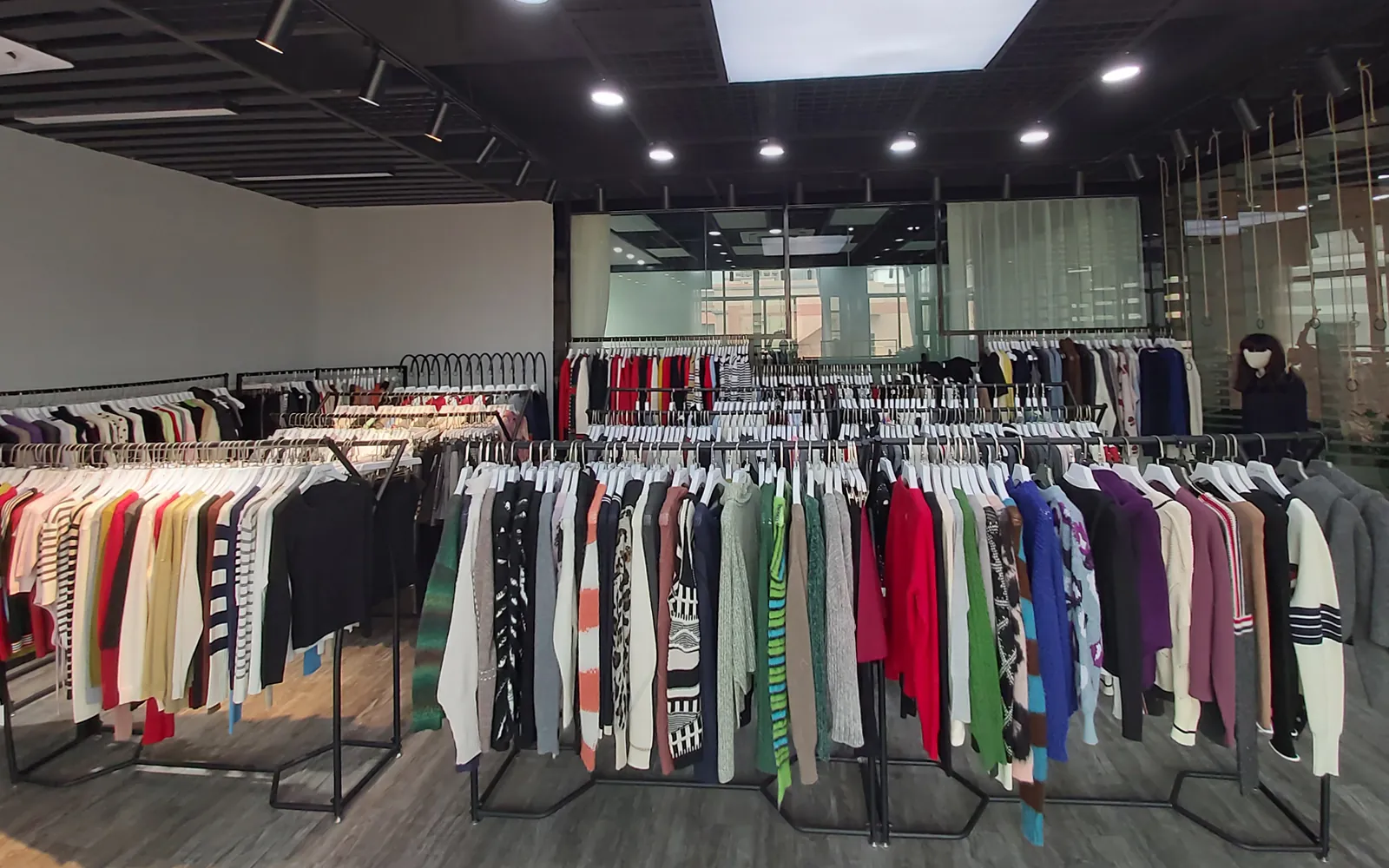
Most sweater sample delays do not come from the knitting itself. From a factory perspective, they come from incomplete briefs, unconfirmed yarn, unclear tech packs, and feedback loops that stall between revisions. If a buyer wants to keep a sweater sample on schedule, the decisions made before the first needle moves matter more than the speed of the machine.
This article is written for brand developers, wholesalers, procurement managers, and sampling coordinators who need to understand where knitwear sampling actually loses time, which delays are unavoidable development cost, and which are preventable with better preparation. We will walk through yarn sourcing, tech pack accuracy, machine scheduling, trims, and communication, and close with a practical checklist for shortening your sweater sample development cycle.
Why Yarn Sourcing Causes Sweater Sample Delays
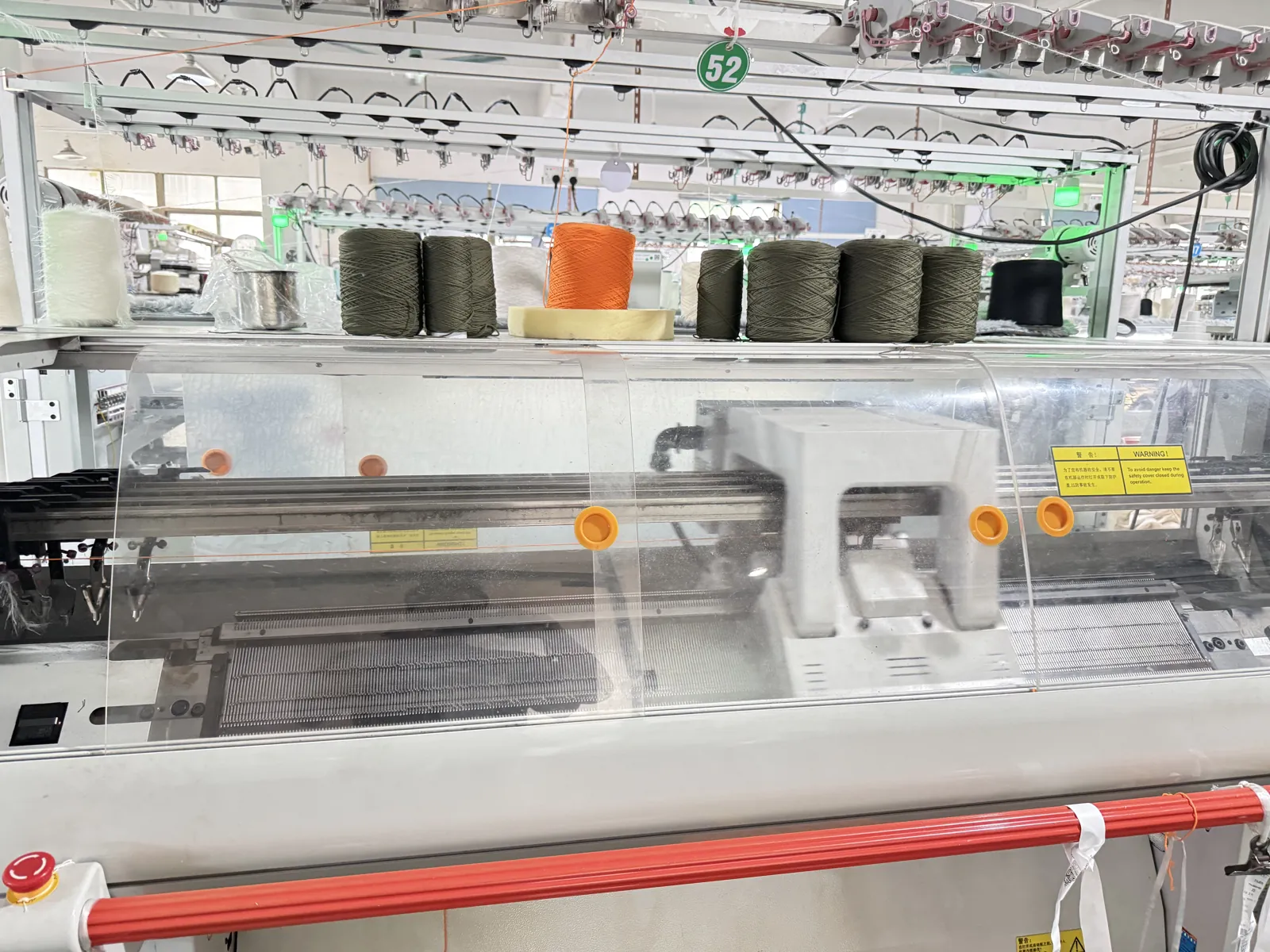
In our experience, yarn sourcing is the single biggest reason a sweater sample slips past its promised date. Before we can cast on a single panel, the exact yarn count, fiber blend, twist, and color must be physically in house. If any of those variables is unresolved, the sampling floor simply cannot start, no matter how well prepared the rest of the file is. For buyers, this means the clock on a sweater sample often begins weeks later than the order confirmation date, and that gap is almost always a yarn gap.
How Stock and Dyed-to-Match Yarn Affect Sweater Sample Delays
When the sample uses a stock service yarn in an existing mill color card, we can usually pull material within two to five working days. When the buyer requires a custom Pantone match or a specific fiber blend that is not held in stock, the mill must lab dip, get approval, and then dye a minimum dye-lot quantity. Depending on fiber and mill queue, that adds seven to twenty working days before sampling can even begin. Neither path is wrong, but they carry very different timelines, and the choice directly affects when your sweater sample will ship.
How Fiber Availability and Seasonal Pressure Cause Sweater Sample Delays
Certain fibers behave differently in the supply chain. Mid-count merino, cotton-acrylic blends, and standard lambswool counts are usually available quickly. Cashmere, yak, recycled blends, and specialty novelty yarns often have longer lead times because spinners run them in scheduled campaigns rather than continuously. In the August to October window, when every brand is developing autumn-winter collections at the same time, even common yarns can have a queue. For procurement planning, we recommend locking yarn decisions at least four weeks before you need the first sweater sample in hand during peak season.
What Buyers Can Do Early
The most effective move is to confirm yarn at the brief stage, not after the first proto. Sending a target yarn reference, a Pantone or physical color swatch, and a clear fiber composition allows us to check availability before quoting a sample date. If you are open to nearest-stock alternatives, tell us; a close match from an existing lot can save two to three weeks with little visible difference at the sample stage.
How Tech Pack Gaps Cause Sweater Sample Delays
A clean tech pack shortens sample time more than almost any other single factor. From a factory perspective, the tech pack is the instruction set our programmers use to write the machine file that drives the knitting. When measurements, stitch structure, gauge, or construction notes are missing or contradictory, our team either has to pause and ask, or make an assumption that later turns out wrong. Both outcomes delay the sweater sample.
Measurements, Gauge, and Stitch Notation
A usable knitwear tech pack needs a full point-of-measure chart for the sample size, a specified gauge (for example 7gg, 12gg), stitch type for each panel (jersey, rib, cable, jacquard), trim widths, and construction method such as fully fashioned or cut-and-sew. If the gauge is missing, we cannot assign a machine. If the stitch is ambiguous, our programmer has to interpret, and that interpretation may not match the buyer’s intent. Industry resources on designing knit textiles and CAD handoff describe how even small notation gaps at this stage carry through to the finished fabric.
Artwork Files for Jacquard and Intarsia
Patterned sweaters add another layer. Jacquard, intarsia, and argyle designs require vector artwork or a pixel-accurate repeat at the correct stitch count. A JPEG lifted from a mood board is not enough for programming. When artwork arrives at low resolution or without a defined repeat, our programming team has to rebuild it, which can add two to four extra days per revision. A detailed sampling and product development brief with proper artwork files prevents this loop entirely.
Why Vague Tech Packs Cost Real Days
Every clarification email adds a cycle of at least one working day, and often two across time zones. A sweater sample that should have taken twelve days can easily stretch to eighteen if three or four questions surface mid-development. This is not factory inefficiency; it is preventable information loss. The broader apparel manufacturing process shows the same pattern across cutting and stitching: unclear inputs upstream always create rework downstream.
How Machine Scheduling Causes Sweater Sample Delays
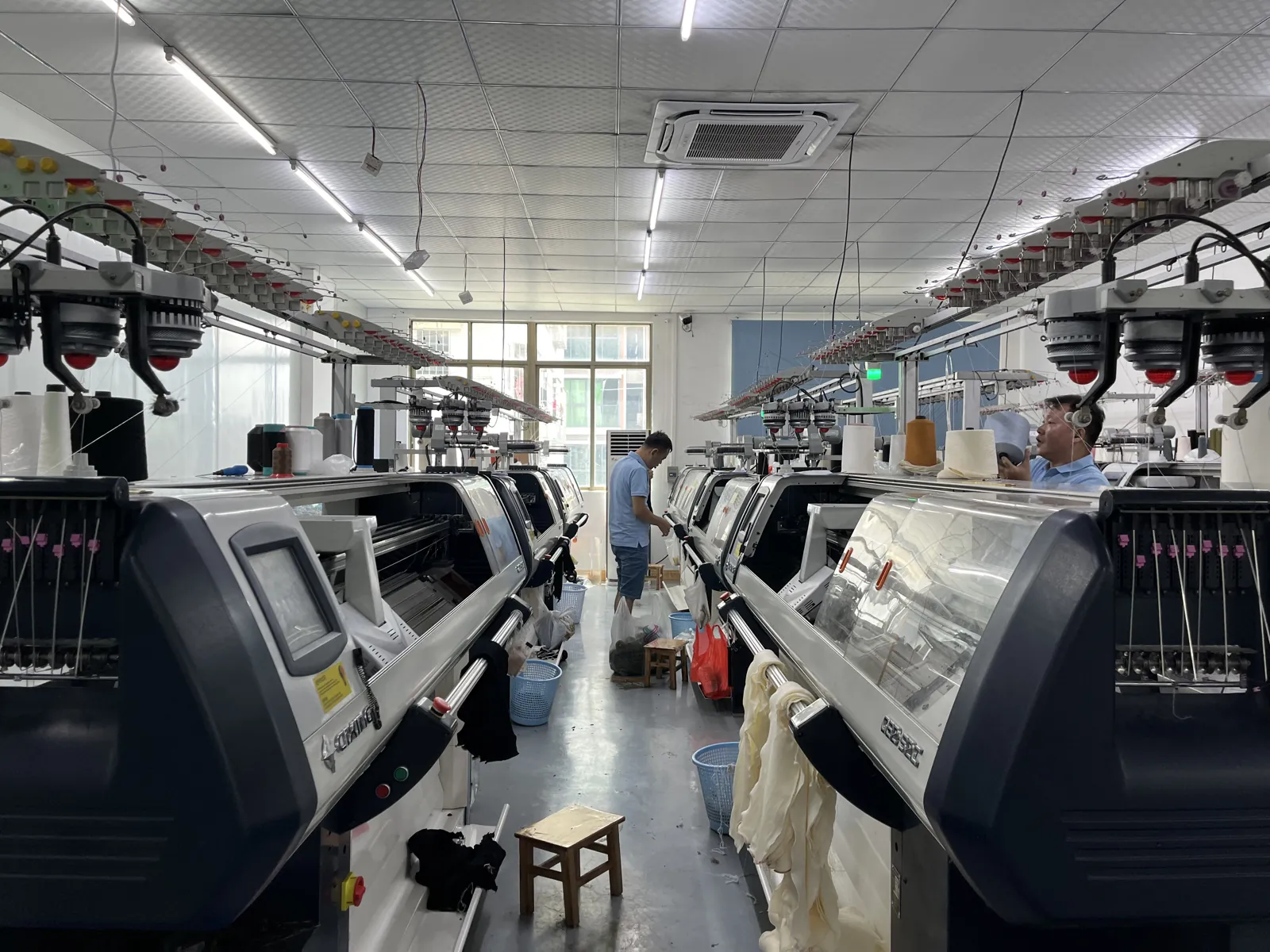
Machine scheduling is a factor most buyers underestimate. A sweater manufacturer does not run one machine type; we run banks of machines at different gauges, and each gauge is a separate queue. If your sweater sample calls for a 3gg chunky knit but our 3gg machines are loaded with bulk orders that week, your sample waits. This is normal capacity management, not neglect, and understanding it helps buyers plan more realistic sampling windows.
Common Gauges and Their Use Cases
Gauge determines the look and feel of the garment. 3gg and 5gg are typical for heavy winter sweaters and oversized silhouettes. 7gg sits in the mid-weight range and covers most commercial pullovers and cardigans. 12gg and 14gg produce fine-gauge knits suited to layering pieces, polos, and dresses. The rarer the gauge in your collection, the fewer machines we can assign, and the more scheduling matters.
Peak Season Queue Effects
During peak sampling periods, typically March to May for autumn-winter and September to November for spring-summer, gauge queues tighten. A brief that arrives in April with six styles across four different gauges may not all start on the same day. We sequence them based on yarn readiness and machine availability, which is why some samples from the same order ship a week apart. If timing parity matters for a showroom date, flag it early so we can prioritize accordingly.
Balancing Sample and Bulk Capacity to Prevent Sweater Sample Delays
Sampling and bulk share the same machines. A responsible factory protects sampling capacity so development does not stall when bulk orders are heavy, but there are real limits. Reviewing our MOQ and lead time guidance before committing to a development calendar helps set expectations that match how the floor actually operates.
How Trim Sourcing Causes Sweater Sample Delays
Trims are the quiet cause of sample delays. Buyers focus on yarn and pattern, which is correct, but a finished sweater sample also needs buttons, zippers, labels, hangtags, drawcords, and sometimes embroidery or patches. If any one of these is unconfirmed when the knitted panels are ready, the sample sits on the finishing line. We see this happen often enough that we now treat trim sourcing as a parallel critical path, not a secondary task.
Custom Buttons, Zippers, and Labels
Stock buttons and standard YKK zippers can be pulled quickly. Custom-branded buttons with a specific logo, custom-dyed zipper tape, or woven labels with specific color counts require supplier lead times of seven to fifteen working days. If the buyer wants the first sweater sample to reflect the final branded trims, the trim order needs to be placed at the same time as yarn. Otherwise we produce a “construction sample” with substitute trims and a second sample later with final trims, which doubles part of the cycle.
Embroidery, Patches, and Heat Transfers
Decoration methods each have their own prep time. Embroidery needs a digitized file and a test run. Woven patches need an approved strike-off. Heat transfers need artwork at correct DPI and a test press on the actual fabric. Testing protocols referenced by independent bodies such as apparel testing services like Intertek also matter when decorations must pass wash and rub fastness for retail compliance, and those checks add time if left to the end.
Packaging Details Count Too
For private label programs, polybags, hangtags, size stickers, and care labels are part of the sample presentation. Confirming packaging specs alongside the garment brief avoids a last-minute scramble that can delay shipment of an otherwise finished sweater sample by two to three days.
How Does Communication Feedback Affect Sweater Sample Delays?
Communication is where avoidable delays accumulate fastest. A sweater sample development cycle typically involves at least two rounds: a first proto and a revised sample after buyer comments. If comments arrive in fragments, or if different stakeholders on the buyer side give conflicting feedback, we end up revising the same area twice. Every extra round adds roughly seven to ten working days depending on whether yarn or trims also need to change.
Consolidated Comments Save Days
The most efficient feedback is a single consolidated comment sheet, ideally on photos or on the physical sample with marked measurements. When design, technical, and sourcing teams on the buyer side each send separate emails, our merchandiser has to reconcile them, which introduces both time and the risk of misinterpretation. One clear document per revision round is worth a day or more per cycle.
Time Zones and Decision Authority
Most of our buyers operate in Europe and North America, which means a question asked at the end of our day is answered at the end of theirs. If the person who can approve a yarn substitution is traveling or on leave, a sample can sit for 48 hours waiting for a yes or no. Naming a backup decision-maker in the brief prevents this stall.
Photo Approvals Before Shipping
Before we ship a sweater sample, we send detailed photos and measurement sheets. Approving these promptly, or flagging concerns while the sample is still on our floor, means small fixes can happen before courier pickup rather than after the sample has traveled across continents. This single habit has saved our clients more development weeks than any other process change.
Common Causes of Sweater Sample Delays Compared
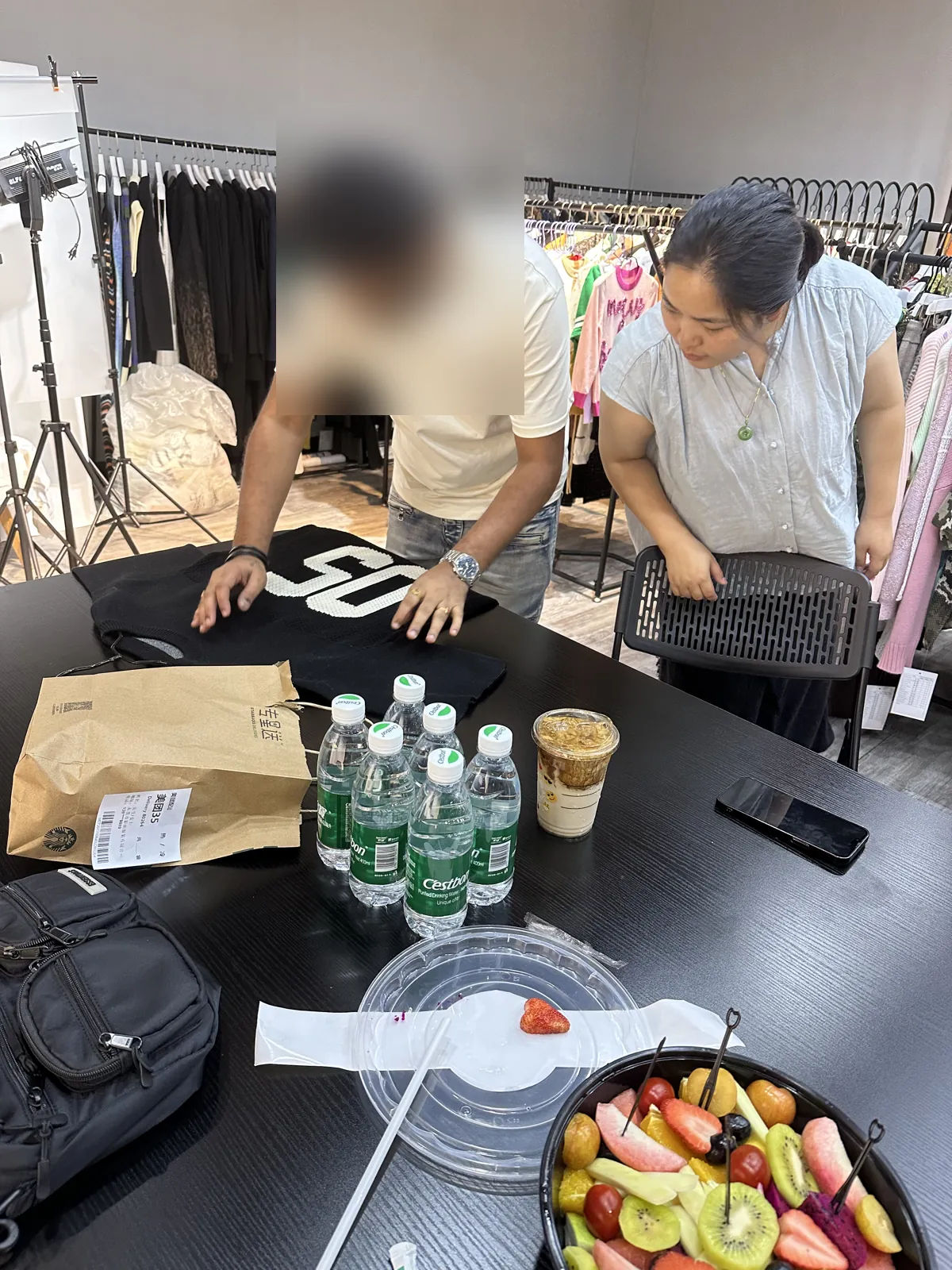
To make the trade-offs easier to see, the table below summarizes the most frequent delay causes we encounter, their typical time impact, and whether they are preventable on the buyer side, the factory side, or shared. This is based on our running record of sweater sample development across multiple seasons.
| Delay Cause | Typical Added Time | Primary Owner | Preventable? |
|---|---|---|---|
| Custom yarn dyeing (vs stock) | 7–20 working days | Shared | Partially (use stock where possible) |
| Incomplete tech pack | 2–5 working days per gap | Buyer | Yes |
| Low-resolution artwork files | 2–4 working days | Buyer | Yes |
| Machine gauge queue (peak season) | 3–7 working days | Factory | Partially (book early) |
| Custom trim sourcing | 7–15 working days | Shared | Yes (parallel sourcing) |
| Fragmented buyer feedback | 1–3 working days per round | Buyer | Yes |
| Approval delays across time zones | 1–2 working days per decision | Buyer | Yes |
| Revision rounds beyond two | 7–10 working days each | Shared | Partially |
The pattern is clear: most significant delays are either preventable through earlier information, or predictable if the buyer understands which decisions carry long lead times. Custom yarn and custom trims are rarely “avoidable” in an absolute sense, but their timing can be managed if flagged at the brief stage.
Risk Mitigation for Shortening Sweater Sample Delays
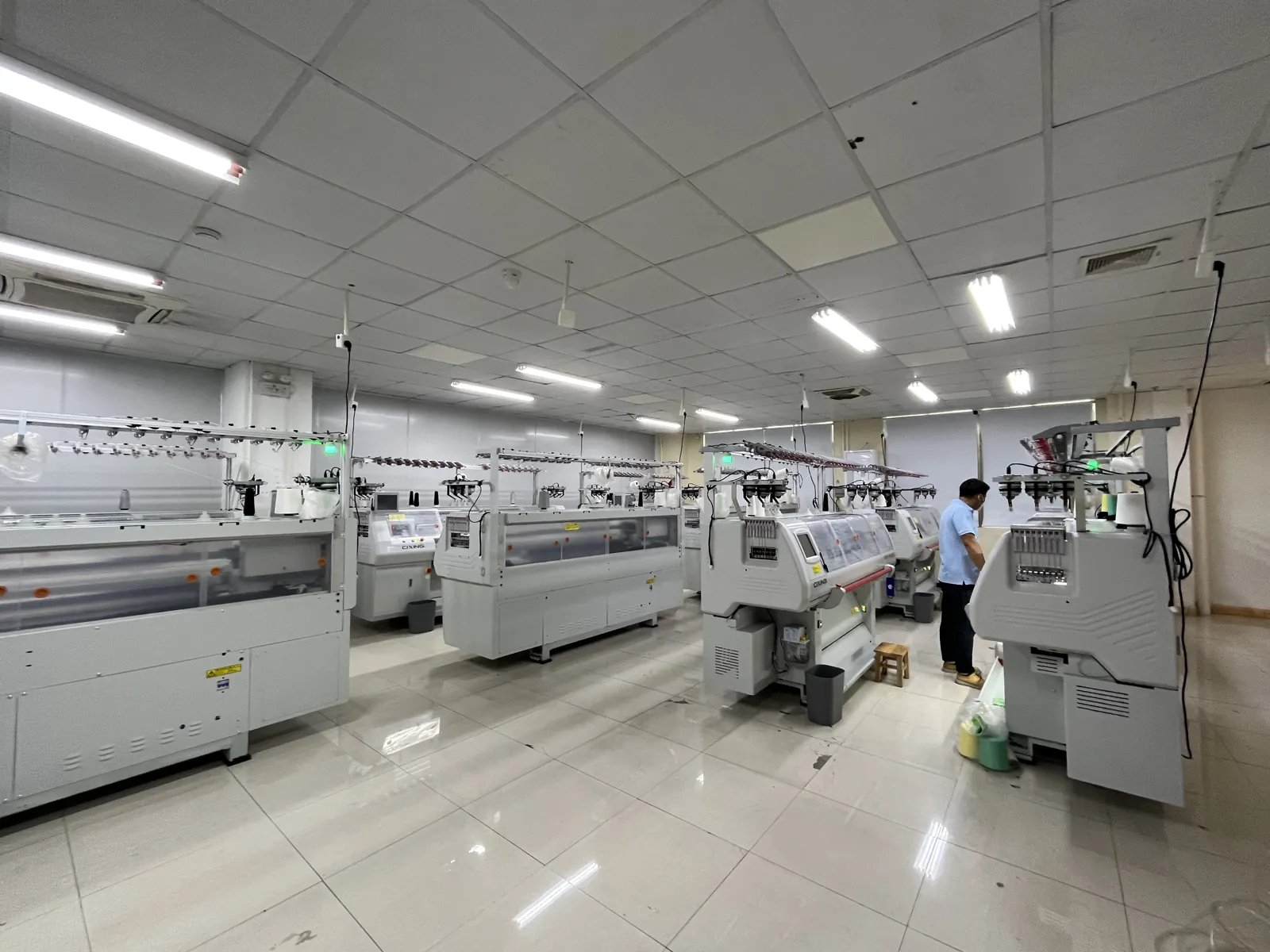
From a factory perspective, the most effective way to shorten knitwear sampling is not to push the factory harder; it is to remove the information gaps that force the factory to wait. Buyers who treat sampling as a planning discipline, not a request-and-wait process, routinely receive samples two to three weeks faster than those who do not. Here is what we see working in practice.
Send a Complete Brief in One Submission
A complete brief includes tech pack with measurements and gauge, yarn reference or confirmed substitute, Pantone or physical color, artwork files at proper resolution, trim specifications, target delivery date, and order quantity range for context. Submitting all of this together, rather than in pieces, lets us quote a realistic sample date and begin sourcing immediately. A good reference point for what belongs in a brief is our yarn and material guide, which helps buyers pre-check fiber availability before writing the brief.
Pre-Approve Acceptable Substitutions
Telling us in advance which substitutions are acceptable, such as a nearest-count yarn, a close Pantone match within a defined Delta-E, or a similar stock button if the preferred one has long lead time, removes decision loops. We will always ask before substituting, but pre-approval lets us ask less often and keep the sample moving.
Plan Two Rounds, Not Five
Realistically budget for two sample rounds: an initial proto and a confirmation sample after comments. Aiming for a single perfect sample is usually unrealistic for anything beyond basic restyles, and expecting five rounds typically means the brief was not complete at the start. Two rounds with thorough feedback in each is both faster and cheaper than multiple partial iterations.
Conclusion
Sweater sample delays are rarely caused by slow knitting machines. They are caused by yarn decisions made too late, tech packs missing critical notation, trims treated as an afterthought, and feedback that arrives in fragments. Understanding which of these are normal development cost, such as custom dyeing or peak-season queues, and which are preventable with better preparation, such as complete briefs and consolidated comments, is how procurement teams take real control of their knitwear sampling timeline. The factory can only move as fast as the information allows.
If you are planning your next collection, send your sample brief to our development team early, with yarn references, tech pack, artwork, and target delivery date included, so we can reduce avoidable sweater sampling delays and protect your season calendar.
Frequently Asked Questions
What is the typical MOQ for a first sweater sample order?
Sample development itself does not require a bulk MOQ, but we produce one to three pieces per style at the sampling stage. Bulk MOQ depends on yarn, gauge, and construction, and typically starts around 100 to 300 pieces per color per style for standard programs. Lower MOQs are possible for stock yarns and simpler constructions.
How long does sweater sample development usually take?
With stock yarn and a complete tech pack, a first proto often ships in 10 to 15 working days after confirmation. With custom-dyed yarn, custom trims, or complex jacquard artwork, 20 to 30 working days is more realistic. Revision samples usually run 7 to 12 working days depending on scope.
What artwork files do I need to send for patterned sweaters?
For jacquard or intarsia, send vector files (AI, EPS) or high-resolution pixel artwork with a defined repeat. Include Pantone references for each color, the intended placement, and the finished panel width. Avoid low-resolution JPEGs or images taken from mood boards, as they cannot be programmed accurately.
How is the sample shipped and who covers the cost?
Samples are typically shipped by international courier such as DHL, FedEx, or UPS, with transit usually 3 to 5 working days. Sample freight and sample fees are normally paid by the buyer, though arrangements can vary once a bulk order is confirmed. We provide tracking at dispatch.
If the sample is delayed, does it affect the bulk order risk?
A delayed sample can compress the bulk production window, which may push shipment dates or force airfreight instead of sea freight. To protect bulk timelines, we recommend locking yarn and trim decisions at the sample approval stage, not during bulk, and building a realistic buffer between final sample approval and the bulk start date.