 CN Sweaters
Communication efficiency with a China knitwear factory is usually the single biggest factor deciding whether a development cycle lands on time and on spec, more than price or even MOQ. From a factory perspective, most delays we see are not caused by machine capacity or yarn shortages; they come from incomplete tech packs, vague sample feedback, and unclear approval signals across time zones. Buyers who treat sourcing as a structured information exchange consistently get faster samples, fewer revisions, and cleaner bulk runs.
The cost of weak communication is concrete. A missing gauge spec can push a proto sample back two weeks. An unsigned lab dip can hold yarn dyeing for another seven to ten days. A late confirmation on shipping marks can stop a container from loading. Each gap compounds, and in peak season the queue behind your order will not wait.
What follows is a China knitwear factory communication checklist built from how we run real OEM and ODM projects with overseas buyers. It covers the documents, decisions, and feedback points where misalignment is most expensive, and where a tighter process protects both lead time and margin.
What Should a China Knitwear Factory Tech Pack Include?
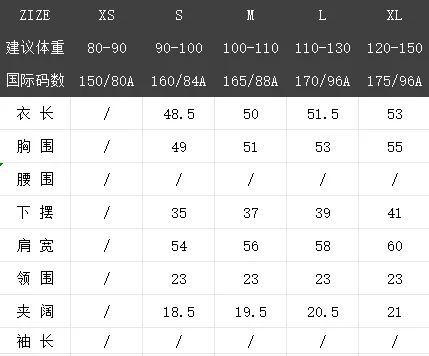
A complete tech pack is the single most useful document a buyer can send. Without it, any quote a knitwear factory provides is a guess, and any sample is a best effort rather than a controlled output. We recommend buyers finalize the tech pack before the first quotation round, because price, MOQ, and lead time all shift once the real specifications are visible.
Yarn composition and supplier preferences
State fiber blend (for example 70% wool / 30% acrylic), yarn count (such as 2/26Nm), ply, twist direction if relevant, and any preferred mill or certification (RWS, GRS, OEKO-TEX). If you are open to local sourcing, say so; if you require a specific spinner, name it. Yarn is typically 40–60% of a sweater’s cost, so this single field changes the entire quote logic. Our OEM and ODM knitwear development work usually begins by validating yarn options against your target FOB.
Gauge, stitch structure, and construction
Specify the machine gauge (3GG, 5GG, 7GG, 12GG, 14GG and so on) and the stitch pattern for body, cuffs, and collar. Indicate whether the garment is fully fashioned, cut and sew, or linked. Provide flat sketches with stitch callouts and any intarsia, jacquard, or cable details as separate technical files. Per knitwear technical package conventions documented by industry resources, gauge directly controls drape, weight, and price, and cannot be inferred from a photo alone.
Measurements, grading, and tolerances
Provide a points-of-measure (POM) sheet for the base size, full size run with grading rules, and tolerance bands (commonly ±1 cm on body and ±0.5 cm on small parts). Include intended care instructions, target garment weight, and any wash or finish (enzyme wash, milling, brushing). The cleaner this section, the fewer rounds of proto we need.
How should buyers structure sample feedback to avoid rework?
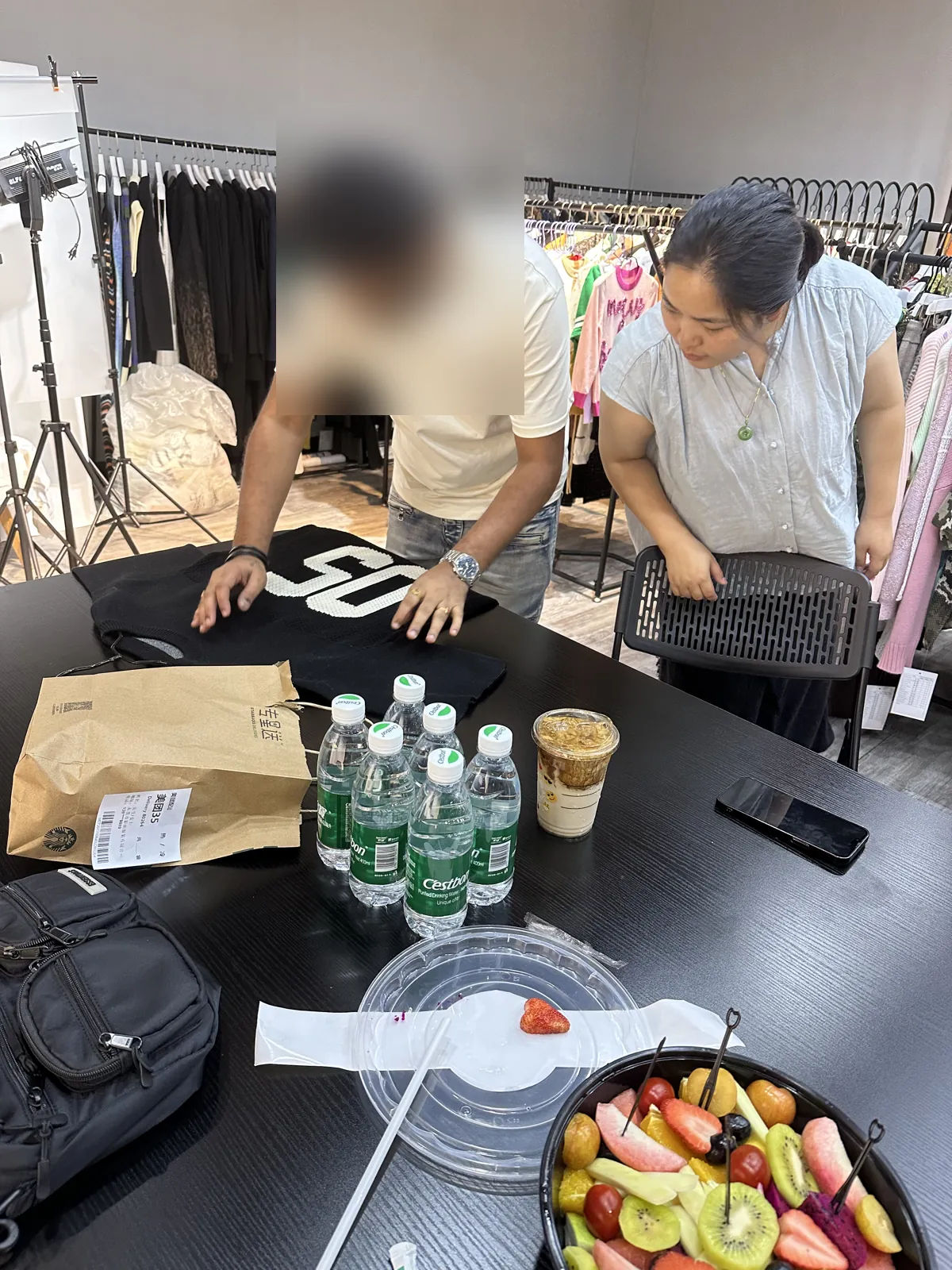
For a China knitwear factory, clear sample feedback is the second biggest lever after the tech pack. The most common mistake is sending feedback that mixes fit, hand feel, color, and construction comments in a single paragraph, which forces our pattern team to re-read and interpret. Structured, point-by-point feedback with photos shortens each sample round and reduces the total number of rounds needed before bulk.
Fit comments tied to measurement points with a China knitwear factory
Reference the POM sheet. Instead of “the body is too long,” write “Body length from HPS: current 68 cm, requested 66 cm.” Mark photos with arrows showing where the garment pulls, drapes, or twists. If the sample needs to be re-fitted on a live model, send video from front, side, and back, ideally with a measuring tape visible.
Lab dips and color approval
Lab dips need a written approval or rejection against a physical standard, not a screen reference. Monitors vary too much. State the lighting condition you assessed under (D65, store light, daylight) and whether metamerism was checked. If you reject a dip, indicate direction: redder, bluer, deeper, cleaner. Unsigned lab dips block yarn dyeing, and yarn dyeing typically sits on the critical path for 10–15 days depending on color and quantity.
Proto, fit, and PP sample stages
Treat each sample stage as a distinct decision point. Proto confirms design intent and construction. Fit sample confirms measurements and grading. Pre-production (PP) sample is the final reference for bulk and should be signed and returned, or signed digitally with a sealed counter-sample held at the factory. Our sampling and product development service follows this staged structure to keep approvals traceable.
How do production timelines really work in China knitwear?
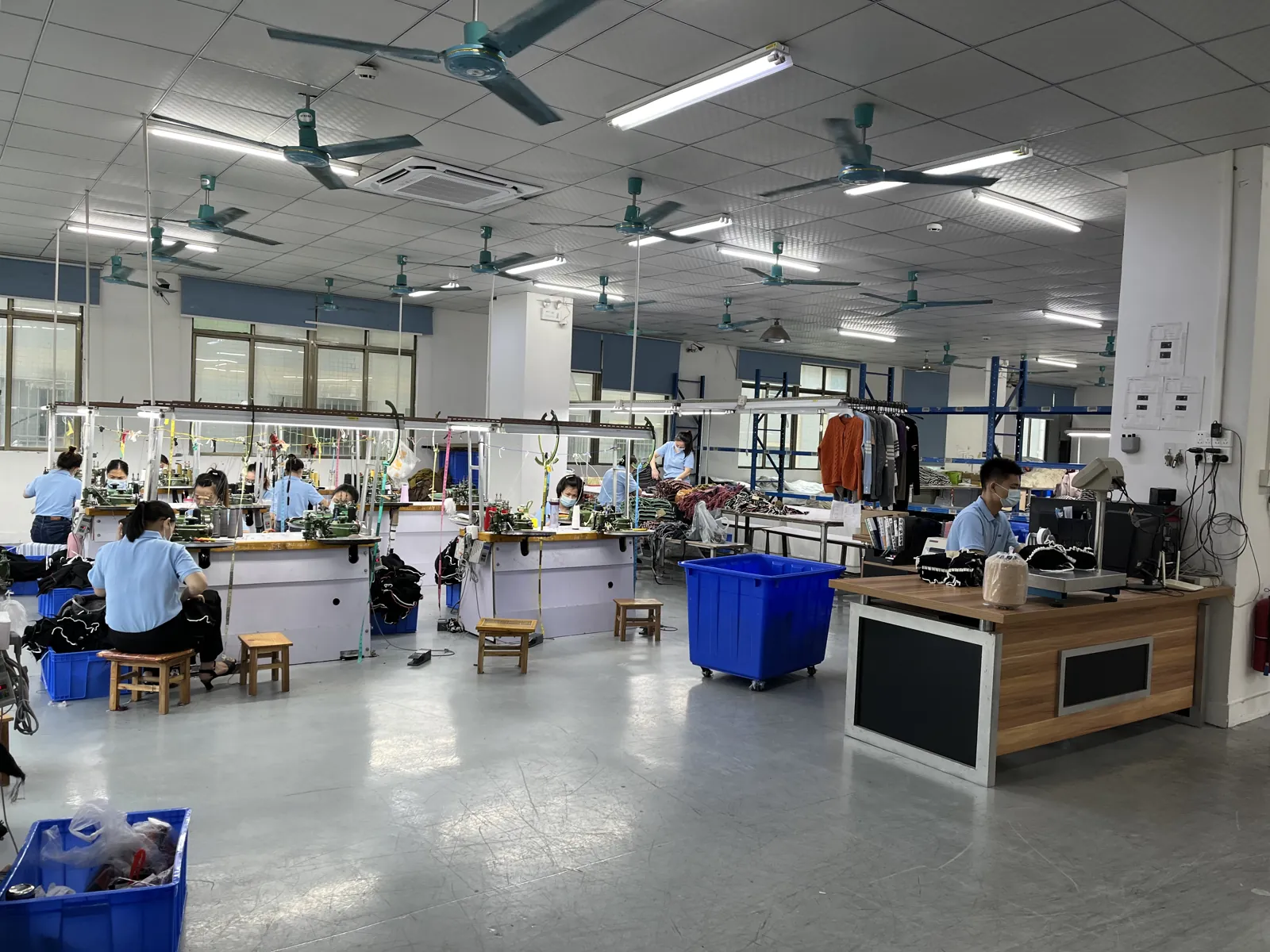
At a China knitwear factory, lead time depends on season, complexity, and yarn availability far more than on factory size. A typical bulk window for fully fashioned sweaters runs 45–75 days after PP approval and full deposit, but peak season can extend this meaningfully. Buyers who plan against an average lead time without checking the seasonal calendar tend to miss delivery windows.
Peak season pressure points with a China knitwear factory
For knitwear destined for autumn and winter retail in Europe and North America, our peak production runs roughly March through August. Booking confirmed in March or April typically secures stable lead times. Orders confirmed in June or July compete with already-booked capacity, and lead times can stretch by two to four weeks. Chinese New Year, usually late January or February, freezes most production for two to three weeks and slows the four weeks on either side; orders that must ship before CNY should have PP approval by mid-November.
What actually sits on the critical path
For most sweater programs the critical path is yarn dyeing or yarn delivery (10–20 days), knitting (varies by gauge and quantity), linking and trimming, washing and finishing, then QC and packing. Embroidery, hand-linked collars, or special trims can add 5–10 days if not flagged at order placement. Buyers should ask for a written production schedule with milestone dates, not just a final ship date.
Reasonable buffer planning with a China knitwear factory
We advise overseas buyers to add a 7–14 day buffer between target ex-factory date and the date goods must clear destination customs. Ocean transit from main Chinese ports to the US East Coast or Northern Europe typically runs 30–40 days door-to-door; air freight runs 5–10 days at significantly higher cost. The buffer absorbs normal variation in dyeing, weather-related shipping delays, and customs inspection.
What QC standards should buyers align on before bulk?
With a China knitwear factory, quality control disputes are easier to prevent than to resolve. The industry default for apparel inspection is AQL 2.5 for major defects and AQL 4.0 for minor defects, based on ISO 2859-1 sampling. These levels should be written into the PO, not assumed. Buyers who plan to use a third-party inspection partner such as Intertek textile and apparel inspection should share the inspection scope with the factory in advance so both sides reference the same defect classification.
Defect classification both sides accept
A shared defect list reduces grey-area arguments at final inspection. The table below summarizes how we classify common knitwear defects in line with standard AQL practice, so buyers can confirm or adjust the boundaries before bulk knitting begins.
The following comparison helps buyers calibrate which findings should fail a piece versus which are acceptable within sampling limits.
| Defect Type | Major (AQL 2.5) | Minor (AQL 4.0) |
|---|---|---|
| Holes / dropped stitches | Any visible hole on front body or sleeve | Pinhole on inside seam allowance, invisible when worn |
| Yarn shade variation | Clear panel-to-panel shading visible at arm’s length | Slight variation only visible under direct light comparison |
| Seam / linking | Broken or open seam, uneven linking on neck or shoulder | Minor unevenness within tolerance, no structural risk |
| Measurement deviation | Outside ±1 cm tolerance on body or chest | Within tolerance but at edge of range |
| Labels and trims | Wrong size label, missing care label, wrong fiber content | Slight label skew, minor print misalignment |
| Stains / contamination | Visible stain on outer surface | Faint mark on inside, removable by steaming |
The practical takeaway is that a shared defect grid removes most of the argument at pre-shipment inspection, since both inspector and factory grade against the same definitions.
Inline checks versus final inspection with a China knitwear factory
Final inspection alone is too late to fix systemic issues. We recommend an inline check at roughly 20–40% of knitting completion, focused on gauge, tension, and shade against the approved standard. Catching a tension drift at this stage is recoverable; catching it at final inspection often means re-knitting.
Payments, shipping documents, and customs alignment
In a China knitwear factory order, payment and document handling are where small administrative errors create disproportionate delays. The standard B2B knitwear deal still runs on T/T with 30% deposit and 70% balance against copy of bill of lading, though L/C at sight is used for larger orders or first-time relationships. Whatever the terms, lock them into the proforma invoice (PI) before yarn is booked.
Proforma invoice and PO alignment
The PI should mirror the PO exactly: style numbers, color breakdown, size run, unit price, total quantity, packing method, Incoterm (FOB, CIF, DDP), port, payment terms, and target ship date. Discrepancies between PI and PO are a common reason banks reject documents under L/C. Confirm HS codes early; sweater HS classification varies by fiber content and construction, and the wrong code at destination can trigger duty reassessment.
Packing list, shipping marks, and certificates
The packing list (PL) needs carton dimensions, gross and net weights, piece count per carton, and assortment if mixed packing. Shipping marks should be confirmed in writing, with a printed proof, before cartons are produced. For brands shipping to the EU, US, UK, and other regulated markets, due diligence expectations such as those outlined in the OECD Due Diligence Guidance for responsible supply chains in the garment and footwear sector are increasingly reflected in customs and importer compliance programs, so any required test reports, CoA, or origin declarations should be requested before shipment, not after.
Customs and destination handling
Confirm who is the importer of record, who pays duties, and whether a customs broker is already engaged at destination. Under DDP, the factory or its forwarder handles import clearance, but additional fees (chassis, demurrage, ISF in the US) can surface if the buyer’s destination details are incomplete.
Where Does China Knitwear Factory Communication Break Down?
Most communication failures between overseas buyers and Chinese knitwear factories are not language failures in the narrow sense. They are expectation failures around directness, escalation, and silence. Buyers who understand this pattern get more accurate information earlier.
Indirect signals and what they often mean
“We will try our best” usually signals the request is difficult and may not be fully achievable on the original timeline. “No problem” can mean “we have understood” rather than “we have already verified feasibility.” When something is critical, ask for a written commitment with a specific date and named responsible person. This is a common observation in cross-border sourcing analysis, including practical guides like the Maker’s Row guide to clothing manufacturers, which highlight that clarity and written confirmation are decisive for startups and growing brands.
Time zone discipline with a China knitwear factory
China is GMT+8. A US East Coast buyer sending feedback at 5 pm local time reaches the factory at 5 am the next day; effectively, one round trip per business day. Batching questions into a single structured email rather than scattered messages preserves a full working day on our side. Scheduling weekly video calls during overlap hours (early morning US, late afternoon Europe) keeps decisions moving when written exchanges stall.
Single point of contact on both sides
Multiple people from a buyer’s side sending conflicting feedback is one of the most disruptive patterns we see. Designate one merchandiser or product developer as the decision owner, even if technical or creative inputs come from a wider team. On our side, the dedicated merchandiser plays the same role, as outlined on our company background and team page.
How should buyers plan reorders and scaling with a China knitwear factory?
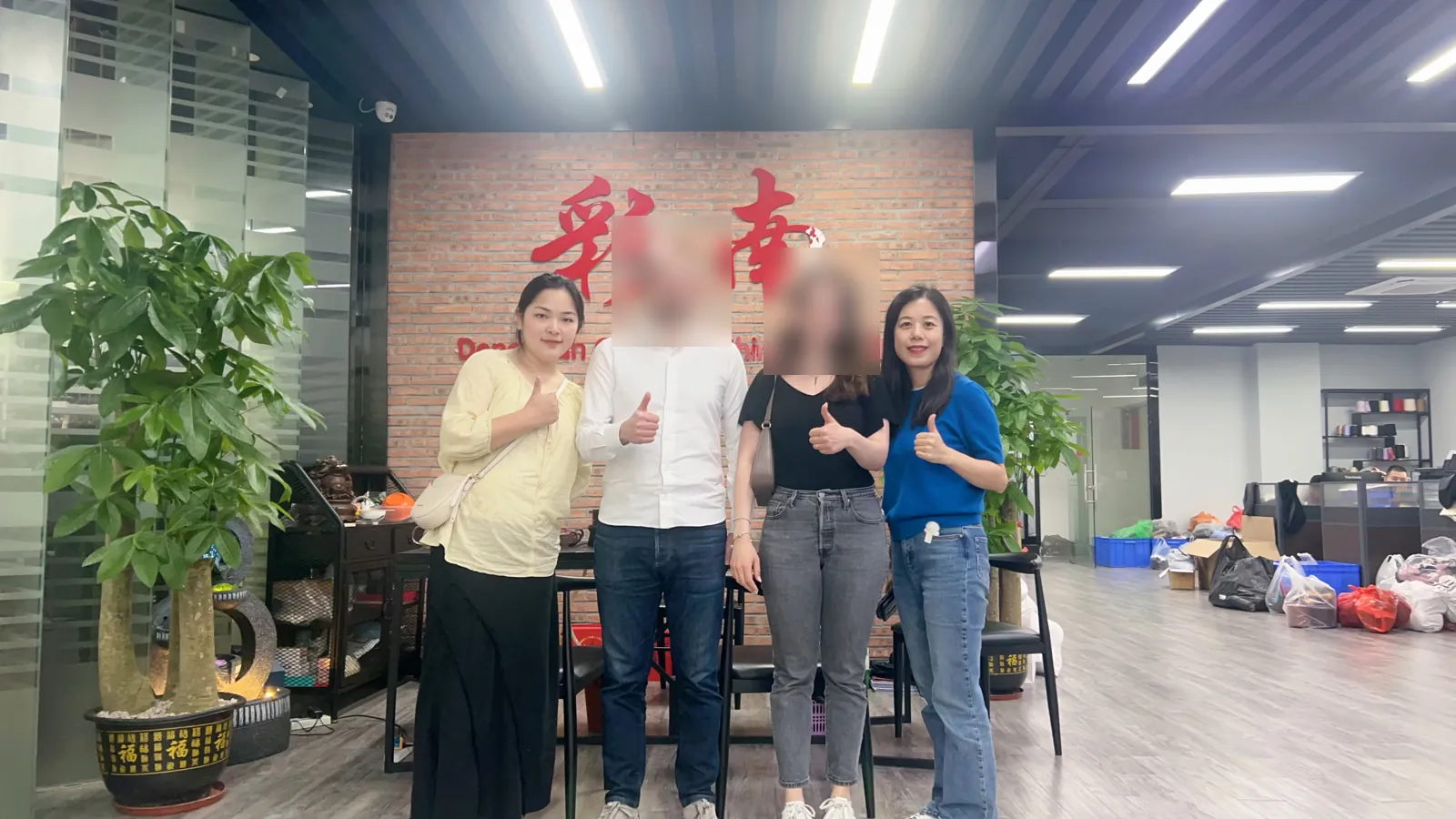
With a China knitwear factory, reorder planning is where well-managed accounts pull ahead of competitors. A buyer who signals reorder probability at the original PO stage gives the factory a reason to hold yarn, reserve capacity, and shorten the second-round lead time. A buyer who treats every order as standalone usually pays in both time and price.
Yarn stock and refill economics
Most spinners have minimum dye lot quantities, often 50–100 kg per color. On a first order, leftover dyed yarn after production may be enough for a small refill if reserved in advance. If the buyer waits 60 days to confirm a refill, that yarn is typically released or used for other orders, and a new dye lot is required, which adds 10–15 days and sometimes a small shade variation between batches. Confirming refill intent within two weeks of bulk shipment is the practical threshold.
MOQ flexibility on continuity styles
Standard MOQ for fully fashioned sweaters typically sits at 300–500 pieces per color per style for first orders, though this varies with yarn type and gauge. For continuity styles with proven sell-through, we can usually accept lower refill MOQs because pattern, grading, and yarn are already set. This flexibility is worth raising explicitly rather than assuming the original MOQ applies forever.
Forecast sharing reduces surprises
A rolling 3–6 month forecast, even with no firm commitment, lets us plan capacity and yarn bookings. Buyers who share forecasts with realistic confidence levels (committed, likely, possible) tend to receive better seasonal lead times than buyers who only send POs. The forecast does not need to be perfect; it needs to be timely.
For brands moving from small test orders into scaled programs with a China knitwear factory, building this communication discipline early pays back across every subsequent season, because the factory begins to plan around your business rather than reacting to it.
Bringing the China Knitwear Factory Checklist Together
The pattern across all seven areas is consistent. Whether the topic is tech packs, sample rounds, QC standards, or refill planning, the projects that run smoothly share three traits: documents are complete before decisions are needed, feedback is structured and dated, and one decision owner exists on each side. None of this requires special tools. It requires treating cross-border knitwear sourcing as a managed process rather than a series of email threads.
Buyers who adopt this discipline tend to see faster sample turnaround, fewer revisions before bulk, and noticeably cleaner final inspection results, which in turn protects retail launch dates and margin.
Conclusion
Working effectively with a China knitwear factory is less about finding the cheapest quote and more about building a communication framework that survives time zones, peak seasons, and quality reviews. Complete tech packs, structured sample feedback, agreed AQL standards, aligned shipping documents, and timely reorder signals are the points where small improvements compound into shorter lead times and stronger margins. If you are ready to move a program forward, share your artwork, tech pack, target garment type, quantity, fabric choice, target delivery date, and any branding or packaging requirements with our team through the cnsweaters knitwear manufacturing homepage, and we will respond with a structured development plan and quotation tailored to your timeline.
FAQ
What MOQ should we expect for a first sweater order from China?
For fully fashioned sweaters, typical first-order MOQ is 300–500 pieces per color per style, depending on yarn type, gauge, and complexity. Simpler jersey programs in common yarns can sometimes start lower, while specialty yarns (cashmere, fine merino, novelty blends) often require higher MOQs because of yarn dye lot minimums. Confirm MOQ together with yarn choice rather than in isolation.
How long does sampling usually take before bulk approval?
A standard sweater development cycle runs about 4–8 weeks from receipt of a complete tech pack to PP sample approval, assuming yarn is available and buyer feedback is returned within a few business days per round. Multiple revision rounds, late lab dip approvals, or yarn sourcing issues can extend this. Sending a complete tech pack and structured feedback is the single fastest way to shorten the cycle.
What file formats should we send with our tech pack and artwork?
PDF for tech pack documents, AI or vector files for any logos, embroidery, or intarsia artwork, and high-resolution JPG or PNG for reference images. Include a separate measurement spec in Excel where possible. Color references should be Pantone TCX or TPG codes, supported by a physical swatch sent by courier when shade accuracy is critical.
Can a factory hold yarn for our reorder, and at what cost?
In many cases yes, if confirmed within roughly two weeks of bulk shipment. Some factories include short-term yarn holding within the original order; others may request a small holding fee or partial deposit for longer reservations. Beyond about 60–90 days, holding yarn becomes commercially harder, and reorders typically need a new dye lot. Always confirm holding terms in writing.
How should we handle quality disputes after goods arrive at destination?
Document defects with clear photos, defect classification (major or minor), and a count against the shipped quantity within a reasonable window, typically 7–14 days of receipt. Reference the agreed AQL standard in the PO. Factories are generally more responsive to claims supported by inspection reports from third parties or by structured photo evidence than to general complaints, and resolution is usually faster when both sides have referenced the same defect grid from the start.