 CN Sweaters
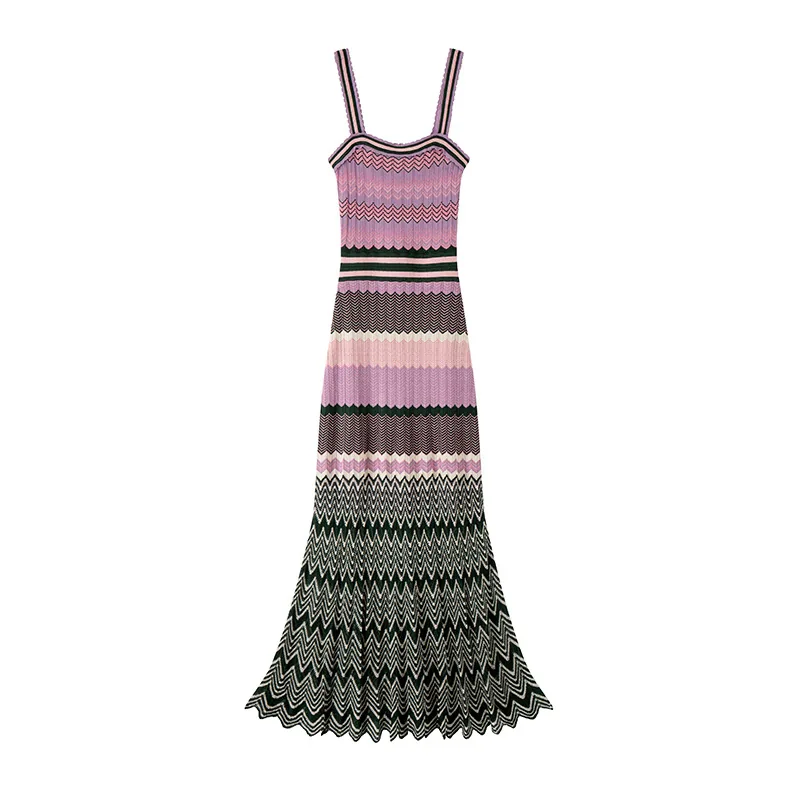
Sleeveless knitwear should rarely be treated as a discount sleeve-cut version of a hero sweater. For most brands building a layering collection, a sleeveless vest is a planning category of its own, with its own price band, color logic, and selling window. The right call usually sits in one of three positions: a styled hero piece for editorial and lookbook impact, a layering bridge that drives multi-unit baskets, or a season-extender that protects sell-through when full-sleeve knitwear cools off.
From a factory perspective, brands that get this wrong tend to lose margin in two places. They either over-invest yarn and development hours into a sleeveless style that the market reads as secondary, or they under-spec a piece that the merchandising team is quietly relying on to carry the layering story. The job of product development is to decide upfront which role each sleeveless knit plays, and then align gauge, color depth, sizing, MOQ, and delivery timing to that role. The rest of this guide walks through how we plan that mix with brand partners, where the trade-offs sit, and what a realistic development and production timeline looks like once the role is fixed.
Why Sleeveless Knitwear Deserves Its Own Product Plan
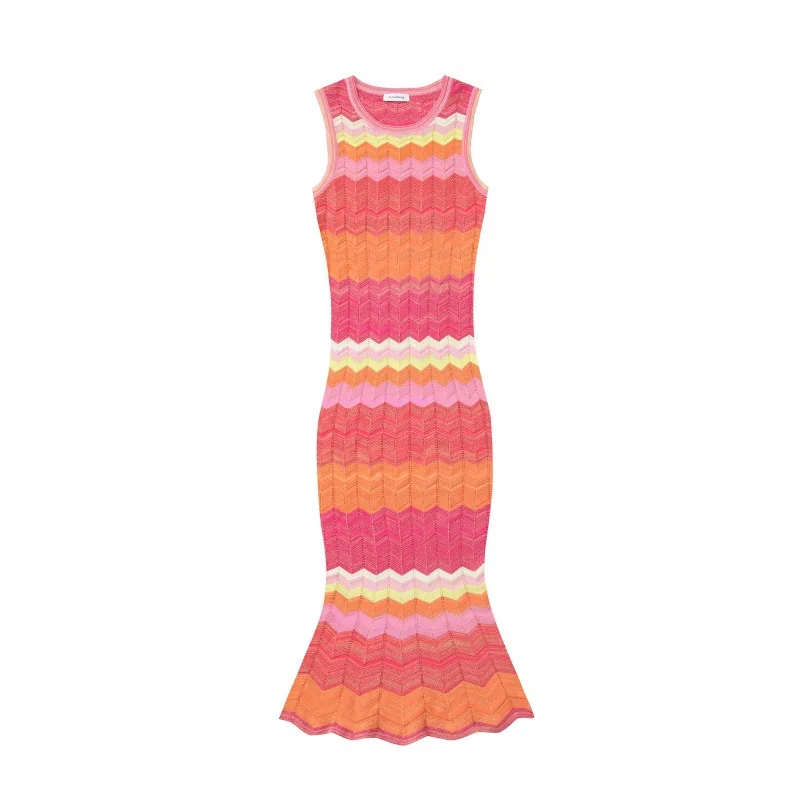
Sleeveless knitwear behaves differently from full-sleeve styles on the rail, in the dressing room, and in the basket. Treating it as a derivative of a pullover almost always leaves units on the floor. A separate plan protects margin and gives the buyer a clearer story to merchandise.
The first reason is silhouette. A vest reads as a layering piece even when the customer is shopping standalone. That changes how the front body, armhole, neckline, and hem rib must be engineered. In knit construction, removing the sleeve does not remove the engineering work. The armhole rib, shoulder slope, and front-to-back balance often need more refinement than a long-sleeve equivalent, because there is less fabric to disguise fit issues. Cotton Incorporated’s overview of knit fabric properties and stitch behavior is a useful reminder that gauge, stitch length, and finishing decide drape far more than the pattern outline does.
The second reason is commercial. Sleeveless pieces tend to sit at a lower retail price than their long-sleeve siblings, but the perceived value can be protected with stitch interest, yarn blend, or finishing details. If brands plan the vest as a styled hero rather than a cheap add-on, average order value typically improves because the customer adds a base layer or shirt in the same transaction. For B2B buyers, that translates into a real planning rule: a sleeveless style should be sized to ride alongside the bestselling sleeve styles, not built as a long-tail SKU.
How to Plan a Sleeveless Knitwear Role
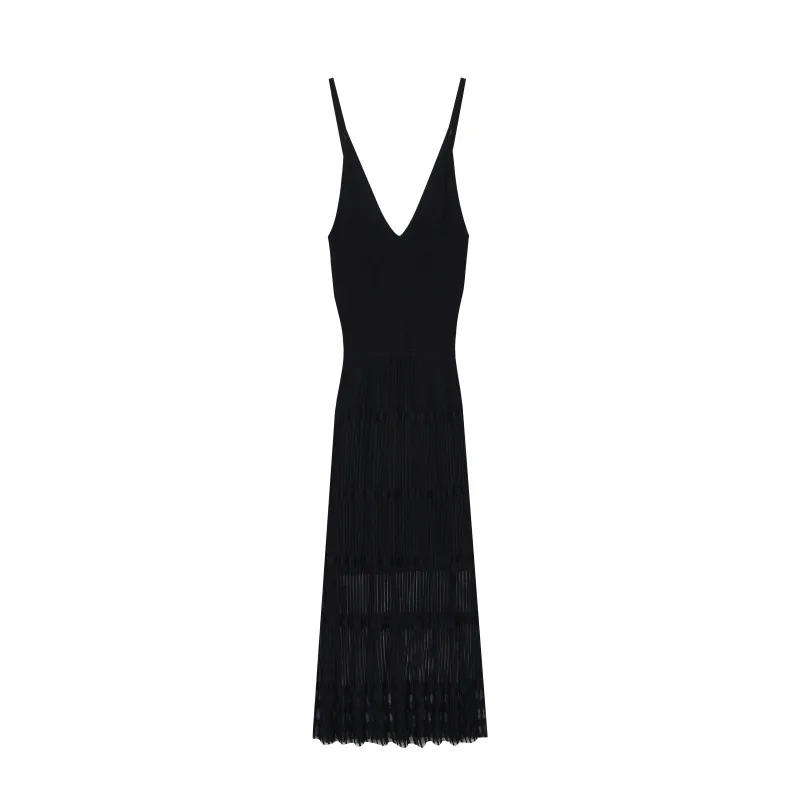
Decide the role before you confirm yarn or gauge. The three roles we see most often are hero, bridge, and extender, and each has different implications for MOQ, color count, and lead time. A simple rule from our development desk: if a brand cannot describe which of these three roles a sleeveless piece plays, the buy quantity is almost certainly wrong.
A hero vest is the styled piece that drives the look. It usually carries a distinct stitch, jacquard, or yarn story, photographs well in the lookbook, and supports full price. Hero vests justify higher development hours and more sampling rounds because the brand wants a strong identity statement. They tend to launch early in the season and sit at the top of the buy.
A bridge vest is the workhorse that multiplies cart size. It is clean, neutral, and easy to style over shirts, tees, and dresses. The fabric is usually a stable fine to mid gauge, and color depth matters more than novelty. Bridge styles benefit from broader size runs and replenishment planning because they sell across a longer window.
An extender vest is built to cover early autumn and late spring transition periods when heavier sweaters lose traction. Yarn weight is lighter, hand-feel is softer, and the silhouette is often relaxed or cropped. Extenders are where many brands quietly recover margin at the start and end of a season, but only if they are bought in time and priced with the transition customer in mind.
How Do Stitch and Gauge Choices Change the Cost Picture
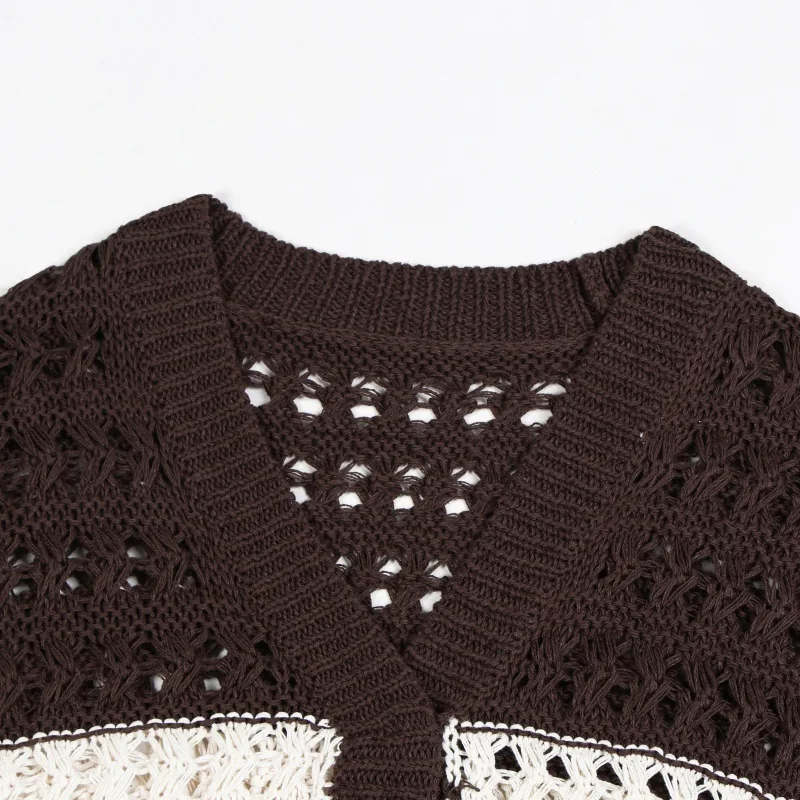
Gauge and stitch construction drive both hand-feel and unit cost more than most buyers expect. For sleeveless knitwear, choosing the wrong gauge often shows up later as poor drape at the armhole or a price that the market will not support. We usually advise locking gauge before locking color, because gauge sets the entire cost ladder.
Cotton Incorporated’s guidance on designing knit textiles makes the same point in technical terms: complex stitch structures take longer to knit, change yarn consumption, and require pattern adjustments at fitting. From a factory perspective, here is how the common choices typically behave for vest knitwear. Conditions vary by yarn type, machine, and order quantity, so treat the table as a planning reference rather than a fixed quote.
| Construction | Typical gauge | Hand and drape | Relative knitting time | Best-fit role |
|---|---|---|---|---|
| Fine jersey | 12 to 14 gg | Light, smooth, follows the body | Shorter | Bridge, extender |
| Rib body | 7 to 12 gg | Structured, stretches to fit | Medium | Bridge, hero |
| Cable or aran | 3 to 7 gg | Heavy, sculpted, statement | Longer | Hero |
| Jacquard or intarsia | 5 to 12 gg | Patterned, color-led | Longer | Hero |
| Pointelle or open stitch | 7 to 12 gg | Airy, transitional | Medium | Extender |
The table shows why a single brief such as “a sweater vest in 4 colors” is not enough to quote against. A cable hero and a pointelle extender can both be called sleeveless knitwear, but the development effort, yarn cost, and production speed are not in the same range. Confirming construction first lets the buyer plan price, MOQ, and delivery window with realistic numbers.
How to Plan Color and Size for Sleeveless Knitwear
Color and size range planning is where many sleeveless programs lose money. The instinct is to mirror the full-sleeve color card. In practice, vest customers behave differently, and a tighter, more deliberate range usually outperforms a wide one. Buy fewer colors with more depth, and earn back the difference in sell-through.
For a hero vest, two to three colors are typically enough. The piece is doing visual work in the lookbook, so a strong main color, a deep neutral, and one accent are often the most efficient buy. Going wider tends to fragment the buy across sizes and leaves orphan units. For a bridge vest, four to six neutrals usually serve the customer better, because the piece is bought to layer over existing wardrobe. Black, off-white, navy, and one seasonal accent often cover the bulk of demand. Extender vests sit in between, usually three to four colors that match the transitional palette of the season.
Size depth matters as much as color count. Sleeveless styles read fit issues more openly than sleeved pieces, especially around the armhole and shoulder. Brands that plan a vest as a hero should expect to sample the armhole and front-to-back balance more carefully, and to confirm grading rules across the full size range rather than only on the sample size. Our sampling and product development team usually recommends a fit on at least two body types when a vest is the season’s feature piece, because the armhole opening behaves differently on different builds. For B2B buyers, the planning takeaway is straightforward: fewer colors with deeper size depth tends to ship cleaner and sell through better than a wide color card with thin sizing.
What MOQ, Sampling, and Lead Time Look Like in Practice
MOQ, sampling, and lead time for sleeveless knitwear sit close to long-sleeve programs, but with a few differences worth planning for. As a working baseline at our factory, MOQ is 50 pieces per color per size for standard programs, paid samples take roughly three to five days, and bulk delivery depends on yarn lead time and quantity. These figures assume standard yarns and constructions and are not a fixed quote for every brief.
The clearest difference is that sleeveless pieces often face shorter selling windows. An extender vest aimed at early autumn needs to land before the heavy sweater wave, which compresses the planning calendar. Brands that confirm yarn and construction late in the season often find themselves choosing between in-stock yarns and the original design intent. From a factory perspective, ordering before September is usually safer, because yarn and labor costs tend to rise in the peak season and delivery windows lengthen. This is a seasonal pattern rather than a guarantee, and individual programs may vary.
Here is the typical sequence we walk brand partners through for a vest program. Realistic timing varies with yarn availability and complexity.
| Stage | Typical timing | What gets locked |
|---|---|---|
| Tech pack review | 2 to 4 days | Construction, gauge, target price band |
| First proto | 7 to 10 days | Silhouette, stitch direction, basic measurements |
| Size set and fit | 10 to 15 days | Grading, armhole, shoulder, hem rib |
| PPS sign-off | 7 to 10 days | Final yarn, color, trims, packaging |
| Bulk production | 30 to 60 days | Quantity, finishing, inspection |
The takeaway for buyers is to lock the sleeveless program calendar alongside, not after, the main sweater calendar. A hero vest that misses the photography window loses most of its commercial value, even if the bulk arrives on time.
How Do You Protect Quality Without Slowing the Program
Quality control on vests is more visible than on sleeved styles because the armhole, neckline, and shoulder are exposed. Pilling, dimensional stability, and seam strength tend to be the three issues that show up in returns. The way to protect quality without slowing the program is to align testing with the role of the vest, not to apply the same protocol to every SKU.
For a hero vest with a special yarn or stitch, dimensional stability after washing is the most useful test to run during sampling, because the silhouette depends on the body holding its shape across the lookbook and the first wears. For a bridge vest in a fine gauge, pilling and colorfastness usually matter more, since the piece will see heavier rotation against shirts and outer layers. Third-party programs such as Intertek apparel testing cover these categories and are useful when a retail buyer requires documented results. Internal AQL inspection during inline and final stages catches the visible defects, but lab testing is what supports the brand claim on the hangtag.
From the production floor, the practical sequence is straightforward. Confirm key tests during PPS, lock the pass-fail criteria in writing, run inline AQL during knitting and linking, and complete final AQL before packing. For sleeveless pieces, we usually add an armhole and shoulder check to the final inspection list, because that is the area where minor tension differences are most visible to the end customer. Brands that bake this into the program from the start avoid the late surprise of a batch that passes general AQL but fails on the silhouette detail that matters most for vests.
How to Build a Sleeveless Knitwear Mix That Sells
A workable mix for most brand-building seasons is one hero, one or two bridges, and one extender, sized in that order. The hero anchors the story, the bridges carry the volume, and the extender protects margin at the edges of the season. The exact ratio depends on channel and price point, but the principle holds across most layering programs.
For wholesale-led brands, leaning into one strong hero and a deep bridge buy tends to read well at trade shows and in showroom appointments. For DTC and private label brands, more weight on the bridge and extender often pays back faster because those are the pieces that get repurchased and styled across multiple drops. Brands running both channels usually need a slightly wider mix, with the hero supporting brand storytelling and the bridge and extender supporting reorder rhythm.
Refill planning is the part most brands underestimate. Sleeveless knitwear sells in shorter peaks than long-sleeve styles, and the reorder window can close quickly. A practical habit is to track first three weeks of sell-through on the bridge styles and place a refill order while the yarn dye lot is still active. Our OEM and ODM service is usually structured to keep yarn allocations open for an agreed period after the first bulk, which protects color consistency for the refill. For B2B buyers, the planning rule is that refill capacity should be discussed before the first PO, not after sell-through data lands.
Conclusion
Sleeveless knitwear earns its place in a layering collection when the brand treats it as a planned category with its own role, gauge logic, color depth, and timing. The biggest losses we see come from treating a vest as a cheaper version of a hero pullover. The biggest wins come from deciding early whether the piece is a hero, a bridge, or an extender, then aligning sampling, MOQ, and delivery to that role. A clean mix usually beats a wide one, and a refill plan agreed in advance usually beats a reactive one.
If you are mapping out next season and want a second opinion on where sleeveless knitwear fits in your buy, send your seasonal plan, target price band, and delivery window to our team through the Cainan knitwear contact page, and we will come back with yarn options, sampling timing, and a transparent quote.
FAQ
What is the MOQ for a custom sleeveless knitwear program? Our standard MOQ is 50 pieces per color per size, which works for most pilot or first-season programs. Unit cost improves with larger quantities, mainly because yarn can be split across more machines and knitting time per piece drops. For complex stitches or specialty yarns, the working MOQ may need to rise to make the program viable.
How long does sampling take for a vest before we can confirm bulk? Paid proto samples typically take three to five days once the tech pack is clear, with shipping adding a few more days. Allow another size set and PPS round before bulk sign-off. For a hero vest with custom yarn or jacquard, we usually plan two to three sampling rounds rather than one.
Can you support private label packaging and labels for sleeveless knitwear? Yes. Woven labels, hangtags, polybags, and retail-ready cartons can be set up to brand guidelines. For a vest program, we usually confirm the size and placement of woven labels at PPS, because the inside neckline on sleeveless styles is more visible when the garment is on the hanger.
When should we place the order to land in the right selling window? For most northern hemisphere brands, confirming yarn and construction before September keeps the program in the standard production calendar. Later confirmations are possible but tend to push into peak season, where yarn and labor pricing usually firm up and lead times lengthen.
How do you protect color consistency on refill orders? Color consistency on refills depends on holding a yarn dye lot or running a controlled re-dye against the original lab dip. We usually agree the refill window at the first PO so yarn can be reserved, which is the practical way to keep color stable across multiple shipments.