 CN Sweaters

Sourcing a chunky knit cardigan based on aesthetic photos or digital mockups alone is one of the most costly errors an apparel brand or procurement manager can make. It frequently results in unsellable production runs characterized by extreme garment weights, disappointing hand-feels, structural distortion, and unviable unit margins. Without defining explicit physical parameters like machine gauge, yarn count, and stitch density early in the development cycle, a design that looks cozy and light in a photography studio can easily translate into a two-kilogram product that sags off retail hangers and depletes shipping budgets.
In the competitive winter apparel sector, successful procurement requires treating heavy knitwear as a structural engineering challenge rather than a purely visual asset. To safeguard margins and ensure product durability, buying teams must master the interplay between knitting machine limitations, yarn geometry, and fiber behavior. This technical analysis outlines the physical realities of low-gauge manufacturing, helping brands move from risky, visual-led sourcing to precise, specification-driven procurement.
Why is visual-only sourcing risky for a chunky knit cardigan?
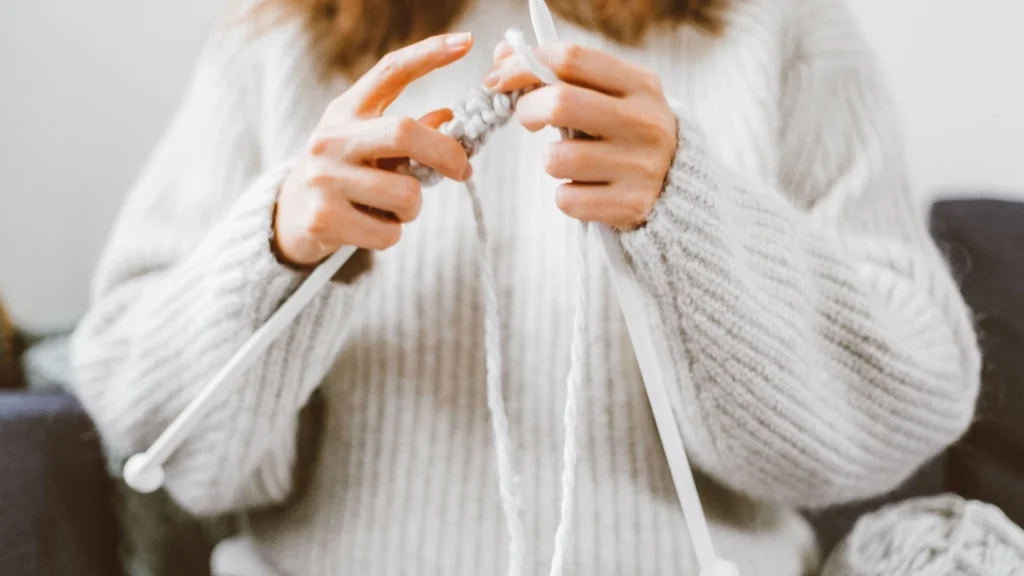
Sourcing flat-image representations of heavy knitwear is inherently high-risk because digital photographs completely mask the physical relationships between stitch tension, loop length, yarn count, and finished garment weight, leading to massive sampling friction and margin erosion.
The Delusion of Flat Digital Samples
When procurement teams evaluate a chunky knit cardigan through a high-resolution image, they see loft, pattern definition, and color. They do not see the weight-per-square-meter of the fabric or the tension settings on the machine. A visual match can be achieved in a dozen different ways, some of which are commercially unviable. For instance, a manufacturer might replicate a heavy aesthetic by knitting a loose, cheap yarn on a high-gauge machine with extreme tension adjustments, resulting in a stiff, lifeless fabric that pills instantly. Conversely, another factory might achieve the look using heavy, multi-ply cotton that feels premium but exceeds the brand’s maximum target weight, leading to unexpected bulk shipping surcharges.
Hidden Margin Killers in Volumetric Shipping
Heavy knit cardigans are highly volumetric products that present severe logistics challenges. If the yarn consumption and density are not calculated prior to sampling, the physical weight of each unit can easily exceed 900 grams, with some cable knit cardigan patterns reaching up to 1.5 kilograms per piece. In bulk sea and air freight, these heavy shipments quickly consume weight and volume limits, causing landed costs to skyrocket past initial margin calculations. Without establishing specific weight and density targets based on standard knit basics, brands expose themselves to expensive product line cancellations or margin-destroying air freight fees when attempting to hit winter retail delivery windows for your cardigans . Furthermore, since raw material is purchased by weight, any miscalculation in the initial tech pack translates directly into volatile material costs during production.
How do machine gauge and yarn count dictate fabric performance?
Machine gauge (GG)—defined as the number of needles per inch across the needle bed—and yarn count establish the absolute boundary for stitch density, fabric thickness, and structural integrity, making them the most critical variables in the technical specification of any knit cardigan.
The Technical Balance of Needle Space and Yarn Diameter
The fundamental mechanics of flatbed knitting require that the chosen yarn thickness matches the space available between the machine’s needles. If you attempt to knit a chunky yarn cardigan on a high-gauge machine, such as a 12GG or 14GG setup, the yarn will snag, break, or produce a dense, cardboard-like fabric that lacks drape. According to the industry guidelines found in the CottonWorks Knit Basics learning hub, the gauge of the knitting machinery restricts the range of yarn counts that can be used successfully. Conversely, running a thin yarn on a chunky 3GG machine results in a loose, fragile, and highly transparent net-like structure. Designers and buyers must align their visual expectations with machine capabilities by utilizing the proper yarn count—expressed in metrics like Nm (meters per gram) or Ne (cotton count)—and ply combinations to achieve a balanced, commercial hand-feel.
Sourcing Specifications for Low-Gauge Heavywear
To guide your product development team, we have compiled a structural comparison illustrating how machine gauge and yarn count coordinate to produce distinct garment weights and aesthetic outcomes. The table below compares standard technical specifications for cardigans and sweaters , illustrating the trade-offs between gauge, yarn count, and finished product weights.
| Machine Gauge (GG) | Common Yarn Count & Ply Combinations | Finished Garment Weight Range (M Size) | Primary Aesthetic & Best-Use Silhouette |
|---|---|---|---|
| 3 GG | Nm 2/16 (3-6 Ply) or Nm 1/1.5 (Single Chunky) | 800g – 1,400g | Oversized heavy knit cardigan, prominent cable structures |
| 5 GG | Nm 2/28 (4-8 Ply) or Nm 2/16 (2-3 Ply) | 600g – 900g | Classic chunky cardigan, cozy mid-weight layering |
| 7 GG | Nm 2/28 (3-4 Ply) or Nm 2/16 (2 Ply) | 450g – 650g | Standard textured knit cardigan, refined autumn wear |
| 12 GG | Nm 2/28 (2 Ply) | 280g – 400g | Fine-gauge lightweight sweaters, sleek retail layering |
This technical data demonstrates how a decrease in machine gauge directly corresponds to a substantial increase in finished garment weight, highlighting why choosing the correct gauge is crucial for meeting budget and shipping constraints.
Why does yarn consumption escalate costs in cable knit cardigan designs?

Structured designs like a cable knit cardigan consume significantly more yarn than flat-jersey structures because the physical crossing-over of stitches pulls adjacent needles closer together, compacting the fabric horizontally and requiring extra courses to achieve the same finished length.
The Geometric Math of Textured Stitching
The aesthetic appeal of traditional cable patterns lies in their three-dimensional depth, but this visual richness comes with a high manufacturing premium. When a knitting machine executes a cable crossover, it forces multiple yarn plies to overlap, which substantially increases fabric thickness and density in those localized zones. This structural compression means that a textured cable cardigan will consume between 15% and 30% more yarn than a plain jersey cardigan of the exact same dimensions. According to the technical guide on CottonWorks Designing Knit Textiles , complex knitting patterns alter fabric tension, stitch density, and weight distribution, frequently leading to sample garments that run significantly heavier than initial design sketches anticipated.
Managing Cost and Weight Trade-Offs
For B2B buyers working within strict target price-points, managing yarn consumption is a balancing act. If a cable design is specified in 100% heavy wool, the unit cost can escalate rapidly due to the sheer volume of high-value raw material required. Procurement managers can mitigate this cost by strategically positioning cables on the front panels while utilizing flat jersey or simple rib stitches on the sleeves and back. This hybrid styling maintains the premium retail presentation from the front while reducing overall garment weight, optimizing manufacturing cycle times, and keeping the bulk FOB price within profitable boundaries. Furthermore, minimizing the number of stitch transfers required for complex cables helps reduce flatbed knitting machine cycle times, directly lowering the processing cost per garment on the factory floor.
How do fiber choices modify heavy knit cardigan weight budgets?
Fiber selection determines the physical density, thermal performance, and draping properties of the cardigan, meaning that identical stitch patterns will exhibit radically different physical weights and retail performances depending on whether natural wool, cotton, or engineered synthetic blends are specified.
Natural Wool Versus Cotton in Heavy Gauges
The choice of fiber is the most decisive factor in determining whether a heavy knit cardigan feels premium or overly burdensome. Natural wool is highly prized for its thermal efficiency and elastic recovery; a wool cardigan drapes beautifully and resists wrinkles. However, coarse wool fibers can feel scratchy to the consumer if not blended with softer fibers. Cotton, while exceptionally soft and hypoallergenic, is significantly denser than wool. A 100% cotton chunky cardigan knitted in a 3GG structure can easily exceed 1.2 kilograms, resulting in a garment that feels heavy on the shoulders and is prone to stretching out of shape when hung.
Engineered Blends and Hollow-Core Synthetics
To resolve the weight-to-warmth dilemma, modern manufacturers rely on engineered yarn blends. Blending wool with lightweight acrylic, nylon, or polyester fibers reduces the overall weight of the yarn while maintaining the desired “chunky” visual profile. Specialty yarns, such as hollow-core polyester or “exploded” air-spun yarns, trap air inside the fiber structure. This allows brands to develop a plush, voluminous chunky yarn cardigan that weighs up to 40% less than a comparable solid-cotton or solid-wool equivalent. These lightweight synthetic blends not only reduce raw material costs but also drastically lower international shipping fees, offering a highly practical solution for value-oriented retail brands. When developing a seasonal line of cardigans , procurement teams should evaluate sample swatches in multiple fiber compositions to find the optimal sweet spot between luxurious hand-feel, structural loft, and physical weight.
Why does dimensional stability fail in loose chunky yarn cardigan production?
Loose, heavy-gauge cardigans inherently lack dimensional stability because the large, open stitch loops provide minimal internal resistance, allowing the fabric to warp, sag, or shrink excessively when subjected to the mechanical stresses of washing and wearing.
The Mechanical Impact of Gravity and Wear
The very characteristics that make a chunky cardigan appealing—its soft, relaxed, and voluminous texture—make it highly vulnerable to structural deformation. In low-gauge knitwear, the tension is often kept relatively loose to preserve the soft hand-feel of the thick yarn. However, as gravity acts on the heavy fabric, those loose loops begin to elongate vertically while narrowing horizontally. This mechanical sagging is particularly severe around the shoulders, armholes, and button plackets, causing the cardigan to grow several inches in length after only a few wearings. Without careful adjustment of stitch length during development, a medium-sized garment can quickly stretch into an extra-large silhouette, leading to high consumer return rates and rapid shape loss during retail wear of heavy sweaters .
Crucial Laboratory Testing Protocols
To protect your brand’s reputation and minimize retail returns, third-party quality testing is essential. Leading testing facilities like Intertek Apparel Testing offer comprehensive physical evaluations to ensure knitwear products remain stable throughout their lifecycle. These evaluations typically focus on dimensional stability to washing, pilling resistance, and seam strength.
According to standard quality control guidelines, high-performance knitwear should achieve:
- Dimensional Stability (ISO 6330): A washing shrinkage/elongation tolerance of no more than +/- 5% for knitwear.
- Pilling Resistance (ISO 12945-2): A minimum pilling grade of 3 or higher after standard washing cycles.
- Seam Bursting Strength (ISO 13935-2): A minimum strength requirement of 10 to 12 kilograms to ensure heavy linked seams do not split under stress.
Implementing these performance checks during the sampling phase prevents catastrophic fabric failure during bulk manufacturing. Furthermore, specifying reinforced tape along the shoulder seams and stable ribbing along the placket helps lock the garment’s dimensions, countering the natural tendency of loose knit structures to distort over time.
What are the lead time and quality control risks of chunky cardigan manufacturing?
Sourcing a chunky yarn cardigan involves substantial supply chain risks because the thick, low-gauge yarns require specialized spinning machinery that is highly vulnerable to seasonal capacity bottlenecks, and the slow knitting speeds of heavy-gauge flatbed machines naturally lengthen production lead times.
Specialized Machinery and Seasonal Bottlenecks
Unlike fine-gauge knits that can be produced rapidly on high-speed machines, low-gauge cardigans demand specialized flatbed knitting machines, typically 3GG or 5GG. Because these machines are highly specialized, flatbed capacity in major manufacturing hubs fills up quickly during the peak autumn and winter production windows (typically May through August). If a brand delays its tech pack approvals or artwork submissions, finding available machine capacity can take weeks, pushing delivery dates past the critical pre-winter retail launch. Additionally, thick yarns are rarely kept in stock by spinning mills; they must be custom-spun and dyed to order, which introduces an additional 30 to 45 days of raw material lead time before knitting can even begin on the factory floor.
Critical Quality Checkpoints to Avoid Defective Shipments
To maintain quality standards during high-volume production, quality control teams must enforce strict checkpoints at every stage of the manufacturing process. Heavyweight cardigans require meticulous assembly, particularly at the linking stage. Linking is a stitch-by-stitch assembly process that creates flat, durable seams. Because thick yarns are bulky, some factories resort to faster, cheaper overlock stitching instead of proper linking, which leads to bulky, uncomfortable seams that are prone to unraveling. Quality inspectors must verify that shoulder seams are fully linked and reinforced. Additionally, because chunky garments absorb large amounts of moisture during wet finishing, thorough drying protocols must be monitored to prevent the development of mold or off-odors during transit in sealed shipping containers. By addressing these manufacturing realities early in your production calendar, procurement teams can secure factory capacity, stabilize wholesale pricing, and ensure timely on-shelf delivery of their winter collection.
How do finishing treatments influence the hand-feel and retail appeal of thick cardigans?
Post-knitting chemical and mechanical finishing treatments, including enzyme washes, softeners, and light milling, are essential steps that convert stiff, raw-knitted panels into plush, commercially appealing retail products with a luxurious hand-feel.
The Role of Chemical Softeners and Enzyme Washes
When a chunky cardigan first comes off the flatbed knitting machine, it is often stiff, coated in spinning oils, and rough to the touch. To release the natural softness of the fibers, the knitted panels must undergo a thorough scouring and washing process. For cotton and cellulosic blends, industrial enzyme washes are applied to gently digest loose surface fibers, reducing the potential for future pilling and dramatically improving the fabric’s drape. For high-end wool cardigans, adding specialized silicone or cationic softeners during the rinse cycle coats the wool scales, neutralizing their scratchy texture and giving the garment a cashmere-like finish that commands premium retail pricing.
Mechanical Raising and Milling Techniques
In addition to chemical treatments, mechanical processes can be used to alter the surface texture of a chunky knit cardigan. Milling involves tumbling the garments under controlled temperature and moisture conditions, causing the fibers to bloom and slightly felt. This creates a denser, wind-resistant fabric with a cohesive look. Alternatively, a brushing process can be utilized to raise a soft, fuzzy nap on the fabric surface. However, manufacturing teams must carefully calibrate these treatments; excessive milling or brushing weakens yarn structure, increases the risk of shedding, and compromises the cardigan’s dimensional stability, which can lead to rapid shape loss during retail wear. Apparel buyers should work closely with their manufacturing partner during the prototyping stage to approve a “wash-down” standard, ensuring that the bulk production run matches the approved aesthetic without sacrificing long-term durability.
Conclusion
Sourcing a successful chunky knit cardigan collection requires moving past flat photographs and adopting a disciplined, technical approach to product development. By specifying machine gauge, yarn counts, stitch patterns, and target weights during the initial design phase, apparel brands can eliminate expensive sampling cycles, protect their profit margins, and deliver high-performance garments that stand the test of time. Partnering with an experienced knitwear manufacturer allows your brand to navigate these complex variables seamlessly, ensuring that your winter designs translate perfectly from technical drawings to retail shelves. To secure flatbed machine capacity for the upcoming autumn and winter seasons, we recommend initiating technical reviews as early as possible. We invite you to visit our custom product line of quality cardigans and contact us today to discuss your next collection. Send your target weight, gauge, yarn idea, and cardigan silhouette for production advice, and our engineering team will provide a comprehensive manufacturing analysis to bring your designs to life safely, on-time, and within budget.
FAQ
What is the typical Minimum Order Quantity (MOQ) for a custom chunky knit cardigan?
The Minimum Order Quantity is heavily dependent on the chosen yarn type. If you utilize our standard stock yarns, the MOQ can be as low as 150 to 300 units per color. However, if your design requires custom-spun, specialty-dyed, or highly textured low-gauge yarns, spinning mills typically enforce a raw material minimum that translates to 500 to 1,000 units per style.
How long does the sample development and bulk production cycle take for heavy-gauge cardigans?
Sample development typically takes 7 to 14 days, provided tech packs are complete and stock yarns are available. Bulk manufacturing generally requires 45 to 60 days. This timeline is heavily influenced by yarn availability and seasonal machine capacity, as low-gauge knitting machines run significantly slower than fine-gauge flatbeds, making early booking crucial.
How can we prevent our chunky cardigans from stretching out of shape during shipping and retail display?
To prevent structural sagging, we recommend several technical measures during development: specify nylon-reinforced shoulder tape to lock the shoulder seams, utilize tight rib structures along the placket, and perform comprehensive washing and drying shrink-tests beforehand. At the retail level, chunky cardigans should always be stored folded on shelves rather than hung on hangers.
Why is shipping and logistics more expensive for low-gauge sweaters and cardigans compared to fine-gauge apparel?
Low-gauge garments are highly volumetric and heavy. A standard shipping carton that easily fits 40 fine-gauge sweaters might only accommodate 10 to 15 chunky cardigans. This significantly increases both volumetric and weight-based shipping rates, which is why calculating garment weight during sampling is critical to avoiding post-production logistics budget overruns.
What artwork or tech pack files do you require to begin a technical sample development?
To initiate prototyping, please provide a complete tech pack containing detailed CAD flat sketches, exact garment measurements, desired yarn composition, target weight, machine gauge preference, and any specific branding or packaging requirements.