 CN Sweaters

For most mid-to-upper-tier menswear and seasonal knitwear programs, a wool zip up sweater is the safer commercial choice, while a cashmere zip up sweater only earns its place when the brand positioning, retail price, and customer expectation can absorb the higher yarn cost and the stricter care profile. The two materials look similar on a moodboard, but they behave very differently in development, in bulk production, on the shelf, and after the first three washes at the customer’s home. Treating them as interchangeable is one of the most common reasons a zip-up knit program either loses margin or under-delivers on perceived quality.
The decision is rarely about which fiber is “better.” It is about which fiber matches your target retail price, your channel, your customer’s washing habits, and the volume you actually need to move per season. A 100% cashmere full zip cardigan retailing at USD 89 in a department store will return as a complaint. A coarse wool zip up sweater priced at USD 320 in a boutique will sit on the rack. The fiber has to fit the slot.
From a factory perspective, we see buyers under-estimate three things: the gauge and yarn count differences required between the two fibers, the pilling behavior in the first 30 days of wear, and the gap between hand-feel on a 20cm swatch and hand-feel on a finished 600g garment. This guide walks through those trade-offs so a private label or buying team can build a zip-up knit program that holds up commercially and technically.
How Do Wool and Cashmere Compare on Warmth and Hand-Feel
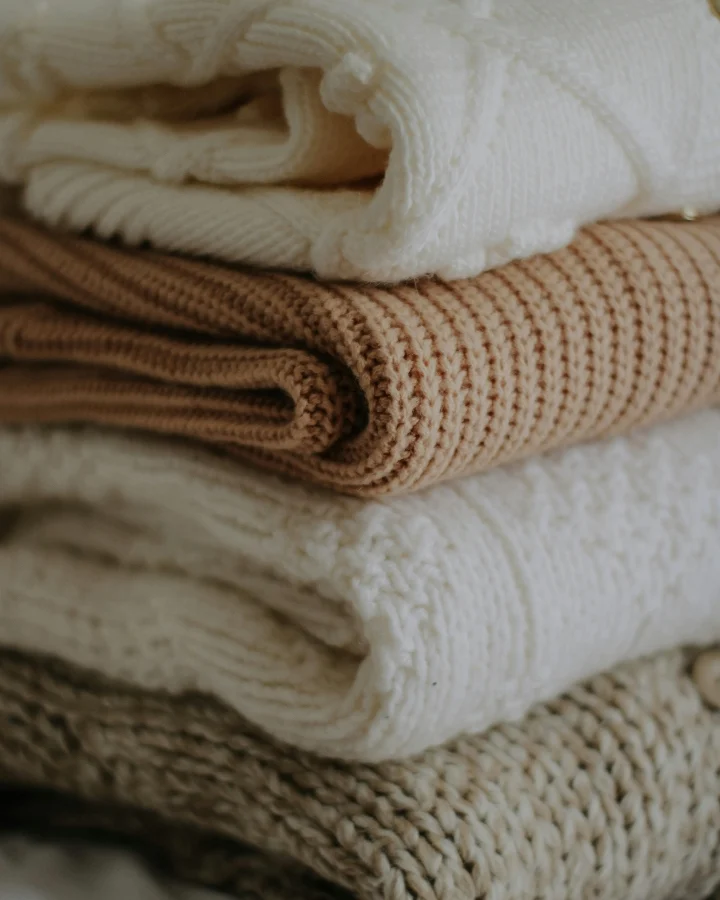
Wool and cashmere both insulate well, but they reach warmth differently, and that difference shapes how a zip up sweater wears in real conditions. Cashmere fibers are finer (typically 14–19 microns) and trap more still air per gram, so a lighter cashmere full zip sweater can feel as warm as a heavier wool piece. Merino and lambswool fibers, usually 18–24 microns, build warmth through density rather than fineness, which is why a wool zip cardigan often ends up 80–150g heavier than a cashmere equivalent at the same visual gauge.
Hand-feel is where the gap is most visible in the showroom. Cashmere reads as soft, fluid, and slightly cloud-like against the neck and wrist. Wool ranges from crisp lambswool to buttery washed merino, and the best merino qualities now come close to entry-level cashmere in softness but rarely match the drape. For a buyer building a fall-winter capsule, this means cashmere wins on first-touch impression while wool wins on structure, shape retention around the zip placket, and visual weight on a hanger.
The practical implication for a B2B buyer: if your retail customer judges quality by picking up the garment and rubbing it between two fingers, cashmere will close the sale faster. If your customer judges quality by how the zip-up holds its shoulder line after a season, mid-to-high grade wool is the more forgiving choice. Programs that mix both, often a wool body with cashmere-blend trims, are a common compromise we develop for brands trying to balance perceived softness with structural durability.
Yarn Cost, Garment Weight, and Target Retail Price
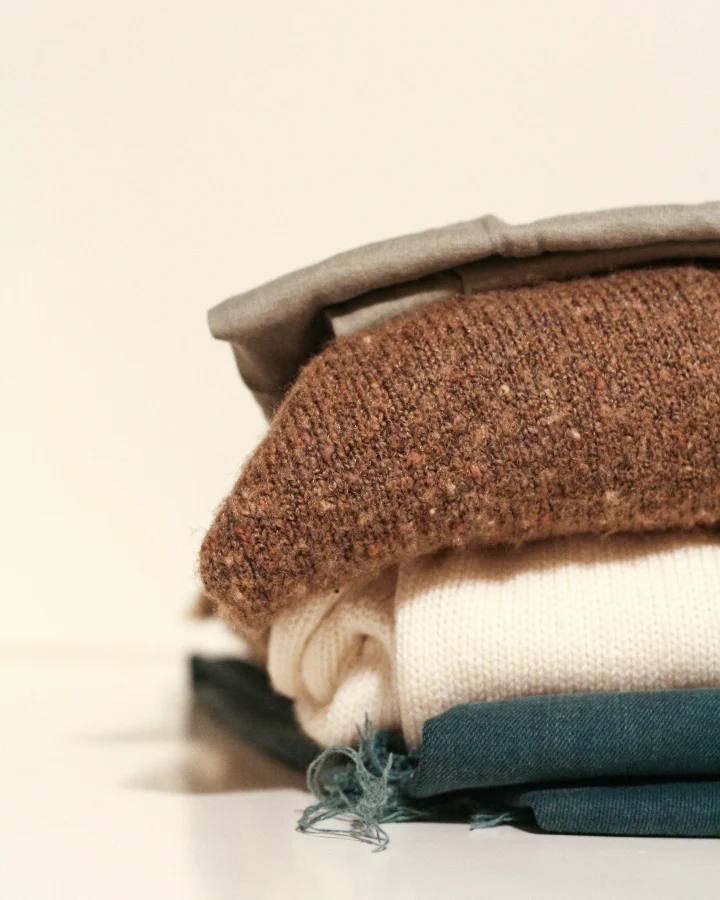
A cashmere zip up sweater typically costs three to six times more in raw yarn than a comparable wool version, and that ratio sets the floor for every other commercial decision. As of recent market data, greasy wool prices in Australia have moved within a roughly AUD 1,000–1,200 per 100kg clean range, while finished cashmere yarn from Inner Mongolia commonly trades at multiples of fine merino top, depending on grade and ply. Even with the same knit structure and trim package, the cost-of-goods gap between the two is structural, not negotiable.
Garment weight amplifies the cost difference. A standard men’s full zip wool sweater in 7gg lambswool sits around 520–620g. The same silhouette in 12gg two-ply cashmere usually lands at 340–420g because the yarn count is finer and the fabric is thinner. Lighter does not mean cheaper here, the yarn-per-gram cost more than offsets the weight reduction. Buyers who plan around “we will just use less material” are usually surprised when the quotation comes back.
Below is a simplified view we share with buyers when they first scope a zip-up program. Figures are indicative ranges we see across OEM development, not fixed quotes.
| Factor | Wool Zip Up Sweater | Cashmere Zip Up Sweater |
|---|---|---|
| Typical gauge | 5gg – 7gg | 7gg – 14gg |
| Finished weight (men’s M) | 500–650g | 320–450g |
| Raw yarn cost index | 1x | 3x – 6x |
| Realistic retail price band | USD 90 – 220 | USD 280 – 650 |
| Best-fit channel | DTC, multi-brand retail, mid-market | Premium boutique, department store, luxury DTC |
The takeaway is that material choice locks in the retail price band before sampling even starts. Trying to position a 100% cashmere zip cardigan below USD 250 retail usually forces compromises on ply, origin, or finishing that show up later as pilling complaints.
Which Fiber Pills More and What Does That Mean for Returns
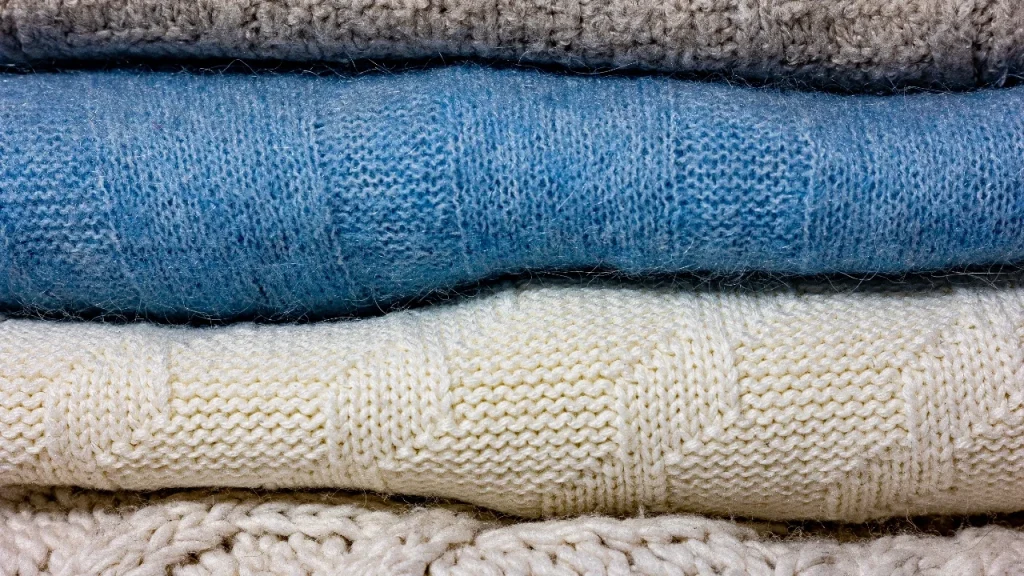
Cashmere generally pills more visibly in the first 30 days of wear than mid-to-high grade wool, and this single factor drives more after-sales friction than any other material issue we see. Pilling on cashmere is not a defect, it is the short, fine fibers working their way to the surface. The garment will stabilize after the initial shedding phase, but end customers rarely know that, and a department store with a 30-day return window can see elevated return rates on cashmere knitwear if the care messaging is weak.
Wool knitwear pills too, especially shetland and softer lambswool qualities, but the pills are usually fewer, larger, and easier to remove with a fabric comb. Worsted merino in tighter gauges pills the least among common wool types. For a wool zip cardigan built in 7gg two-ply worsted merino, pilling complaints typically drop to a level most buyers consider commercially acceptable without special care inserts.
The trade-off matters more on full zip styles than on pullovers. The zip placket and the rib at the cuffs and hem rub against bags, belts, and jacket linings more than the body of the garment does. We commonly recommend reinforcing those friction zones with a tighter knit structure or a small percentage of nylon in the blend, especially for cashmere full zip sweaters going into channels with generous return policies. Testing standards from independent labs such as Intertek textile testing services cover Martindale abrasion and pilling resistance, and we recommend buyers specify a target grade in the tech pack rather than relying on visual inspection alone. For programs sold in markets where customer expectations are calibrated by the Woolmark standard, aligning care labels with Woolmark wool care guidance reduces the gap between what the brand promises and what the customer experiences.
Care Requirements and Label Expectations on the Shelf
Both fibers require gentle care, but the customer’s perception of “high maintenance” differs sharply between wool and cashmere, and that perception affects repeat purchase. A wool zip up sweater carrying a “hand wash cold or wool cycle, lay flat to dry” label fits within what most mainstream customers already expect from knitwear. A cashmere zip cardigan with the same label feels acceptable at USD 400 retail and feels excessive at USD 150 retail. The label is the same, the expectation is set by the price.
From a development standpoint, we usually recommend buyers align their care instructions with the procedure described in the Woolmark wash wool sweater guide, which covers water temperature, detergent choice, and drying method. This is not a marketing claim, it is a reference point that gives the brand a defensible position if a customer damages the garment by machine drying it. Care labels should be specific. “Dry clean only” on a cashmere full zip sweater limits the addressable customer base, while a clear hand-wash instruction with a Woolmark-aligned procedure broadens it.
For private label teams, the care label is also a margin tool. Programs that include a small care insert card, a soft fabric bag, and a one-line styling note often see fewer returns on cashmere pieces because the customer treats the garment as an investment rather than a regular knit. We see this pattern repeatedly across boutique and gift-channel programs. For mid-market wool zip-up programs, the same investment in packaging usually does not move the needle and adds cost without commercial return, so the spend should be reserved for higher-tier material choices. Buyers exploring the broader range of constructions we handle can review our zip-up and hooded knitwear capabilities to understand which finishing options are realistic at each price tier.
MOQ, Lead Time, and Sampling Differences Between Wool and Cashmere
MOQ and lead time differ between wool and cashmere programs mainly because of yarn sourcing, not garment construction. Standard merino and lambswool yarns are usually available from mill stock or short-lead dyeing, which lets us run wool zip up sweater programs at MOQs starting around 200–300 pieces per color per style for stock-color yarn, with lead times of roughly 45–60 days from approved bulk sample. Cashmere yarn, especially in custom colors or specific blends like 90/10 cashmere/silk, often requires longer mill lead time and higher minimum yarn purchase, which pushes garment MOQs to 300–500 pieces per color and lead times closer to 60–80 days.
Sampling behaves differently too. A wool zip cardigan sample typically goes through one to two rounds before approval, because the yarn is forgiving and the knit structure is well understood across factories. Cashmere sampling often needs two to three rounds, especially when the brand wants a specific drape, a tight rib at the cuff, or a clean zip placket without distortion. Cashmere fibers move during steaming and pressing more than wool does, so the finishing stage matters more, and we usually budget extra time for it.
For B2B buyers, the practical takeaway is that cashmere programs reward longer planning cycles. Trying to compress a cashmere full zip sweater program into a six-week timeline rarely produces the quality the price tag promises. Wool programs have more flexibility, which is why fast-turn capsules, restocks, and refill orders are usually built on wool platforms. When a buyer asks us about adding a refill order mid-season, our first question is which fiber, because the answer changes whether we can confirm in two weeks or two months. The broader range of sweaters we develop reflects this split, with wool platforms carrying the majority of refill volume.
Building the Right Mix for Your Brand Positioning
The most resilient zip-up knit programs we develop rarely sit at 100% wool or 100% cashmere across the entire range. Most buyers end up with a tiered structure, and understanding that structure before tech packs are issued saves rounds of revision later. A typical tiered approach places mid-grade wool zip up sweaters at the volume entry point, a wool-cashmere blend (commonly 70/30 or 80/20) at the mid-tier, and a 100% cashmere zip cardigan at the top of the range. Each tier carries its own MOQ, lead time, and margin profile.
Blends deserve more attention than they usually get. A 90/10 wool/cashmere yarn improves hand-feel measurably without moving the cost-of-goods into cashmere territory. A 50/50 wool/cashmere blend reads as cashmere to most customers but carries roughly half the yarn cost. These are not compromises, they are deliberate positioning tools, and they let a brand offer a “cashmere blend” story at price points where pure cashmere would not work commercially.
What to Specify in the Tech Pack
Beyond fiber content, the tech pack should specify yarn count (e.g., 2/26Nm), ply, gauge, target finished weight, zip type and tape composition, rib structure at cuff and hem, and acceptable pilling grade after a defined wash cycle. Vague tech packs produce vague samples. Specific tech packs produce samples we can quote against with confidence and that match the bulk production.
When to Choose Wool Over Cashmere
Choose wool when the program needs to hit a retail price below USD 250, when refill orders are likely, when the customer base machine-washes knitwear, or when the silhouette needs structure rather than drape. A full zip wool sweater in worsted merino covers most of these scenarios without compromise.
When Cashmere Justifies the Cost
Choose cashmere when the brand positioning supports retail above USD 300, when the channel includes gift purchase or premium boutique, when the customer expects to dry clean or hand wash, and when softness is the dominant selling point. In these cases a cashmere full zip sweater earns its margin and reduces price-sensitivity in the buying decision.
Conclusion
The choice between a wool zip up sweater and a cashmere zip up sweater is a commercial decision before it is a material decision. Wool wins on cost flexibility, refill speed, structural durability, and customer care expectations across mainstream channels. Cashmere wins on hand-feel, perceived luxury, and margin headroom in premium positioning, provided the retail price and channel can carry the additional cost and care profile. Most successful programs we develop combine both through a tiered structure, with blends acting as a deliberate bridge rather than a compromise.
If you are scoping a fall-winter zip-up program and want to compare wool, cashmere, and blended yarn options against your target retail price and channel, we can help you map the trade-offs against your tech pack. Reach out through our contact page with your artwork, tech pack, garment type, target quantity, fabric preference, target delivery date, and any branding or packaging requirements, and we will return a structured development plan.
FAQ
What is the minimum order quantity for a wool or cashmere zip-up sweater program? For wool zip up sweaters, MOQ typically starts around 200–300 pieces per color per style when using stock-color yarn. For cashmere zip up sweaters, MOQ usually starts at 300–500 pieces per color because cashmere yarn often requires custom dyeing or larger mill minimums. Custom blends and special colors raise these numbers further.
How long does sampling take for a full zip wool or cashmere sweater? A wool zip cardigan sample usually takes 15–25 days for the first sample and 10–15 days for revisions. A cashmere full zip sweater sample typically needs 20–30 days for the first sample because of yarn sourcing and additional finishing rounds. Plan for two to three sampling rounds on cashmere to lock in drape and zip placket stability.
Can I mix wool and cashmere pieces in the same purchase order? Yes, and many buyers do. However, the two fiber programs run on different lead times, so the order is usually split into two delivery windows, or the wool pieces are delivered first as a soft launch while cashmere pieces follow. Confirm the split at the PO stage to avoid shipping delays.
What care label should I use on a cashmere zip up sweater? We recommend a hand-wash or wool-cycle instruction with cold water, a wool-approved detergent, and flat drying, aligned with mainstream care guidance from recognized wool authorities. Avoid “dry clean only” unless your channel specifically demands it, since it narrows the customer base and increases perceived maintenance burden.
How can I reduce pilling complaints on cashmere zip-up styles? Specify a target pilling grade in the tech pack, request third-party abrasion and pilling tests on the bulk sample, reinforce friction zones at the placket and cuff with a tighter knit structure, and include a clear care insert with the garment explaining initial fiber shedding. These four steps cover most of the post-sale friction we see.