 CN Sweaters

A cable knit zip up sweater is one of the hardest knit constructions to develop and produce consistently, because it combines a heavy, three-dimensional cable structure with a rigid vertical zipper that fights against the natural stretch of the knit. From a factory perspective, this combination is not just a styling choice. It changes yarn consumption, panel tension, placket behavior, garment weight, and bulk production yield in ways that a plain zip up knit or a pullover cable knit sweater never has to deal with.
This guide is written for brand owners, wholesalers, distributors, and product developers who are sourcing a cable knit zip up sweater, a cable knit cardigan, or a cable knit zip up cardigan and want to understand the real structural and cost risks before sampling. We will walk through why cables and zippers interact poorly, where bulk quality usually breaks down, how cost shifts compared to a standard zip up knit sweater, and what to lock down in the tech pack so that the sample you approve actually matches what arrives in the warehouse. The goal is not to discourage the style, which sells very well in fall and winter menswear and unisex lines, but to help buyers avoid the most common situation we see, which is a sample that looks acceptable and a bulk run that does not hold its shape.
Why Cable Knit Zip Up Sweater Construction Is Harder Than It Looks
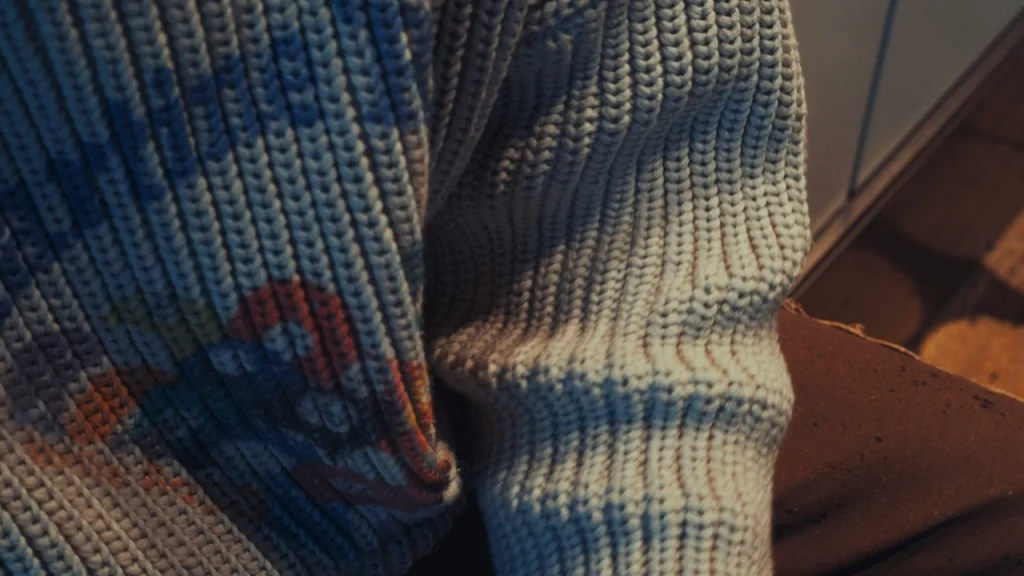
A cable knit zip up sweater is structurally harder than a standard zip up knit sweater because cables pull fabric inward while the zipper tape forces the front edge to stay rigid and straight. These two forces work against each other along the entire centre front, and that conflict is the root cause of most bulk quality issues we see in this category.
Cable Structures Pull Fabric Inward
Cable patterns are formed by crossing groups of stitches over each other, which shortens the fabric horizontally and adds thickness. A 6×6 aran cable can reduce panel width by roughly fifteen to twenty percent compared to a flat jersey panel knit at the same stitch count, and it can almost double fabric thickness in the cable column. The structural behavior of cabled and ribbed knits is well documented in technical references on knitting fundamentals from sources such as the CottonWorks knit basics learning hub, which explains how stitch geometry controls width, weight, and recovery.
Zipper Tape Resists Natural Knit Stretch
A standard knit fabric stretches and recovers in both directions. A zipper tape, especially a metal or molded plastic one used for outerwear-weight cable knit zip up cardigan styles, has almost no stretch. When you sew a non-stretch tape onto a fabric that wants to contract, the placket either pulls the zipper into a wave or stretches out and stays loose.
The Centre Front Becomes a Stress Line
Because the cable column near the placket keeps trying to contract while the zipper tape keeps it straight, the centre front becomes the highest stress line in the garment. This is where you see wavy plackets, uneven zipper teeth alignment, asymmetrical front panels, and pilling along the zip edge after a few wears. Buyers reviewing first samples should always check this zone under tension, not just on a flat table.
How Cable Density and Gauge Affect Cost and Weight
Cable density and machine gauge are the two variables that most directly drive cost and weight in a cable knit sweater zip up program, and they are often underestimated at the quotation stage. A heavier cable pattern at a lower gauge can easily push a single garment from 600 grams to over 900 grams, which changes yarn cost, freight cost, and even retail price positioning.
Gauge Selection Trade-offs
Most cable knit zip up sweater programs sit between 3GG and 7GG. A 3GG chunky cable looks dramatic and sells well in premium menswear, but it consumes significantly more yarn and is slower to knit. A 7GG cable is lighter and cheaper but loses some of the sculptural look that makes the style desirable. From a factory perspective, we usually recommend 5GG or 7GG for brands that want a balance of visual weight and cost control.
Yarn Consumption Comparison
The table below shows typical yarn consumption and weight ranges we see in production for a men’s size L cable knit zip up sweater in different gauges and fiber blends. These are working ranges based on common cable layouts, not absolute values, and actual consumption depends on cable width, body length, and rib depth.
| Gauge | Typical Fiber Blend | Yarn Consumption per Piece | Finished Garment Weight | Relative Yarn Cost Index |
|---|---|---|---|---|
| 3GG | 100% Acrylic or Wool Blend | 700–900 g | 750–950 g | 1.4x |
| 5GG | Wool Acrylic Blend | 550–700 g | 600–750 g | 1.1x |
| 7GG | Cotton Acrylic or Merino Blend | 400–550 g | 450–600 g | 1.0x |
| 12GG | Fine Merino or Cotton | 280–380 g | 320–420 g | 0.9x |
The pattern is clear. Moving from 7GG to 3GG can almost double yarn consumption and noticeably shift FOB cost, which is why gauge should be confirmed before any quotation is treated as final.
Fiber Choice Changes the Equation
A wool-heavy cable knit zip up cardigan holds cable definition better than a pure acrylic version, but adds cost and care complexity. For wool-rich programs, brands should align care labels with established wool care standards, since incorrect washing instructions are a common reason for returns in this category.
Common Quality Risks in Bulk Production
Bulk quality risks in a cable knit zip up sweater program are not random. They cluster around five predictable failure points, and most of them can be controlled if they are written into the tech pack and the QC checklist before production starts.
Wavy or Rippled Placket
The most frequent defect we see is a wavy front placket. It usually comes from three sources. The zipper tape is sewn under uneven tension, the front panel was not blocked to the correct width before linking, or the cable pattern next to the placket is pulling the edge inward. A flat, straight placket on a finished cable knit zip up requires that the front panel be steamed and measured before the zipper is attached, not after.
Asymmetrical Front Panels
Because cables are directional, the left and right front panels of a cable knit cardigan are not mirror images of each other unless the pattern is specifically charted that way. Buyers should ask to see the knitting program file or a panel layout drawing, not just a flat sketch, to confirm symmetry before bulk.
Zipper Pulling and Teeth Misalignment
Heavy cable fabric can pull on the zipper tape during wear, causing the teeth to misalign or the slider to jam. Choosing a zipper rated for outerwear weight, not a light apparel zipper, is critical. Independent apparel testing protocols such as those described in third-party textile and apparel testing services from Intertek include zipper durability and slider pull tests that are worth specifying for this category.
Hem and Cuff Distortion
Cable panels often have different shrinkage behavior than the ribbed hem and cuffs. If the rib tension is not matched to the cable body, the hem can flare or curl after the first wash. We typically run a wash test on the first sample, not just a dry measurement, to catch this early.
Sampling Strategy for Cable Knit Zip Up Sweater Development
A proper sampling sequence is the single most effective tool for de-risking a cable knit zip up sweater program. Skipping or compressing the sampling stage is the most common reason that approved samples and bulk goods do not match.
Three Sample Stages We Recommend
We usually run three sample rounds for this construction. The first is a knit-down or stitch sample, which confirms cable layout, gauge, and yarn behavior. The second is a fit sample with the actual zipper, which is where placket and symmetry issues surface. The third is a pre-production sample made on the same machine and with the same operator that will run the bulk, which is the only sample that reliably predicts bulk quality.
What to Lock Down Before Bulk
Before releasing bulk for a zip up knit sweater in cable construction, the following should be confirmed in writing: cable chart and panel symmetry, gauge and yarn lot, zipper specification including tape width and teeth size, placket measurement under both relaxed and stretched conditions, rib depth and tension, garment weight tolerance, and wash care results. For brands sourcing a range of styles, our zip up and hooded knitwear program documentation outlines how these specifications flow from sample to bulk.
Lead Time Expectations
A realistic lead time for a developed cable knit zip up cardigan program is 60 to 75 days from approved pre-production sample to ex-factory, assuming yarn is in stock. Custom-dyed yarn or specialty fibers can add 15 to 25 days. Compressed lead times almost always reduce the number of QC checkpoints, which is where defects slip through.
Cost Structure Compared to Other Knit Styles
A cable knit zip up sweater is typically 25 to 45 percent more expensive at FOB than a plain jersey zip up knit sweater of similar weight, and the cost gap comes from specific, identifiable factors rather than a single markup.
Where the Extra Cost Comes From
The main cost drivers are higher yarn consumption from cable contraction, slower knitting speed because cable transfer slows the machine, more skilled linking labor at the placket and cable joins, higher zipper cost for outerwear-grade hardware, and additional QC time for placket and symmetry inspection. Each of these is a real cost, not a margin buffer.
MOQ and Order Size Effects
MOQ for a custom cable knit zip up cardigan is usually 200 to 300 pieces per color and per size run, depending on yarn dye lot requirements. Smaller orders are possible with stock yarn but lose the option of custom color. Brands developing seasonal capsules should plan color count carefully, since each additional color multiplies the minimum commitment and the yarn waste risk. Our broader sweaters category page shows how MOQ scales across different knit constructions.
Refill and Reorder Considerations
Refill orders on cable knit programs are more sensitive to yarn lot variation than flat knits, because cable shadows make any dye lot difference more visible. For brands planning refills, we recommend reserving yarn at the original PO stage rather than reordering from scratch, which avoids visible color shift between batches.
Conclusion
A cable knit zip up sweater is a high-margin, high-risk knit category. The visual appeal that makes it sell well in fall and winter menswear and unisex collections is the same structural complexity that creates wavy plackets, asymmetrical fronts, heavier garments, and higher unit costs than buyers usually expect at the briefing stage. The risk is manageable, but only if gauge, cable chart, zipper specification, and sampling sequence are locked down before bulk, and only if the QC checklist is built around the specific failure points of this construction rather than a generic knit inspection sheet. If you are developing a cable knit zip up sweater, cable knit cardigan, or cable knit zip up cardigan for an upcoming season, send your cable pattern, zipper type, target gauge, and fit reference to our knitwear development team for construction and cost advice tailored to your program.
FAQ
What is the MOQ for a custom cable knit zip up sweater?
Typical MOQ is 200 to 300 pieces per color across a standard size run, assuming a dyed-to-order yarn. With stock yarn colors, MOQ can sometimes drop to 100 to 150 pieces per color, but the color choice is limited to what the mill already has in inventory. Brands with tight launch budgets often start with two or three stock colors for the first season and add custom colors once the style is validated at retail.
How long does sampling take for a cable knit zip up cardigan?
A full three-stage sampling cycle usually takes 35 to 50 days. Knit-down samples take about 7 to 10 days, fit samples another 12 to 15 days, and pre-production samples 15 to 20 days. Compressed schedules are possible but increase the risk of placket and symmetry defects in bulk, since each skipped checkpoint removes a chance to catch structural issues before mass production.
Why is a cable knit sweater zip up heavier than a plain zip up?
Cable patterns cross stitches over each other, which thickens the fabric and increases yarn consumption per square centimeter. A men’s size L cable knit zip up sweater in 5GG typically weighs 600 to 750 grams, compared to 400 to 500 grams for a plain jersey zip up in the same yarn. The added weight affects freight cost per carton and should be factored into retail price positioning.
What zipper type works best for cable knit zip up styles?
For most cable knit zip up sweater programs we recommend a medium to heavy weight molded plastic or metal zipper with a tape width that matches the cable thickness. Light apparel zippers tend to buckle under the weight and movement of cable fabric. Specifying tape width, teeth size, and slider type in the tech pack avoids the most common placket defects.
How do we control color consistency across reorders?
Reserve yarn from the original dye lot at the first PO stage and ship reorders from the same reserved stock. Cable shadows make even small dye lot differences visible, so matching to a new lot rarely produces an acceptable result for this construction. Most factories will hold reserved yarn for 90 to 180 days, which is usually enough to cover a first reorder window.