 CN Sweaters
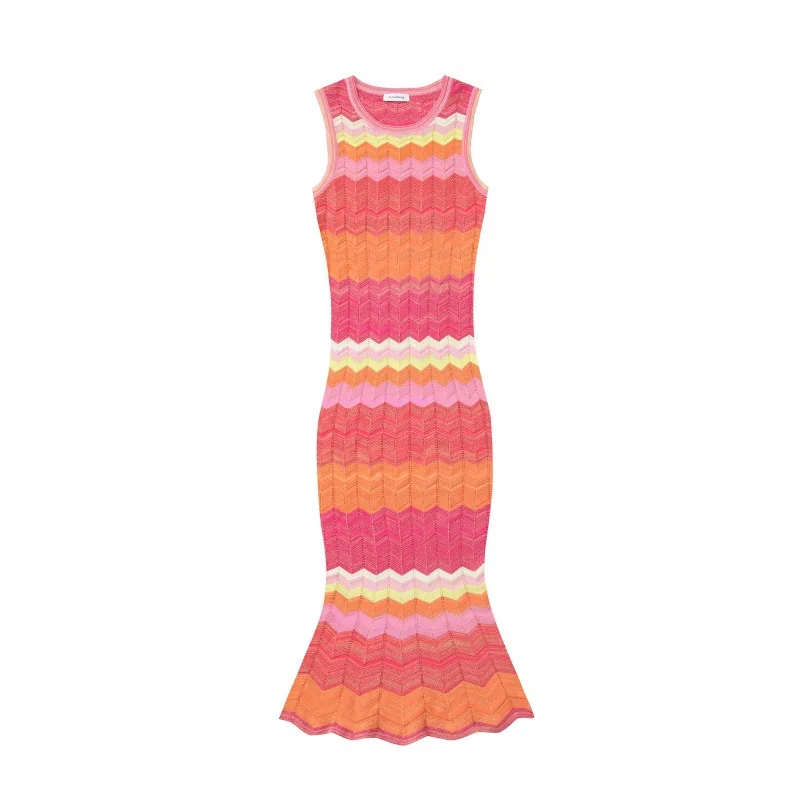
If your team is debating whether to launch the next capsule as a sleeveless jumper or a knitwear vest, the short answer is this: the two words describe almost the same garment, but they pull your brand toward different markets, different product page logic, and different buyer expectations. Choosing the wrong label will not break a sample, but it will quietly weaken your SEO, confuse your distributors, and create avoidable back-and-forth during sampling.
From a factory perspective, we see this naming confusion every season. A UK buyer sends a tech pack for a “sleeveless jumper” while their US wholesaler is selling the exact same SKU as a “knitted sweater vest.” A Scandinavian brand asks for a “knitted sleeveless jumper” but expects American silhouettes. A private label team builds a full category page called “Knitwear Vest” without realising their Google traffic is largely searching for “sleeveless vest jumper.” Each mismatch costs development time and weakens the conversion path from category page to product page to inquiry.
The reason this matters now is that buyers are no longer naming products based on instinct or supplier habit. Product naming feeds directly into category architecture, paid search bidding, AI search summaries, and how your sales team describes the range to a wholesale account. A misaligned name pushes the product into the wrong customer journey. Before approving artwork or confirming MOQ, decide which terminology owns your category page, which owns your product titles, and which sits in the body copy as a supporting variant. The rest of this guide walks through how to make that decision with the trade-offs that actually affect a B2B order.
Why Sleeveless Jumper and Knitwear Vest Are Not the Same Word
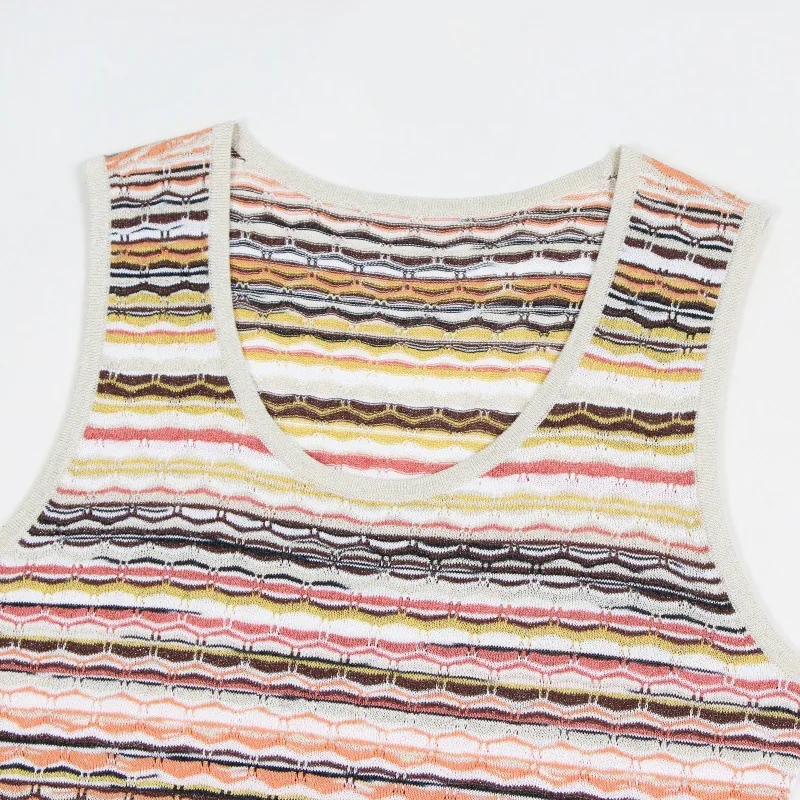
The garment is similar. The commercial meaning is not. A sleeveless jumper is a British-English expression for an armhole-finished knitted pullover worn over a shirt or base layer, and it carries a smart, layered, slightly traditional connotation. A knitwear vest, in contrast, is a broader category label that covers cable vests, V-neck vests, oversized vests, cropped vests, and tank-style knits across both menswear and womenswear. From a buying standpoint, these two terms attract different shoppers even when the physical garment is identical.
How British and American Buyers Read the Term
In the UK, Ireland, Australia and most of the Commonwealth, “jumper” means a pullover sweater, so “sleeveless jumper” reads naturally as a smart knitted layering piece. In the US, “jumper” often refers to a pinafore dress, which means American buyers searching that exact phrase may land on the wrong page entirely. American shoppers and wholesale buyers almost always search knitted vest, sweater vest, or knitted sweater vest. According to Google’s SEO starter guide, matching the searcher’s language is one of the most reliable ways to improve qualified traffic, and that principle applies directly here. If your wholesale base is split across regions, you cannot rely on a single label to do all the work.
Why Product Page Naming Is Not Just Translation
This is not a translation issue. It is a category architecture issue. When you decide that your hub page sits under a vest and sleeveless knitwear category, that page should rank for the broadest commercial terms while individual product pages can lean into regional phrasing. Treating “sleeveless jumper” and “knitwear vest” as interchangeable in every meta title removes your ability to capture both audiences cleanly. The naming decision needs to be made before you build the page, not retrofitted after launch.
When Sleeveless Jumper Should Anchor the Category Page
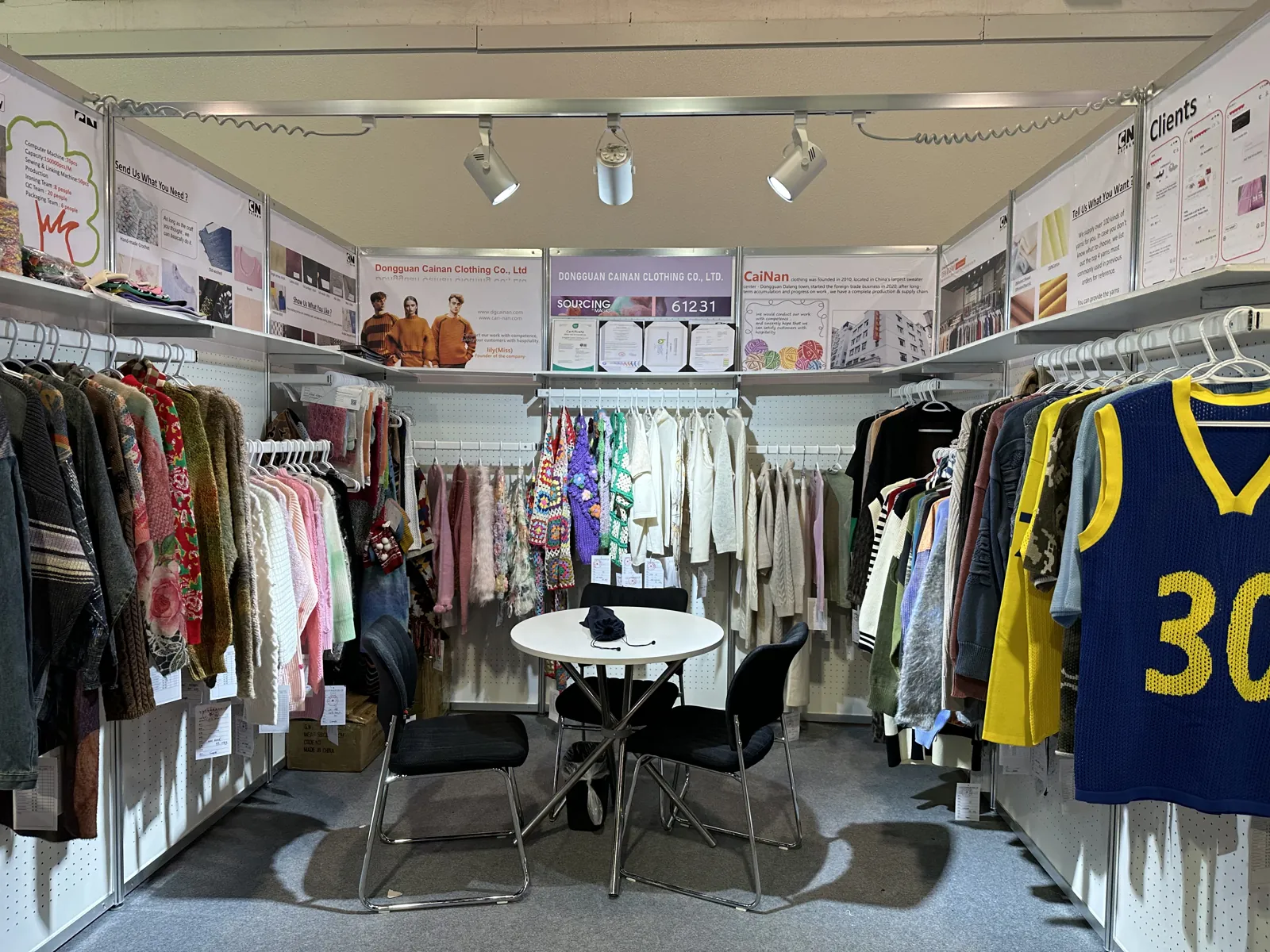
The category page should anchor on knitwear vest or knitted vest in most cases, and let sleeveless jumper live inside product titles and body copy. The reason is simple: category pages need to capture the largest set of buyer intents, and knitwear vest is the broader, more inclusive umbrella across regions.
When Sleeveless Jumper Should Lead Instead
There are exceptions. If your wholesale base is concentrated in the UK, Ireland or Australia, or if your brand voice is built around heritage, school-style or preppy knitwear, leading the page with sleeveless jumper is reasonable. Some buyers will also lead with sleeveless jumper when their existing distributor catalogues use that phrase, because changing the label mid-season disrupts reorder workflows. In those cases, the category page should still include knitted vest and sweater vest in the H1 supporting copy and product filters so the page does not lose American search visibility.
Reorder Risk When You Change Naming Mid-Season
From a factory standpoint, mid-season renaming is the silent killer of refill orders. When a buyer renames a “sleeveless jumper” to a “knitted vest” between the first bulk order and the refill, our production team often receives a tech pack with a new style code, new product title, and sometimes a slightly adjusted size chart. We then have to verify whether the garment construction has actually changed or whether only the marketing label has shifted. This adds 3 to 5 working days to the sampling confirmation stage and risks colour or yarn lot mismatches if the original PO is not clearly referenced. For B2B buyers, this means a naming change is not a free marketing decision; it directly affects lead time predictability on reorders, which is one of the most sensitive parts of the wholesale buying cycle.
How Sleeveless Jumper Naming Affects MOQ and Sampling
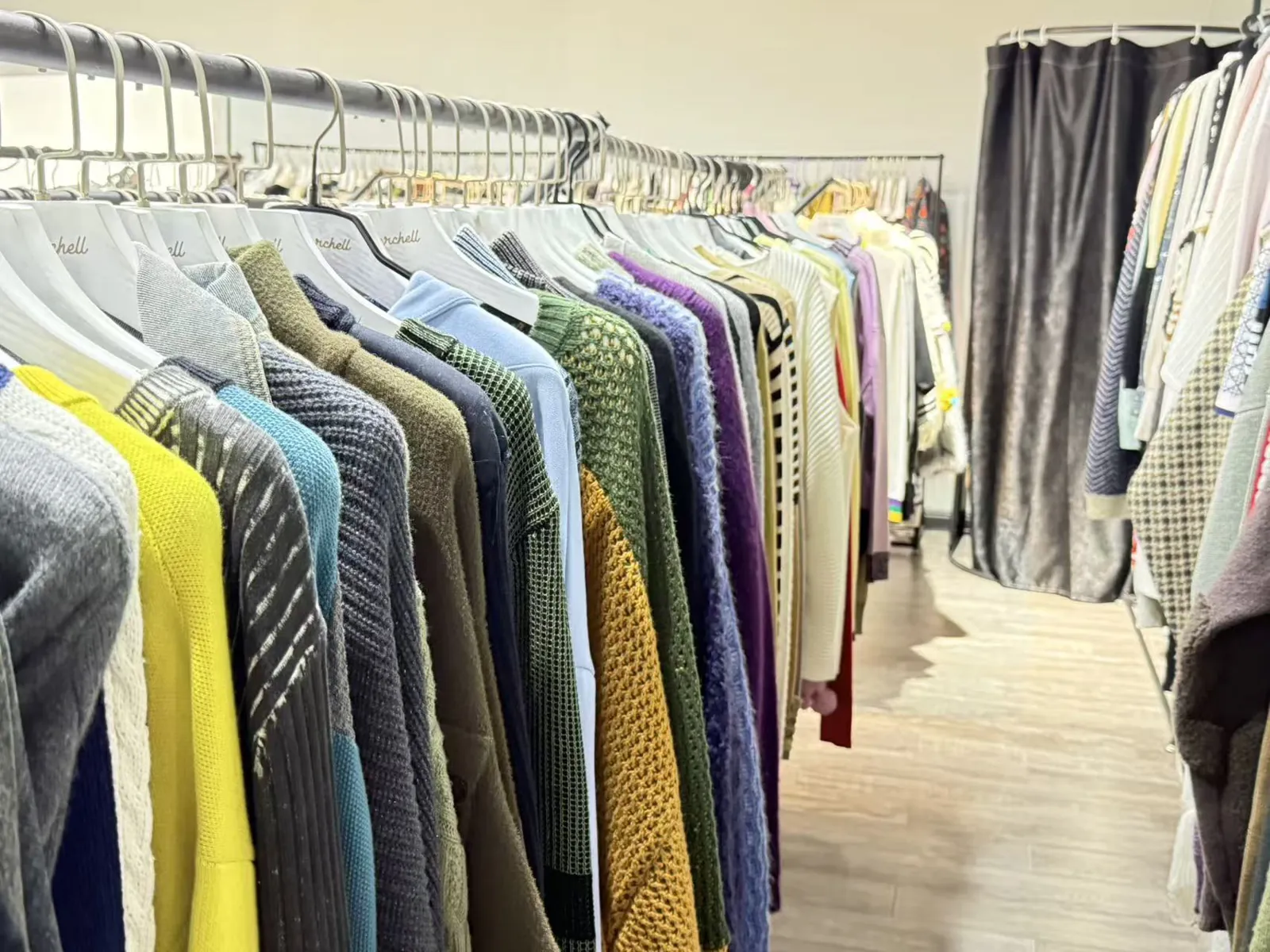
Naming choice does not change your MOQ on paper, but it changes how the order is scoped, which changes the real timeline. A clear product direction lets the factory quote tighter and sample faster.
MOQ and Lead Time by Style Direction
Here is how we typically scope a vest or sleeveless jumper development cycle. These ranges assume standard yarn availability and a confirmed tech pack, and they will shift if you request custom yarn dyeing, complex jacquard, or specialty finishing.
| Style Direction | Typical MOQ per Colour | Sampling Lead Time | Bulk Lead Time | Common Buyer Region |
|---|---|---|---|---|
| Classic V-neck sleeveless jumper | 50 pcs each size per color | 10–15 days | 45–60 days | UK, Ireland, AU |
| Oversized knitwear vest | 300–500 pcs | 12–18 days | 50–65 days | US, EU, Nordics |
| Cable knit sleeveless jumper | 250–350 pcs | 15–20 days | 55–70 days | UK, JP, KR |
| Cropped knitted vest | 300–500 pcs | 10–15 days | 45–60 days | US, EU womenswear |
| Argyle sleeveless vest jumper | 250–400 pcs | 15–20 days | 55–70 days | UK, JP, preppy lines |
What this table really shows is that MOQ and lead time depend on construction complexity and yarn lot availability far more than on the label itself. For B2B buyers, this means choosing a naming direction does not unlock a cheaper or faster order, but it does help us align tech pack expectations with the right sampling track from day one, which is usually where 1 to 2 weeks get lost in real projects.
Why Sampling Errors Often Trace Back to Naming
When a tech pack labels a garment “sleeveless jumper” but the reference image shows an oversized tank-style knit, our pattern team has to confirm whether the buyer wants a traditional armhole finish or a deeper, looser armhole more typical of American sweater vests. Clarifying naming intent before sampling avoids a wasted first prototype.
Target Market Logic for Sleeveless Jumper and Vest Buyers
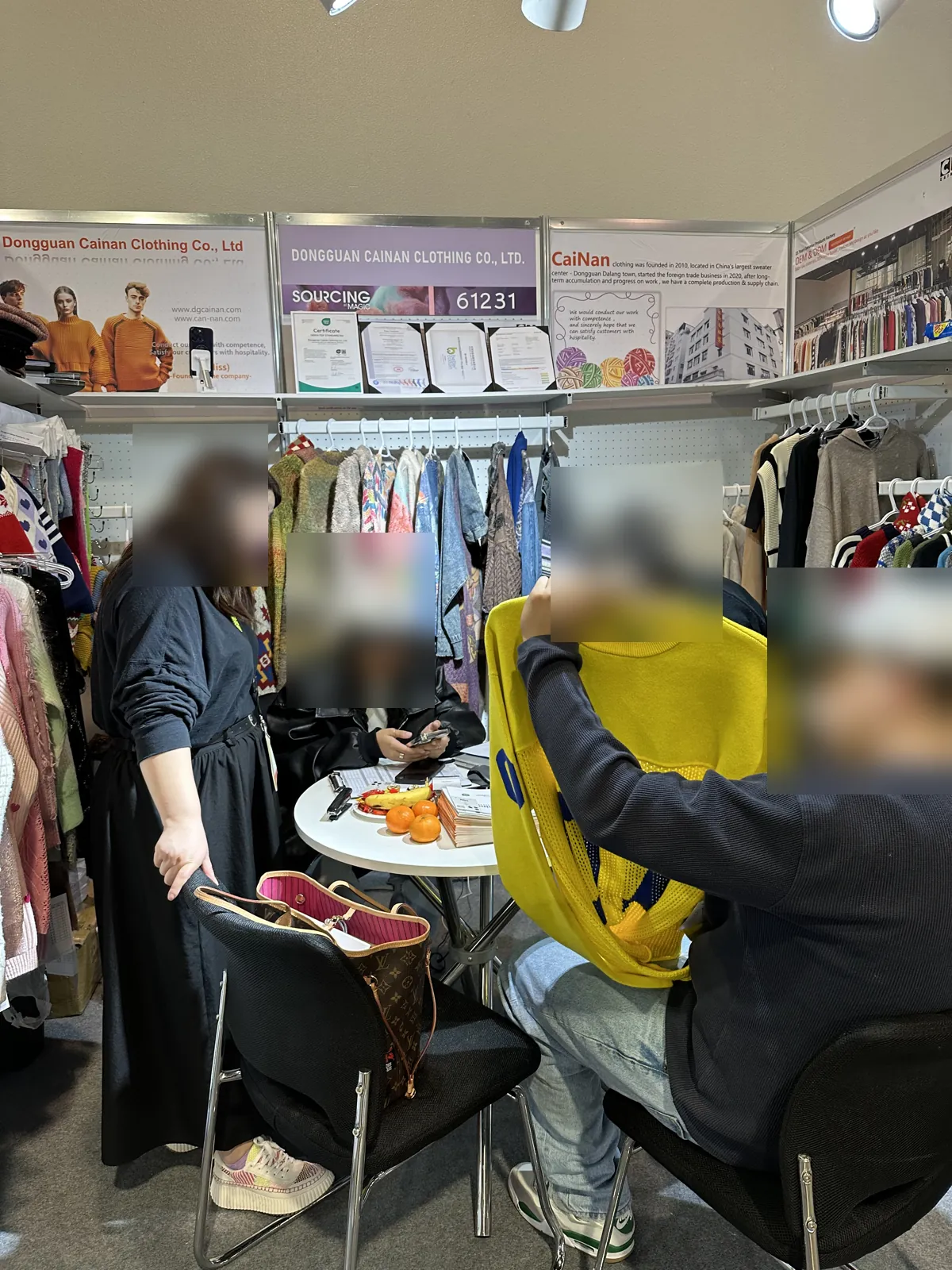
The target market should drive the naming decision more than internal preference. A sleeveless knitted vest sold into a US department store programme is positioned very differently from one sold into a UK independent boutique.
Womenswear vs Menswear Positioning
Womenswear buyers searching knitted sweater vest are usually building around cropped silhouettes, oversized layering pieces, or Y2K-influenced styling. Menswear buyers searching sleeveless jumper more often want V-neck or argyle styles for business casual or smart layering. The same factory base can produce both, but the gauge, yarn weight, and finishing details differ. A 7gg merino V-neck for menswear sits in a different price band than a 3gg chunky cropped vest for womenswear, and confusing the two during scoping leads to unrealistic costing.
Wholesale and Private Label Considerations
Private label teams have an additional concern. Your end retailer’s product page will likely use whichever term ranks best in their market, so the buyer should request that the inner label, hangtag and packing list use neutral construction language like “knitted vest” so the same physical SKU can be relabelled for different territories without producing new packaging. We handle this regularly for custom knit projects where the same garment ships under three different retail names across the UK, US and EU. Building this flexibility into the packaging brief at the PO stage saves rework later.
How Fibre and Finishing Shift the Decision
A sleeveless jumper in lambswool reads as a heritage piece. The same silhouette in recycled cotton blend reads as a casual layering vest. According to Cotton Incorporated’s knit basics resource, the structural choices in knitting, from gauge to stitch pattern, fundamentally change how a garment drapes and how the consumer reads its category. This means your naming choice should align with the fibre and finishing decision, not be made in isolation.
Quality Control and Construction Differences in a Sleeveless Jumper
Quality control standards are largely the same across both naming directions, but the inspection priorities shift depending on whether the garment is being sold as a smart sleeveless jumper or a casual knitwear vest.
Inspection Priorities by Style
For a classic sleeveless jumper sold into UK menswear, the QC focus is armhole rib tension, V-neck symmetry, and shoulder seam alignment. Buyers in this segment will reject pieces for minor neckline distortion. For a casual knitwear vest sold into US womenswear, inspection focuses more on overall handfeel, colour consistency across the dye lot, and the deeper armhole construction sitting cleanly without curling. Both categories should be tested against standard apparel benchmarks, and we typically reference third-party apparel testing protocols for pilling, dimensional stability after washing, and colourfastness. For B2B buyers, this means the AQL standard does not change, but the priority defects shift, so your QC checklist should be written for the actual end use, not copied from a previous program.
Pilling, Shrinkage and Wash Test Expectations
Knitted vests typically face higher pilling risk than long-sleeve sweaters because the armhole and underarm area sees more friction against shirts worn underneath. We recommend specifying a pilling test result of grade 3 to 4 minimum after standard cycles, and flagging shrinkage tolerance clearly on the tech pack. Refill orders fail most often on dye lot variance rather than construction defects, which is why we always recommend reserving yarn at PO stage if you anticipate a reorder window of less than 90 days.
Buyer Communication and Tech Pack Clarity for a Sleeveless Jumper
The fastest way to lose a week in development is to send a tech pack that uses one name and a reference image that suggests another. Communication clarity matters as much as the naming itself.
What to Include in Your First Inquiry
A useful first inquiry includes the intended retail label term, the target market, three to five reference images with style codes if available, your target retail price band, and an indication of fibre direction. With this information, we can confirm whether your project sits in our standard development track or needs custom yarn sourcing, which affects both our knitwear manufacturing capacity planning and your eventual lead time. Buyers who skip this step often receive a quote that has to be revised twice, which delays the PO by another week.
Avoiding the Common Naming Misalignments
The three most common misalignments we see are: a UK buyer using “sleeveless jumper” while expecting an American oversized fit, a US buyer using “knitted vest” while sending UK heritage references, and a private label team using inconsistent terms across the tech pack, the artwork file and the email thread. Each of these forces our team to verify intent before cutting the first sample, which adds time. Standardising the naming inside your own team before the inquiry reaches us is the single highest-leverage change a buyer can make.
Conclusion
Naming is a commercial decision, not a labelling formality. Anchor your category page on the broader term that captures the most qualified search intent in your primary market, then let regional product titles, body copy and metadata pick up the variations. A buyer selling primarily into the UK can lead with sleeveless jumper; a buyer selling into the US or building a multi-region wholesale base should anchor on knitwear vest or knitted vest and treat sleeveless jumper as a supporting variant. The garment construction stays the same, but the buyer journey, the SEO capture and the reorder workflow all become cleaner when the naming is decided before development starts.
Send your sleeveless jumper or knitwear vest reference styles, target market, size range, and quantity to our knitwear development team to confirm the right product direction before sampling begins.
FAQ
What is the typical MOQ for a sleeveless jumper or knitted vest development?
Our standard MOQ sits between 200 and 500 pieces per colour depending on yarn type, gauge and construction complexity. Classic V-neck styles in standard yarns sit at the lower end, while custom-dyed or cable-knit programs sit higher. Confirm yarn availability before the PO to avoid lead time extension.
How long does sampling take for a knitted sleeveless jumper?
A first prototype typically takes 10 to 20 working days from confirmed tech pack, depending on stitch complexity and yarn sourcing. Cable, jacquard or argyle patterns sit at the longer end. A second revision sample usually takes another 7 to 10 working days, so build at least 5 weeks of sampling buffer into your launch calendar.
Can the same SKU be labelled as both sleeveless jumper and knitwear vest for different markets?
Yes. We regularly produce a single SKU with neutral inner labelling and pack it under different retail names for different territories. Confirm this requirement at the PO stage so we can prepare flexible packaging and hangtag artwork rather than locking the SKU to a single retail term.
What fabric tests should we request for a sleeveless knitted vest bulk order?
Pilling resistance, dimensional stability after washing, colourfastness to rubbing and washing, and seam strength on armhole and shoulder construction. Most wholesale programs request these as standard, and we recommend confirming the testing standard your end retailer requires before bulk cutting begins.
How should we handle reorders to avoid dye lot variance on knitwear vests?
Reserve yarn at the original PO stage if you expect a refill within 90 days, and confirm the original style code and lot reference clearly on the reorder PO. Without yarn reservation, refill orders typically face a 2 to 3 week extension and a small risk of visible shade variance between lots.