 CN Sweaters
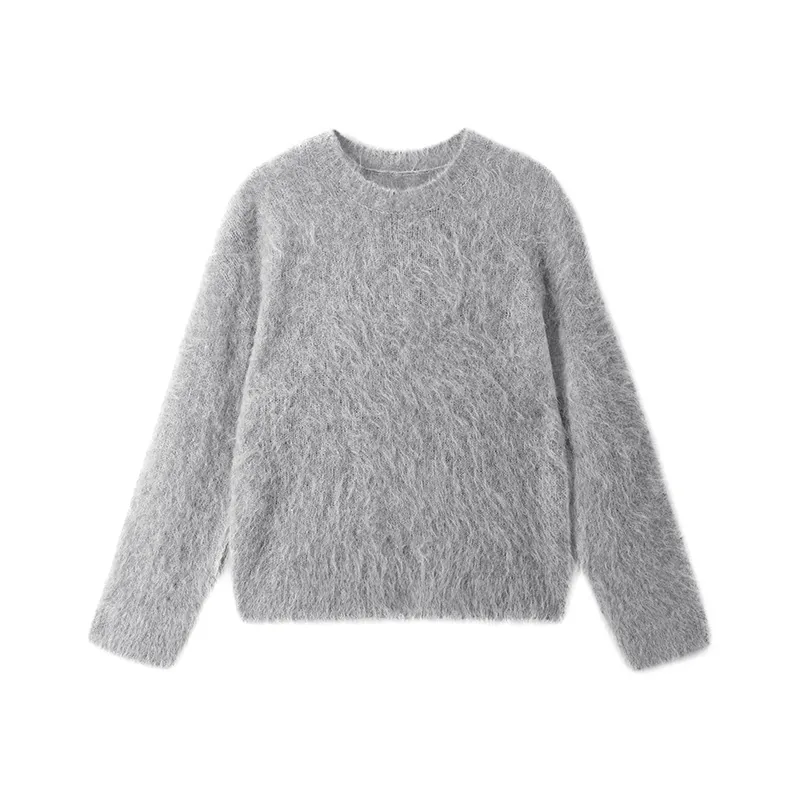
Developing a commercially successful pullover sweater requires a precise alignment of yarn physics, machinery gauge, and pre-production sample approvals to prevent costly mass-production errors. Brands that rely solely on flat, two-dimensional design sketches without establishing rigorous technical benchmarks frequently experience dimension skewing, tension instability, and significant shrinkage issues. In the competitive landscape of international knitwear sourcing, the transition from a design concept to a shelf-ready product is fraught with complex mechanical constraints that demand an intimate understanding of knitting technology. Sourcing managers and product developers must navigate the delicate balance between structural aesthetics, yarn composition, and knitting efficiency to protect profit margins and maintain brand integrity. By approaching knitwear development from a systematic, factory-first perspective, brands can eliminate the costly trial-and-error cycle that often delays product launches and inflates sampling budgets. When developing a custom pullover sweater, success is defined by how well a brand translates design vision into clear, machinable instructions that our engineering teams can execute repeatably. This requires close attention to the selection of machinery, the physical properties of the chosen fibers, and the specific limitations of different stitch patterns. Sourcing teams must establish clear communication protocols and technical parameters before a single needle is threaded on the production floor.
Why Does Gauge Selection Define Your Custom Pullover Sweater Margins?
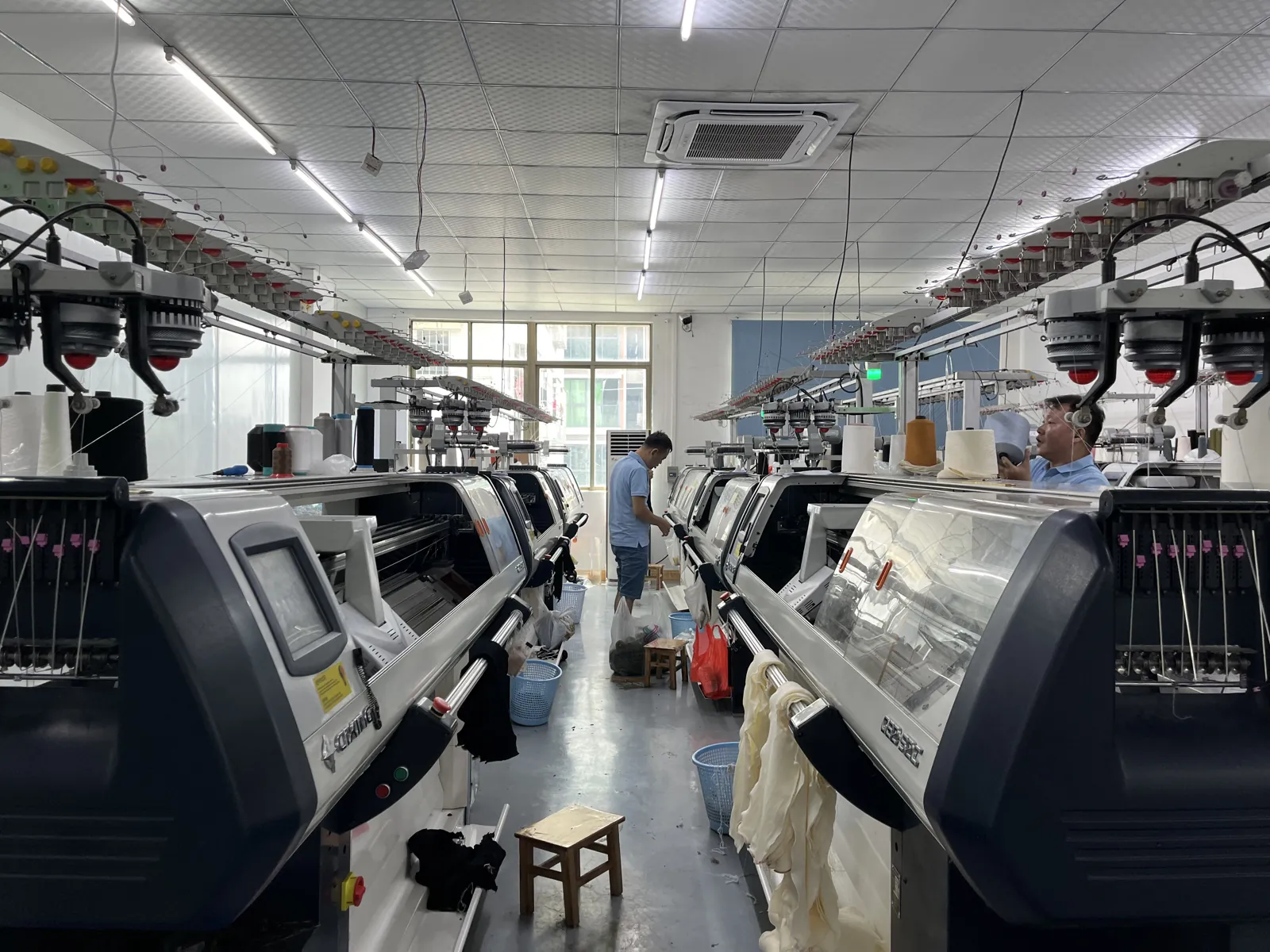
Selecting the correct machinery gauge is one of the most important technical decisions in pullover production because it affects garment weight, knitting time, handfeel, and raw material yield. From our factory perspective, gauge selection acts as the foundational blueprint for a style’s pricing structure and aesthetic appeal.
Understanding the Tension between Fine Gauge and Coarse Gauge Manufacturing
The term “gauge” refers to the number of needles contained within one inch of the machine bed. A higher gauge, such as 12G, represents fine-gauge manufacturing, utilizing thin yarns to create dense, smooth, and lightweight fabrics. Conversely, a lower gauge, such as 3G or 5G, indicates coarse-gauge knitting, which produces heavy, chunky textures. According to the CottonWorks guide on knit fundamentals, the interlocking loops of knit fabrics establish a natural elasticity that behaves differently depending on the needle density and yarn thickness. Fine-gauge styles require a higher stitch count and longer machine run times, which increases operating costs per garment despite using less yarn. Coarse-gauge production, while faster, demands a higher volume of raw material, meaning yarn price fluctuations have a more pronounced impact on unit costs. Sourcing teams must therefore weigh the higher machinery costs of fine knits against the higher material consumption costs of heavy knits.
Balancing Material Yield and Sourcing Costs in Knitwear
Every millimeter of yarn used in a stitch affects the final garment yield and the margin performance of your wholesale program. For example, a heavy 3G cable knit usually requires much more yarn than a fine-gauge 12G crew neck pullover in a similar size and fiber family. This weight disparity affects not only the initial material sourcing budget but also secondary logistics costs, as heavier sweaters incur higher air and ocean freight rates. By strategically adjusting the stitch length and tension settings during the initial programming phase, we can optimize yarn consumption without compromising the visual density or handfeel of the finished product. This technical tuning allows brand managers to hit critical retail price points while preserving the structural integrity that consumers expect from premium knitwear.
How Pullover Sweater Yarn Count Affects Production
Matching yarn count to machine gauge is a core technical constraint; pairing the wrong yarn weight with a specific needle size can lead to unstable structure, excessive pilling risk, or stiff panels. Sourcing managers must look beyond color cards and analyze the mechanical relationship between yarn thickness and needle clearance to ensure a stable knit.
The Interplay of Fiber Composition and Structural Weight
Yarn count is the standard measurement of yarn fineness or coarseness, typically expressed in the metric system as Nm (number metric). A higher Nm indicates a finer yarn. For instance, a 2/28 Nm yarn consists of two single strands of 28 Nm yarn plied together, offering excellent versatility for mid-gauge custom pullover sweater styles. Fiber composition also dictates the weight and drape of the fabric. Cotton fibers provide excellent breathability and structural weight, whereas fine wool and cashmere offer superior warmth-to-weight ratios but require delicate handling. When selecting yarns for wholesale knitted sweaters, we evaluate how fiber density affects the ultimate drape and stability of the knit structure, advising clients on blends that combine the natural luxury of animal fibers with the durability of synthetics.
Mitigating Sourcing Risks of Handfeel and Tension Instability
Yarn tension instability can cause fabric skewing and torque during mass production, which is why testing the physical limits of the yarn before knitting is crucial. If the yarn twist is too high, the knit panels will twist and distort after washing; if the twist is too low, the pullover will suffer from severe pilling. To help procurement managers compare gauge and yarn-count choices, the table below shows common planning references. These are not fixed CN Sweaters MOQ rules; our published MOQ is calculated by style, color, and size ratio.
| Gauge | Common Yarn Count Reference | Common Pullover Style | Development Impact | MOQ Note |
|---|---|---|---|---|
| 3G | 2/15 Nm or similar heavy yarn setup | Chunky custom sweater styles | Higher yarn use, heavier handfeel, stronger winter positioning | Final MOQ depends on style, color, and size ratio |
| 5G | 2/16 Nm or similar mid-heavy setup | Textured cable knit pullover sweater | Good for cable structures and substantial commercial styles | Final MOQ depends on yarn availability and stitch complexity |
| 7G | 2/28 Nm or similar mid-gauge setup | Medium-weight custom pullover sweater | Balanced handfeel, weight, and production efficiency | Final MOQ follows the approved color and size split |
| 12G | 2/30 Nm or similar fine setup | Classic crew neck pullover sweater | Lighter surface, finer structure, more sensitive to tension control | Final MOQ depends on yarn count and fit approval |
| 14G | 2/48 Nm or similar fine-yarn setup | Fine-gauge knit jumper designs | Refined look, lighter fabric, higher technical control requirement | Final MOQ depends on yarn sourcing and bulk feasibility |
The key point is that gauge and yarn count must be matched before sampling. MOQ should be confirmed separately based on the final style, color count, size ratio, yarn availability, and stitch complexity.
Which Dimensions Dictate a Reliable Pullover Sweater Fit?
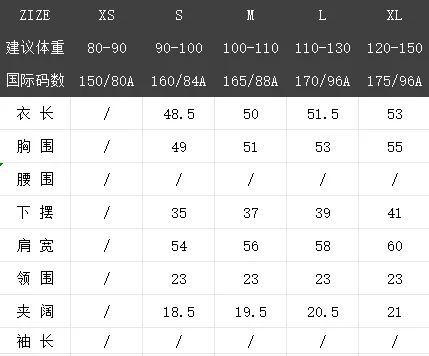
Designing a perfect pullover fit requires shifting from static flat measurements to dynamic, three-dimensional pattern engineering that accounts for yarn relaxation, rib contraction, and shoulder slope. Without factory-calibrated size specifications, a design that looks balanced on paper will often drape awkwardly on the body, leading to high return rates and poor consumer reviews.
Specifying the Chest, Armhole, and Sleeve Length Standards
The armhole and chest dimensions represent the most critical zones for fit approval in a classic mens knit pullover. Unlike woven garments, knitwear drapes dynamically, meaning the armhole depth directly influences how the sleeve pulls against the side panel when the arm is raised. We recommend utilizing set-in sleeves for structured, tailored silhouettes, whereas raglan sleeves offer more tolerance for variable body types and reduce the risk of fit complaints in wholesale distribution. Sourcing teams must provide a comprehensive spec sheet detailing the relaxed chest width, underarm sleeve length, and cross-shoulder dimensions. A minor 1-centimeter variance in these key areas can completely transform the drape of a crew neck pullover sweater from a modern slim fit to an unwanted oversized silhouette.
Balancing the Tension of Ribbing at the Neckline and Hem
The neckline, cuffs, and hem ribbing are high-wear areas that require deliberate elasticity and recovery specifications to prevent stretching out over time. If the rib tension is too loose, the collar will sag; if it is too tight, the pullover will bunch up at the waist and distort the overall body line. For styles that require stronger rib recovery, we may use high-recovery elastane or Lycra plating in the rib construction, helping cuffs, hems, and necklines hold shape better through regular wear and laundering. Balancing this rib tension requires precise coordination between the flatbed machine’s take-up rollers and the yarn feed speed during production.
Establishing Pullover Sweater Standards for Cable and Textured Styles
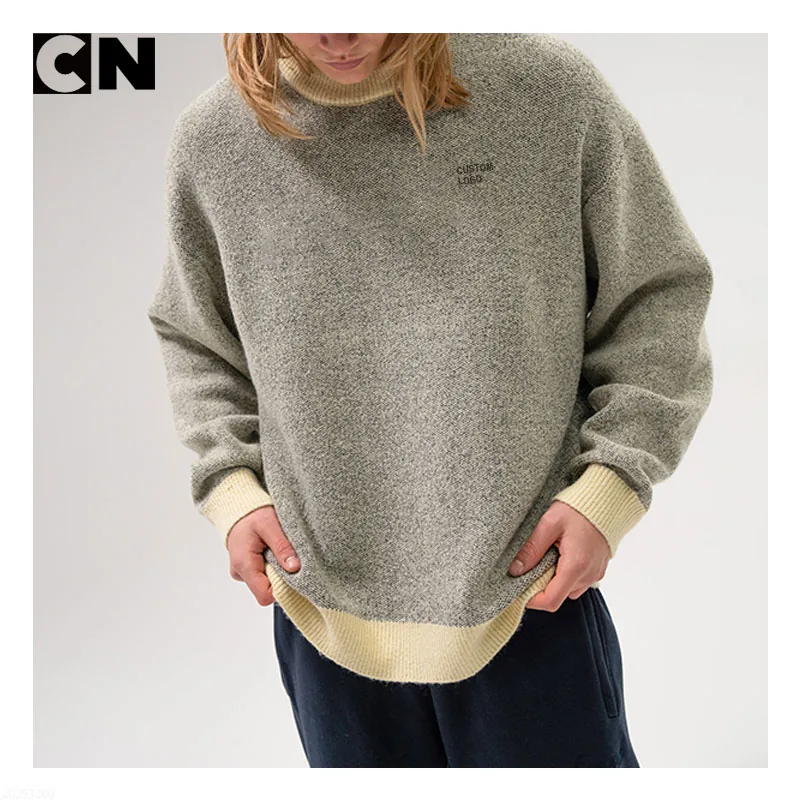
Developing a complex textured style like a cable knit pullover sweater requires a fundamental adjustment of your pattern dimensions, as raised stitches pull the knit fabric inward and significantly increase raw material consumption compared to plain jersey stitch structures. Brands must establish specific tension allowances during the CAD programming stage to prevent the finished panels from being too narrow or excessively heavy.
Managing Pattern Distortion and Width Variances in Cable Structures
Cable structures are formed by crossing groups of wales over each other, a process that physically compresses the width of the knitted panel. If a pattern maker applies the same size spec sheet used for a flat jersey knit to a cable design, the finished garment can come out noticeably narrower and may require major fit correction. For cable and textured knit structures, the factory must adjust needle allocation, stitch length, and panel width during programming because raised stitches compress the fabric differently from flat jersey structures. Our technicians compensate for this natural shrinkage by adding extra needles to the width of the panel program and adjusting the stitch length of the background purl stitches to give the cable room to bloom.
Accounting for the Weight and Squeezing Effects of Textured Stitches
Textured stitches require more yarn per square inch, which directly inflates the garment’s total weight and overall production cost. Sourcing teams often overlook that a heavily textured custom sweater can consume noticeably more yarn than a jersey-stitch equivalent, which raises both the material budget and shipping weight. To mitigate this risk, we work with sourcing managers to select lightweight yarn blends, such as air-spun cotton or hollow-core acrylics, which provide the visual loft of a chunky knit without the associated physical weight. This proactive engineering ensures that your retail customers receive a plush, premium-feeling product that remains comfortable and practical for daily wear.
How to Manage Pullover Sweater Sample Approval Without Delays
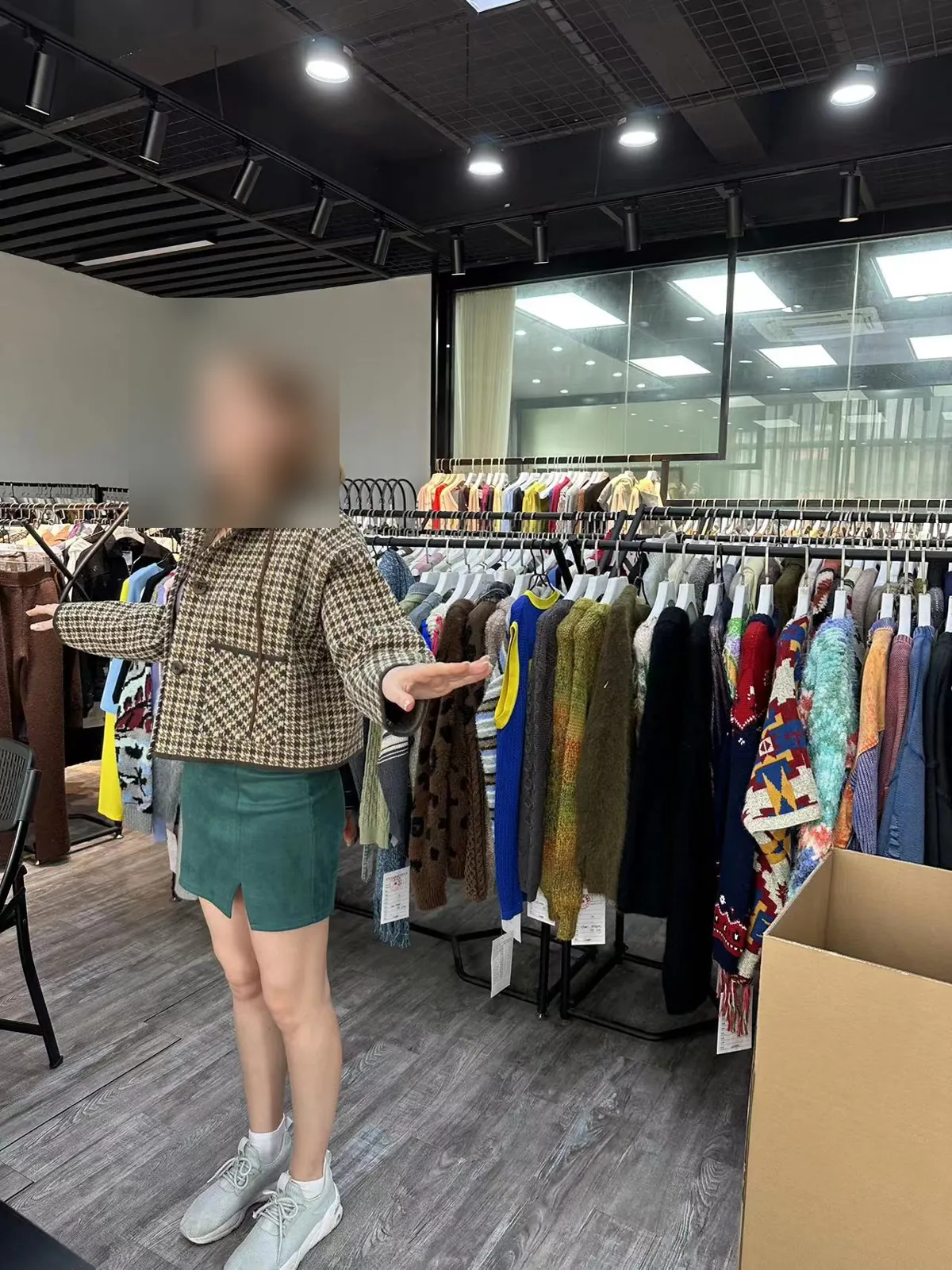
Managing the sample approval workflow requires a disciplined milestone schedule and objective quality gates, as skipping critical validation stages is the primary cause of fit discrepancies and shipping delays in the B2B fashion supply chain. A structured sampling process protects your investment by ensuring that every design detail is proven viable on the production floor before bulk yarn is dyed.
Defining the Protocol for Proto, Fit, and PP Samples
The development pipeline starts with the Proto sample, which verifies the initial stitch structure, gauge, and design interpretation using available factory yarn. Once the aesthetic is confirmed, we proceed to the Fit sample, which must be knitted in the actual weight and structure of the design to evaluate drape, movement, and sizing accuracy on standard fit models. The final gate is the Pre-Production (PP) sample, which must be executed using the exact bulk yarn, correct colorway, and finalized trims. Skipping these steps to expedite lead times introduces severe risk, as any uncorrected errors in the fit or stitch structure will be magnified across thousands of units during mass production of your custom pullover sweater options.
Analyzing Shrinkage and Colorfastness in Pre-Production Trials
Before signing off on the PP sample, the fabric must undergo intensive wash and wear testing to confirm dimensional stability and colorfastness. We subject development samples to standardized wash testing to measure dimensional change in both length and width, then confirm the acceptable tolerance with the buyer before approving the pattern for bulk production. These steps align with established Intertek apparel testing procedures, which evaluate pilling resistance, bursting strength, and colorfastness to light, wet crocking, and laundering. Resolving these performance issues during the sampling phase prevents costly consumer returns and protects your brand’s reputation for quality in the wholesale market.
Avoiding Common Pullover Sweater Manufacturing Pitfalls in Bulk
Eliminating defects during mass production requires strict environmental controls, standardized machine calibrations, and continuous quality checkpoints from the moment the yarn is wound to the final wet finishing stage. From a factory perspective, maintaining consistent fabric tension is a continuous operational challenge that demands expert supervision and state-of-the-art flatbed technology.
Preventing Tension Fluctuations on Modern Flat Knitting Beds
Even minor changes in factory temperature and humidity can alter yarn elasticity, causing tension fluctuations that result in horizontal bar marks, uneven stitch rows, and inconsistent sizing across different production batches. To prevent these defects, our facility utilizes climate-controlled knitting halls and computerized flat knitting machines equipped with dynamic tension control systems that adjust feed speed in real-time. This level of technical oversight is essential when executing complex patterns for our OEM/ODM product portfolio, ensuring that every batch of sweaters matches the approved pre-production standard. Sourcing managers should prioritize factories that invest in automated yarn-feeding technology, as manual feed systems are highly susceptible to operator error and batch-to-batch inconsistency.
Controlling Shrinkage and Dimensional Stability in Wet Finishing
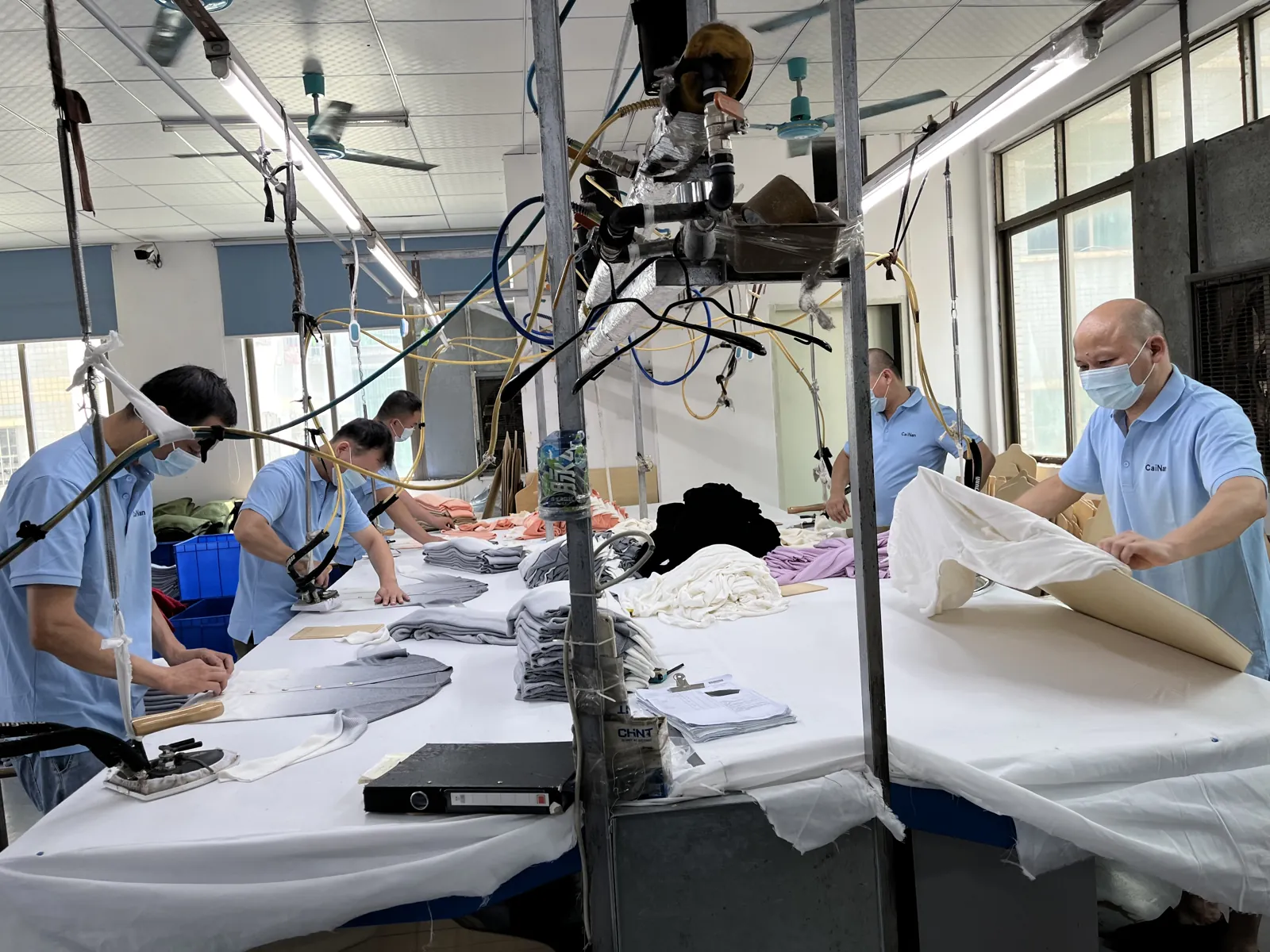
The wet finishing process—which includes washing, milling, and industrial steaming—is where the pullover’s final handfeel, softness, and dimensional stability are permanently locked in. If the milling time is too long, the wool fibers will felt and shrink excessively; if the steam pressure is too high during pressing, the acrylic fibers will lose their loft and drape. We calibrate our industrial washing and drying cycles to match the precise fiber blend of each custom order, ensuring that the finished garments achieve a luxurious, soft-to-the-touch handfeel without losing their structural recovery. This rigorous attention to finishing chemistry and heat exposure is what separates premium, long-lasting knitwear from low-cost, disposable garments that lose their shape after a single domestic wash cycle.
Conclusion
Successfully developing a pullover sweater requires a harmonious partnership between a brand’s creative design team and a factory’s technical engineering department. By establishing clear standards for yarn count, machine gauge, and pattern specifications early in the development cycle, you can eliminate the costly, frustrating cycles of sample revisions that delay product launches. Every decision made during the sampling phase—from the tension of the ribbing to the duration of the wet finishing cycle—has a direct, measurable impact on your wholesale margins and the retail customer’s satisfaction.
As an experienced manufacturer, we are committed to guiding you through every step of this technical journey, ensuring that your custom knitwear designs are manufactured efficiently, repeatably, and to the highest global standards. To get started on your next collection, submit your pullover sweater reference style, size chart, target gauge, and yarn idea for development advice. Partner with our team at CN Sweaters professional pullover sweater manufacturing to streamline your production timeline, minimize your supply chain risks, and deliver exceptional knitwear to your target market.
Frequently Asked B2B Sourcing Questions
What is the typical sampling and production lead time for custom pullover sweater orders?
For CN Sweaters, sample making is typically 3–7 days, though custom dyeing, special yarn sourcing, complex jacquard or cable structures, embellishments, and extra revision rounds may extend the schedule. Bulk production references are about 15–35 days for orders under 500 pieces and 25–45 days for 500–1,000 pieces, with larger programs confirmed after RFQ and PP approval.
How do you prevent severe shrinkage and pilling in high-volume production?
We mitigate shrinkage and pilling risks by testing yarn twist levels, performing pre-shrinkage wet finishing cycles on panels, and conducting standardized wash tests before sewing. Incorporating high-quality combed cotton or low-pill synthetic blends further ensures the garment retains its shape and smooth handfeel through commercial laundering.
Can we adjust the gauge of an existing design to meet a lower target price point?
Yes, we can translate fine-gauge designs (like 12G) into medium-gauge styles (like 7G) to reduce machine runtime and unit costs. However, this adjustment requires complete pattern restructuring and yarn count modifications to maintain the original fit and visual balance of the pullover.
What are the minimum order quantities for custom fiber blends and custom colors?
For CN Sweaters, MOQ is calculated by style, color, and size ratio, with a reference MOQ of 30 pieces each size per color. Stock yarn, simple color planning, and fewer size splits may improve feasibility, while custom yarn compositions, custom-dyed colors, complex stitches, or multiple colorways can raise the workable quantity.
What key documents should be included in a technical pack for pullover sweater development?
A professional tech pack should include a detailed flat sketch, a complete 3D size specification chart, desired fiber composition, preferred knitting gauge, and target Pantone color references. Providing a physical reference sample is also highly recommended to accelerate the initial proto-sampling phase.