 CN Sweaters
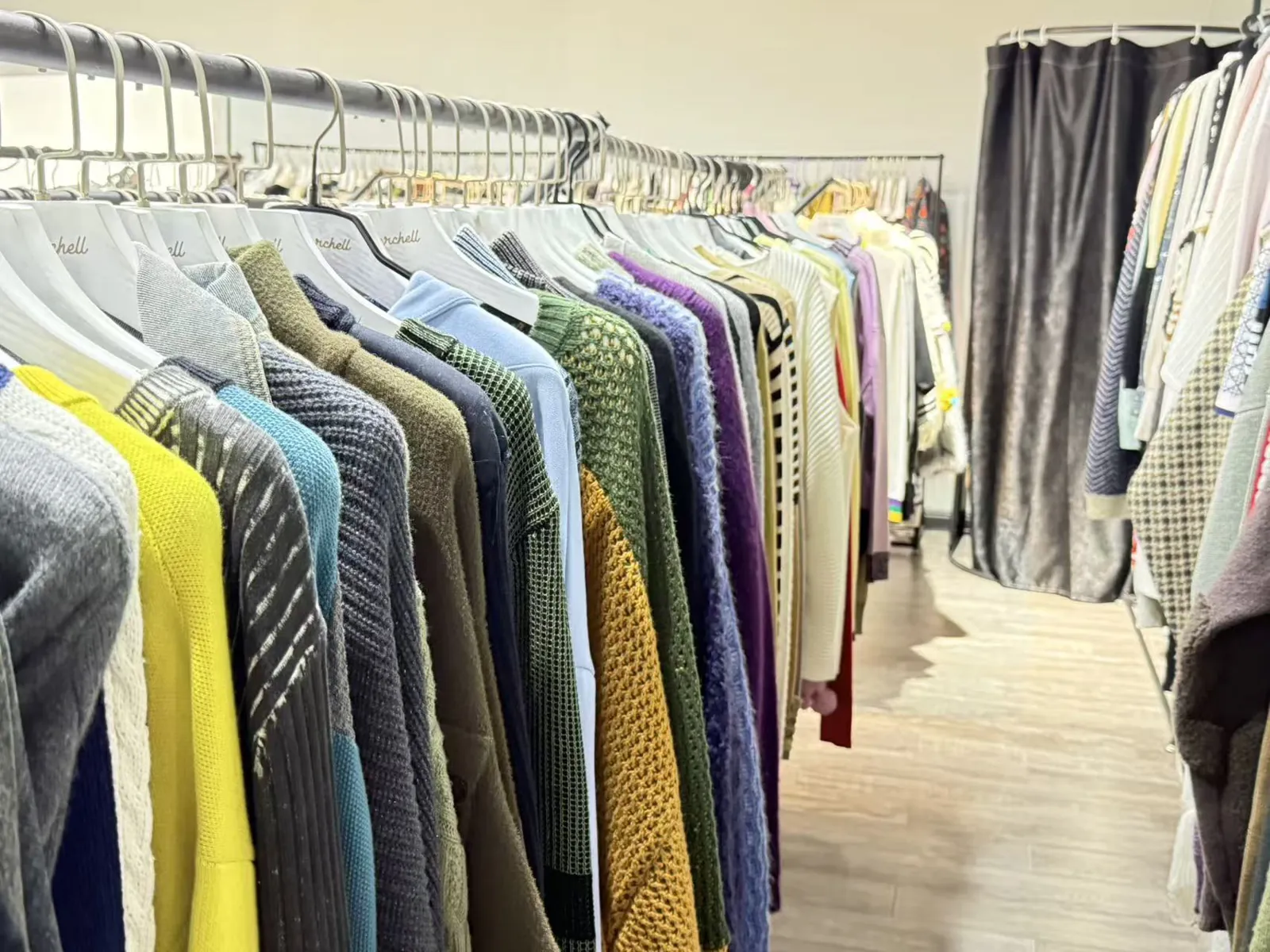
ODM sweater development works best when a brand brings clear commercial intent — reference images, target market, price band, and season — while the factory brings yarn knowledge, knit structures, and production discipline. This guide is written for brand owners, wholesalers, and sourcing managers who want to use an ODM route without a finished tech pack, and it explains what we can realistically deliver, where the trade-offs sit, and how to avoid the most common sampling and bulk production mistakes. From a factory perspective, ODM is not free design work; it is a structured collaboration where better briefs lead to faster approvals and cleaner bulk runs. If you are exploring custom knitwear services for the first time, the sections below map the full path from brief to shipment, with honest notes on yarn, MOQ, lead time, and quality control.
What Is ODM Sweater Development for Modern Brands?
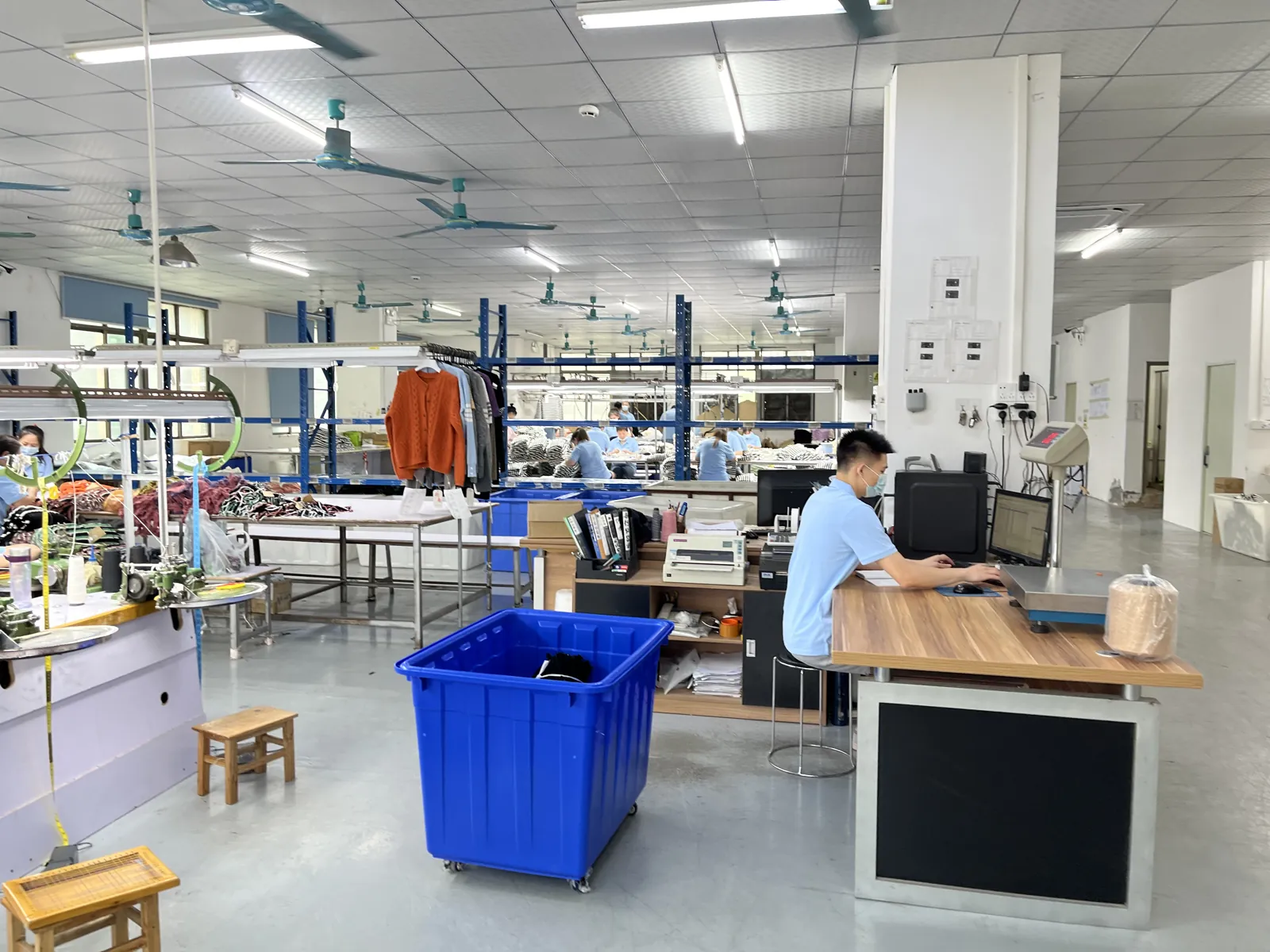
ODM sweater development means the factory handles design input, yarn recommendation, pattern drafting, sampling, and bulk production, while the brand provides direction — target customer, price band, season, reference images, and branding requirements. An ODM sweater is the right model when a brand does not have an in-house knitwear designer or a complete tech pack, but still needs product that reflects its identity. It is not the right model if a brand expects fully bespoke couture-level design work at commodity pricing, because design hours and pattern development carry real cost.
How an ODM Sweater Differs From OEM in Practice
In OEM work, the brand supplies a complete tech pack with yarn specs, gauge, stitch, measurements, and trims; we simply execute. In ODM, we start earlier in the process. We interpret mood boards, propose yarn blends, recommend gauges (from 3gg chunky to 14gg fine), and suggest knit structures — cable, jacquard, intarsia, pointelle — that match the target price. The brand still owns the final design decision, but the factory shapes the technical path.
Who Benefits Most From an ODM Sweater Route
Private label startups, buyers launching a capsule drop, and wholesalers refreshing a core range tend to benefit most. These teams usually have a clear market position but limited technical documentation. ODM compresses the development window because the factory reuses proven blocks, base patterns, and yarn relationships. Brands with fully developed design studios often prefer OEM for control; brands scaling category by category usually blend both models across their knitwear product catalog.
What we expect from a brand brief
A usable ODM brief includes: garment category (pullover, cardigan, hoodie, knit dress), target retail price, season, reference images with notes on what you like and do not like, target market (EU, US, Japan, Middle East), and order quantity range. Without a target price, we cannot recommend yarn; without a target market, we cannot advise on weight and gauge. The more specific the brief, the shorter the sampling cycle.
How to Start ODM Sweater Development Without a Tech Pack
Starting ODM knitwear development without a tech pack is normal and workable, provided the brand submits enough commercial and visual direction for the factory to build the tech pack on its side. The first deliverable in this scenario is usually a factory-drafted spec sheet based on your references, which both sides review and sign off before any yarn is ordered. This protects both parties and reduces rework later.
Build direction through reference images
Reference images are the single most useful input when a tech pack does not exist. We ask brands to share 3 to 8 images per style, annotated with comments such as “like the collar but want a relaxed fit,” “keep the cable but change to 7gg,” or “change color to warm camel.” According to the overview of the apparel manufacturing process published by Maker’s Row on apparel manufacturing, clear visual references combined with end-use definition reduce sample iterations and tighten the development timeline.
Define fit, weight, and handfeel early
Even without a tech pack, brands should commit to three technical anchors: fit (slim, regular, oversized), target weight in grams for size M, and handfeel (soft next-to-skin, structured, airy). These three points drive yarn count, gauge, and stitch density. A 320g oversized 5gg pullover is a very different cost and production route from a 480g chunky 3gg cardigan, and confusing these two at brief stage creates avoidable sample rounds.
Agree on branding and packaging scope
Branding is often underestimated during the early ODM stage. Woven labels, care labels, hangtags, polybag specifications, and carton markings all need lead time and MOQs of their own. For B2B buyers, confirming whether the program is neutral-label, private-label, or full custom packaging at the brief stage avoids a common delay: bulk knitwear finished on time but waiting two weeks for hangtags. Early alignment here keeps the critical path clean.
Why Yarn Sourcing Determines ODM Sweater Quality
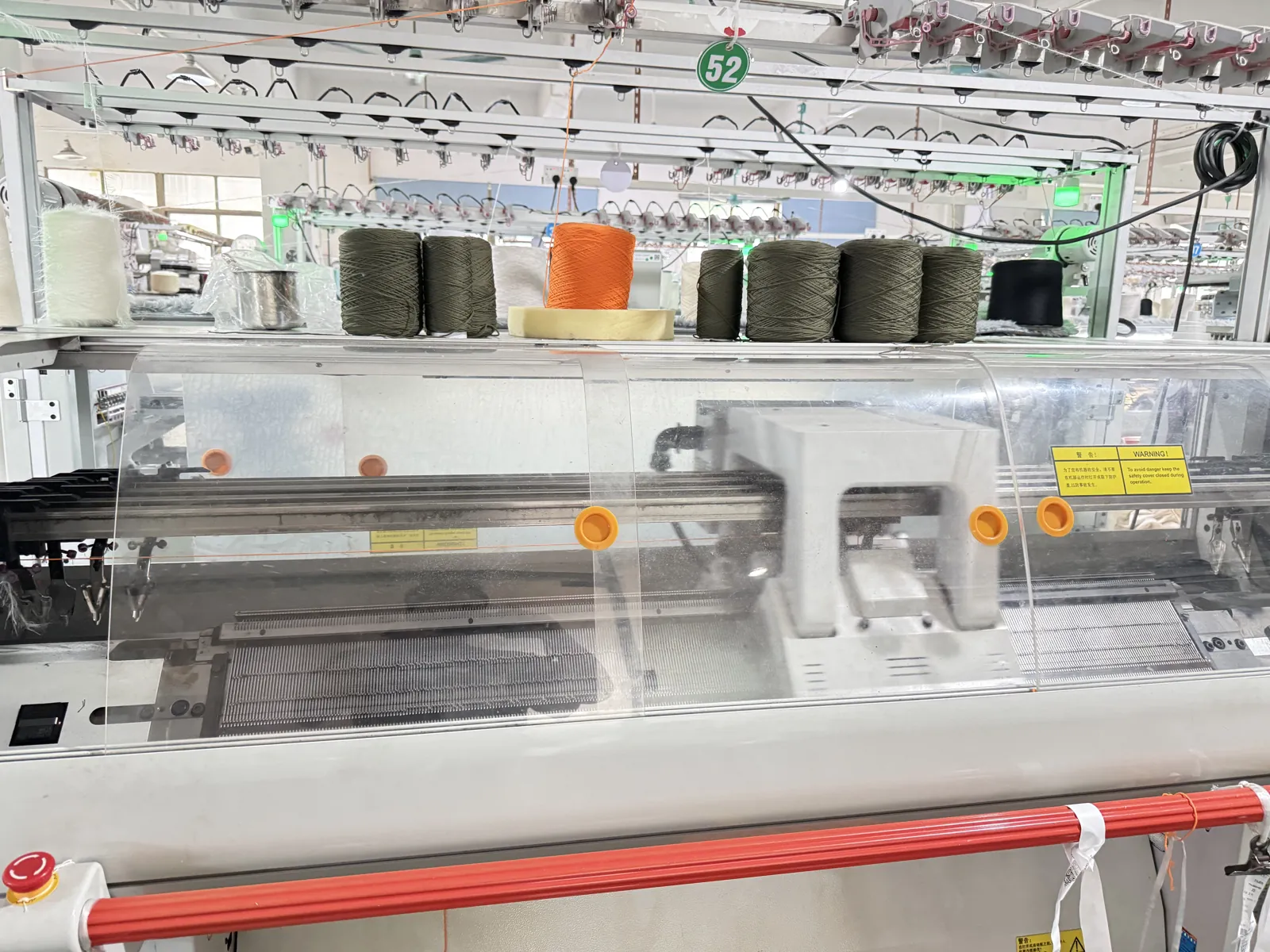
Yarn is the single largest quality and cost driver in any custom sweater, typically representing 50 to 65 percent of the ex-factory cost. From a factory perspective, no amount of skilled knitting or finishing can compensate for the wrong yarn. Yarn sourcing decisions should follow the target retail price, the end-use climate, and the brand’s durability expectations, not the other way around.
Matching fiber to market and price
Wool, cashmere, cotton, acrylic, viscose, and their blends all have legitimate uses, but they are not interchangeable. Merino wool suits premium EU and Japanese markets where next-to-skin softness matters. Cotton and cotton blends fit spring/summer programs and warmer climates. Acrylic and acrylic blends remain relevant for promotional and value-tier programs where retail sits below a wool-blend threshold. Design references published on CottonWorks on designing knit textiles outline how staple length, yarn count, and spinning method influence hand and drape — useful reading before finalizing a fiber choice.
Stock yarn versus dyed-to-order
Stock yarn shortens lead time and lowers MOQ, because the mill already holds it in standard shades. Dyed-to-order yarn gives Pantone-level color accuracy but adds 2 to 4 weeks and usually a 300 to 500kg minimum per color. Small brands often benefit from building a palette around stock-available shades and saving dyed-to-order for one or two hero colors.
The table below compares common yarn routes we use in ODM sweater programs. It helps buyers weigh cost, lead time, and minimums before committing.
| Yarn Type | Typical Use | Indicative MOQ per Color | Lead Time Impact | Cost Tier |
|---|---|---|---|---|
| Stock acrylic / acrylic blend | Value tier, promotional, basics | 100–300 pcs | Shortest; yarn ready in days | Low |
| Stock cotton / cotton blend | Spring/summer, smart casual | 200–400 pcs | Short; subject to mill stock | Low–Mid |
| Stock wool blend | Autumn/winter mid-market | 300–500 pcs | Short to medium | Mid |
| Dyed-to-order merino | Premium A/W, EU/JP markets | 300–500 kg | +2 to +4 weeks | Mid–High |
| Cashmere / cashmere blend | Luxury tier, gift category | 500 kg (often higher) | +3 to +6 weeks | High |
For B2B buyers, this means yarn strategy should be set alongside the buying calendar, not after it. A premium merino program booked too late will simply miss the season.
What to Expect During ODM Sweater Sampling
Sample development for ODM knitwear usually moves through three stages — knit-down (swatch), proto sample, and pre-production (PP) sample — and takes 3 to 6 weeks in total for most styles, sometimes longer for jacquard or intarsia. Each stage answers a different question, and skipping stages to save time tends to cost more later in bulk.
Knit-down and lab dip stage
The knit-down is a swatch knitted on the target machine gauge with the proposed yarn, showing stitch, density, and handfeel. Lab dips confirm color. At this stage, brands approve the fabric identity of the sweater before a full garment is built. Changes here are cheap; the same changes after a proto sample are expensive. We typically deliver knit-downs in 7 to 10 days once yarn is in hand.
Proto sample and fit review
The proto is the first full garment. It validates silhouette, proportion, collar, cuff, hem, and construction. Brands should expect to request adjustments — sleeve length, body length, neckline depth, rib width — and one or two proto rounds are normal. Industry discussion consistently points to two to four sampling iterations as typical for knitwear, and our experience aligns with that range. Rushing to one round often means correcting issues in bulk, which is slower and costlier.
Pre-production sample and sign-off
The PP sample is made with bulk yarn, bulk trims, and the production process that will be used for the main order. It is the reference against which bulk quality is measured. No responsible factory will start bulk knitting without a signed PP sample, and no experienced buyer will authorize bulk without holding one. For B2B buyers, this means building a minimum 4-week window between PP approval and bulk start, or accepting overlap risk on a tight calendar.
Managing Lead Time and MOQ for an ODM Sweater
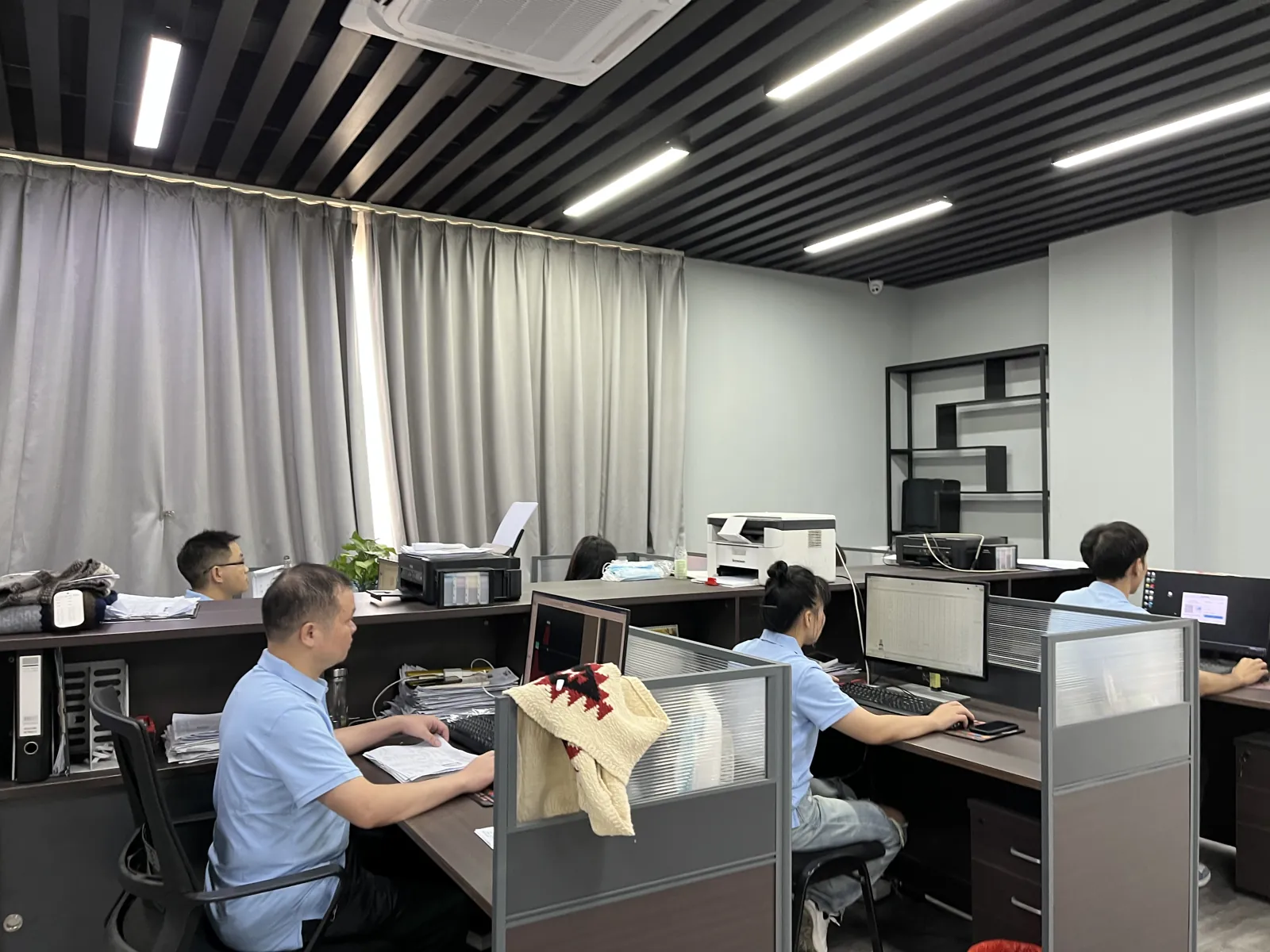
For an ODM sweater, lead time and MOQ are where commercial expectations most often collide with factory reality. A realistic baseline for ODM knitwear is 60 to 90 days from PP approval to shipment, with MOQs typically starting at 200 to 500 pieces per style per color depending on yarn and construction. Shorter lead times and lower MOQs are possible, but usually at a cost premium or with restricted yarn options.
What drives lead time in knitwear
Knitting speed depends on gauge and structure. A plain 12gg jersey pullover knits faster than a 3gg cable cardigan; a full-jacquard panel takes significantly longer than a solid one. Linking, washing, and hand-finishing are labor-intensive and cannot be rushed without quality loss. Yarn availability, especially for dyed-to-order or specialty blends, often sets the real start date of production. When brands ask us to “compress by two weeks,” the honest answer is usually that the compression must come from yarn lead time or from a lighter construction, not from the knitting floor.
Structuring MOQs sensibly
Most knit yarn mills set color minimums that flow through to garment MOQ. A program with six colors at 200 pieces each is easier to run than one with twelve colors at 100 pieces each, even though the totals are similar, because dye lots and setup costs multiply. We generally advise new brands to launch with three to five colors per style and expand the palette once sell-through is proven.
Planning reorders and refill windows
Reorders are where many brands lose margin. A first order placed in April may arrive in July, sell through September, and the brand only requests a refill in October — too late for the same season. We recommend planning refill triggers at the PO stage, holding a small yarn reservation where possible, and booking refill slots before the initial shipment leaves. For buyers, this means treating the first PO as the start of a two-order plan, not a standalone transaction.
How to Maintain Quality Control in an ODM Sweater Project
Quality control in ODM sweater production is most effective when it is built into every stage — yarn intake, knitting, linking, washing, finishing, and final inspection — rather than applied only at the end. A final AQL 2.5 inspection, which is a widely used standard for general apparel, catches defects but cannot fix systemic problems already baked into bulk. Good QC starts with the PP sample and a clearly written measurement chart with tolerances.
Inline checks that prevent bulk rejects
Inline QC during knitting looks for dropped stitches, tension variation, and panel measurement drift. During linking, checks focus on seam alignment, rib match at side seams, and neckline symmetry. Washing and finishing are monitored for shrinkage, dimensional stability, and handfeel consistency against the PP standard. Catching a tension issue on day three of knitting is manageable; catching it on day fifteen usually means reknitting panels.
Lab testing and performance validation
For brands selling into regulated markets, lab testing is not optional. Common tests for knitwear include fiber composition verification, dimensional stability after wash, colorfastness to washing and rubbing, pilling resistance, and seam strength. Third-party labs such as SGS, Intertek, and Bureau Veritas provide recognized reports. We usually recommend brands budget for lab testing at PP stage and again on a bulk pull, especially for first-time programs.
Aligning tolerances and golden samples
A “golden sample” is a physically sealed reference approved by both brand and factory. It defines what bulk must match. Measurement tolerances — typically ±1 cm on body length, ±0.5 cm on chest for fine gauges — should be written on the tech pack and agreed before bulk. Without aligned tolerances, QC disputes at shipment become subjective and expensive. For B2B buyers, a signed golden sample and a written tolerance table are the two documents that most reliably prevent claims.
Why Ethical Supply Chains Matter for Your ODM Sweater Strategy
Ethical supply chain practice is now a commercial requirement, not a marketing layer. Buyers selling into the EU, UK, and increasingly the US face due diligence obligations that reach upstream into yarn and fiber. From a factory perspective, brands that ask the right ethical questions early are easier to work with long-term, because the expectations are clear and documented. The framework published by the OECD due diligence guidance for garment and footwear supply chains is the reference most international buyers align with, and it structures due diligence into six practical steps.
Traceability from yarn to finished garment
Traceability starts at the yarn mill. For cotton, many buyers now request BCI, GOTS, or recycled content certificates; for wool, RWS is increasingly requested; for recycled synthetics, GRS is the common standard. A factory can only provide traceability if the brand asks for it at PO stage, because certified yarn lots must be reserved and documented from the start.
Labor practice and audit readiness
Audits such as BSCI, SEDEX SMETA, and WRAP are common requirements for mid- and large-volume programs. They cover working hours, wages, health and safety, and grievance mechanisms. Brands planning to scale should confirm audit status before placing first orders, not after. Retrofitting compliance into an existing program is slower than selecting the right partner upfront.
Chemical and environmental compliance
OEKO-TEX Standard 100 remains the most widely recognized certification for restricted substance compliance in yarn and finished garments, and is often required by EU retailers. REACH compliance applies to chemicals used in dyeing and finishing. For B2B buyers, this means confirming at brief stage which certifications are mandatory in the destination market, so that yarn selection and finishing processes can be planned accordingly — not corrected after bulk is produced.
Conclusion
ODM sweater development rewards brands that bring clear commercial direction and trust the factory to handle the technical path. The most successful programs we run share the same pattern: a specific brief with references and target market, an honest conversation about yarn and price, realistic sampling windows, and quality standards agreed in writing before bulk starts. Shortcuts at the brief or PP stage almost always reappear as delays or claims at shipment. If you are planning a new ODM knitwear program for the coming season, share your reference images, target market, preferred yarn direction, quantity range, and target delivery window through our knitwear development and private label services page, and our team will come back with a technical proposal, indicative costing, and a realistic timeline.
Frequently Asked Questions
1. Can we start ODM sweater development if we only have reference images and no tech pack?
Yes. We regularly start from reference images, mood boards, and a written brief covering target price, market, and quantity. Our technical team drafts the spec sheet on your behalf, which both sides approve before sampling. Providing clear notes on fit, weight, and handfeel will meaningfully shorten the development cycle.
2. What is a realistic MOQ for a new ODM sweater program?
Typical MOQs start at 200 to 500 pieces per style per color, depending on yarn type and construction. Stock yarns support the lower end; dyed-to-order premium yarns such as merino or cashmere usually require higher minimums because of mill-level dye lot requirements. We can review your color plan and suggest adjustments that keep totals workable.
3. How long does sampling take, and how many rounds should we budget for?
Expect 3 to 6 weeks across knit-down, proto, and PP stages for most styles, with two to four sampling iterations being normal. Complex constructions such as full jacquard, intarsia, or multi-yarn plating typically need extra time. Planning for one revision round after the proto sample is realistic; planning for zero is not.
4. What information should we send to get an accurate quotation?
Send reference images with notes, target retail or FOB price, target market, preferred fiber direction, quantity per style and color, required certifications, target delivery date, and any branding or packaging needs. Without a price band and quantity, any quotation is a guess; with them, we can propose a yarn, gauge, and construction combination that fits your commercial targets.
5. How do you handle reorders and refills within the same season?
Reorders are smoothest when planned at the initial PO stage. Where possible, we reserve a small yarn buffer, record the exact bulk process, and book a refill slot in advance. Refills placed after yarn has been released may face longer lead times because yarn must be re-sourced, which can add two to four weeks depending on color and fiber.