 CN Sweaters
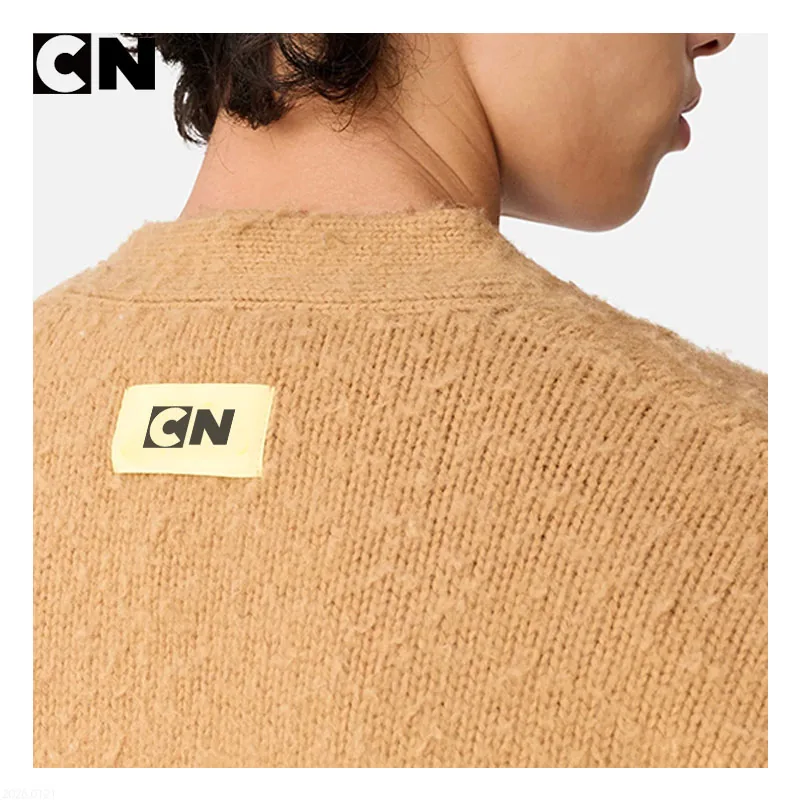
Private label knitwear succeeds or fails not at the sewing machine, but in the dozens of small decisions made around labels, hangtags, packaging, barcodes, and carton specs. If your sweater arrives well-made but with the wrong fiber content on the care label, an unscannable barcode, or a polybag that misses Amazon’s thickness rule, the product is not retail-ready, regardless of how good the knit looks.
This article is written from a factory perspective for brand owners, wholesalers, and purchasing managers who want to move beyond “just stick our logo on it.” We are Dongguan Cainan Clothing, founded in 2010, with an annual capacity of around 150,000 pieces across sweaters, cardigans, hoodies, knit dresses, and custom knit projects. Below, we break down what private label knitwear actually involves, where brands typically lose time or money, and how to set up an order so your sweaters can go from our carton directly to a retail shelf, a 3PL, or an Amazon FBA facility without rework.
What Does Private Label Knitwear Actually Include
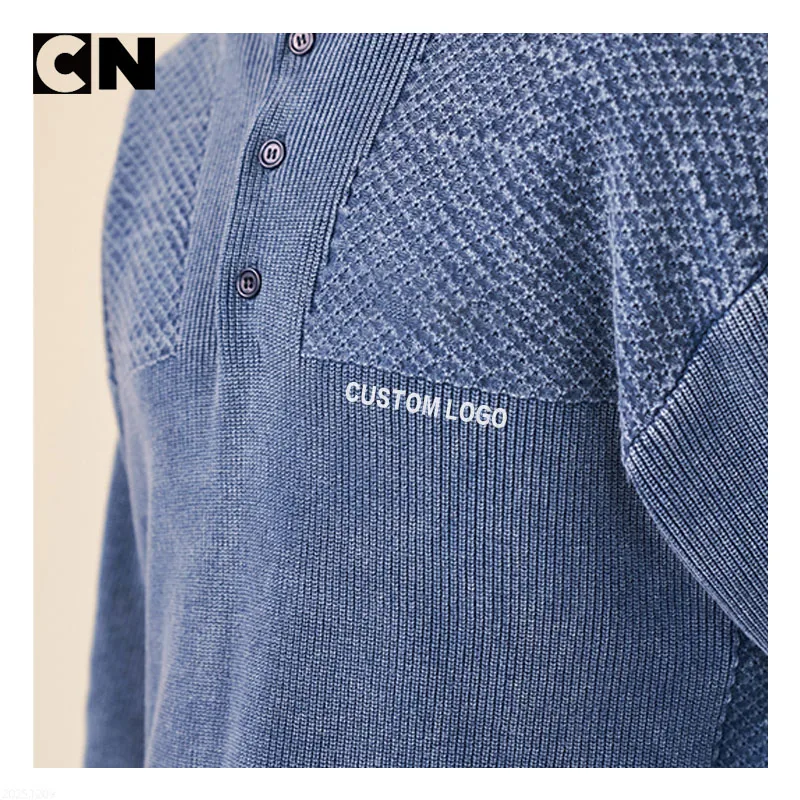
Private label knitwear is more than changing the neck label on a stock sweater. In our experience, a proper private label program covers the main label, care label, size label, hangtags, polybag, barcode, carton marking, and often a tracking or compliance label. When any one of these is missed, the shipment risks being treated as “not retail-ready” by the buyer’s warehouse, which usually means chargebacks, relabeling fees, or a held container.
For brands sourcing knitwear product catalog items on a private label basis, the first step is deciding which parts are truly private-labelled and which stay generic. Most of our clients brand the main label, care label, and hangtag, then standardize polybags and cartons to save cost.
Branding Elements vs Compliance Elements
Branding elements carry your identity: main label, hangtag, tissue paper, poly-bag sticker, thank-you card. Compliance elements carry legal and logistical data: fiber content, country of origin, care symbols, RN number (for the US market), CE or UKCA data where relevant, UPC or EAN barcode, and carton SSCC label. Brands often over-invest in branding and under-invest in compliance, and then fail inspection on paperwork rather than product.
Where Private Label Differs From Full OEM
Private label typically starts from an existing block or a light modification of it, while full OEM or ODM involves custom patterning, gauge engineering, and yarn development. Our OEM/ODM services cover both tracks, but for private label we usually recommend keeping structural changes minimal so lead time stays within 45 to 70 days for bulk after approved samples.
Who Is Responsible For What in private label knitwear programs
From a factory perspective, the brand owns artwork, logo files, color references, barcode data, and regulatory claims. We own construction, label attachment, packing, and shipment-level compliance based on your written spec. When responsibility is blurry, problems appear: wrong RN numbers, missing suffocation warnings, or hangtags tied in the wrong loop. A written packing and labeling specification resolves most of these issues before bulk. For B2B buyers, this division matters because it defines where chargeback risk sits. If the brand provides wrong artwork, the cost of reprint and rework is on the brand. If the factory mis-sews a correct label, the cost sits with us.
How Do You Build Main Labels Care Labels and Size Labels That Pass Inspection
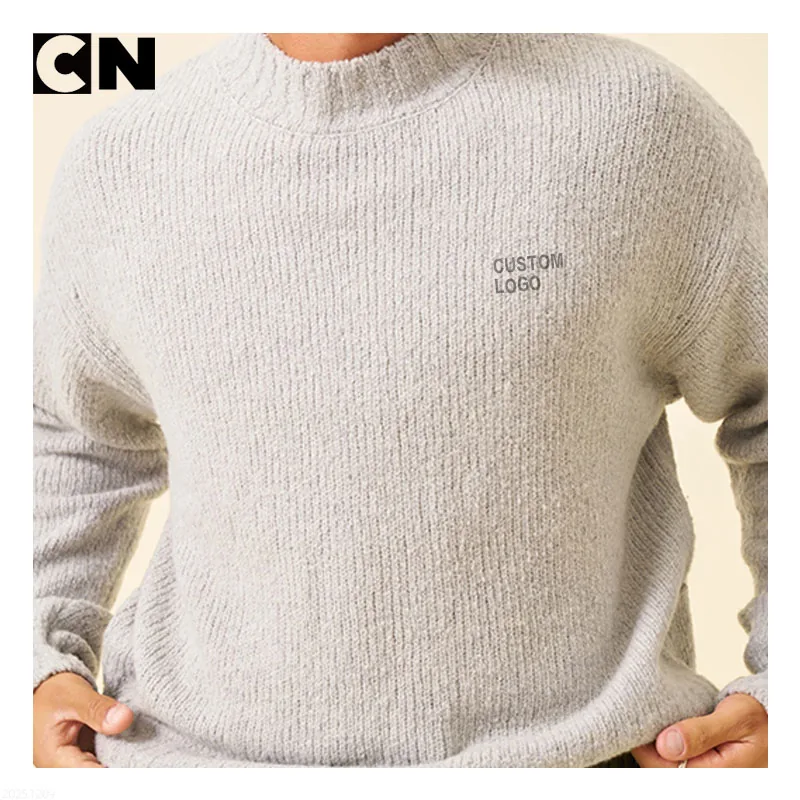
The answer is simple in principle: match the label content to the destination market’s legal requirement, match the label construction to the garment’s wash life, and lock the artwork before bulk cutting. In practice, this is where many private label sweaters fall short, because brands focus on visual design and underweight durability and compliance.
Woven Main Labels Versus Heat Transfer Neck Prints
Woven damask or satin labels remain our default for sweaters because they survive knit relaxation, pilling tests, and repeated washing. Heat transfer neck prints are lighter on skin and look cleaner for minimalist brands, but on wool-blend or brushed acrylic sweaters we sometimes see edge lifting after 15 to 20 home washes. For sensitive-skin programs such as baby knits or close-to-skin merino, side-seam loop labels or printed neck transfers are more comfortable than a stiff woven edge. The trade-off is durability against feel, and we discuss this on a style-by-style basis during sampling.
Care Label Content By Market in private label knitwear programs
Care label requirements differ by destination, and we adjust content to match. The table below summarizes the core mandatory fields we commonly implement for private label sweaters.
| Market | Fiber Content | Country of Origin | Care Instructions | Manufacturer Identity | Language Notes |
|---|---|---|---|---|---|
| United States | Required, % by weight | Required | At least one safe method | Brand name or RN number | English |
| European Union | Required, % by weight | Recommended | Recommended, symbols common | Not mandatory on label | Local language often required at retail |
| United Kingdom | Required | Recommended | Strongly recommended | Not mandatory | English |
| Canada | Required | Required | Recommended | Dealer identity required | Bilingual English and French |
The practical takeaway for buyers: if you sell into multiple markets, it is usually cheaper to design one multi-market care label than to run separate SKUs, but Canadian bilingual requirements often force a dedicated version. Third-party testing partners such as Intertek apparel testing services can verify that the care instructions you print are actually survivable by the garment, which protects the brand from consumer complaints if a sweater shrinks or distorts under the stated cycle.
Size Labels and Tracking Codes
Size labels should be placed where the buyer expects them: usually under the main label or at the side seam. For children’s knitwear sold into the US, CPSIA tracking labels must include brand or RN, factory code, date of manufacture, and batch or lot. We build this into our label die lines so the tracking data stays legible after at least 10 home launderings.
How Does Private Label Knitwear Control Hangtags and Brand Story?
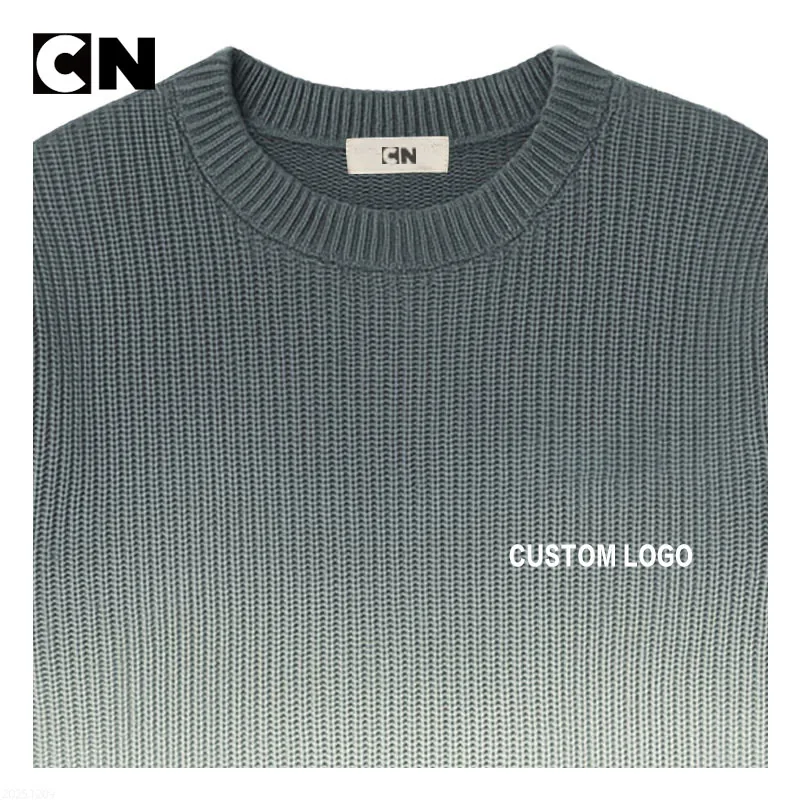
Hangtags are where brand personality lives, but from a factory perspective they are also a frequent source of MOQ friction and attachment errors. Our general judgment: design hangtags that are beautiful enough to survive the retail rack, but simple enough that a bulk run of 2,000 to 3,000 units can be produced within your launch budget. Most paper tag suppliers we work with set MOQs in this range regardless of material, so overdesigning a single variant rarely pays off for new programs.
Material Weight and Finish
For sweaters, we typically recommend 300 to 400 gsm uncoated or lightly coated cardstock. Heavier 18 pt stock feels premium but adds cost and increases the risk of the tag bending the neckline during transit. Specialty finishes such as foil stamping or embossing look excellent on cashmere or merino programs, but they extend hangtag lead time by 7 to 10 days and may require minimum color runs. For wholesale knitwear aimed at boutiques, a cleaner paper tag with a single foil logo often outperforms a heavily printed tag because it signals quality without competing with the garment.
What To Print And What To Leave Off
A functional hangtag for a private label sweater usually carries: brand logo, product name or style code, size, UPC or EAN barcode, and an MSRP if the retail channel requires it. We caution brands against printing full fiber composition on the hangtag when it is already on the sewn care label, because a mismatch (say, 70% wool on hangtag versus 68% wool on care label) can trigger a non-compliance finding. If the hangtag references care, we add a short disclaimer directing the consumer to the sewn label.
String Loop And Attachment Method
Attachment sounds trivial but affects perceived quality. Cotton string with a small metal eyelet suits boutique programs. Plastic kimble through a knit is fast and cheap but can leave a visible hole on fine gauge sweaters. For chunky gauge cardigans, we often attach tags through the button placket or a shoulder seam to avoid piercing the main body. Decide the attachment point during sampling, photograph it, and lock it in the spec sheet so every operator in bulk does it the same way.
What Packaging Setup Should You Use For Amazon FBA Versus Boutique Retail
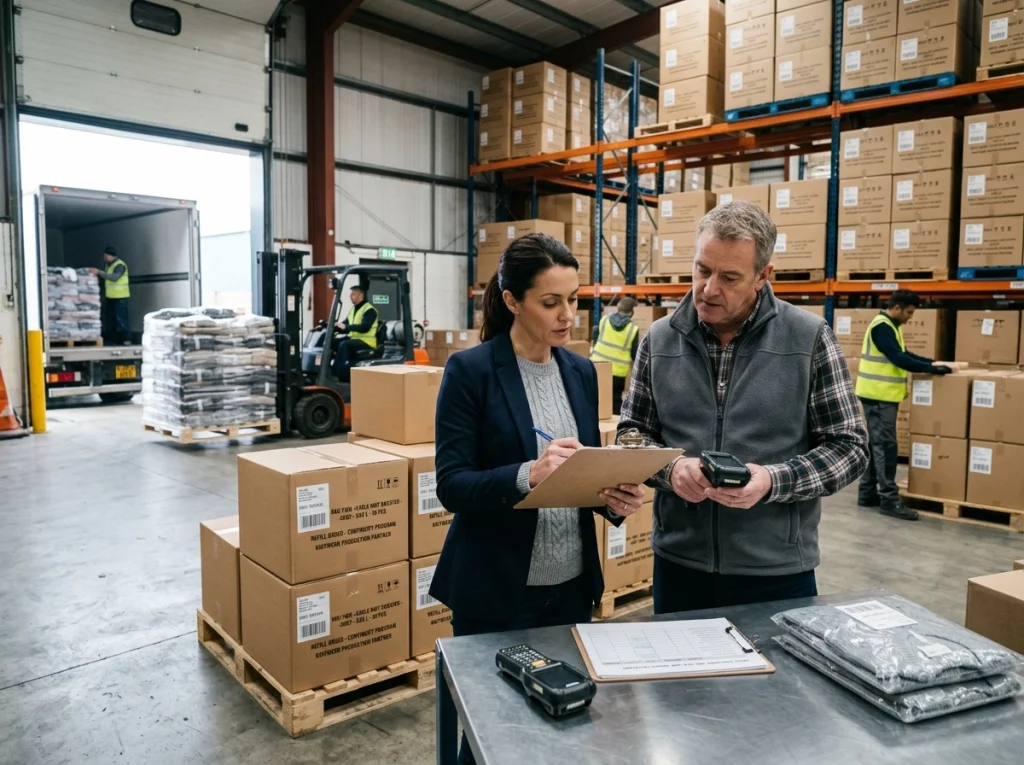
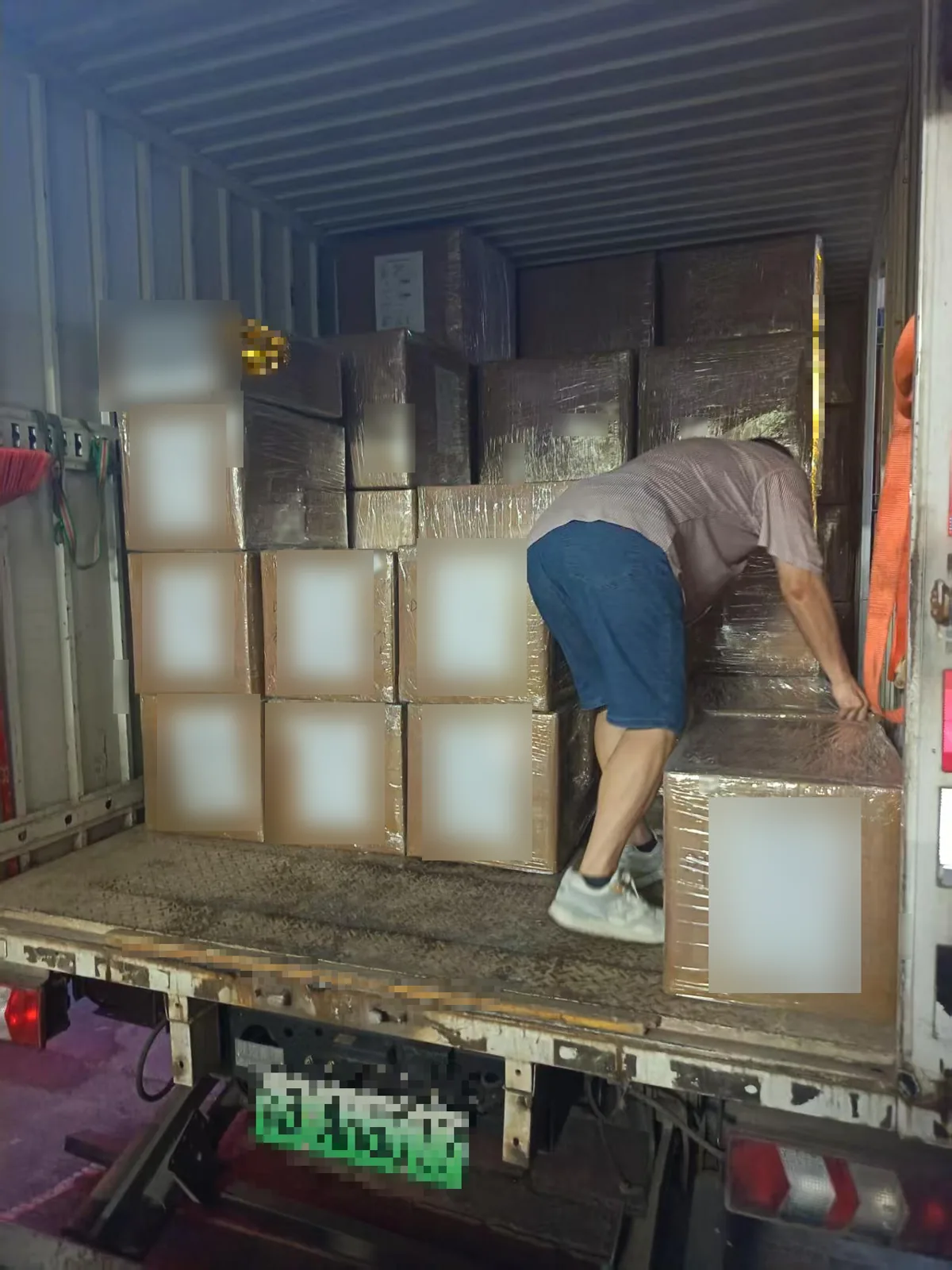
Short answer: Amazon FBA punishes non-compliance with fees, so the packaging must follow their polybag and barcode rules exactly. Boutique retail rewards presentation, so the packaging can be lighter on warnings and heavier on tissue, stickers, and unboxing feel. Running one generic packaging for both channels is possible but usually leads to overpacking for boutiques and under-packing for FBA.
Polybag Specifications That Actually Matter in private label knitwear programs
For Amazon FBA, we pack sweaters in clear polyethylene polybags with a minimum thickness of 1.5 mil, and 1.8 mil is safer for heavier knits because the bag resists tearing during conveyor handling. A suffocation warning is required when the bag opening is 5 inches or larger, with font size scaling to bag dimensions. The FNSKU barcode must be visible and scannable, either printed on a sticker on the outside or positioned so it reads cleanly through the bag. For boutique wholesale, a lighter 1.2 mil bag with a simple resealable flap and no warning sticker is often acceptable, especially for store-level deliveries that do not move through automated sortation.
Barcodes UPC FNSKU And Placement
For wholesale knitwear into retailers, UPC-A or EAN-13 printed at 100% with proper quiet zones is standard. For Amazon FBA, an FNSKU label is required per unit, centered on the largest flat face. We print both on a single sticker when a brand sells the same SKU through multiple channels, which saves repacking if inventory needs to be redirected. Unscannable barcodes are one of the most common reasons a retailer rejects a shipment, so we run a scanner check during final packing.
Tissue Inserts Bellybands And Retail Feel
For DTC and boutique programs, tissue paper, a paper bellyband, and a printed thank-you card can lift perceived value meaningfully without large cost. For pure Amazon FBA stock, most of this is stripped out because the customer unboxes from Amazon’s carton, not yours. The trade-off is simple: spend the packaging budget where the end customer actually sees it.
How Do You Set MOQs Sampling And Lead Time For A Private Label Program
Our general position: private label sweater MOQs usually sit between 200 and 500 pieces per color per style for standard yarns, and 100 to 300 pieces for more flexible pilot programs, though actual numbers depend on yarn availability, gauge, and decoration complexity. Sampling takes 15 to 25 days from approved tech pack, and bulk runs 45 to 70 days after sample sign-off. These ranges matter because they define how early you need to commit to a season.
Why MOQs Behave The Way They Do in private label knitwear programs
MOQ is driven more by yarn than by machine time. Mills typically dye yarn in minimum lots of 80 to 150 kg per color, and one sweater consumes 350 to 700 grams depending on gauge. That math sets the floor. If a brand wants a custom Pantone color, the MOQ often rises because the dye lot has to be dedicated. For brands testing new styles, we sometimes offer stock-color options that let the MOQ drop closer to 100 pieces, with the trade-off that the color palette is limited.
Sampling Stages We Recommend
A realistic sampling flow is: yarn swatch, stitch swatch, proto sample, fit sample, PP (pre-production) sample, and shipment sample. Skipping the PP sample to save 10 days is a frequent cause of bulk issues, because the PP sample is where labels, hangtags, polybag, and carton are confirmed together. We strongly recommend approving a full retail-ready PP sample before cutting bulk.
Lead Time And Reorder Planning
For reorders within the same season using the same yarn lot, we can often ship in 30 to 45 days because the label and hangtag artwork is already proofed. For reorders after a yarn lot closes, color matching to the original dye lot can add 10 to 15 days and sometimes requires a lab-dip approval. For B2B buyers, the practical implication is to forecast reorders before the original yarn lot is exhausted, especially for core colors that sell through predictably.
What Quality Controls Protect A Private Label Sweater Program
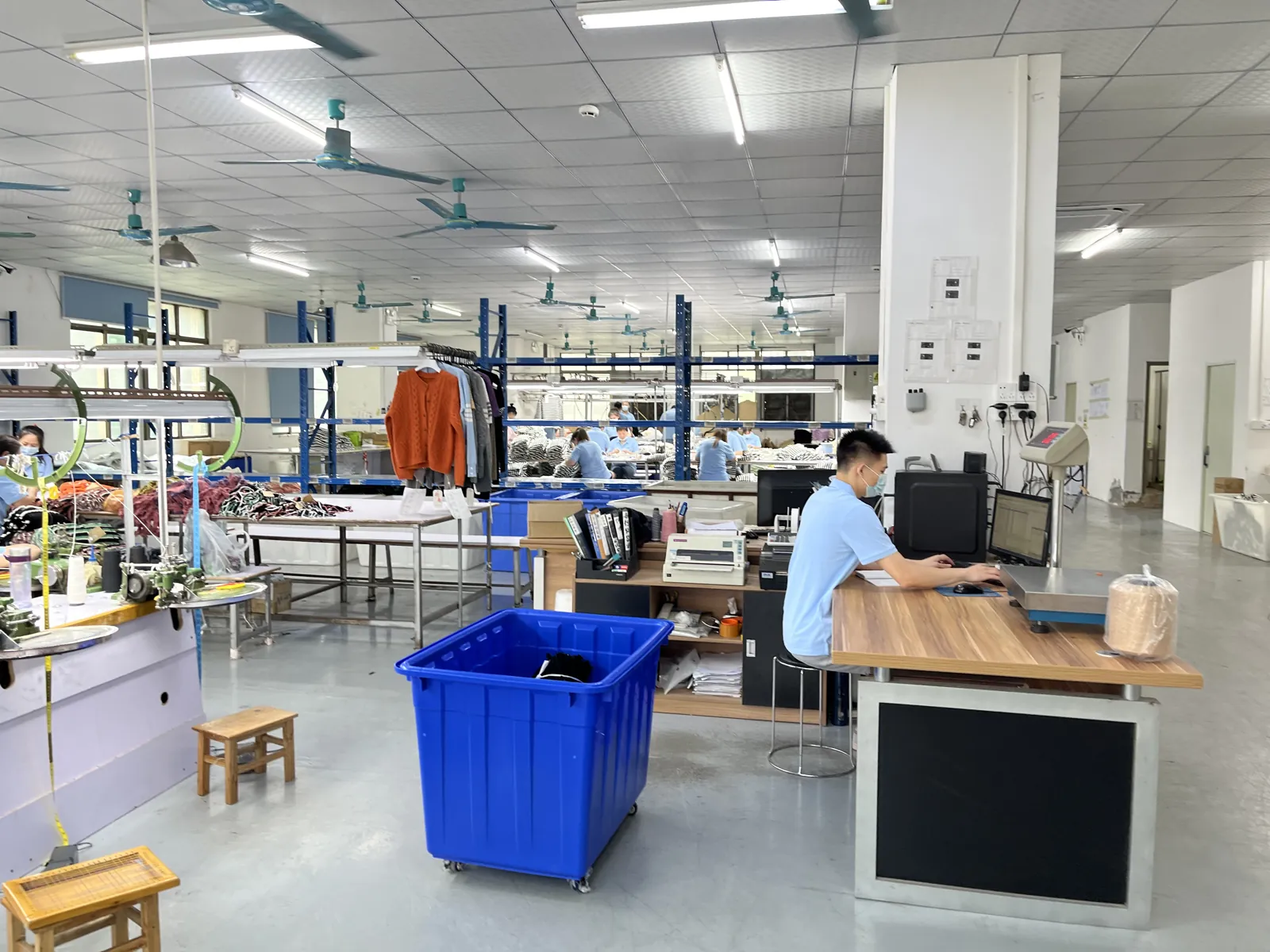
The controls that matter most are written specs, in-line checks, final AQL inspection, and independent lab testing for any claim that appears on a label. From a factory perspective, we view QC not as a cost to minimize but as the mechanism that keeps retail-ready shipments actually retail-ready. Guidance from Intertek’s textile and apparel inspection methodology aligns with how we structure pre-production, in-line, and final inspections under AQL sampling.
Common Defect Patterns in Private Label Knitwear Programs
Industry inspection data suggests stitching defects such as skipped stitches and uneven seam allowances are the largest category of major findings, followed by measurement deviation from the spec sheet, then fabric-level issues like shading or pilling, and finally labeling and functional failures. Our internal pattern is similar. We focus in-line checks on seam quality and measurements, because these are the defects that are hardest to fix after the garment is finished and pressed.
AQL Levels And What They Mean For You
Most of our private label programs run on AQL 2.5 for major defects and AQL 4.0 for minor defects, which is consistent with mainstream wholesale knitwear expectations. A stricter AQL 1.5 is possible for premium programs but usually adds cost because more units are pulled and more are likely to be reworked. For B2B buyers, the right AQL depends on retail channel sensitivity: department stores and premium boutiques often request tighter levels than off-price chains.
Third-Party Inspection And When To Use It
For first orders with a new factory, for large programs with tight retail deadlines, and for any product subject to chemical or physical regulations, we recommend booking a third-party final inspection. The cost is modest relative to the risk of a rejected container, and the inspection report gives the buyer documented evidence for retailer compliance conversations.
How Does Private Label Knitwear Stay Consistent Across Reorders?
Consistency comes from locking artwork, yarn specs, construction, and packing instructions into a single reference document that both sides treat as the master. Private label sweaters drift season over season when each new PO is treated as a fresh negotiation rather than a continuation of the last one. Our recommendation is to maintain a living spec that travels with every reorder.
The Master Spec Document
A master spec should include: approved tech pack, approved lab-dip references, approved yarn supplier and yarn count, approved label and hangtag artwork with die lines, approved polybag dimensions and thickness, approved carton dimensions and labeling format, and a list of tolerances. When a reorder comes in, we work from this document rather than reinterpreting emails, which eliminates most drift.
Controlling Color Drift Between Lots
Color is the single most visible form of drift. We manage it by keeping physical color standards in a sealed envelope, dyeing against the standard rather than against the previous lot, and running a side-by-side lightbox check before bulk. For brands with strict color tolerance, approving a Pantone TCX with a measurable delta-E tolerance is more reliable than approving a yarn swatch that can fade in storage.
Working With A Factory As A Long-Term Partner in private label knitwear programs
Startups often compare factories primarily on unit price. Platforms such as Maker’s Row’s guide to clothing manufacturers for startups emphasize that vetting capability, communication, and ethical practice usually pays back faster than chasing the lowest quote. From our side, long-term partners get priority in yarn booking, production scheduling during peak season, and faster sampling turnaround, because we know their spec library and can move without re-explaining basics.
Conclusion
Private label knitwear is a compliance, packaging, and consistency exercise as much as a manufacturing one. Getting labels right, packaging calibrated to the right channel, MOQs and lead times planned realistically, and QC anchored in written specs is what separates a clean retail-ready delivery from one that triggers chargebacks and rework. From a factory perspective, the buyers who succeed are the ones who treat the spec document as a living asset and who invest in the PP sample stage.
If you are preparing a private label sweater program, send us your artwork, tech packs, target garment type, fabric choice, quantity per color, target delivery date, and any specific branding or packaging requirements. Our team can review feasibility, map MOQ and lead time to your launch plan, and propose a retail-ready packaging setup aligned with your channel. You can also explore options through our OEM/ODM services page to start a scoped conversation.
FAQ
What is a realistic MOQ for private label sweaters with custom labels and hangtags?
For standard yarns and straightforward constructions, we generally work with MOQs of 200 to 500 pieces per color per style. For pilot programs using stock colors, it can drop to around 100 to 300 pieces. Custom Pantone colors, specialty yarns such as cashmere blends, and intarsia or jacquard patterns usually push MOQ higher because dye lots and set-up time become the binding constraint.
How long does sampling take before we can approve bulk?
From a complete tech pack and clear artwork, we typically deliver a first proto sample in 15 to 25 days. Fit iteration adds 7 to 10 days per round, and the pre-production sample with all labels, hangtags, and packaging takes another 10 to 14 days. Brands that plan two fit rounds plus a PP sample should budget roughly 45 to 60 days before cutting bulk.
What artwork files should we send for main labels hangtags and polybag stickers?
We prefer vector files (AI, EPS, or PDF with outlined fonts) for labels and hangtags, plus Pantone references for spot colors. For barcodes, we need the final UPC, EAN, or FNSKU data rather than a rasterized image, so we can print at the correct size and quiet zone. Providing a packaging spec sheet with dimensions, placements, and warning text prevents most of the back-and-forth during pre-production.
What are the biggest packaging risks for Amazon FBA private label sweaters?
The three most common issues we see are polybags below 1.5 mil thickness, missing or incorrectly sized suffocation warnings on bags with openings of 5 inches or larger, and FNSKU barcodes that do not scan through the bag. Any of these can trigger FBA prep fees or a rejected shipment. We run a scanner check and bag-thickness check during final packing specifically to catch these.
How do we plan reorders without losing color consistency?
The safest approach is to forecast reorder volume before the original yarn lot is exhausted and to book the same dye lot when possible. If the lot has closed, we run a new lab dip against your approved physical standard, not against a previous production sample, and check under a D65 lightbox. For core colors, keeping a sealed master swatch at the factory and at the brand office reduces the risk of gradual drift across multiple seasons.