 CN Sweaters
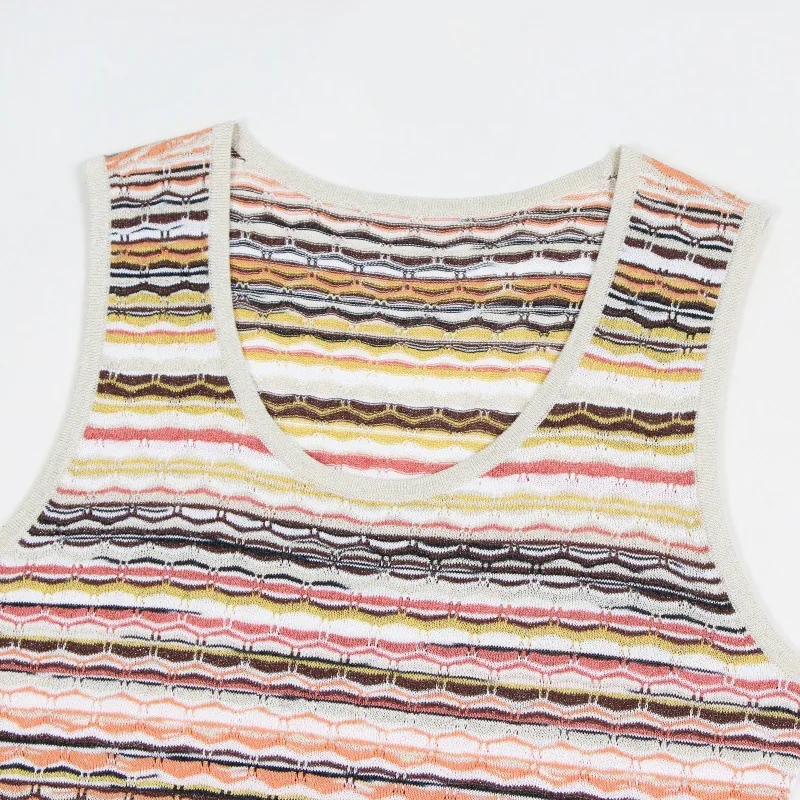
A knitted V neck vest fails in bulk most often at four points: the V notch, the armhole curve, the shoulder line, and the hem rib. From a factory perspective, these are not random defects. They are predictable risks that a buyer can control before cutting yarn for bulk, provided the pre-production checklist is built around construction stability rather than surface appearance.
This is the gap most procurement teams underestimate. A sample that looks clean on a hanger can still split at the V, twist at the shoulder, or wave at the hem once it is knitted across 800 or 2,000 pieces on multiple machines, over multiple shifts, with multiple yarn cones. The buyers who avoid rework are not the ones who inspect harder at final QC. They are the ones who lock down neckline tension, armhole geometry, size tolerance, and dye lot rules before the bulk machine is even loaded.
Below is the pre-bulk review structure we use with brand and wholesale buyers developing a knitted V neck vest, a knitted sweater vest, or a sleeveless knitted vest for private label programs. It assumes you already have a confirmed sample and are deciding whether the construction is bulk-ready, not whether the design is final.
Why Knitted V Neck Vest Stability Comes First
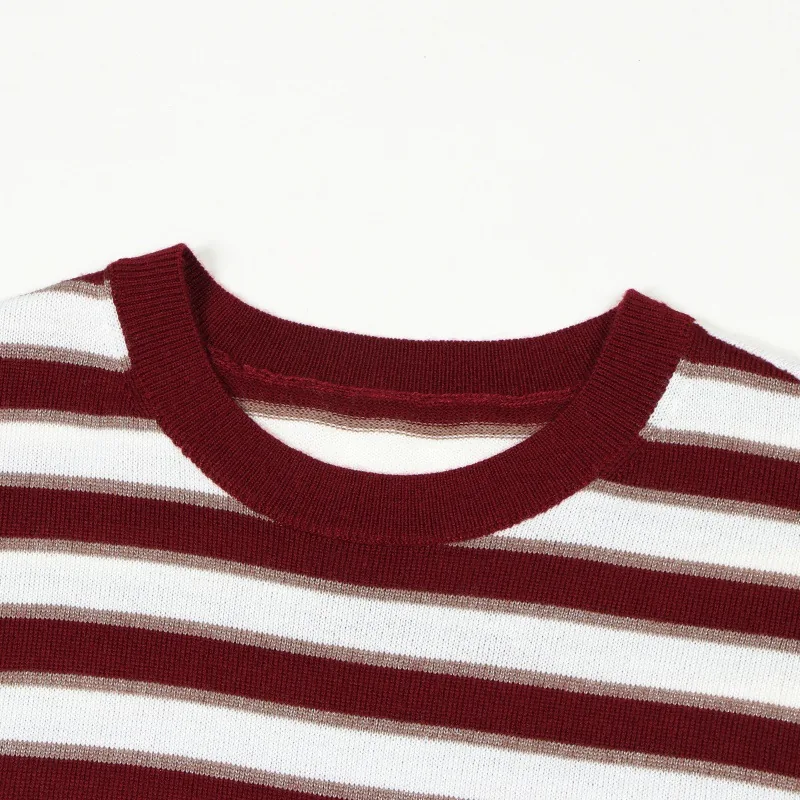
The V notch is the single highest-risk point in a knitted V neck vest, and it should be the first thing reviewed before bulk approval. If the V is unstable in the sample, it will be worse in bulk, not better. Machine variation, operator handover, and yarn batch difference all amplify neckline defects once volume increases.
What Actually Causes a V Notch to Fail
A V neck can fail in three ways: the V point opens or splits, the two neckline tapes meet unevenly, or the trim curls outward after washing. These are construction issues, not finishing issues. The V point depends on how the linking machine secures the meeting point, usually with a reinforced stitch or a small overlap. If the sample shows any visible gap, pulled loop, or asymmetric meeting at the V, that defect will multiply across bulk.
Neckline trim curling is almost always a tension issue between the body fabric and the rib trim. A 1×1 or 2×2 rib trim that is knitted too loose relative to the body will roll; too tight, and it will pucker the front panel. For a vest and sleeveless knitwear style intended for layering, the trim must lie flat against the chest with no visible wave after a standard wash test.
What to Confirm Before Bulk
Ask the factory to provide a sample that has been washed at least once according to the agreed care label, then inspect the V at rest and under light tension. If the V holds shape after wash, the construction is bulk-ready. If it distorts, the trim ratio or linking method needs adjustment before approving the bulk PO. Approving bulk on an unwashed sample is one of the most common reasons V neck vests are rejected at final inspection.
How to Check Knitted V Neck Vest Armholes and Shoulders
Armhole and shoulder defects are the second most common bulk-stage failure on a sleeveless knitted vest, and they are harder to correct after the fact than neckline issues. The judgment here is simple: if the armhole pulls, gapes, or twists on the fit sample, do not approve bulk. Armhole geometry on a knitted vest is set by the shaping decreases during knitting, not by cutting, so corrections require re-programming the panel.
Armhole Tightness and Gape
A correctly built armhole on a knitted vest should sit flat against the body at rest and allow the arm to move forward without the front panel lifting. Two failure modes dominate. The armhole is too tight, which pulls the side seam outward and creates a diagonal stress line across the chest. Or the armhole is too loose, which causes the front panel to gape open at the bust line and exposes the side body when the wearer raises an arm. Both are visible on a properly fitted sample and both are predictable from the tech pack measurements.
For a knitted vest v neck design layered over a shirt, allow 2 to 3 cm of ease at the armhole compared to the shirt sleeve cap. Less than that, and the vest will ride up. More than that, and the silhouette loses structure.
Shoulder Line Drop and Symmetry
Shoulder asymmetry of more than 0.5 cm between left and right is a bulk risk, not a finishing issue. It usually indicates uneven linking tension or panel shrinkage difference. Confirm shoulder symmetry on three sample pieces from the same size run, not just one, before approving the order. If three samples show consistent shoulder placement within tolerance, bulk is likely stable. If they vary, the linking process needs review.
What Size Tolerances a Knitted V Neck Vest Needs
Size tolerance on a knitted v neck vest should be defined in the tech pack before bulk starts, not negotiated after inspection. The factory perspective is direct: knitted fabric is not woven fabric, and applying woven tolerances to a knit program causes disputes that could have been avoided. A clear tolerance table protects both sides.
Realistic Tolerances for Knit Vests
Knit fabric stretches and relaxes after steaming, so absolute precision to the millimeter is not realistic for bulk production. What is realistic is a defined tolerance range per measurement point, agreed in writing. The table below reflects ranges we typically see on a knitted sweater vest program. Specific tolerances should always be confirmed with your factory based on yarn, gauge, and construction.
| Measurement Point | Typical Tolerance | Bulk Risk if Exceeded |
|---|---|---|
| Chest width | ±1.5 cm | Fit feels off across size run |
| Body length | ±2.0 cm | Layering proportion changes |
| Shoulder width | ±1.0 cm | Visible asymmetry on rack |
| Armhole drop | ±1.0 cm | Sleeve opening looks uneven |
| V neck depth | ±0.5 cm | Neckline visibly inconsistent |
| Hem rib width | ±0.3 cm | Wavy hem on multiple pieces |
The V neck depth tolerance is tighter than other points because the eye notices neckline inconsistency immediately on a hanger or model. A 0.5 cm variation on chest width is invisible; the same variation on V depth is not.
How to Enforce Tolerance in Bulk
Tolerance enforcement happens during in-line inspection, not at final QC. Ask the factory to measure five pieces per size during the first 10 percent of bulk knitting. If any measurement falls outside tolerance, the program is paused and reviewed before continuing. This is standard practice and should be confirmed in your PO terms before production starts. Independent third-party verification, such as garment inspection services, can be added when buyers want a second layer of measurement control on larger orders.
How to Control Color Difference Across a Knitted V Neck Vest Batch
Color difference between pieces and between cartons is one of the most expensive defects to fix after bulk, and the most preventable before bulk. The judgment: lock dye lot rules before yarn is ordered, not after knitting begins.
Dye Lot Rules That Actually Prevent Returns
A knitted v neck vest order of 500 pieces typically requires one dye lot for the body yarn. Larger orders that span multiple dye lots need a written agreement on how lots are separated. The two acceptable approaches are: ship each dye lot as a separate carton group with the lot number labeled, or ensure each finished garment uses yarn from only one dye lot across all panels. Mixing dye lots within a single garment is the fastest way to create visible panel-to-panel color variation that no QC inspection can save.
For piece-dyed programs, where panels are knitted in greige and dyed after, the risk shifts to dye penetration consistency. Lighter colors and pastels show dye unevenness more than dark colors. If the vest is in a pale tone, request a dye strike-off on actual fabric before bulk dye approval.
Light Box Approval Is Not Optional
Color approval must happen under a standardized light source, typically D65 or TL84, not under factory floor lighting. Approving color on a phone screen or in mixed daylight is a common cause of post-shipment disputes. A formal lab dip approval, signed and dated, is the reference point if a dispute arises later. Reliable apparel testing protocols include colorfastness to washing, rubbing, and light, all of which matter for a knit vest that will be worn against shirts and jackets.
How to Inspect Hem Rib and Yarn Quality on a Knitted V Neck Vest Before Bulk
Hem rib waving and yarn quality issues are the defects that look minor on one piece and catastrophic across a carton. The judgment: review rib tension and yarn cone consistency on the pre-production sample, then again on the first off-machine bulk pieces.
Why Hem Ribs Wave
A wavy hem on a knitted sweater vest comes from tension imbalance between the rib structure and the main body fabric. The rib pulls tighter than the body in theory, which creates the snug hem most buyers want. When that ratio is off, either the rib is too loose, which leaves a flared hem, or too tight, which puckers the body just above the hem. Both are visible at arm’s length and both are bulk-stage rejections in most retail QC programs.
Confirm rib behavior by laying the sample flat for at least four hours after pressing, then checking for any visible wave or curl. If the hem stays flat after relaxation, the rib ratio is correct. If it waves, request a rib gauge adjustment before bulk.
Yarn Cone Variation and Knot Frequency
Yarn quality at bulk depends on cone-to-cone consistency, not just yarn count specification. Knots, slubs, and twist variation in the yarn can pass incoming inspection at the cone level but show up as visible defects in the finished panel. Standard knit construction guidelines explain how knitting yarn behaves on bulk machines, which is why a yarn quality clause in the PO matters more than a generic “good quality yarn” statement.
Specify acceptable knot frequency per kilogram, allowable count variation, and twist tolerance in the PO. Without these, disputes default to subjective judgment.
What MOQ, Lead Time, and Sampling Mean for a Knitted V Neck Vest
MOQ and lead time for a knitted v neck vest depend on yarn type, color count, and decoration complexity, not on a fixed factory number. The judgment to give buyers upfront: ask what drives the MOQ for your specific design, then plan timing around the longest lead component, which is almost always yarn.
Typical Ranges and What Drives Them
For a private label knitted vest program, MOQ is typically set by yarn minimums, not knitting capacity. Standard cotton or acrylic yarns are widely stocked and have lower effective MOQs. Specialty yarns, melange blends, or branded fibers usually require larger minimums because the yarn itself is ordered to spec. A vest in 3 colors at 300 to 500 pieces per color is a common starting point that balances yarn economy and buyer flexibility, though this varies by supplier.
Sampling for a v neck vest knit usually takes 10 to 15 working days for a first proto, then another 7 to 10 days for a revised fit sample after comments. Bulk lead time after sample approval ranges from 45 to 60 days for standard yarn programs, and 60 to 75 days when yarn must be dyed to a custom color. These are working ranges; final timing depends on order volume, decoration method, and seasonal factory load.
Where Refill Orders Save Time
Refill orders on an approved knitted v neck vest program are faster because the tech pack, sample, and dye reference already exist. A repeat order on the same color and size run typically ships in 35 to 45 days, assuming yarn is available. If you are planning seasonal restocks, confirm yarn availability with the factory at the start of the season, not when you place the refill PO. Programs that align with broader OEM and ODM knitwear services tend to plan yarn reservations upfront, which reduces refill risk.
Conclusion
A knitted v neck vest that ships clean from bulk is the result of decisions made before knitting starts, not inspection done after. The four risk points (neckline stability, armhole geometry, hem rib tension, and dye lot control) are all visible on a properly washed pre-production sample, and all controllable through a written tech pack with realistic tolerances. Buyers who lock these down at sample approval almost never face the rework, claims, and shipment delays that come from approving an unwashed sample or leaving tolerance ranges undefined.
If you are preparing a knitted v neck vest program for the next season, send your reference, neckline details, size chart, yarn idea, and bulk quantity so the pre-production checklist can be built around your specific design before the bulk machine is loaded.
FAQ
What is a realistic MOQ for a knitted v neck vest in private label? For standard yarns, 300 to 500 pieces per color is a common starting point. Specialty yarns or custom dye colors usually push the minimum higher because yarn itself drives the floor. Confirm the MOQ for your specific yarn before locking the design, since changing yarn after sampling resets the minimum.
How long does sampling take before bulk approval? First proto samples typically take 10 to 15 working days. After fit comments, a revised sample takes another 7 to 10 days. Plan for two sampling rounds minimum, three if the design includes complex stitch structures or jacquard panels.
Can I mix multiple colors of v neck knitted vest in one bulk order? Yes, provided each color meets its own MOQ. The total order can be split across colors, but each color is treated as a separate dye lot and a separate yarn purchase. Smaller color quantities sometimes carry a surcharge to cover yarn waste at color changeover.
What decoration methods work on a sleeveless knitted vest? Embroidery on a flat chest panel, woven labels at the back neck or hem, and intarsia knitting for color blocks are the most reliable. Heat transfers and screen prints are possible but carry higher risk on textured knit surfaces, so confirm method against the specific yarn before sampling.
How should I plan shipping timing for seasonal restocks? For refill orders on an approved program, allow 35 to 45 days production plus shipping. Sea freight from China to North America or Europe adds 30 to 45 days; air freight cuts that to under 10 days but raises landed cost significantly. Plan the PO date around your in-store target, working backwards.