 CN Sweaters
Choosing a knitwear manufacturer for fall winter orders should start with capability fit, not only unit price or factory photos. A low quote can still become expensive if the factory lacks the right product experience, gauge range, yarn access, sampling discipline, bulk capacity, or export communication needed for winter knitwear.
For B2B buyers, the real question is whether the supplier can repeat the approved sample at scale during peak season. Fall winter styles usually involve heavier yarns, multiple colorways, special stitches, private label packaging, and stricter delivery windows. If the first inquiry is vague, the sample approval is rushed, or the production slot is not confirmed early, delays can move from yarn sourcing to color approval, machine scheduling, finishing, inspection, packing, and shipping. A reliable knitwear factory should help you see those risks before the order is committed.
Why Should You Choose a Knitwear Manufacturer Before Peak Season?
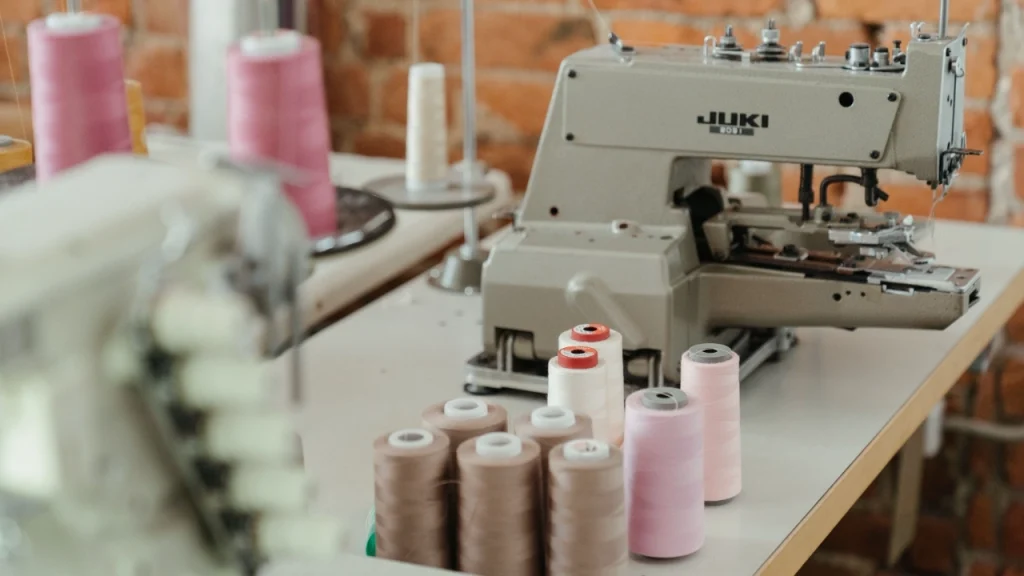
Peak season planning matters because knitwear production is not a single sewing step. Yarn purchasing, lab dips, knitting machine allocation, linking, washing or finishing, measurements, labeling, packing, and export handover all compete for time once fall winter demand rises. A knitwear supplier that looks available in June may have limited machine time by August, especially for chunky gauges, jacquards, intarsia, or styles with several colorways.
Capacity must match the order calendar
Before asking for the lowest price, ask when the factory can start sampling, when bulk yarn can be booked, and whether the same machines used for sampling will be available for production. CottonWorks sweater manufacturing guidance explains that sweater manufacturing commonly uses weft knitting on flat-bed machines, with machinery and methods such as cut-and-sew, panel knitting, full fashioning, and whole-garment knitting affecting how sweaters are built and scaled. That is why a knitted sweater manufacturer should discuss process fit before confirming a delivery promise.
For fall winter orders, capacity questions should be practical. Ask the factory how many similar styles it is currently running, whether any work is subcontracted, how it handles urgent add-ons, and what happens if yarn delivery or color approval is delayed. A serious sweater factory should be able to describe its current production window without turning every risk into a vague “no problem.”
Price is only one part of supplier selection
A cheaper quote may come from a lighter yarn, lower density, simpler trims, fewer inspection steps, or a looser packaging standard. It may also exclude sample revisions, lab dips, private label accessories, carton requirements, or export documentation. For winter knitwear, the buyer should compare what is included in the quote, not only the final number.
This is where a clear service scope helps. If your order requires OEM development from tech pack, reference sample, size chart, yarn composition, colors, labels, and packing details, start with a factory that documents each stage from RFQ to sampling, PP approval, bulk production, QC, and shipment.
What Product Experience Should a Knitwear Factory Prove?
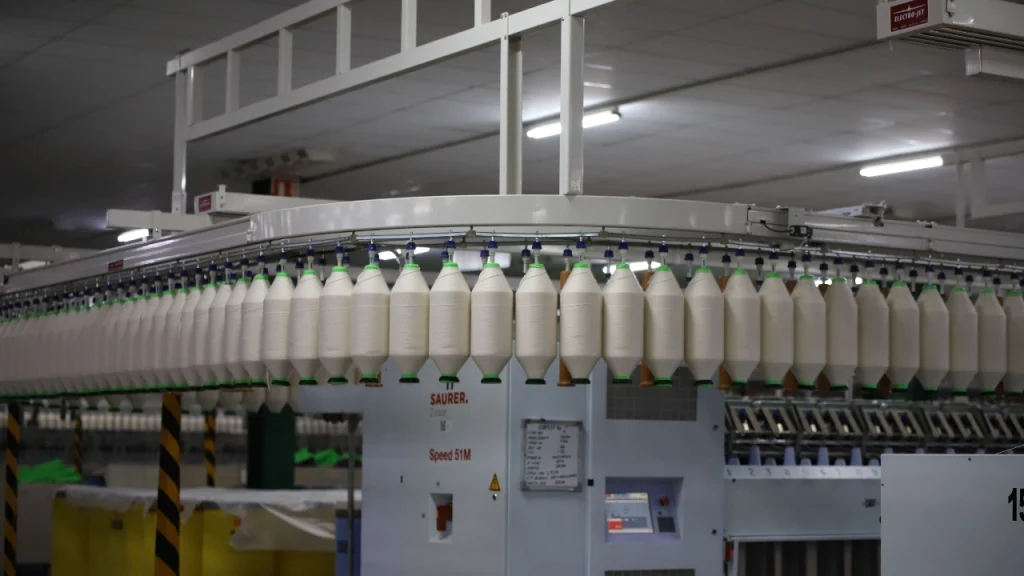
The right knitwear factory should have bulk experience with your product type, not just a broad claim that it can make sweaters. A cardigan with placket stability, a ribbed knit dress with body recovery, a sleeveless vest with clean armholes, and bulk knit sweaters for wholesale replenishment each create different development and quality risks.
Match the category before judging the quote
Start by defining what you are buying: custom knitwear, pullovers, cardigans, vests, sleeveless knitwear, knit dresses, hoodies, zip knitwear, or private label knitwear. Then ask the manufacturer to explain how it would control the main risk in that category. For example, cardigans need stable fronts, button spacing, placket alignment, and clean linking. Knit dresses need attention to length growth, body fit, recovery, and hanger presentation. Vests need neckline and armhole shaping that does not twist after finishing.
A factory that produces many product types should still be able to separate the technical logic of each category. CN Sweaters lists a broad knitwear product range covering sweaters, hooded and zip knitwear, cardigans, knit dresses, vest and sleeveless styles, and custom knit projects, but buyers should still match the specific style to the supplier’s relevant bulk experience.
Ask for bulk proof not only sample photos
Sample photos show what can be made once. Bulk proof shows what can be repeated. Ask for similar production references by category, gauge, yarn type, stitch structure, color count, and order size. If confidentiality limits photos, the factory can still explain its production method, inspection points, and common problems for similar styles.
Use this comparison before shortlisting suppliers:
| Product type | Experience to verify | Main risk if ignored |
|---|---|---|
| Pullovers and bulk knit sweaters | Similar gauge, yarn weight, neckline, and sleeve construction | Bulk hand feel or sizing differs from the approved sample |
| Cardigans | Placket stability, button spacing, linking, and front balance | Wavy fronts, twisting, or uneven button alignment |
| Knit dresses | Length control, recovery, body fit, and finishing method | Garment grows after steaming or wear |
| Vest and sleeveless knitwear | Armhole shaping, rib tension, shoulder balance | Armholes curl, stretch, or sit unevenly |
| Private label knitwear | Label, hangtag, polybag, carton, and barcode handling | Finished goods pass QC but fail retail packing needs |
The table is not a replacement for sampling. It is a way to prevent buyers from treating all knit manufacturers as interchangeable when the construction risks are different.
Can the Sweater Factory Support Your Gauge Yarn and Stitch Plan?
A sweater factory is suitable only if its machines, yarn resources, and technicians match the design. Fall winter knitwear for winter can range from fine-gauge layering pieces to chunky cardigans, brushed yarn pullovers, jacquard motifs, cable structures, intarsia graphics, ribbed dresses, and mixed-stitch vests. Each choice affects price, MOQ, sample time, production speed, weight, and quality control.
Gauge and stitch structure affect both look and output
Gauge is not just a technical detail. It determines the scale of the knit, the suitable yarn count, the fabric density, and the type of machine needed. CottonWorks knit design guidance notes that yarn, construction, pattern, and machine capability affect both cost and productivity, so fabric decisions can strongly influence the finished garment price. For a buyer, that means a factory should not quote a complex cable, jacquard, or intarsia style as if it were a basic jersey pullover.
Ask which gauges the factory mainly runs, which gauges are busy during peak season, and whether your target yarn is suitable for the requested stitch. A heavy yarn on a fine gauge may be difficult to knit cleanly. A delicate yarn in a loose structure may snag or distort. A large intarsia artwork may require more programming and slower production than a simple stripe.
Yarn sourcing should be tested before bulk
Yarn availability is one of the most common fall winter order risks. The buyer should ask whether the yarn is in stock, whether it needs custom spinning or dyeing, whether color cards are current, and whether bulk yarn lots can be reserved after sample approval. For custom knitwear, the factory should be able to work from a target composition, hand-feel reference, Pantone or yarn card color, weight target, and price range.
If your range includes sweaters, cardigans, vests, and knit dresses in the same season, avoid changing yarn direction too late. Every new yarn can create new MOQ, lab dip, shrinkage, pilling, colorfastness, and hand-feel questions.
How Should Custom Knitwear Manufacturers Handle Sampling?
Custom knitwear manufacturers should turn uncertain ideas into controlled specifications. They should not only offer existing styles with a logo label. If you send a tech pack, reference photos, size table, yarn request, color standard, brand label, and packaging instruction, the factory should respond with feasibility comments, missing information, sample timing, and cost variables.
A sample is a technical decision tool
The first sample should help both sides test the product, not simply look attractive in photos. For a pullover, the buyer may need to check neckline recovery, sleeve length, shoulder balance, body width, hem tension, and final garment weight. For custom cardigan production, the sample should also check placket behavior, button placement, front length balance, and seam neatness. For knit dresses, fit and length stability are often more important than a flat-lay appearance.
Sampling should also confirm what cannot be finalized yet. A sample made in available yarn may help approve shape and stitch, but it may not prove final hand feel or exact bulk color. A knit-down or swatch may confirm artwork placement, but it may not prove garment fit. Buyers should separate design approval, color approval, measurement approval, and PP sample approval instead of treating one sample as the answer to everything.
Prepare complete inquiry files before development
Incomplete inquiries slow down sampling and make quotations unreliable. Before contacting a knitwear supplier, prepare product photos or sketches, reference samples if available, size chart, target yarn composition, gauge or hand-feel target, stitch details, color quantity, target MOQ, target price, label and hangtag requirements, packaging method, destination market, and expected delivery date.
For private label knitwear, also send neck label, care label, hangtag, sticker, barcode, polybag, and carton requirements. The FTC textile and wool labeling guidance explains that textile and wool product labels for many products need fiber content, country of origin, and the identity of the manufacturer or other responsible business, so export buyers should align label artwork with destination-market requirements before bulk packing begins.
What MOQ Lead Time Capacity and QC Questions Should You Ask?
MOQ and lead time should be discussed as production conditions, not fixed slogans. A knitwear manufacturer may accept one MOQ for basic yarn and another for custom-dyed yarn, jacquard artwork, complex stitches, mixed colors, or private label packaging. Lead time also changes with sample revisions, yarn booking, color approval, machine availability, finishing, inspection, and shipping mode.
MOQ lead time and peak season capacity
Small orders can be possible, but buyers should understand what the MOQ is really tied to. Yarn suppliers may have minimum dye lots. Machine setup takes time even for a small run. Multi-size and multi-color orders split the quantity into smaller production units, which can increase waste and handling time. A 300-piece style in one color is easier to plan than 300 pieces split across six colors and five sizes.
When reviewing MOQ and lead time, compare the starting quantity, color split, sampling time, bulk time, and seasonal adjustment. Ask whether the MOQ is per style, per color, per size, or per yarn. Also ask what happens if one color is below minimum, whether shared yarns across styles can reduce risk, and whether the factory can reproduce the same yarn and stitch for reorders.
Peak season questions should be direct. Buyers should ask these questions before confirming fall winter production:
- What is your earliest sample start date for this product type?
- What is your current bulk production window for similar styles?
- Which gauges and yarns are most booked during peak season?
- Do you knit in-house, outsource part of production, or use both?
- Can you accept repeat orders or add-on quantities during the season?
- What is the delay response if yarn, lab dips, trims, or packaging arrive late?
- When must labels, hangtags, barcodes, and carton marks be approved?
The answers show whether the supplier is planning the order or only trying to win it. A stable wholesale knitwear program needs calendar discipline from the first inquiry.
Quality control and export communication reduce bulk risk
Quality control protects the buyer only when it is tied to the approved sample and the production process. For fall winter knitwear, common risks include color variation between lots, unstable measurements after steaming, uneven linking, loose ends, yarn contamination, pilling concerns, poor hand feel, shade bands, incorrect labels, and carton packing mistakes.
The PP sample should lock the yarn, color, gauge, stitch, measurements, trims, labels, packaging, and workmanship standard before bulk starts. Intertek textile and apparel inspection guidance describes inspection across pre-production, during production, inline inspection, and before-delivery stages, including raw material checks, sampling of finished goods, corrective action, final random inspection, and packaging list review. That inspection logic is useful for buyers because knitwear problems are easier to correct while production is running than after cartons are closed.
A good knitwear production partner should explain how it checks measurements, appearance, shade, hand feel, loose yarn ends, trims, labels, and packing. It should also define who approves deviations. For example, if a sleeve length is slightly outside tolerance after finishing, the factory should not silently ship. It should report the issue, review the tolerance, and agree on correction or acceptance before final packing.
Testing and communication should be agreed early. Buyers should specify which tests matter for the market and price level: dimensional stability, colorfastness, pilling, fiber content, seam strength where relevant, and care label accuracy. The point is not to test everything blindly, but to define the right tests for the product, fiber, finish, and destination market.
Communication is also part of quality. The factory should confirm files in writing, track approvals, keep yarn lot and color records, and archive final specifications for reorders. A documented quality control process helps reduce the risk that the sample, bulk order, and later repeat order drift away from the same standard.
Conclusion
Choose for capability fit before committing winter orders
A suitable knitwear manufacturer for fall winter orders should prove product experience, gauge capability, yarn access, sampling discipline, MOQ clarity, production capacity, quality control, and export communication before you commit bulk. The stronger supplier choice is not the factory that says “we can make it” fastest; it is the factory that can explain what information is missing, what risks affect price and lead time, and how the approved sample will be repeated in bulk.
Send your product type, reference photos, yarn requirements, target quantity, size range, packaging needs, and fall winter delivery timeline to check whether our knitwear manufacturing service fits your order plan.
FAQ
Common buyer questions before fall winter production
What should I send before asking a knitwear manufacturer for a quote?
Send product images or sketches, tech pack if available, size chart, target yarn, color quantity, MOQ target, price target, label and packaging needs, destination market, and delivery date. If you have a reference sample, tell the factory which parts must be copied and which parts can be adjusted.
How early should I start fall winter knitwear sampling?
Start as early as your selling calendar allows, especially for custom knitwear, special yarns, jacquards, intarsia, cardigans, or knit dresses. The sample itself may be quick, but yarn sourcing, color approval, revisions, PP confirmation, bulk booking, finishing, inspection, and shipping all add time.
Is a low MOQ automatically better for private label knitwear?
Not necessarily. A low MOQ can help test a market, but it may limit yarn options, color development, price efficiency, and reorder consistency. Ask whether the MOQ is tied to yarn, color, size, machine setup, or packaging.
How can I reduce the risk that bulk knit sweaters differ from the sample?
Approve a clear PP sample, lock yarn lot or yarn standard, confirm measurements and tolerances, define inspection points, and require written approval for any change in yarn, gauge, stitch, trims, labels, or packing.
Can a sweater factory handle both wholesale knitwear and custom knitwear?
Some factories can, but the workflow is different. Wholesale knitwear often focuses on repeatable styles and stable delivery, while custom knitwear needs stronger development support, file control, sampling feedback, and specification management.