 CN Sweaters
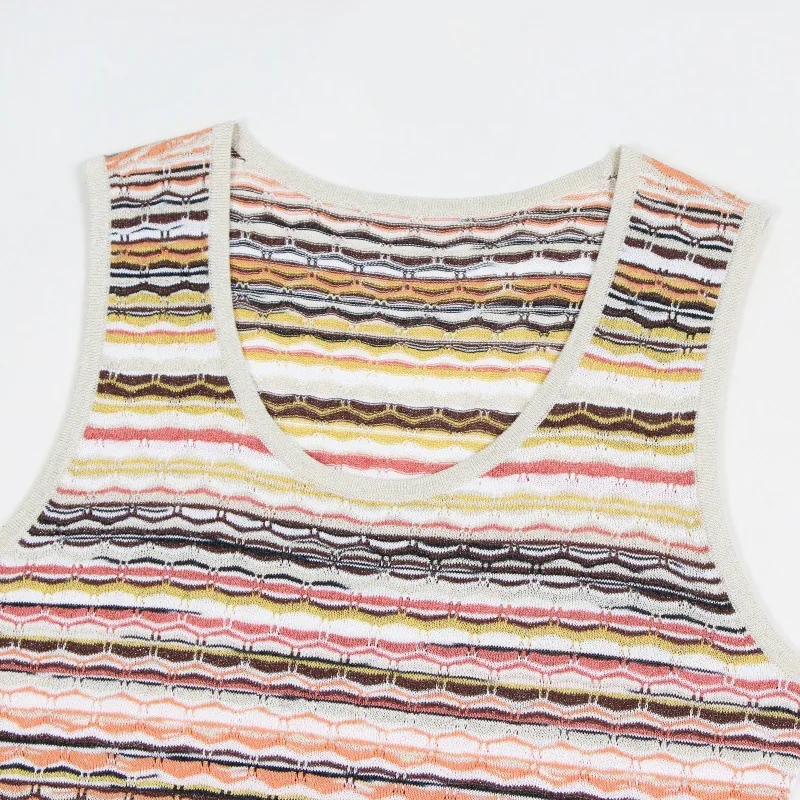
If you are looking for a reliable sweater vest manufacturer for a modern knitwear collection, our honest judgment is this: sweater vests reward factories that treat them as structured knit garments, not as “sweaters minus sleeves.” The armhole, shoulder line, and neckline carry the visual identity of the piece, so construction decisions at those points determine whether a vest reads as premium or as an afterthought. This article is written for brand owners, wholesalers, procurement managers, and product developers who need clear, factory-level guidance on developing knitted sweater vest programs, from yarn choice and construction to pilling tests, dimensional stability, MOQ, and lead time trade-offs.
Why a Sweater Vest Manufacturer Treats Vests Differently
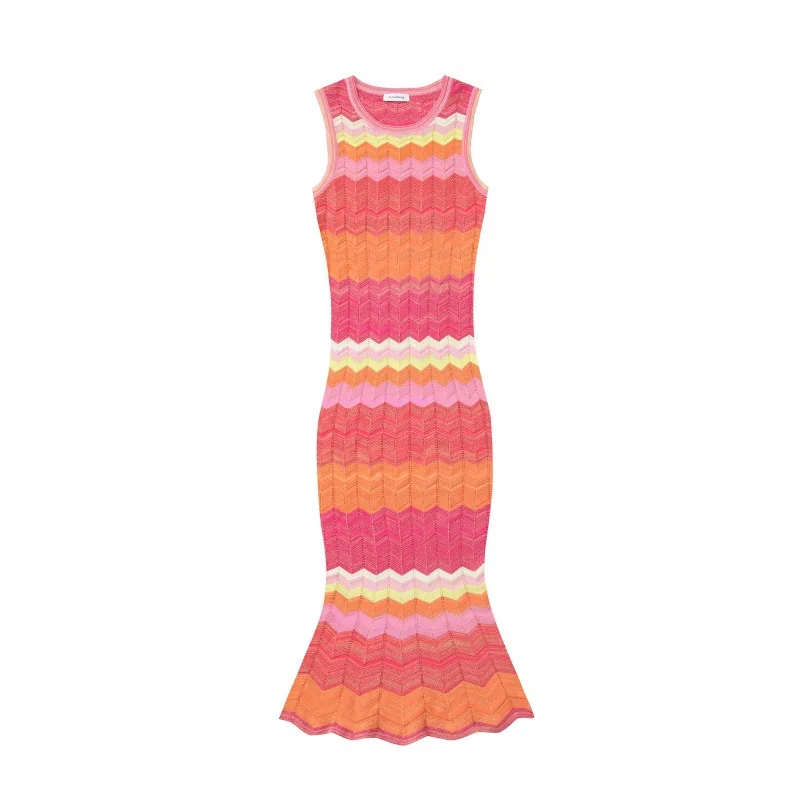
From a factory perspective, the sweater vest is no longer a filler SKU. It has become a strategic category because it behaves like a layering garment in merchandising but costs and ships closer to a cut-and-sew top, which improves margin flexibility for retailers. For buyers planning autumn 2026 and transitional spring 2027 collections, vest knitwear sits between heavy sweaters and light tops, so it extends the selling window on both ends. This matters because it reduces markdown risk, especially in European and North American markets where mild winters have compressed traditional sweater weeks.
Who Is Buying From a Sweater Vest Manufacturer?
Our current order book shows three clear buyer profiles: contemporary womenswear brands using fine-gauge vests as layering tops, menswear labels repositioning argyle and cable vests under the “quiet luxury” direction, and corporate uniform programs replacing polo shirts with fine-gauge V-neck vests in neutral tones. Each profile drives different yarn, gauge, and finishing choices, so the same vest silhouette cannot serve all three well.
Assortment Planning With a Sweater Vest Manufacturer
Because a vest has no sleeves, yarn consumption is typically 30–40% lower than a comparable pullover at the same gauge, which opens room for upgraded yarns within the same landed cost. We often recommend brands use that headroom for a better wool blend or a certified fiber rather than for extra styles. For procurement managers, that single decision usually improves hand feel, pilling grade, and perceived value more than adding another colorway. If you want to discuss category positioning with our development team, the custom knit project service is the fastest entry point for a structured sampling plan.
How a Sweater Vest Manufacturer Finishes Armholes
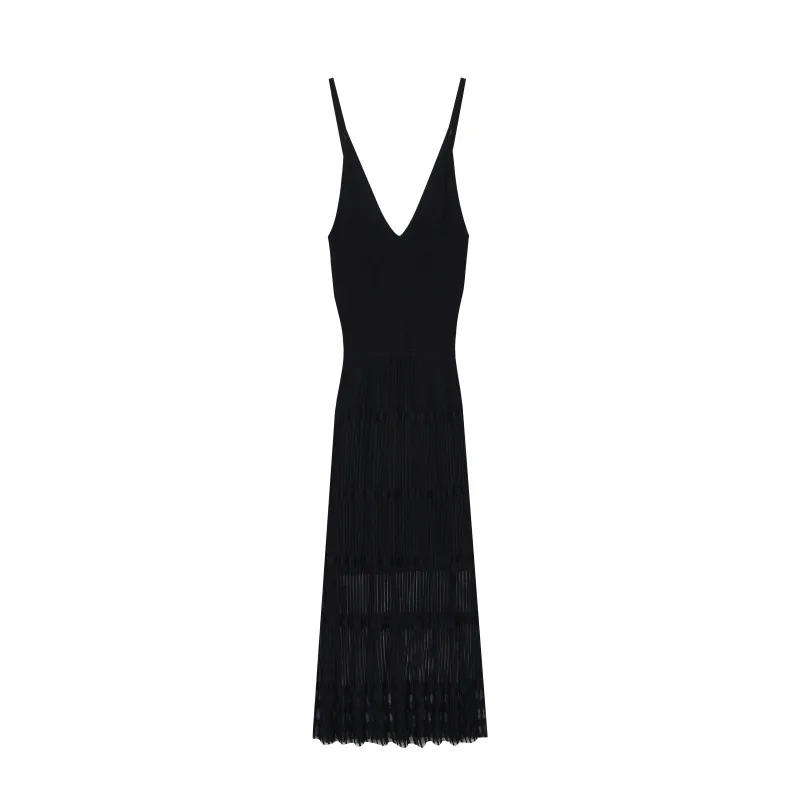
Shoulder and armhole construction are the two details that separate a credible sleeveless knitwear program from a weak one. Our default recommendation for premium vests is fully fashioned shoulders with a linked join, rather than cut and sew, because the shaped edge follows the natural shoulder slope and does not shed fibers at the seam. Fully fashioned is more expensive in labor and machine time, but it protects the garment from the two most common complaints we see on sleeveless pieces: shoulder sag after wash and visible seam bulk under jackets.
Fully Fashioned vs Cut and Sew
Fully fashioned panels are knit to shape on flat machines, then linked stitch by stitch. Cut and sew uses knit yardage cut by pattern and overlocked. For basic acrylic programs at low price points, cut and sew is acceptable and faster, but for wool, wool blends, and fine gauges above 12gg, we push clients toward fully fashioned because cut edges on fine knits tend to unravel and pill faster. The cost difference is usually 8–15% at FOB, and for premium collections that gap is recovered through lower return rates.
Armhole Ribbing and Neckline Finishing
Armhole ribbing is where most sleeveless jumper manufacturer samples fail first review. If too many stitches are picked up, the armhole flares; too few, and it pulls into the armpit. Our internal rule is to pick up roughly 85–90% of the armhole measurement in stitches, with a stretchy bind-off, and to check the curve against a dressed form before approving the size set. For V-necks, we prefer a mitered center rather than a crossed overlap because mitered necklines photograph cleaner and age better after repeated wash. These details are covered in more depth in our sweater production overview.
How a Sweater Vest Manufacturer Selects Yarn and Gauge
Yarn selection should follow the garment’s end use, not the other way around. For a transitional layering vest that will be worn over shirts in office settings, we typically recommend a fine-gauge merino or merino-blend at 14gg or 16gg, because the smoother surface sits well under a jacket and resists pilling at the underarm. For heavier statement vests such as cable or argyle pieces, a 5gg to 7gg lambswool or wool-nylon blend gives the structure that fine gauges cannot provide. We keep more than 100 yarn options on file, which lets us match hand feel, color depth, and budget without forcing brands to adjust their design direction.
Fiber Trade-offs at a Glance
Below is a simplified view of the fiber choices we discuss most often with procurement teams during the first development call.
| Fiber / Blend | Typical Gauge | Strength | Watch-out |
|---|---|---|---|
| 100% Merino wool | 12–16gg | Soft hand, drape, low pilling | Higher yarn cost, careful wash |
| Wool / Nylon 80/20 | 5–12gg | Durable, holds shape | Slightly firmer hand |
| Cotton / Acrylic 60/40 | 7–12gg | Year-round, easy care | Lower elasticity, can stretch |
| Lambswool | 5–7gg | Structured, retro look | Warmer, limits summer use |
| Cashmere blend | 12–14gg | Premium hand, halo | Higher MOQ on dye lots |
The main takeaway: gauge and fiber must be chosen together, since a beautiful yarn knit at the wrong gauge rarely performs in commercial wear tests.
Balancing Cost and Perceived Value
For brands with FOB targets under USD 12, cotton-acrylic and recycled-polyester blends remain realistic for sleeveless knitwear without losing hand feel, provided the gauge is tuned correctly. Above USD 18 FOB, we usually recommend moving to wool-rich blends because the quality gap becomes visible in store.
What Tests a Sweater Vest Manufacturer Should Document
Our direct answer: require pilling and dimensional stability testing on every new development, not only on final production. Skipping pre-production testing is the single biggest cause of preventable claims we see in vest programs. Independent labs such as Intertek textiles and apparel testing and SGS textile services can run the standard protocols within 5–7 working days, which fits inside a normal sampling cycle.
Pilling Tests: ISO 12945-1 and ISO 12945-2
For most sweater vests we recommend ISO 12945-2 (Martindale) at 2,000 and 5,000 cycles. Mass-market programs should target Grade ≥3–4 at 5,000 cycles; premium programs should target Grade ≥4. For loose, soft, or whole-garment knits, ISO 12945-1 (ICI pilling box) at 2,000 revolutions is a better baseline because the tumbling motion reflects real wear more accurately than Martindale pressure. We include both when the construction mixes tight and loose structures.
Dimensional Stability After Wash
Dimensional stability is tested with ISO 6330 wash procedures combined with ISO 5077 measurement. Our working tolerance for knitted vests is length and width change within ±3% for mainstream programs and ±2% for premium. Beyond this, garments arrive at the consumer in a different size than the label suggests, which drives returns. We always run a pre-production wash on the approved size-set sample to confirm the tolerance before bulk cutting. Brands with strict care-label claims should also review appearance after wash, not just shrinkage, because a vest that shrinks 2% but twists visibly will still be rejected at retail QC.
How a Sweater Vest Manufacturer Plans MOQ and Lead Time
Honest numbers matter more than promises. Our standard MOQ for custom sweater vest programs is 300 pieces per style per color under OEM, with flexibility down to 100–150 pieces per color for repeat customers or programs that share yarn lots across styles. For fully custom yarns or special dye lots, minimums rise because the mill itself has its own MOQ, typically 50–100 kg per color. Procurement teams should treat MOQ as a yarn question first and a garment question second.
Typical Lead Time Breakdown
Sampling runs 15–25 days for the first proto and 10–15 days for revised samples, assuming yarn is in stock. Bulk production runs 45–60 days after sample and PO confirmation for orders up to 5,000 pieces, extending to 60–75 days for larger programs or complex jacquard work. Our facility runs at roughly 150,000 pieces per month capacity, which gives reasonable buffer for peak-season bookings, but we still recommend placing autumn orders by late March to avoid the August bottleneck common across Chinese knitwear suppliers. For reorders on the same yarn, we can often compress lead time to 30–40 days, which is a useful lever for replenishing bestsellers.
Sampling Discipline That Saves Money
Maker’s Row’s work on fashion product development correctly frames sampling as the stage where execution gaps surface. From our side, we ask brands to approve a size-set sample, not only a proto, before bulk cutting. The size set reveals whether grading behaves correctly across XS–XL, especially at the armhole curve, where small grading errors become visible fit problems. Skipping size sets to save two weeks is a common false economy.
How Should Brands Brief a Sweater Vest Manufacturer?
A clear brief cuts sampling rounds roughly in half. From a factory perspective, the briefs that move fastest include a tech pack with front and back sketches, a measurement chart in centimeters, a yarn reference or hand-feel sample, trim and label details, and target FOB with quantity tiers. When any of these are missing, we have to assume, and assumptions cost time.
Tech Pack Essentials for Vests
Specific to vests, the tech pack should call out armhole depth, shoulder width, neckline drop, rib width at armhole and hem, and whether the shoulder is fully fashioned or cut and sew. We also need the intended layering context, because a vest designed to be worn over a dress shirt needs roughly 4–6 cm more chest ease than one designed as a close-fit layering piece.
Decoration and Private Label Details
Intarsia, jacquard, embroidery, and woven patches each have different MOQs and cost impacts. Intarsia and jacquard are knit-in and add little per-piece cost but require program setup at the knitting machine, which is why we charge a one-time setup fee rather than a per-piece premium. Embroidery is per-piece and scales with stitch count. Private label packaging, including hangtags, polybags, and printed cartons, should be confirmed at PO stage, not later. Our OEM and ODM service page lists the standard packaging formats we support, and brands can request custom formats with reasonable lead time.
How Does a Sweater Vest Manufacturer Control Quality From Yarn to Shipment?
Quality is built into the process, not inspected at the end. Our internal flow checks yarn at intake, fabric at knitting, panels at linking, and garments at three points: after wash, after pressing, and before packing. This reduces defect escape rates significantly compared to end-line-only inspection, which is still common in lower-tier factories.
Yarn and Knitting Controls
At yarn intake we check count, twist, and color against the approved lab dip. During knitting we monitor tension and stitch density on every machine shift, because drift in tension is the root cause of most later dimensional issues. Panels that fail the density check are pulled before linking, which saves the labor of building a garment that would later fail inspection.
Finishing and Final AQL
We run finishing checks for linking faults, broken stitches, skipped stitches, and seam puckering, then a final AQL 2.5 inspection on finished goods. For buyers who require third-party inspection, we coordinate with Intertek, SGS, or the buyer’s nominated agency on site. For brands building long-term programs, our factory background and capability page outlines the audit history and certifications we maintain, which helps compliance teams close vendor onboarding faster.
Conclusion
A sweater vest program succeeds or fails on details that are invisible in a flat lay: shoulder construction, armhole finishing, yarn and gauge pairing, and disciplined testing for pilling and dimensional stability. Treat vests as structured knitwear, not as sweaters without sleeves, and the category becomes one of the highest-margin, longest-selling pieces in a modern collection. If you are planning a 2026 or 2027 launch, we recommend starting development at least four months before your in-store date, with yarn decisions locked first and construction decisions built around them. To move forward, please send your artwork or tech pack, target quantity per color, fabric or yarn preference, decoration method, and target delivery date through the Cainan Clothing contact page, and our development team will return a costed sampling plan within two to three working days.
FAQ
What is the realistic MOQ for a custom sweater vest program?
Our standard MOQ is 300 pieces per style per color for OEM development, and 100–150 pieces per color for repeat programs that share an existing yarn lot. Fully custom dyed yarns carry a separate mill MOQ of roughly 50–100 kg per color, which can push total minimums higher. We recommend planning colorways around shared yarn platforms where possible.
How long does sampling take before bulk production?
First proto samples take 15–25 days when yarn is available in our stock library. Revised samples take 10–15 days each, and a size set before bulk runs another 10–14 days. Brands should plan for two to three sample rounds in total, so a realistic window from brief to approved bulk sample is roughly 8–10 weeks.
Which pilling and shrinkage standards should be written into the PO?
We recommend specifying ISO 12945-2 Martindale pilling Grade ≥3–4 at 5,000 cycles, or ISO 12945-1 Grade ≥3–4 at 2,000 revolutions for softer constructions. For dimensional stability, specify ISO 6330 wash with ISO 5077 measurement and a tolerance of ±3% length and width for mainstream programs, tightened to ±2% for premium.
Can you handle private label packaging and shipping?
Yes. We support woven labels, printed care labels, hangtags, polybags, and custom carton artwork. FOB shipment from major Chinese ports is standard, and we can also arrange FCA, CIF, or DDP terms depending on buyer preference. For air freight on reorders, we usually deliver within 30–40 days after PO confirmation when yarn is already staged.
How should we plan reorders on bestselling vests?
Reorders run faster when the yarn is still active and the approved sample is archived with us. Under those conditions, lead time for repeat production is 30–40 days. We recommend placing reorder indications as soon as sell-through data confirms demand, because yarn mills may discontinue colors between seasons, which can force a substitute dye lot and a new lab dip approval.