 CN Sweaters
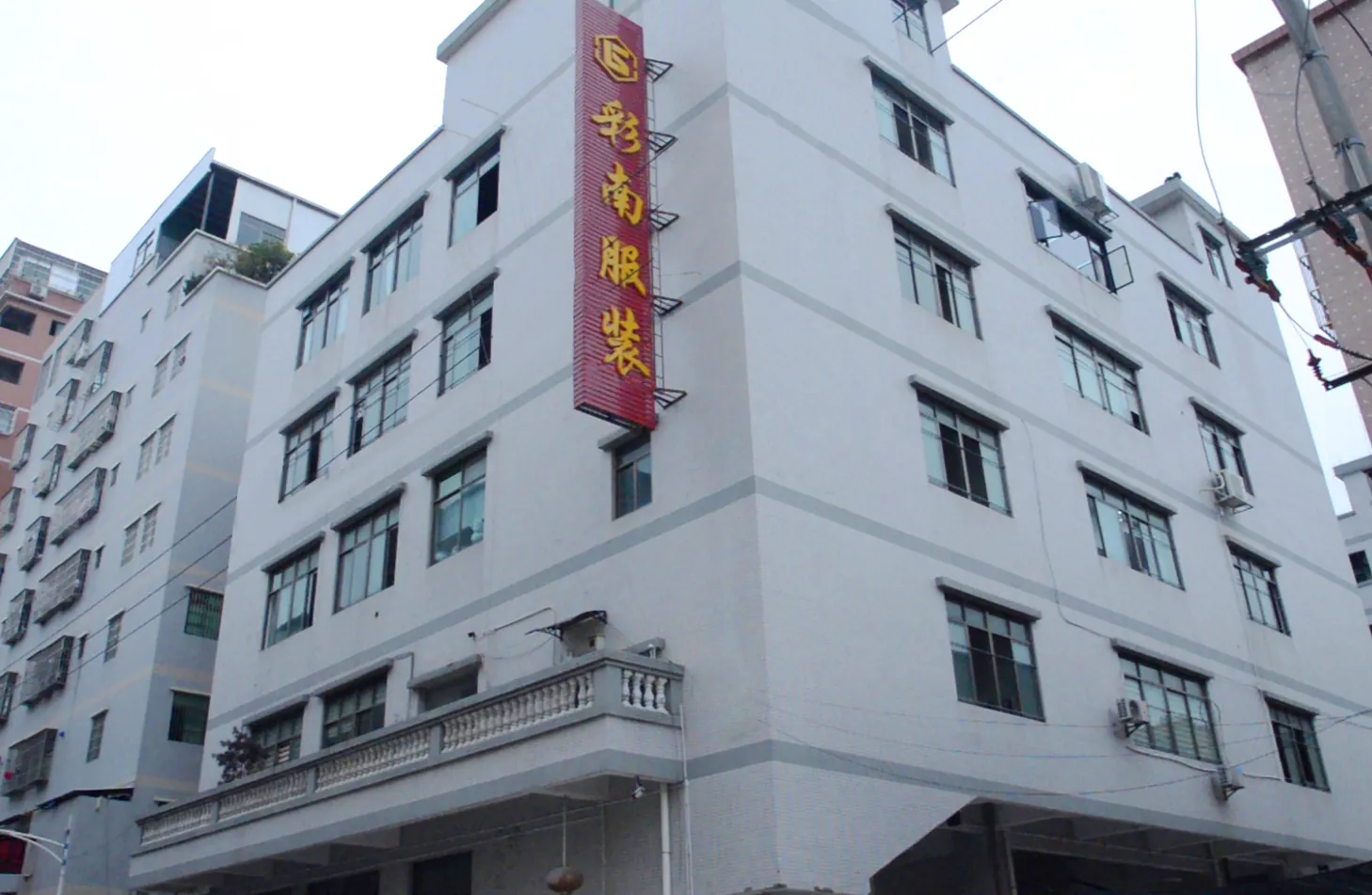
If your project is built around sweaters, cardigans, knit dresses, or hoodies with knitted panels, knitwear specialists will almost always outperform general custom clothing manufacturers on sampling accuracy, yarn handling, and fit consistency. General apparel factories remain a sensible choice when knitwear is only a small portion of a broader cut-and-sew collection, but the technical gap becomes visible the moment you move beyond basic jersey.
This guide is written from a working factory perspective for brand owners, procurement managers, private label teams, wholesalers, and product developers who need to decide where to place a knitwear program. We cover the real machinery and skill differences, yarn and gauge decisions, technical risks, MOQ and lead time realities, and a pre-inquiry checklist you can use before you send your first email.
How Do Custom Clothing Manufacturers Differ from Knitwear Specialists?
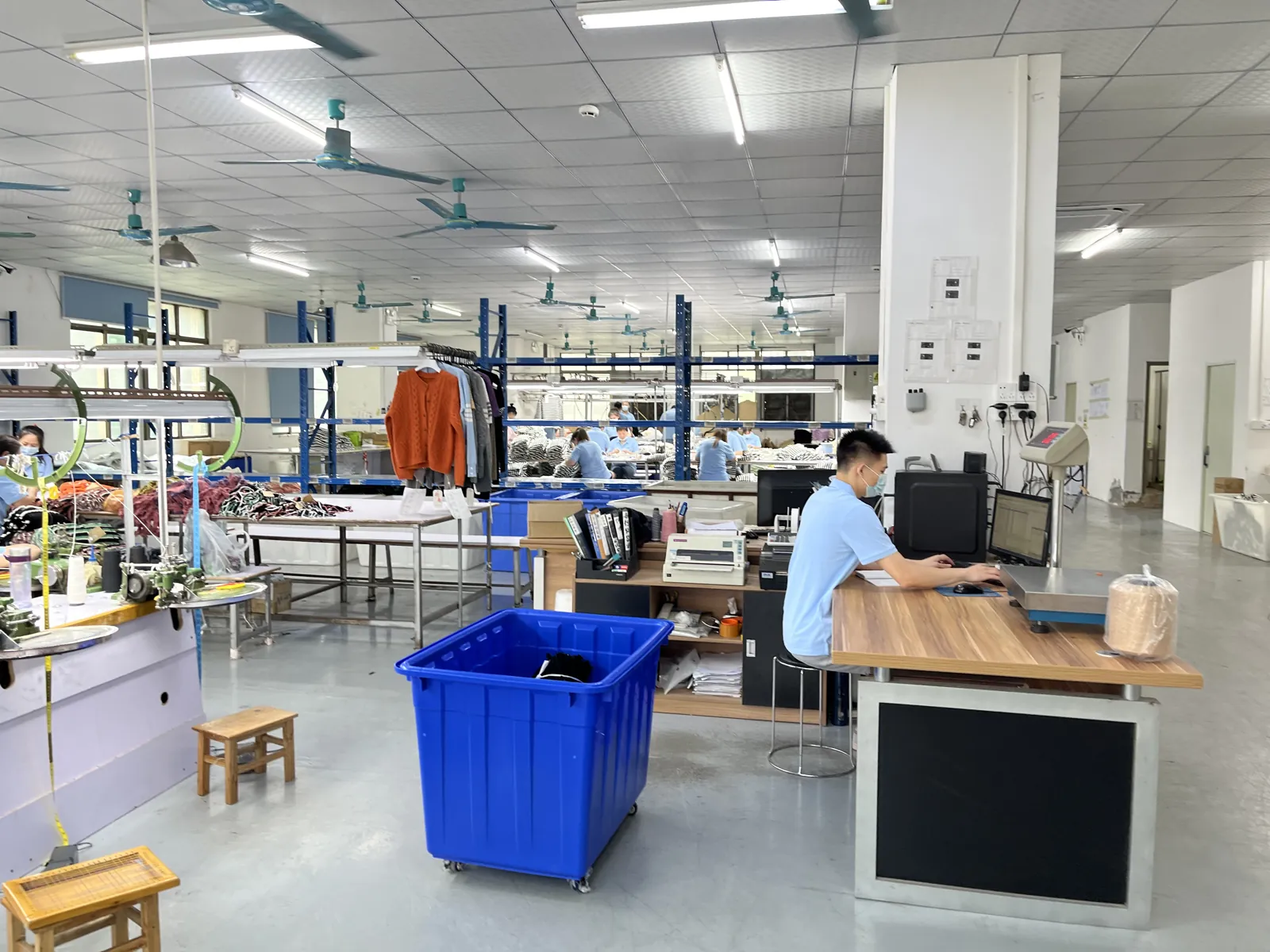
The shortest answer: they run different machines, buy yarn differently, and staff different technicians. A general apparel manufacturer is typically built around cut-and-sew workflows, flat patterns, woven fabrics, and sewing lines. A knitwear specialist is organized around flat knitting machines, fully-fashioned shaping, linking operations, and yarn inventory. The two production logics do not translate cleanly into each other.
Machinery and Production Logic
Specialist sweater factories run flat knitting machines across multiple gauges, usually 3G, 5G, 7G, 12G, and 14G, plus computerized machines for jacquard and intarsia. Some invest in Shima Seiki WHOLEGARMENT or Stoll knit-and-wear systems, which knit a finished garment with almost no linking. A general apparel factory that accepts a sweater order often subcontracts this stage, which introduces a second vendor and a second quality window. For knitwear product categories like fully-fashioned cardigans or gauge-sensitive merino crewnecks, that handoff is where fit and timing usually break.
Technical Expertise and Yarn Handling
Yarn is not fabric. It arrives on cones, must be tested for count, twist, and moisture, and must be programmed into the knitting machine by a technician who understands tension, shrinkage behavior, and shaping logic. A specialist factory keeps these technicians in-house and typically maintains open yarn cards with mills for cashmere, merino, lambswool, cotton, and blends. As platforms like Maker’s Row’s startup manufacturing guidance notes, specialization matters: a factory focused on one product category tends to give more relevant guidance during development. For buyers, this translates into fewer sampling rounds, more accurate costing, and less risk of a yarn substitution surprise at bulk stage.
Why Are Yarn Sourcing and Gauge Selection Critical for Success
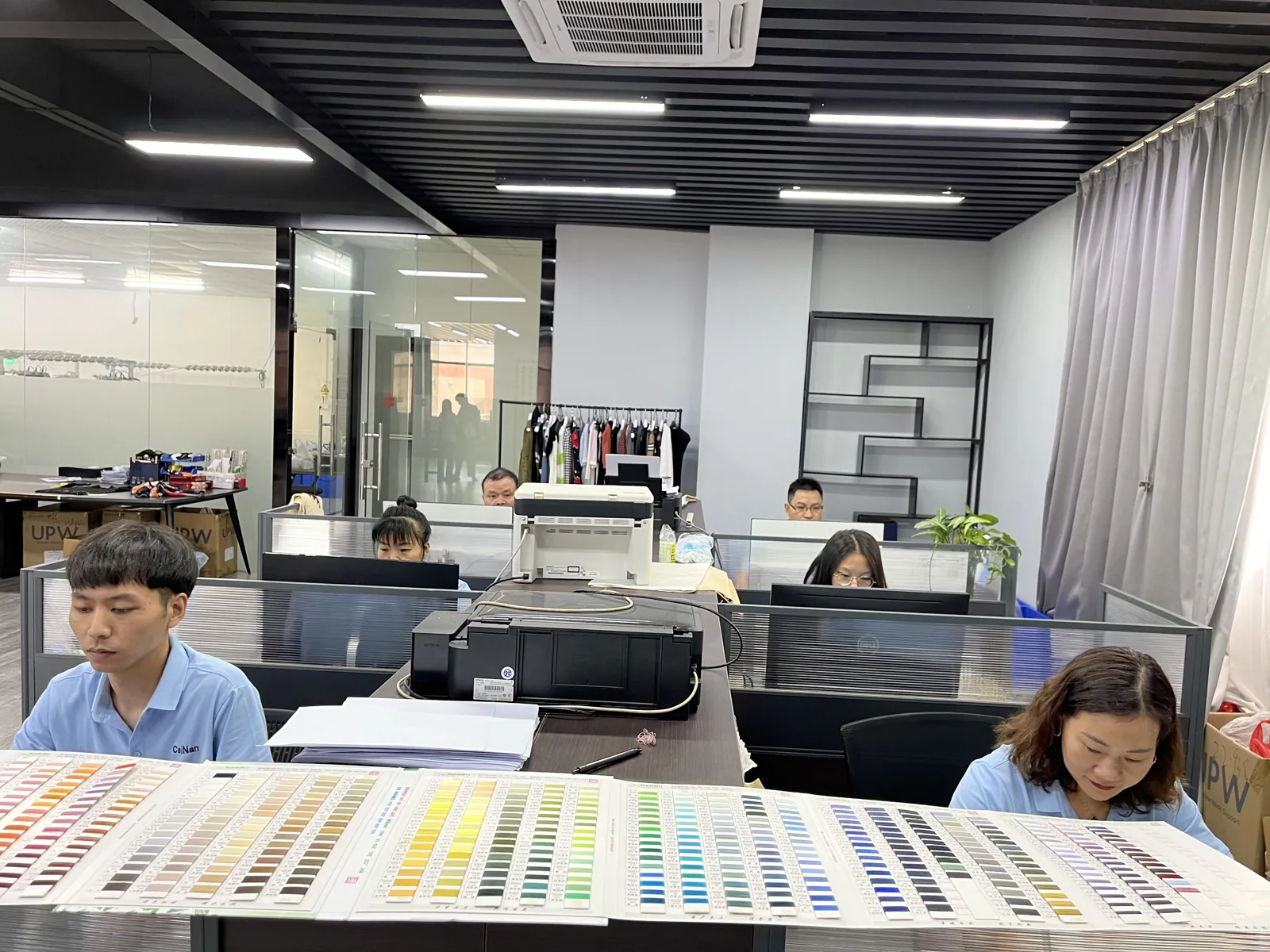
Yarn choice and gauge determine roughly 70% of the final sweater’s hand feel, weight, drape, durability, and cost. Get these two decisions right early and most downstream problems shrink. Get them wrong and no amount of sewing skill will rescue the garment.
Gauge Range from 3G to 14G when comparing custom clothing manufacturers
Gauge refers to needles per inch on the knitting machine. 3G and 5G produce chunky, heavy winter sweaters with visible stitch structure. 7G is the most common mid-weight territory, often used for lambswool pullovers and cardigans. 12G and 14G produce fine, lightweight fabrics suitable for merino, cotton, and transitional-season knitwear. Each gauge requires a different machine setup, a different yarn count, and different shaping math. A knitwear specialist will tell you within minutes whether your reference sample is 7G or 12G; a general apparel factory usually cannot.
Yarn Types and Their Procurement Impact
Cashmere, wool, cotton, and blends each carry different MOQ and lead time consequences. Stock-service yarns, commonly available cones from established mills, allow lower MOQs and faster sampling. Custom-dyed or specialty yarns like certain cashmere blends or recycled fibers require larger yarn minimums from the mill, often 500 to 1,000 kilograms per color, which pushes garment MOQs upward. Cotton and cotton blends are widely available but behave differently on shrinkage and need careful pre-treatment. From a procurement angle, this means yarn selection should happen before MOQ negotiation, not after, because the yarn decision sets the floor. Buyers exploring full-package development can reference our OEM and ODM services page for a view of how yarn sourcing is integrated into sampling.
Matching Yarn, Gauge, and Target Price when comparing custom clothing manufacturers
A realistic target FOB price is a function of yarn cost per kilogram, grams per garment, gauge complexity, and labor. If a buyer asks for a 100% cashmere 7G crewneck at the cost of a cotton 12G tee, no factory will solve that. Specialists push back early; generalists sometimes accept and then rework the spec quietly during production.
Addressing Technical Risks Linking Shrinkage and Fit Consistency
The three risks that damage knitwear programs most often are linking quality, shrinkage control, and fit consistency across sizes and colors. These are all testable before bulk shipment, and a serious factory will expect you to ask.
Linking and Seam Integrity when comparing custom clothing manufacturers
Linking is the process of joining fully-fashioned panels stitch by stitch, usually at shoulder, armhole, and collar. Poor linking shows as visible steps at the shoulder seam, loose stitches at the neckline, or asymmetric armholes. Specialists use dedicated linking machines and experienced operators; a factory relying on overlock substitutes will produce a garment that looks acceptable on a hanger but fails after one wash.
Shrinkage and Dimensional Stability
Knit fabrics release tension when washed, which is why shrinkage testing is non-negotiable. Third-party labs including Intertek apparel testing run dimensional stability tests under ISO 6330 and ISO 5077, with acceptable ranges often specified at -5% to +5% depending on fiber. Pilling is evaluated under ISO 12945-2 using the Martindale tester, with grading from 1 to 5. Colorfastness to washing follows ISO 105-C06. For a buyer, the practical step is to request test reports for your specific yarn and construction, not a generic factory certificate.
Fit Consistency Across the Size Run
A sample that fits well in size M does not guarantee a bulk run that fits consistently in XS through XXL. Grading rules for knitwear differ from wovens because knit fabric stretches and the shaping is built into the knitting program, not cut from pattern pieces. Responsible factories re-test tension and shrinkage at each size and maintain a measurement chart with tolerances, usually ±1 cm on key points of measure. Responsible sourcing also benefits from aligning supplier due diligence with the OECD due diligence guidance for the garment and footwear sector, which outlines a six-step process for managing supply chain risk. For procurement, ignoring these three areas means returns, markdowns, and replacement costs that always exceed the savings from a cheaper quote.
When Should You Use Custom Clothing Manufacturers for Knitwear?
There are legitimate cases where a general apparel manufacturer is the correct choice, and we tell buyers this honestly. The decision depends on your collection mix, volume per category, and internal sourcing capacity.
Multi-Category Brands and Woven-Heavy Collections
If your collection is dominated by woven pieces such as shirts, trousers, outerwear, or dresses, and knitwear represents under 15% of your SKUs, consolidating production with one general apparel manufacturer can simplify logistics, PO management, and shipping consolidation. The tradeoff is that the factory will likely subcontract your sweaters to a partner knitter, and you lose direct visibility into yarn sourcing and knitting quality. That is acceptable for basic jersey or simple fine-gauge pieces with relaxed fit tolerances.
Simple Cut-and-Sew Knits Versus Flat-Knit Sweaters
There is an important distinction between cut-and-sew knits, such as jersey t-shirts or French terry hoodies, and flat-knit sweaters. Cut-and-sew knits are produced from knitted fabric rolls, cut into pattern pieces, and sewn. A general apparel manufacturer handles this comfortably. Flat-knit sweaters are shaped on knitting machines, panel by panel, and linked. The technical stack is different. If your hoodie is a French terry pullover with a screen-printed logo, a general factory is fine. If it is a fully-fashioned 7G wool hoodie with raglan shaping, you need a knitwear specialist.
When Startups Should Consolidate
Early-stage brands with a first collection of 300 to 500 total units across six to eight styles sometimes benefit from one full-package partner who can cover everything. The cost of managing two factories, two sets of tech packs, and two shipping schedules can outweigh the quality gain from splitting. This is a real trade-off, and the answer depends on how central knitwear is to your brand identity. If sweaters are a hero category, split. If they are filler, consolidate.
Why Specialized Knitwear Factories Are Essential for Sweaters
For projects where sweaters are the core product, specialist factories deliver measurable advantages in sampling speed, cost structure, and development depth. The reason is structural, not marketing.
To make the comparison concrete, the table below summarizes how the two factory types typically differ on the variables that matter most to buyers. Numbers reflect common industry ranges for 2025–2026 based on stock-service yarn and standard complexity, and conditions vary by region and program.
| Dimension | General Apparel Manufacturer | Specialized Knitwear Factory |
|---|---|---|
| Core Production Logic | Cut-and-sew workflows, fabric rolls, sewing lines, and broad apparel categories | Flat knitting, gauge selection, yarn control, linking, washing, and knitwear finishing |
| Best Fit | Woven-heavy or multi-category collections where knitwear is a small supporting category | Sweater-led collections, cardigans, knit dresses, knit vests, and fully-fashioned knitwear |
| Machinery Fit | Strong for woven garments, jersey tees, French terry hoodies, and simple cut-and-sew knits | Strong for 3G–14G knitwear, jacquard, intarsia, cable stitches, shaped panels, and linking |
| MOQ Logic | Often depends on subcontractor requirements if true sweaters are involved | Calculated by style, color, and size ratio; CN Sweaters’ reference MOQ is 50 pcs each size per color |
| Sample Planning | May require extra coordination if the sweater portion is outsourced | CN Sweaters’ published sample reference is 3–7 days, with complexity or special yarns requiring confirmation |
| Bulk Lead Time | Can vary when knitting is handled by another partner | CN Sweaters’ reference range is about 15–35 days for orders under 500 pcs and 25–45 days for 500–1,000 pcs after approval |
| Yarn and Gauge Control | Often limited unless the factory has a dedicated knitwear department | Stronger control over yarn sourcing, gauge matching, tension, shrinkage, and fit adjustment |
| Main Risk | Less visibility into yarn, knitting, linking, and sweater fit if subcontracted | Requires clear yarn, gauge, size ratio, color, and delivery requirements from the buyer |
The table makes the selection logic visible: specialists compress the development cycle and carry more of the technical responsibility in-house, while generalists offer consolidation at the cost of depth on knitwear-specific variables.
OEM and ODM Development Depth when comparing custom clothing manufacturers
An experienced knitwear factory offers both OEM, producing to your exact tech pack, and ODM, proposing designs from its own development library. ODM capability matters when you need seasonal refreshes quickly, because the factory has already solved yarn, gauge, and shaping on proven silhouettes. General apparel factories rarely maintain a knitwear ODM library of any depth.
Sampling Speed and Cost Efficiency
Specialist sampling typically runs 7 to 14 days for standard complexity, with sample costs generally covering yarn, machine setup, and labor. A detailed tech pack reduces sampling rounds, which is the single largest lever on development cost. For bulk, specialist factories running stock-service yarn on low MOQ orders of 100 to 300 units usually deliver in 21 to 35 days after approval, with WHOLEGARMENT programs adding about one week. Compared with a generalist subcontract chain, specialists typically reduce total lead time by three to six weeks on equivalent specifications.
Navigating MOQ and Lead Time Realities in 2025-2026
MOQ and lead time are the two variables procurement teams negotiate hardest, and they are also the two most often misunderstood. The honest answer is that both are ranges, driven by yarn availability, gauge, and decoration, not single numbers.
Realistic MOQ Ranges
For specialized knitwear factories in 2025–2026, typical MOQs fall between 50 and 300 units per style per color. A common midpoint is 100 pieces per style, sometimes split into 50 pieces per color when the yarn is already in stock. Custom-dyed yarn usually pushes MOQ upward because the mill minimum is 500 to 1,000 kilograms. Jacquards and intarsia typically require higher MOQs than plain jersey because of programming and setup costs. Large factories serving mass retail still demand 1,000 to 3,000 units, which is a different segment of the market.
Lead Time Breakdown when comparing custom clothing manufacturers
A realistic end-to-end timeline for a knitwear program looks like this: sampling 7 to 14 days after yarn arrives, sample approval cycles 2 to 4 weeks depending on revisions, bulk production 21 to 45 days after approval and deposit, and quality control plus packing 5 to 10 days. Total time from approved tech pack to ex-factory is typically 8 to 14 weeks for standard orders. Industry data for 2025 indicates average end-to-end apparel lead times of 12 to 20 weeks globally, with Asian factories at 10 to 16 weeks for standard complexity.
Procurement Impact
For a procurement team, these numbers translate into concrete planning rules. A fall-winter sweater program launching in September needs PO placement by May or June at the latest. A quick-turn refill on an already-approved style can ship in 30 to 40 days if the yarn is still in stock, but drops to 60 days if the yarn must be re-sourced. Underestimating lead time is the most common cause of missed seasonal windows, and it is almost always a planning error, not a factory failure.
The Pre-Inquiry Checklist 10 Questions for Your Manufacturer
Before sending an inquiry, prepare the information below. A factory that responds seriously to a well-prepared inquiry is a factory worth sampling with. Vague inquiries get vague quotes, and those quotes are rarely honored at bulk.
Product and Technical Package when comparing custom clothing manufacturers
- Do you have a tech pack with measurements, yarn count, gauge, stitch type, and graded size chart?
- Do you have artwork files for logos, labels, and any jacquard or intarsia motifs in vector format?
- What is your target yarn composition, and do you accept stock-service alternatives to reduce MOQ and lead time?
- What gauge and weight per garment are you targeting, and do you have a reference sample for fit and hand feel?
Commercial and Production Terms
- What is your expected MOQ per style and per color, and is there flexibility through stock yarn?
- What are your lead times for sampling and bulk, and what is the payment structure typically 30% deposit and 70% balance against shipment?
- What quality inspection level do you apply, AQL 2.5 general or tighter, and which tests are included in the price?
Logistics and Compliance when comparing custom clothing manufacturers
- What are the packing requirements, polybag, hangtag, care label, and master carton specifications?
- Which Incoterms do you quote FOB, CIF, or DDP, and which ports or airports do you ship from?
- Can you provide test reports, social compliance audits, and documentation aligned with international due diligence frameworks?
From a factory perspective, buyers who answer questions 1 through 4 before the first call save themselves two to three weeks of back-and-forth and get more accurate quotations.
Conclusion
Choosing between general custom clothing manufacturers and knitwear specialists is a structural decision, not a branding one. If sweaters, cardigans, or flat-knit pieces are central to your collection, a specialist factory will give you better sampling speed, yarn control, and fit consistency at competitive MOQ and lead times. If knitwear is peripheral to a woven-heavy line, a general apparel partner can work, with the understanding that the sweater portion will likely be subcontracted.
The fastest way to get an accurate feasibility read is to share concrete inputs. Send your tech pack, reference sample photos, target yarn composition, quantity range per style and color, target FOB price, and required delivery window. Our team can review your project and provide knitwear-specific feedback on MOQ, lead time, and cost. Start the conversation through our sweater factory homepage and attach your materials for a structured reply.
FAQ
What is a realistic MOQ for a custom knit sweater program in 2026?
For specialist factories using stock-service yarn, 50 to 300 units per style per color is typical, with 100 pieces per style as a common midpoint. Custom-dyed yarn or complex jacquards push MOQ higher because mill minimums and programming costs increase. Share your yarn preference early so we can confirm the feasible MOQ before sampling.
How long does sampling take and what does it cost when comparing custom clothing manufacturers?
Standard samples take 7 to 14 days once yarn is in-house, and fast-track options exist for 3 to 5 days when the yarn is already stocked. Sample costs cover yarn, machine setup, programming, and labor, and a complete tech pack is the single biggest factor in keeping sampling rounds low and costs predictable.
Can I mix yarn types such as cashmere blends and merino in one order?
Yes, provided each style meets its own yarn minimum. If one style uses a specialty blend with a high mill minimum, that style’s MOQ will be higher than styles on stock-service yarns. We usually recommend grouping styles by yarn family to optimize cost and timing.
What quality control tests are standard for knitwear shipment?
Standard inspection uses AQL 2.5 for general defects, plus dimensional stability, pilling resistance, and colorfastness testing. Tests typically follow ISO 6330, ISO 12945-2, and ISO 105-C06. For retail compliance, third-party lab reports from accredited testing providers are often required, and we can coordinate those.
How is shipping handled and what are typical transit times?
We quote FOB, CIF, or DDP depending on buyer preference. Sea freight to the US West Coast runs 18 to 25 days, to Europe 28 to 35 days, and air freight is 5 to 8 days globally. Build an extra 7 to 10 days for customs clearance and last-mile delivery into your lead time planning.