 CN Sweaters
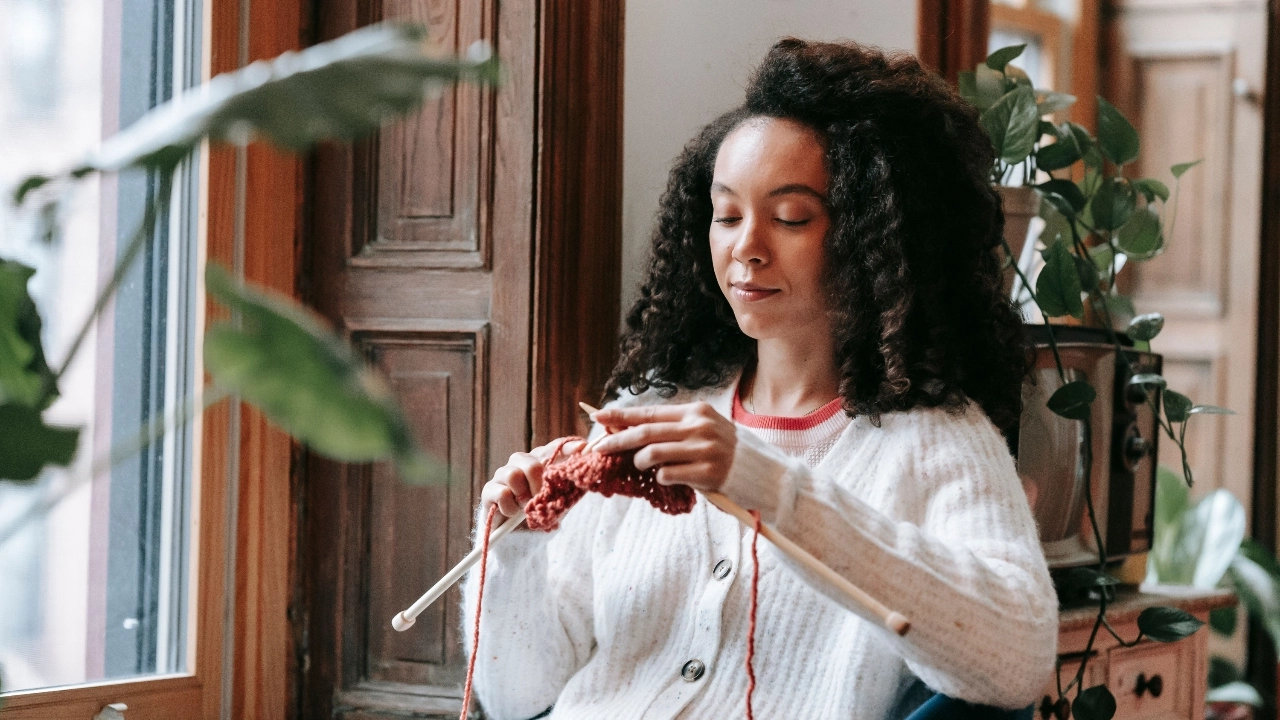
A custom cardigan is not just a pullover sweater with an opening at the front. For boutique brands, the front placket, button or zipper placement, pocket position, neckline, shoulder line, rib tension, sleeve length, and wash stability all affect whether the finished cardigan sweater looks balanced on the body and repeatable in bulk.
The risk is higher when the order is a small private label run or a tight seasonal launch. A beautiful reference image can fail in production if the buyer has not confirmed yarn composition, sweater gauge, garment weight, size chart, POM measurement points, trims, labels, packaging, and delivery timing before sampling starts. A strong checklist gives the cardigan manufacturer fewer assumptions to make and gives the brand a clearer basis for approving samples, controlling MOQ, and reducing reorder problems.
Why does a custom cardigan need a different checklist?
The opening front changes the whole garment
A custom cardigan has more balance points than a regular custom sweater because the left and right front panels must stay symmetrical after knitting, linking, washing, pressing, and packing. The placket must lie flat, the hem should not twist, the neckline should not pull forward, and the button or zipper line should not ripple. If a cardigan is designed with a V neck, shawl collar, patch pockets, cable knit texture, or chunky rib, each detail adds weight and tension to the front body.
The first decision is whether the cardigan will be a button up cardigan, zip cardigan, open-front knit cardigan, cropped cardigan, oversized cardigan, or longline cardigan. Each structure changes the sampling focus. A zip cardigan needs zipper tape stability and smooth slider movement. A button up cardigan needs accurate button spacing, reinforced buttonholes, and a placket width that does not collapse. A chunky knit cardigan may need more attention to seam bulk, pocket sagging, and hanger deformation.
Buyers reviewing Cardigans for OEM/ODM development should treat the opening structure as a construction system, not only as a styling detail.
Boutique orders leave less room for correction
Boutique brands often order fewer pieces than mass retail programs, but they usually expect higher visual consistency, better hand feel, and more polished retail packaging. That combination can be tricky. A small run may still require custom yarn sourcing, lab dips, branded labels, special buttons, individual polybags, carton marks, and size stickers. If these items are confirmed late, the sample may look right but the bulk order may miss the selling window.
The production checklist should answer three questions before the first sample: who will wear the custom knit cardigan, where it will be sold, and what retail promise it must support. A cashmere cardigan for a premium boutique needs different risk control from cotton cardigans for spring layering or wool cardigans for autumn replenishment. When the buyer and knitwear manufacturer agree on the customer, season, fit, and price position early, later decisions about yarn, gauge, accessories, and packing become more practical.
What should be confirmed before sampling starts?
Build one production file
A custom cardigan project should start with one controlled production file, not scattered screenshots, emails, chat messages, and verbal notes. The file should include reference photos, sketches if available, target fit, tech pack, size chart, POM measurement points, tolerance rules, yarn composition, sweater gauge, stitch structure, color standards, lab dip request, knit down request, trims, labels, packaging, and shipment deadline.
The cardigan manufacturer also needs to know which information is fixed and which information can still be adjusted. For example, the brand may be flexible on a 5-gauge or 7-gauge body if the hand feel and target price are acceptable, but it may be strict on body length, sleeve proportion, and button color. These priorities should be marked clearly before sample knitting.
For private label development, the buyer can use OEM/ODM services to organize the brief around design input, yarn selection, sampling, branding, production, and quality review rather than treating each item as a separate request.
Define the customer and selling season
A cardigan for an independent designer brand should not be developed in isolation from its sales channel. Boutique buyers need to specify whether the product is for online retail, showroom wholesale, resort layering, autumn new arrivals, holiday gifting, or uniform-style merchandising. The target channel affects garment weight, drape, color count, size range, hangtag story, folding method, and carton packing.
Season matters as well. A cotton cardigan for spring may need breathable hand feel, color clarity, and lighter weight. A wool cardigan for fall may need warmer touch, stronger recovery, and better shape retention after wear. A cashmere cardigan may require careful fiber claim control and softer finishing. A chunky knit cardigan creates visual value but may increase yarn consumption, sample cost, carton volume, and dimensional risk. When these trade-offs are confirmed before sampling, the knitwear factory can make a more realistic development plan.
How should yarn composition gauge and stitch be selected?
Match fiber to retail promise
Yarn composition should be selected for the buyer’s retail promise, not only for cost. Cotton cardigans can feel clean, breathable, and suitable for transitional weather, but heavier cotton structures may stretch if the body is long or the placket is not stabilized. Wool cardigans can offer warmth and recovery, while blends may improve durability, price control, or wash performance depending on the fiber ratio. A cashmere cardigan can support a premium position, but the buyer should confirm fiber labeling, test expectations, and care instructions early.
For brands selling in the United States, the FTC explains that textile and wool products generally need labels showing fiber content, country of origin, and the responsible manufacturer or business identity in its textile and wool labeling guidance. That makes yarn confirmation more than a sourcing detail. It affects product copy, care labels, compliance review, and customer trust.
Match gauge and stitch to structure
Sweater gauge controls the spacing of needles and affects fabric thickness, hand feel, stitch definition, production speed, and garment weight. CottonWorks notes that sweater manufacturing commonly uses weft knitting and flat-bed machines, with sweater machine gauges often in a coarse range such as 7 to 14 gauge in its sweater manufacturing basics. Its knit machinery explanation also explains that machine gauge refers to the number of needles per linear inch.
For custom cardigan sweaters, gauge should be reviewed together with the stitch. Cable knit cardigan styles need enough yarn volume to show texture, but the cable area can pull inward and change width. Full cardigan stitch, rib, moss stitch, jacquard, and reverse jersey each behave differently at the placket, hem, and side seams.
A practical material and structure review can start with this comparison:
| Cardigan type | Main production concern | Sampling checkpoint |
|---|---|---|
| Cashmere cardigan | Fiber claim, soft hand feel, pilling risk, care label accuracy | Confirm yarn certificate, gauge, wash method, and label wording |
| Wool cardigans | Shrinkage, warmth, recovery, possible scratchy hand feel | Check wash stability, seam comfort, and rib recovery |
| Cotton cardigans | Weight, stretch, color clarity, placket stability | Review garment weight, body length, and post-wash measurements |
| Chunky knit cardigan | Yarn consumption, seam bulk, hanger deformation | Check shoulder shape, pocket sagging, and carton volume |
| Cable knit cardigan | Width pull-in, texture balance, heavier front panels | Compare front symmetry, cable placement, and size tolerance |
| Button up cardigan | Button spacing, buttonhole strength, placket flatness | Approve button size, placement, and reinforcement |
| Zip cardigan | Zipper smoothness, tape shrinkage, front waviness | Test zipper length, tape color, and post-wash alignment |
The table shows why a custom knitwear brief should not say only “make it like the photo.” The factory needs enough technical direction to reproduce the same visual result across sizes and colors.
Which cardigan structure details create bulk risk?
Placket button zipper and pocket alignment
The placket is usually the highest-risk area of a knit cardigan. It carries buttons, buttonholes, zipper tape, snaps, or edge finishing, and it sits directly on the center front where customers notice asymmetry quickly. If the placket is too soft, it may wave. If it is too tight, it may pull the body inward. If the button spacing is not adjusted for garment length, the cardigan may gape at the bust, belly, or hem.
The buyer should specify placket width, button diameter, button material, button quantity, button spacing, buttonhole direction, zipper length, zipper tape color, zipper teeth type, and puller style. For zip cardigan styles, ask whether the zipper tape needs pre-shrinking or stability testing with the knit body. For button up cardigan styles, approve button placement on the fit sample and confirm whether the same placement works across the full size range.
Pockets also need early confirmation. Patch pockets can drag the front panel down if the yarn is heavy. Welt or inserted pockets may affect knitting sequence, linking, and seam bulk. Pocket position should be measured from clear POM points, not estimated by eye from a reference photo.
Measurements that protect fit and symmetry
A custom made sweaters program needs a size chart, but a cardigan needs additional front-body controls. The buyer should define body length, across shoulder, chest, hem width, sleeve length, armhole depth, bicep, cuff width, placket length, placket width, neck drop, front opening width, pocket height, pocket width, pocket placement, and button or zipper position.
Tolerance should be realistic for knitwear production. Tight woven-garment tolerances may not be suitable for flexible knit structures, especially in chunky, ribbed, or textured stitches. The target is not to remove all movement from the knit fabric. The target is to define acceptable movement so the approved sample, size set, and bulk goods can be judged consistently.
For buyers developing several knit categories together, Products and Sweaters can help separate cardigan-specific construction checks from pullover, hoodie, vest, dress, and other knitwear production requirements.
How do MOQ sample cost and lead time change by cardigan type?
Material and accessory choices affect MOQ
MOQ is not determined only by the number of finished garments. A knitwear manufacturer may need to consider yarn minimums, dye lot quantity, lab dip work, color count, size split, button sourcing, zipper sourcing, label minimums, packaging minimums, and machine setup time. A custom cardigan with five colors, two button types, and branded packaging may create more production complexity than a larger but simpler one-color cardigan sweater order.
Boutique buyers should ask the sweater factory to separate MOQ by yarn, color, size, and trim where possible. This prevents a common misunderstanding: the garment MOQ may look manageable, while the yarn or accessory MOQ creates hidden cost. If the buyer wants a small first drop, it may be more practical to reduce color count, use available yarn colors, select stock buttons, or keep one shared packaging format across the collection.
CN Sweaters’ MOQ and lead time page is the right internal link to review when planning sample timing, first order quantity, and bulk production schedule.
Sampling sequence should freeze the approved sample
A clear sampling sequence reduces bulk variation. A typical custom knit cardigan path includes reference review, yarn selection, knit down, lab dip, first sample, fit sample, revised sample if needed, pre-production sample, and approved sample. The approved sample should include the final yarn, gauge, stitch, color, button or zipper, label placement, measurement standard, and finishing method.
Buyers should avoid approving fit on one sample, color on another sample, and trims through a separate chat image without joining those approvals into one record. When approvals are scattered, the knitwear production team may not know which version controls bulk. A single approved sample file should state what was accepted, what still needs monitoring, and what cannot be changed without written confirmation.
Lead time also depends on season. Autumn cardigan launches often compete for yarn, machine time, washing capacity, handwork, packing labor, and freight space. A boutique brand planning fall new arrivals should confirm sampling and bulk windows early rather than waiting until the final sales meeting.
What quality checks matter before packing and shipment?
Test wash stability and performance risks
Quality control for a custom cardigan should focus on the risks created by the chosen material and structure. A cotton cardigan may need dimensional stability review after washing. Wool cardigans may need shrinkage, pilling, hand feel, and care method checks. A cashmere cardigan may need fiber identity, pilling resistance, and careful label review. A cable knit cardigan may need width and texture comparison after relaxation.
Intertek lists textile performance testing areas such as dimensional stability to washing and dry cleaning, colorfastness, strength, abrasion, and pilling resistance in its textile testing services. These categories are useful prompts for buyers when deciding which risks must be tested before bulk shipment. Not every boutique order needs the same full test package, but the buyer should decide the test scope based on fiber, price level, market, and customer return risk.
Inspect bulk from incoming yarn to packing list
Inspection should start before the carton is closed. Incoming yarn, lab dip approval, knit panel appearance, linking, seam strength, button attachment, zipper smoothness, pocket position, measurement, label placement, pressing, folding, polybag, carton marks, and packing list should all be checked against the approved production file.
Intertek’s textile and apparel inspection description covers pre-production, during production, inline, and before-delivery inspection stages, including fabric weight for sweaters, garment labeling, workmanship, attachments, fasteners, and packing list review. For cardigan production, those checkpoints map directly to common bulk issues: loose threads, open seams, missing labels, wrong carton counts, inconsistent hand feel, placket waviness, and button or zipper defects.
Private label packaging deserves its own approval line. Confirm main label, size label, wash label, hangtag, barcode sticker, polybag warning text if needed, folding method, carton size, carton weight, shipping marks, and size-color ratio per carton. Buyers can connect these requirements with quality control planning before shipment, especially when the order includes several colors or a tight launch date.
Conclusion
Turn the checklist into a production brief
A custom cardigan production checklist works only when it becomes one shared production brief. The strongest brief connects the target customer, selling season, yarn composition, gauge, stitch, fit, POM measurements, tolerance, placket construction, button or zipper details, pocket placement, labels, packaging, inspection points, order quantity, and shipment schedule. It also records which sample is approved and which details must be protected in bulk.
Send your cardigan reference photos, target fit, yarn composition, gauge, button or zipper details, size range, order quantity, branding request, packaging requirements, and delivery schedule to the CN Sweaters team to review your custom cardigan production plan.
What should buyers ask before placing a custom cardigan order?
What is a practical MOQ for boutique custom cardigan sweaters?
MOQ depends on yarn availability, color count, size split, trims, labels, and packaging. A smaller first order is usually easier when the buyer limits colorways, uses available yarns, selects practical buttons or zippers, and keeps packaging consistent across sizes.
How long does a custom knit cardigan sample take?
Sample time depends on yarn sourcing, knit down approval, lab dip needs, stitch complexity, and whether the first sample needs revision. A simple cotton cardigan may move faster than a cashmere cardigan, chunky knit cardigan, or cable knit cardigan with custom trims.
Should buyers approve a fit sample or a pre-production sample?
Both can matter. The fit sample confirms proportion, measurements, and wearing balance. The pre-production sample should confirm final yarn, color, gauge, trims, labels, washing, finishing, and packaging before bulk knitting starts.
What measurements are most important for cardigan bulk control?
Body length, chest, shoulder, sleeve length, hem width, placket length, placket width, button or zipper position, pocket placement, cuff width, and front panel symmetry are key. The buyer should define POM points and tolerances before approving the sample.
How can a boutique brand reduce reorder risk?
Keep the approved sample, yarn details, color standard, lab dip, size chart, POM list, trims, label artwork, packaging file, and inspection comments in one production record. Reorders become more stable when the cardigan manufacturer can repeat the same technical file instead of reconstructing decisions from old messages.