 CN Sweaters
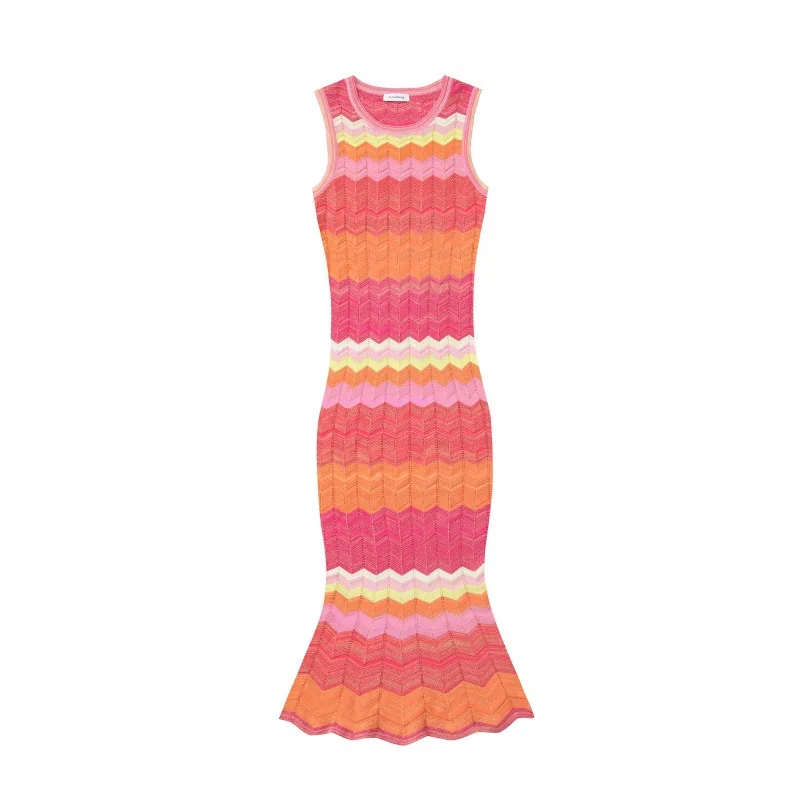
Adding custom vest knitwear to a seasonal product lineup allows apparel brands to maximize transition-season sales while significantly optimizing manufacturing costs and fabric efficiency. From a factory perspective, sleeveless silhouettes present a strategic opportunity to streamline design pipelines and ease sizing risks without compromising on premium craftsmanship.
By omitting full sleeves, brands can pivot resources toward structural knit textures, superior neckline engineering, and elite raw fiber blends. This strategic layout establishes why this unique style format yields faster sell-through ratios, controls inventory margins, and satisfies modern layered dressing aesthetics.
Why Is Custom Vest Knitwear Strong in Transition Seasons?
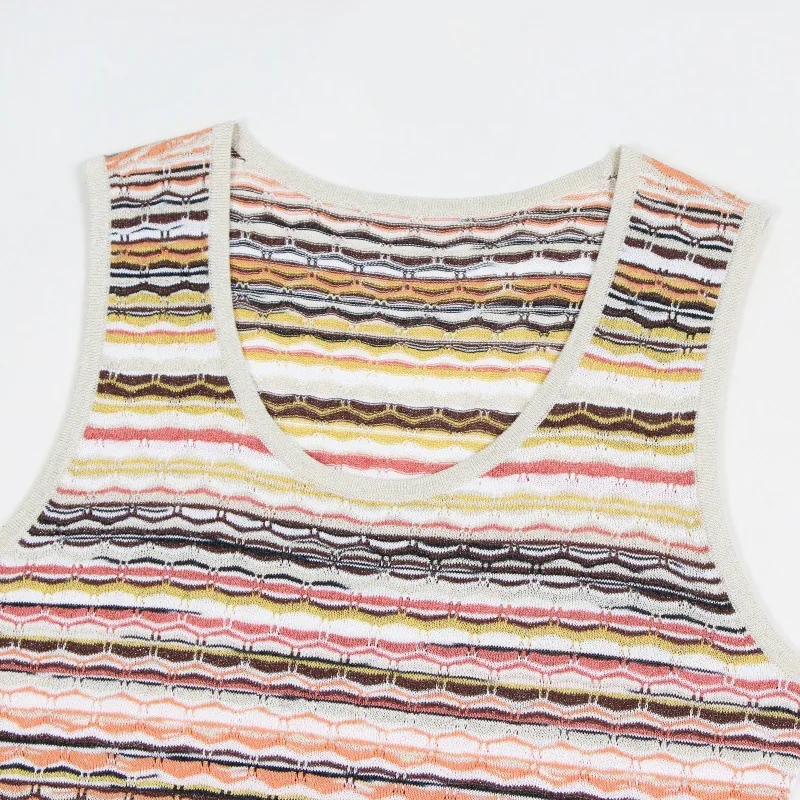
Sleeveless knitwear has evolved from a vintage accessory into a foundational core driver of modern B2B apparel architecture. The operational performance of this style is rooted in its cross-seasonal adaptability and design versatility, making it a reliable hedge against shifting global climates.
Seasonal Transition and Layering Versatility
The modern consumer demands adaptive wardrobes that transition effortlessly between diverse environments. Vests offer optimal core insulation while bypassing the heat trap of underarm layering, allowing end-users to pair them with everything from structured poplin shirts to casual base-layer tees.
For brand owners, this versatility expands the selling cycle of a single garment from a traditional three-month winter window to a comprehensive nine-month multi-season retail pipeline. This extension reduces markdown dependencies and boosts inventory efficiency across both spring and autumn collections.
Retail Price Points and Fabric Efficiency for custom vest knitwear
Omitting long sleeves reduces raw yarn consumption by approximately 30% to 38% per unit depending on the gauge and fit structure. In commercial production, this reduction directly translates to lower freight costs and raw material overhead.
Rather than pricing the product down, premium brands maintain a high-value perception by reallocating these cost savings into luxury yarn blends such as superfine Merino wool or organic cotton blends. This methodology preserves high retail margins while offering consumers a superior tactile feel.
How Do Armhole and Neckline Construction Techniques Affect Vest Quality?
A premium custom knit vest is not merely a sweater without sleeves; it requires highly specialized adjustments in the neckline and armhole drop to prevent distortion. In high-gauge sleeveless apparel, the neckline and armhole behave as structural anchors, dictating how the garment drapes, recovers, and sits on the human body.
Achieving Precise Armhole Linking and Tension
Because the armholes of sleeveless knitwear are highly visible and subject to continuous movement, standard cut-and-sew operations are insufficient for high-end markets. Our manufacturing facility utilizes loop-to-loop linking, a process where each raw knit loop is meticulously placed on a point-dial linking machine to bind the trim to the body panel.
The armhole depth must be precisely engineered using the industrial standard formula:
Armhole Depth = \left(\frac{Bust}{6}\right) + 3.5 to 6 cm
This calculation ensures comfort and eliminates the risk of fabric sagging under the armpit. To learn more about standard knitting styles, review the CottonWorks Knit Basics overview on knit structures which outlines essential loop formations and technical production baselines.
Mitered V-Necks versus Lapped Styles for custom vest knitwear
A classic knit vest often relies on a V-neckline to create its distinctive profile. Low-cost manufacturers typically use lapped V-necks where one side of the collar band simply crosses over the other, creating a bulky, asymmetrical join.
Premium custom design demands a “mitered” V-neckline, where the stitches of the rib collar converge symmetrically at the center-front point along a central decrease line. This configuration lies perfectly flat against the chest, maintains structure after washing, and is a hallmark of superior garment development.
What Are the Key Structural Differences in Rib Tension and Recovery?
To retain their shape over prolonged wear, the open borders of a vest—the neckline, armholes, and bottom welt—must perform under continuous physical tension. Unlike long sleeves which sit anchored on the wrist, sleeveless borders face unique shear forces during wear and laundering, requiring deliberate technical construction.
Spandex Blends and Elastic Modulus Standards
Our production process integrates top-grade cotton-spandex or nylon-spandex core yarns within the rib structures of our custom knit vest designs. Adding 2% to 5% spandex inside the knit matrix provides the recovery force necessary to prevent stretching and flaring.
High-grade rib collars built in our facility are tested under strict Intertek Apparel Testing standards for knitwear durability to verify structural elastic recovery and ensure they retain over 95% of their initial shape even after multiple wash and wear cycles. This standard guarantees that your brand is protected against post-purchase customer returns due to stretched-out trims.
The Standard Fabric-to-Rib Attachment Ratio for custom vest knitwear
When attaching rib trims to the main body panels of a sweater vest, we apply a strict 1:0.8 tension ratio. This means the length of the relaxed rib trim is precisely engineered to be 80% of the flat-cut armhole boundary.
Applying this precise tension causes the rib to gently hug the body curve without puckering the main panel fabric, preventing the common “bunching” or “winged” armhole defect found in low-grade manufacturing. Designers should reference the CottonWorks Designing Knit Textiles guide on stitch configurations for advanced insights into stitch density, stitch length controls, and dimensional layout standards.
Critical Yarn Selection Guidelines for Premium Custom Knit Vests
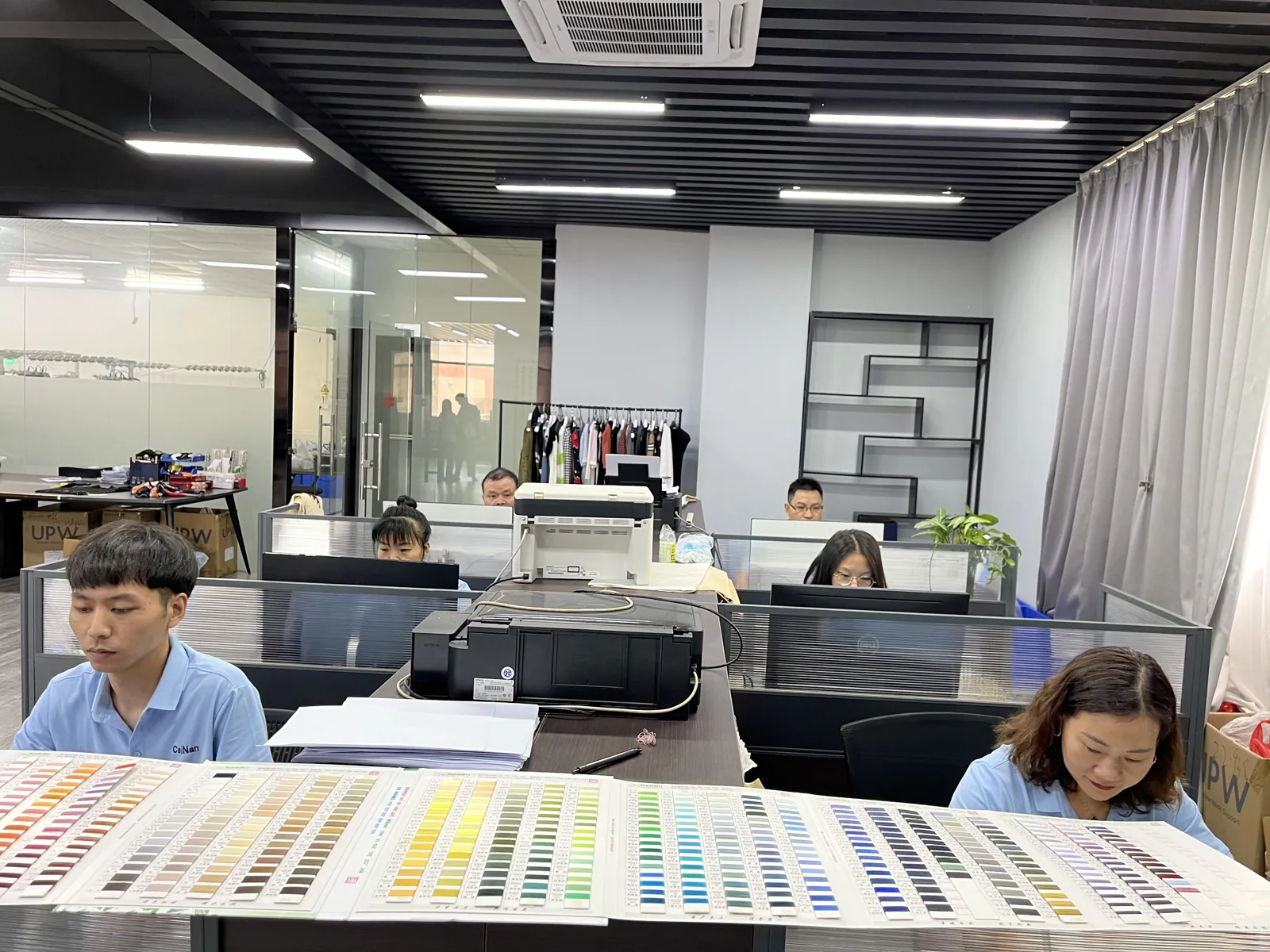
The choice of fiber fundamentally dictates both the retail application and the manufacturing constraints of a custom vest knitwear line. Because vests are layered close to sensitive skin areas like the neck and arms, yarn selection must balance softness with functional durability.
Cotton and Cotton-Spandex Blends for custom vest knitwear
For modern streetwear and casual B2B luxury lines, 100% long-staple cotton remains the industry benchmark. Cotton provides a clean stitch definition, ideal for showcasing deep cable knits or flat single-jersey textures.
To optimize stretch recovery in high-stress zones, we offer custom core-spun cotton yarns blended with high-grade nylon and polyester cores. This structural approach preserves the soft breathability of natural cotton while securing the dimensional stability of synthetic fibers.
Luxury Animal Fibers and Mohair Blends
For high-end fashion houses and boutique premium lines, mohair, alpaca, and cashmere blends provide a luxury visual texture. A blend containing 8% mohair and 15% wool creates a soft halo effect that elevates simple designs into statement pieces.
However, sourcing managers must understand the trade-offs: luxury fuzzy fibers require delicate dry-cleaning care, whereas cotton-acrylic blends offer easy-care machine washability. This makes synthetic blends more appealing for practical mid-market corporate lines.
How Does Custom Vest Knitwear Affect Production Economics?
Sourcing a sleeveless line offers robust financial advantages that directly strengthen a brand’s bottom-line performance. In the competitive B2B apparel space, managing inventory risk and margin pressure is as critical as aesthetic design.
Production Efficiency on Multi-System Computerized Knitting Machines
Because vests bypass the complexity of sleeve construction, overall knitting machine time is reduced. Modern computerized knitting machines can process multiple vest panels simultaneously, increasing our monthly capacity.
This mechanical speed-up allows us to shorten our bulk production timeline to 15-35 working days for orders under 500 units. For brands seeking dynamic restocking schedules, this accelerated turnaround allows for responsive supply chains that match real-time sales trends.
Low Sizing Risk and Reduced Sizing Returns
Sleeve fit is one of the most common reasons for consumer e-commerce returns, as variations in arm length, bicep width, and shoulder drops are hard to normalize. A custom knit vest completely bypasses these physical paint points.
Because the armholes are open, the garment has a significantly wider margin of error across various body shapes. This sizing flexibility reduces your returns rate, minimizes the number of SKUs you need to hold, and increases total consumer satisfaction.
Detailed Technical Specifications Comparison for Knitwear Production
Selecting the correct gauge and construction method is critical for aligning your vest line with its intended price point and aesthetic direction. To help product development teams make informed decisions, we have compiled a structural comparison of our manufacturing capabilities.
The table below outlines the core technical properties of the three main knit structures used in custom vest knitwear production.
| Gauge (GG) | Common Stitches | Best Yarn Weight | Best Silhouette | Operational Purpose | Sizing Tolerance |
|---|---|---|---|---|---|
| 5GG – 7GG | Cable Knit, Half Cardigan | 2/12nm Double Yarn | Oversized, Boxy Fit | Statement Autumn / Winter Wear | Extremely High (±3cm) |
| 12GG | Single Jersey, Milano | 2/26nm – 2/32nm | Fitted, Slim-Cut | Corporate Smart Casual Layering | Moderate (±1.5cm) |
| 14GG – 16GG | Fine Rib, Double Face | 2/48nm Fine Cotton | Lightweight Shell | Spring Ultra-Thin Active Wear | Precision Fit (±1.0cm) |
This structural matrix shows how heavy gauges (5GG – 7GG) focus on rich textures and loose fits, while fine-gauge structures (12GG – 14GG) deliver formal corporate layering styles. For brands looking to build a balanced catalog, we recommend exploring our versatile knitwear product range to compare complete material profiles.
What Sourcing Timeline and MOQ Structures Apply to Wholesale Knitwear?
Navigating the production cycle of a seasonal sweater vest line requires clear planning and an understanding of key factory operations. To maintain high efficiency and keep costs low, brand buyers should align with raw material markets and seasonal capacity shifts.
Off-Season versus Peak Season Production Dynamics for custom vest knitwear
Our manufacturing calendar is divided into two clear pricing periods. The off-season (February to July) offers stable pricing and faster lead times. In contrast, the peak season (August to January) introduces increased raw material and labor costs as the global demand for warm knitwear surges.
For maximum cost efficiency, we strongly advise procurement teams to complete their design finalization and place bulk orders before September. Ordering early guarantees priority machine scheduling, lower yarn pricing, and on-time winter delivery.
OEM/ODM Sampling and Customization Pricing
We provide comprehensive custom OEM/ODM knitwear services tailored for private labels, corporate wholesalers, and fashion brands. A standard design sample is created in 3-7 working days depending on structural complexity.
Our factory sample fee is fully refundable once your subsequent bulk order exceeds 200 units. This structure protects your brand’s initial R&D investment while maintaining professional accountability throughout our knitwear sampling and product development pipeline.
Conclusion
Integrating custom vest knitwear into your seasonal product line is a powerful strategy to expand your brand’s market reach, optimize material utilization, and mitigate sizing returns. By leveraging mitered necklines, robust loop-to-loop armhole linking, and advanced rib recovery techniques, your brand can deliver premium-tier sleeveless apparel that survives continuous wash and wear cycles.
Partnering with an expert knitwear manufacturer like Dongguan Cainan Clothing Co., LTD ensures your technical specifications are executed with strict precision, from initial computer machine gauge calibration to final QC hand-linking. We invite brand directors, apparel buyers, and product development managers to collaborate with us.
Send your vest references for knit structure and sampling advice, along with your tech pack, fabric choices, and target quantities to initiate your custom development cycle. Our dedicated sourcing team will deliver detailed yarn comparisons and a fast prototyping plan to elevate your apparel line.
Frequently Asked Questions (FAQ)
What MOQ Applies to Custom Vest Knitwear?
Our standard minimum order quantity is 30 units per size, per color. This low MOQ is designed to support boutique brands and premium corporate programs during initial test launches. By reducing first-run volume requirements, our clients can test premium colorways and cable patterns in live retail environments without committing heavy capital up front. Larger bulk volumes naturally benefit from scaled yarn purchasing, which dramatically reduces individual unit costs.
What specifications or design files must we supply to begin sampling?
To ensure accurate sampling, we request a comprehensive design package including a clear tech pack, dimensional vector artwork, and detailed material preferences. If you do not have an active tech pack, you may send us physical garment reference samples. Specifying your desired knit gauge (e.g., 12GG or 7GG) along with critical rib trim measurements helps our programmers configure our computerized knitting machines accurately on the first attempt, preventing multiple sampling revisions.
How does your factory test the durability and rib recovery of the vest borders?
We evaluate all of our prototype knitwear under rigorous laboratory standards. We monitor rib recovery using ASTM D4964 tension tests and execute multiple standard machine wash cycles according to AATCC TM150 rules to inspect the collars and armholes for flaring. Our custom rib trims maintain an elastic recovery efficiency exceeding 92%, protecting your end-consumers from loose or sagging necklines and safeguarding your brand’s long-term reputation for premium quality.
How long does the custom sampling and shipping cycle take for B2B clients?
A standard premium sample is completed within 3 to 7 working days, with complex designs utilizing intarsia, custom embroidery, or delicate hand-crocheting techniques requiring up to 10 working days. Once approved, we ship prototype samples directly to your office via premier air express carriers such as FedEx, DHL, or UPS, with typical transit times ranging from 5 to 8 working days. For domestic clients with local freight forwarders in China, we can coordinate direct warehouse drops to minimize shipping costs.
Which raw materials are best suited for high-end corporate uniform vests?
For corporate uniform wear, we recommend our premium 100% cotton yarn or specialized high-grade cotton-acrylic blends. Natural cotton offers exceptional breathability and comfort for extended daily wear, while acrylic provides excellent colorfastness and durability. Vests containing a small nylon or spandex core thread within the trim areas resist daily friction, prevent piling, and withstand frequent industrial laundering without losing their shape or vibrant color saturation.