 CN Sweaters
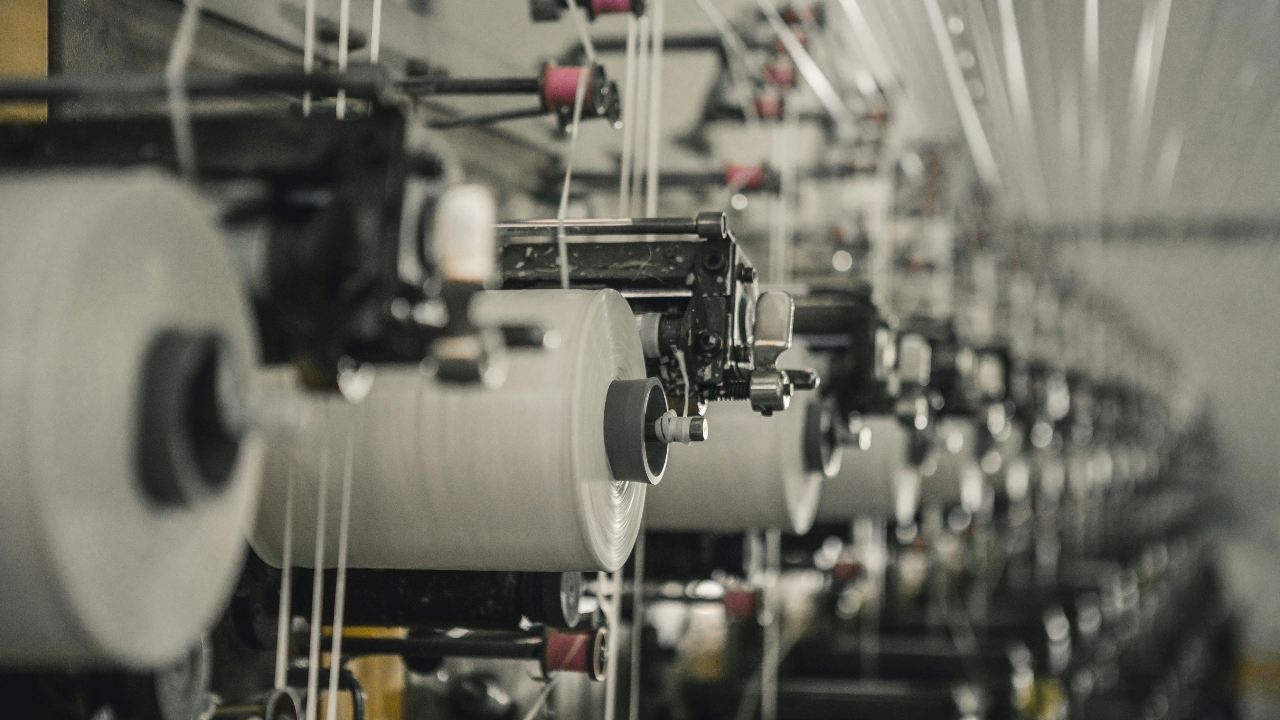
When you search for apparel manufacturers to produce sweaters, cardigans, knit dresses, hoodies, or any structured knitted piece, the safer answer is usually a specialized knitwear manufacturer, not a general garment factory. The gap between cutting woven fabric and engineering a knitted panel is much wider than most brands assume, and that gap is where most sampling failures, sizing problems, and bulk rejections actually happen.
This is not a marketing argument. From a factory perspective, knitwear behaves like a different product category. Yarn count, gauge, stitch tension, panel shaping, and post-wash dimensional stability sit at the center of every decision, and very few general custom apparel manufacturers carry that engineering knowledge in-house. When a buyer treats a sweater like a t-shirt with sleeves, the first sample usually looks acceptable, the second sample drifts, and the bulk run loses size accuracy somewhere between knitting, linking, washing, and pressing. By that point, the cost of correction is much higher than the cost of choosing the right factory in the first place.
The risk is real for private label teams, startup brands, and procurement managers who are scaling. Wrong yarn weight, wrong machine gauge, or wrong shrinkage allowance can quietly turn a profitable order into a write-off. Understanding where a generalist apparel factory ends and a specialized knitwear manufacturer begins is one of the most important sourcing decisions a knit-heavy brand will make.
What Apparel Manufacturers Actually Do Best
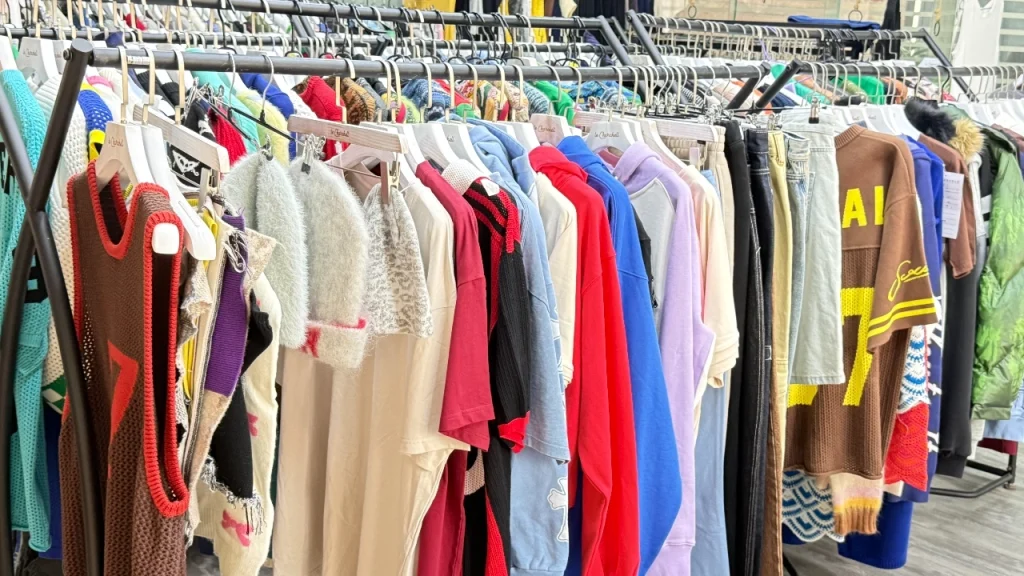
Most apparel manufacturers are optimized for cut-and-sew woven and basic jersey production, which is a different operating model from knitwear. They source rolled fabric, spread it, cut panels with a marker, and assemble them on flatbed or overlock machines. This works well for shirts, trousers, dresses, jackets, blazers, basic tees, and outerwear shells. The fabric arrives stable, the panel shapes are flat, and the operators focus on stitching accuracy and finishing.
Where general clothing manufacturers excel
General clothing manufacturers are strong when the construction logic is “fabric in, garment out.” Their tooling, training, and quality control systems are built around woven defects, seam types, interlining, and washing for color. According to the apparel manufacturing process breakdown by Maker’s Row, the standard flow moves from fabric readiness, to pattern and marker, to cutting, stitching, washing, finishing, and QC. Each of these stages assumes a flat textile input. For a structured sweater, that assumption breaks down at step one.
Where the limits start to show
When a brand sends a tech pack for a fully fashioned cardigan or a 5GG cable sweater to a general apparel factory, the limit shows up in three places. First, the factory does not own flat knitting machines in the right gauge range, so panels are subcontracted to a knitting workshop the brand never audits. Second, the linking step, which closes shoulders and joins panels stitch-by-stitch on a linking machine, is often replaced by overlocking, which destroys the hand feel buyers expect. Third, post-wash shrinkage on knits is dramatically different from wovens, and a factory without internal shrinkage allowances will deliver garments that drift outside spec after the first wash. For B2B buyers, this means a sample that passes inspection at the factory can still fail at the distribution center.
Why a Knitwear Manufacturer Is a Different Operation
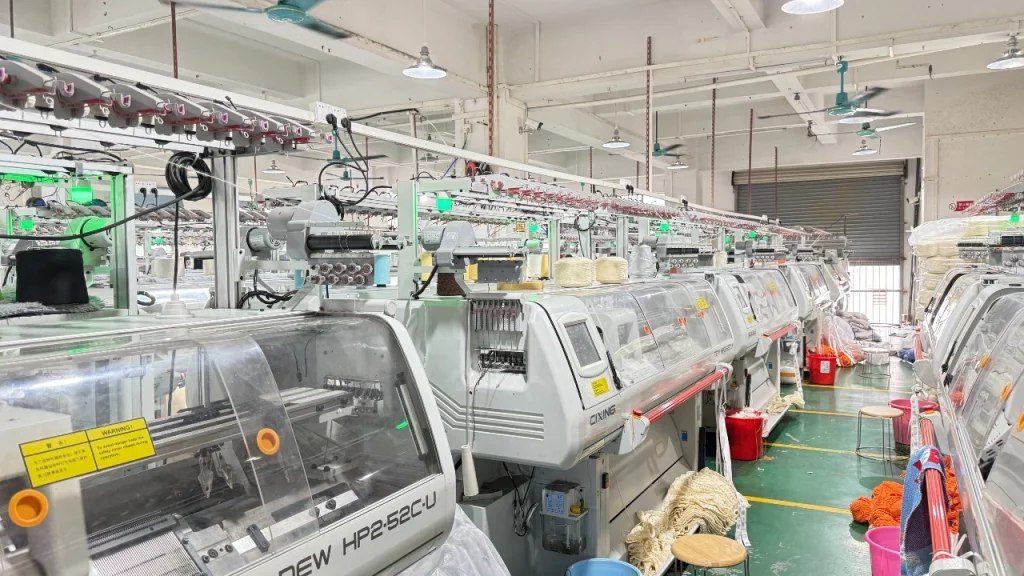
A specialized knitwear manufacturer is built around yarn, not fabric. The factory floor, the engineering team, and the QC checkpoints are designed for a production logic where the garment is created stitch by stitch, not cut from a roll. This single difference reshapes lead times, MOQ structures, sampling cycles, and quality control.
Yarn, gauge, and panel engineering
In a sweater factory, the first conversation is about yarn composition, ply, twist, and supplier consistency, followed by machine gauge selection, typically between 3GG and 16GG depending on the look. The gauge decides the visual density of the knit, the weight of the finished garment, and the achievable stitch detail. A 3GG chunky cardigan and a 14GG fine merino crewneck cannot run on the same machine, and they cannot be developed by the same technician without retraining. Industry data on knit construction confirms that yarn twist liveliness, feeder balance, and stitch length directly affect dimensional stability after washing, which is why knit dimensional stability studies treat shrinkage as a structural issue, not a finishing issue.
Linking, washing, and shape recovery
After panels come off the knitting machine, they are linked, not just sewn. Linking creates a flat, low-bulk join that preserves stretch and recovery at the shoulder, neckline, and armhole. Washing and steaming then relax the yarn into its final dimensions, which is when a knit garment actually reaches its true measurements. A factory that does not own its own washing and steaming line cannot reliably predict the final size, which is why specialized knitwear OEM/ODM operations integrate knitting, linking, washing, and pressing under one roof. For a buyer, this integration is what makes size charts repeatable from order to order.
How to Decide Which Project Belongs Where
The honest answer is that not every garment needs a specialized factory, and not every specialized factory makes sense for every order. The decision depends on construction type, yarn complexity, and how tight the size tolerance needs to be across a bulk run.
A practical project routing table
Below is a routing logic we use internally when buyers ask whether a project should sit with a general apparel factory or a dedicated knitwear manufacturer. It is not a hard rule, but it reflects where each model tends to deliver the best cost-to-quality balance.
| Project type | Better fit with general apparel manufacturer | Better fit with specialized knitwear manufacturer |
|---|---|---|
| Cotton jersey t-shirt, hoodie body | Yes, cut-and-sew jersey is their core | Only if integrated with knit panels |
| French terry zip hoodie, basic sweatshirt | Yes, fabric-based construction | Optional |
| Fully fashioned sweater, cardigan | No, panel knitting not in-house | Yes, gauge and linking required |
| Knit dress with shaping | Limited, often subcontracted | Yes, fit and recovery critical |
| Jacquard or intarsia knit | No, requires programmed knitting | Yes, pattern engineering in-house |
| Zip-front knit, knit vest | No, finishing detail risk | Yes, trim and linking integrated |
| Custom knit project, blanket, accessory | No | Yes, flexible gauge and yarn |
The pattern is consistent: as soon as the garment depends on knit structure rather than fabric, the specialized factory becomes the lower-risk choice. For mixed orders, some buyers split the program, sending wovens to one partner and knits to a dedicated sweaters production partner, which keeps each factory focused on what it controls best.
Why splitting suppliers is not always a problem
Buyers sometimes resist working with multiple factories because of coordination cost. In knitwear, the trade-off usually favors specialization. A general factory accepting a knit order will often quote a longer lead time and a higher reject rate, because development cycles repeat until the knit panel behaves predictably. A dedicated knit factory can usually close that loop faster, even if the brand has to manage two purchase orders. For a procurement manager balancing OTIF and margin, two specialists often outperform one generalist on the knit side of the assortment.
Sampling, MOQ, and Lead Time Realities
Sampling is where the difference between a generalist and a specialist becomes most visible to the buyer, because the sampling cycle is where structural problems surface or stay hidden. Realistic expectations here protect both the launch calendar and the cost sheet.
Sampling cycles you should expect
For a specialized knitwear manufacturer, a first proto on a standard yarn typically takes 7 to 15 working days, depending on yarn availability and gauge complexity. A size set and pre-production sample usually adds another 10 to 15 working days. These ranges are broadly consistent with published knitwear sampling timelines, and they assume the tech pack is complete, the yarn is in stock or available from a known mill, and the buyer responds to fit comments within 48 hours. When any of those assumptions break, the cycle extends. From a factory perspective, the most common delay is incomplete yarn information, not knitting speed.
MOQ and bulk lead time
MOQ for custom knitwear is usually set per color per style, not per total order. A reasonable range for established knit factories is 100 to 300 pieces per color per style for stocked yarns, and higher for custom-dyed yarns where the dye lot itself carries an MOQ. Bulk lead time after pre-production sample approval typically falls between 30 and 60 days, depending on machine load, finishing complexity, and packaging requirements. For private label clothing manufacturers working with retail launch dates, the practical implication is simple: confirm yarn lead time before locking the launch calendar, because yarn supply, not knitting capacity, is usually the critical path. Adding 7 to 10 days of buffer for unexpected yarn delays is normal procurement hygiene in this category.
Quality Control That Actually Matters for Knit
Knit quality control is structurally different from woven QC, and treating them the same is one of the most common reasons knit bulk orders fail final inspection. The defects, the test methods, and the acceptable tolerances do not transfer one-to-one from a cut-and-sew operation.
The defects that matter most
In knit production, the highest-impact defects are dimensional drift after washing, stitch density variation across panels, yarn shade variation between dye lots, pilling resistance, seam recovery at the shoulder and underarm, and trim attachment on softer knit grounds. Testing protocols published by Intertek apparel testing include dimensional stability, color fastness, and pilling as core knit assessments, and these tests should be specified in the tech pack, not added at final inspection. A factory that runs these tests internally during sampling can catch most of these issues before bulk starts.
Practical QC steps for buyers
For B2B buyers, the most useful QC step is requiring a wash-and-measure check on the pre-production sample, using the same wash care label that will appear on the finished garment. The second most useful step is requiring a size set across the full size range, not just M, because knit grading does not scale linearly. The third is asking for a yarn certificate from the spinner, which protects against yarn substitution at the bulk stage. These steps sit on top of standard responsible sourcing expectations, which the OECD due diligence guidance for garment supply chains frames as part of normal buyer responsibility. For private label programs, embedding these checks into the PO terms is more effective than adding them after the first reject.
Cost, Risk, and Total Landed Value
Cost comparisons between general apparel manufacturers and specialized knitwear manufacturers are often misread, because the unit price is only one input. The full picture includes sampling rework, reject rates, air freight to recover late shipments, and the cost of customer returns when sizes drift after the first wash.
Where the hidden costs sit
A general factory may quote a lower FOB on a sweater, but if the first sample needs three rounds of revision, the buyer loses 4 to 6 weeks before bulk even starts. If the bulk run misses dimensional spec by more than the agreed tolerance, the recovery options are limited: accept the deviation, rework at the factory’s cost, or reject and reorder. Each of those outcomes carries a real cash impact. For a 5,000-unit order, even a 5% reject rate is a meaningful loss once shipping, duties, and warehousing are included. Specialized factories tend to reduce this variance, which is the actual reason their unit price can be slightly higher and still produce a lower total landed cost.
How to evaluate quotes fairly
When comparing clothing manufacturers on the same knit program, the more useful comparison is not FOB alone but FOB plus expected sampling rounds, expected reject rate, and expected delay risk. Asking each supplier for their internal shrinkage allowance, their gauge range, and the percentage of orders shipped within the original lead time gives a clearer picture than a price sheet. From a factory perspective, suppliers who can answer these questions in writing are usually the same suppliers who deliver consistently on bulk.
Conclusion
For sweaters, cardigans, knit dresses, zip knitwear, and any structured knit project, the safer route is a specialized knitwear manufacturer rather than a generalist apparel factory. The difference shows up in yarn handling, gauge accuracy, linking quality, dimensional stability, and bulk consistency, which together determine whether a program ships on time and within spec. General apparel manufacturers remain the right choice for wovens and basic cut-and-sew, but knit structure introduces engineering decisions that need a factory built around yarn, not fabric. If you are scoping a new knit program or replacing an underperforming supplier, share your garment type, target yarn, gauge preference, size range, target quantity, and tech pack with our knitwear development team so we can confirm whether the project fits a specialized knit operation or a general apparel partner.
FAQ
What MOQ should I expect from a specialized knitwear manufacturer? For standard yarns held in stock, MOQ is usually 100 to 300 pieces per color per style. Custom-dyed yarns often carry a separate dye-lot MOQ, which can push the practical minimum higher. Combining colors within the same yarn family is the easiest way to keep the total order achievable while still offering an assortment at retail.
How long does sweater sampling really take? A first proto on an available yarn is typically 7 to 15 working days, and a pre-production sample adds another 10 to 15 working days. Delays usually come from incomplete tech packs or yarn sourcing, not knitting capacity. Confirming yarn availability before kicking off sampling is the single biggest schedule protector.
Can a general apparel factory handle a small knit project to save cost? For very basic jersey hoodies or simple sweatshirts, yes. For fully fashioned sweaters, cardigans, knit dresses, or any program with shaping and linking, the savings rarely survive the rework cycle. The hidden cost of failed samples and rejected bulk usually exceeds the FOB difference.
What documents should I send to get an accurate knitwear quote? A complete tech pack with yarn composition and target weight, gauge preference, size range with graded measurements, target quantity per color per style, target delivery date, packaging and labeling requirements, and any reference sample. Missing any of these forces the factory to estimate, which leads to revised quotes later.
How do I protect against size drift after washing? Specify dimensional stability testing in the tech pack, require a wash-and-measure check on the pre-production sample using the actual care label, and request a full size set rather than relying on a single M sample. These three steps catch most post-wash sizing issues before bulk production starts.