 CN Sweaters
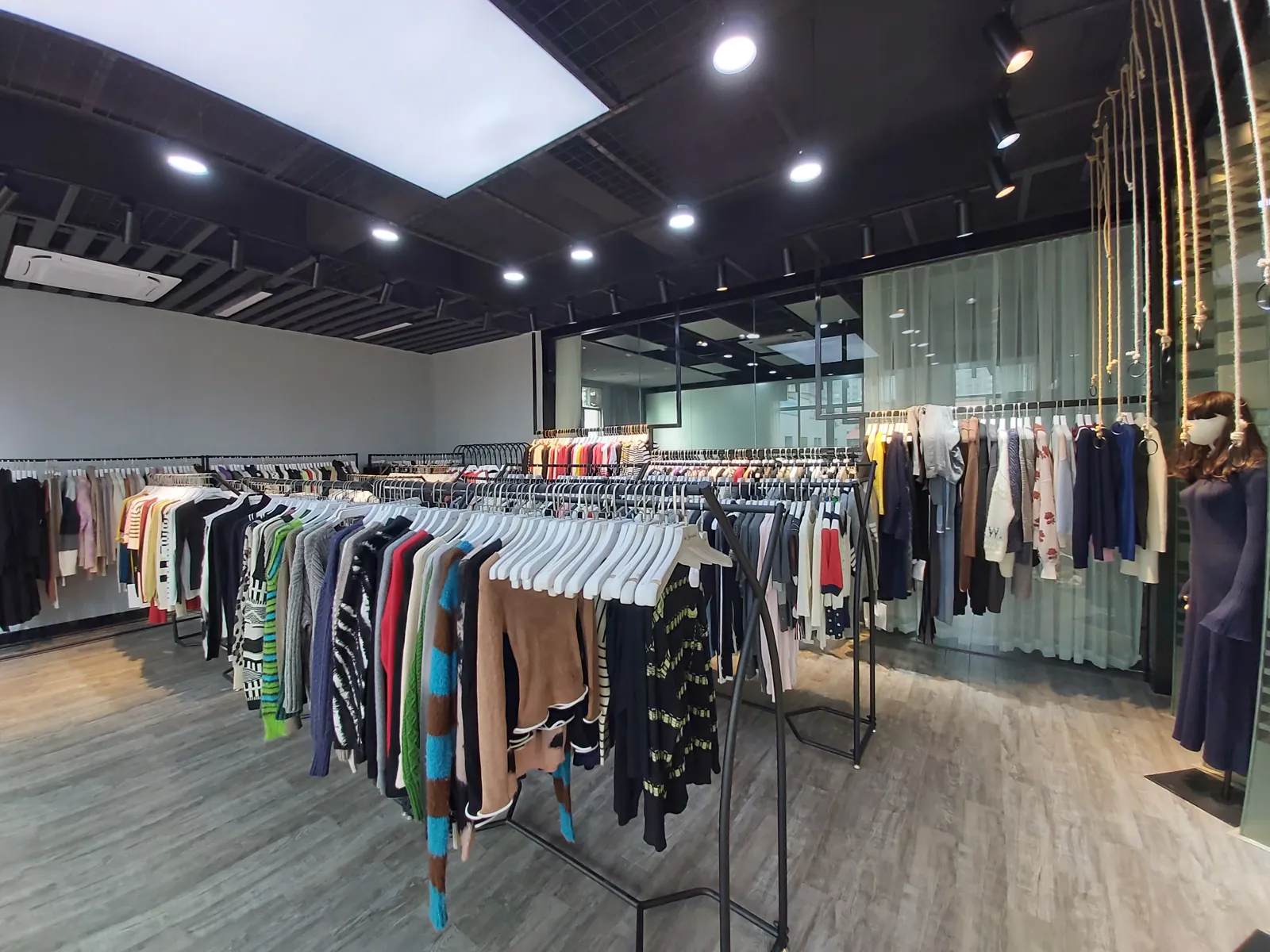
Private label is often the most practical middle path for retailers sourcing wholesale womens knitwear. It gives more control than buying generic ready-made stock, but it is still far more manageable than building every style from zero. For boutiques, online sellers, distributors, and procurement teams, that balance matters because women’s knitwear is not only about design. It is also about fit consistency, yarn behavior, reorder stability, and whether the product can actually support repeat business.
From a factory perspective, the retailers who build stronger knitwear programs are usually not the ones who start with the biggest assortment. They are the ones who define the key variables early: yarn direction, gauge, fit, labels, packaging, MOQ, development timeline, and the level of customization that the business can realistically support. In knitwear, unclear inputs often lead to higher sampling costs, slower approvals, and bulk results that are harder to repeat.
That is why the real sourcing question is not simply where to buy wholesale ladies knitwear. The better question is whether private label is a better fit than ready-made wholesale for your current stage, and how to launch a womens knitwear program with lower risk. For many retailers, the value of private label is not “more styles.” It is a more controlled brand presentation, a clearer product structure, and a better chance of building reorderable core styles.
This guide focuses on the decisions that matter most for B2B buyers: which styles are best to start with, what must be locked before sampling, what really changes MOQ and lead time, how to reduce bulk risk, and what to look for in a supplier if you want a long-term knitwear program rather than a one-off order.
Why Private Label Works for Womens Knitwear Retailers
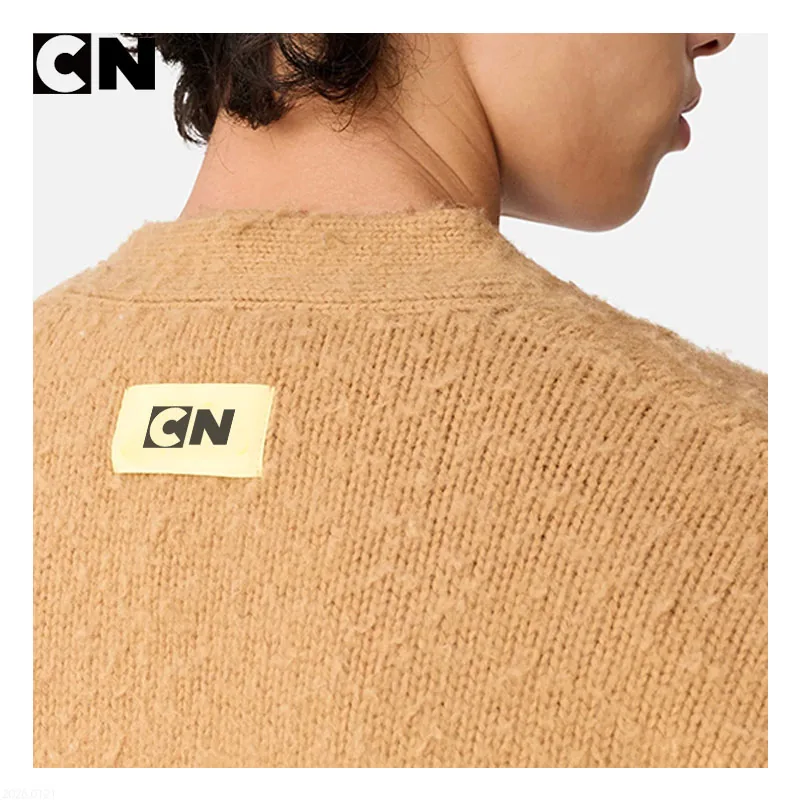
For many retailers, private label works because it sits between two extremes. On one side is ready-made wholesale, which is fast and simple but offers limited control. On the other side is fully custom development, which gives maximum control but also demands more development time, clearer technical input, and often more tolerance for uncertainty. Private label lets retailers shape the product around their own brand without carrying the full burden of a ground-up creation process.
Private Label vs Ready-Made Wholesale Options for Womens Knitwear
These three sourcing models serve different business stages.
Ready-made wholesale is usually the fastest route. It can work well if you want to test demand quickly, fill a seasonal gap, or avoid development work. The trade-off is that other buyers may access the same or very similar products, which limits differentiation. Margins can also become tighter if the offer looks interchangeable.
Private label adds another layer of control. A retailer can adjust labels, packaging, fit direction, selected trims, and sometimes yarn or color strategy, while still working within a supplier’s established development system. That makes it a more balanced option for brands that already know their customer but do not want the full cost and complexity of starting every style from scratch. A factory offering private label knitwear manufacturing can often support this model through sampling, QC, brand labeling, and retail-ready packing.
Full custom development gives the highest level of uniqueness, but it also requires stronger inputs. The buyer usually needs a solid tech pack, clearer measurement logic, stronger decision-making during development, and more patience during revisions. It is best suited to brands with a well-defined product vision and enough volume or strategic value to justify the extra work.
In practical terms, the trade-offs usually come down to speed, brand control, MOQ pressure, and development complexity. Ready-made wholesale wins on speed. Full custom wins on uniqueness. Private label often wins on commercial balance.
When Private Label Is the Better Womens Knitwear Choice
Private label is often the better choice when a retailer already has a customer profile, a price band, and an existing sales channel, but wants the product to feel more brand-owned. This is common for boutiques trying to build stronger identity, online retailers expanding knit categories, and wholesalers testing repeatable programs that need clearer labeling and better packaging consistency.
It also works well when the goal is to build long-term core knitwear rather than one-time fashion pieces. If you want a cardigan or sweater line that can be reordered with stable sizing and clear brand presentation, private label usually makes more sense than simply buying whatever ready-made inventory is available that season. A structured OEM and ODM knitwear service can help align development, PP approval, QC, and shipment more effectively than a pure trading model.
Another reason private label becomes attractive is risk control. Fully original development sounds appealing, but many retailers do not actually need that level of complexity. What they need is a product that fits their customer, supports their brand, and can be repeated without confusion. In that situation, private label often gives enough differentiation without adding unnecessary instability.
When It May Not Be the Right Fit
Private label is not the right answer for every business stage. If your first order is extremely small, your demand pattern is still unstable, or your assortment changes too often, the added work of customization may not yet pay off.
It may also be the wrong fit if you are highly sensitive to lead time but unwilling to go through proper sampling and approval. Knitwear is technical. If you skip sample review, measurement confirmation, or material alignment, the bulk risk rises quickly. Retailers sometimes expect private label to move like off-the-shelf wholesale, and that is where frustration begins.
Another poor-fit scenario is when the buyer wants strong originality but cannot provide consistent direction. If the concept changes every few days, or if the team has not decided on fit, yarn level, target customer, or packaging requirements, private label becomes slower and more expensive than expected. In those cases, either simplify the scope or begin with a smaller ready-made wholesale test.
Which Womens Knitwear Styles Should Retailers Start With
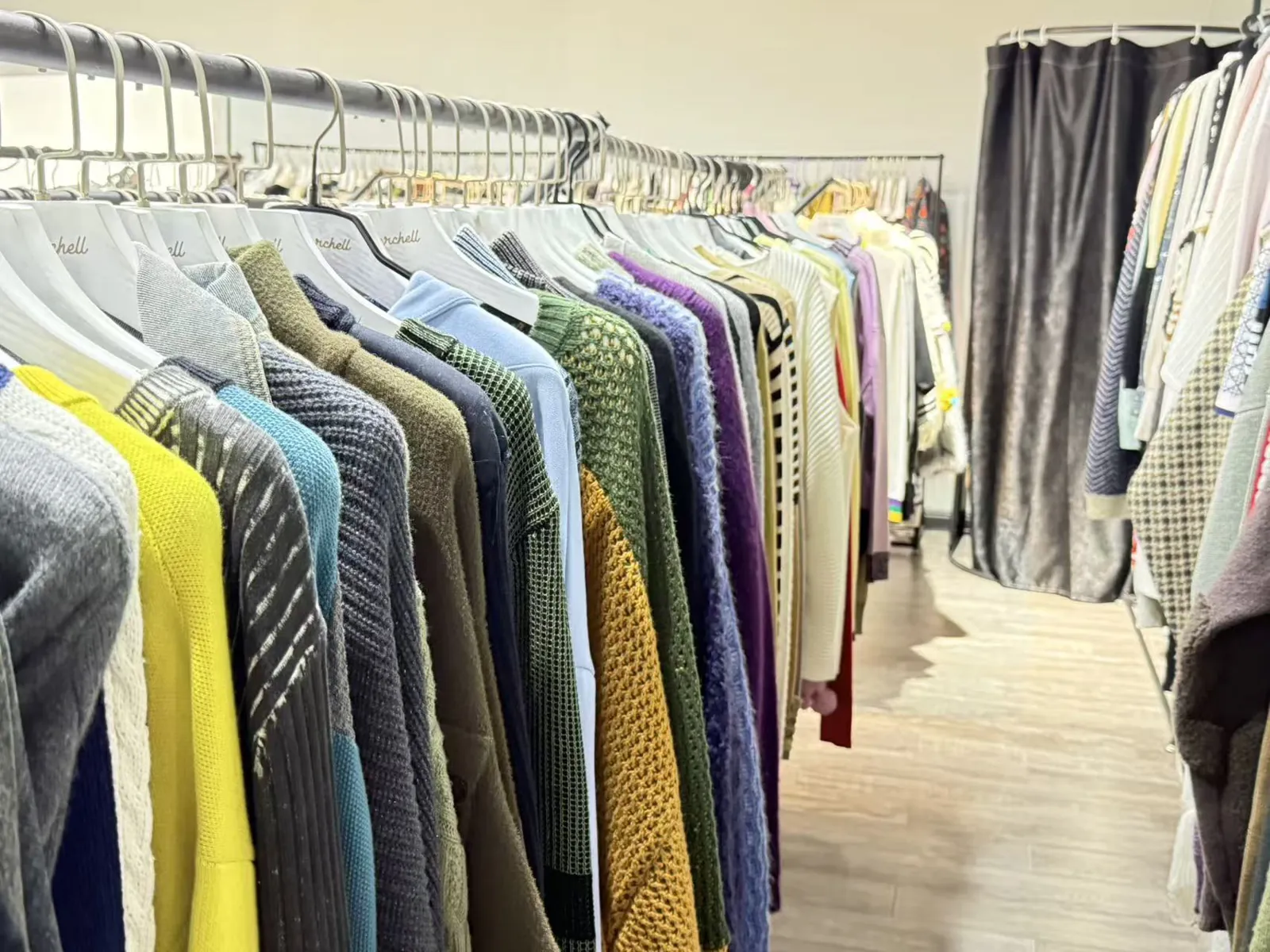
For a first private label order, the safest starting point is usually not the most fashion-forward design. It is the style group that combines commercial demand, manageable fit risk, and better reorder potential. In other words, retailers should start with styles that are easier to repeat and easier to scale.
Core Styles That Reorder Well
The most reliable starting styles are usually crewneck sweaters, V-neck sweaters, cardigans, and easy-fit seasonal basics. These categories tend to have clearer demand patterns and lower failure risk than highly novelty-driven products.
Standard sweaters are often the best entry point because the construction logic is easier to control and compare through sampling. That is one reason many retailers start with custom knit sweaters. Core sweater programs also allow clearer testing of yarn hand-feel, gauge, weight, and fit before the brand moves into more complex details.
Cardigans are also commercially strong, especially for retailers who want layering pieces with longer seasonal relevance. However, cardigan development needs more technical attention around plackets, button positioning, stretch control, and shape retention. A focused knitted cardigans program can work very well, but it should not be treated as “just a sweater with buttons.”
Easy-fit basics are another good starting point because they reduce size-return risk. Relaxed silhouettes, balanced lengths, and simpler constructions often perform better in first launches than highly body-conscious knitwear, especially when the retailer is still learning how the target customer responds to fit.
Where Custom Knit Sweaters Add More Brand Value
Custom knit sweaters create more brand value when the design difference actually supports the brand story, rather than simply increasing development difficulty. Texture-led styles such as cable, jacquard, intarsia, or other stitch-driven constructions can make a knitwear line feel more distinctive, but only if the extra complexity serves a commercial purpose.
A stronger design direction is worth it when the retailer already understands the target customer and can justify the additional development effort. For example, a retailer with a clear aesthetic may benefit from a signature cable cardigan, a branded jacquard story, or a more refined stitch identity that generic wholesale products cannot deliver.
But “different” is not always “better.” Some buyers push complexity too early in order to avoid looking basic. In practice, that can create higher sample costs, longer lead times, and more unstable bulk execution. If your first goal is to establish a reliable knitwear line, it is usually smarter to win on fit, hand-feel, finish, and branding before pushing too far into difficult pattern work.
That same logic applies to related knit categories. If your assortment later expands into casual programs, selected hoodies and zip knitwear can add range, but only after the core sweaters and cardigans are technically under control.
How to Build a Starter Assortment Without Overbuying
A practical starter assortment is often three to five core styles, not ten or twelve. The goal is to learn what your customer responds to while keeping specification control tight enough for reorders.
Color count should be kept disciplined. Too many colors create more MOQ pressure, more shade risk, and more inventory fragmentation. The same applies to size range and yarn complexity. If the assortment uses too many yarn systems, trims, or special constructions from the start, the order becomes harder to price, harder to sample, and harder to repeat.
Retailers should also think beyond the first shipment. If a style works, can it be replenished easily? If the answer depends on rare yarn, unstable trims, or too many variant details, the program may look attractive at launch but become difficult to support later.
A better structure is to launch a compact assortment with clear role separation: one or two reliable base sweaters, one cardigan with strong commercial appeal, and perhaps one more design-led style that gives the line personality. That creates room for testing without overbuying.
What Retailers Should Lock Before Sampling Womens Knitwear
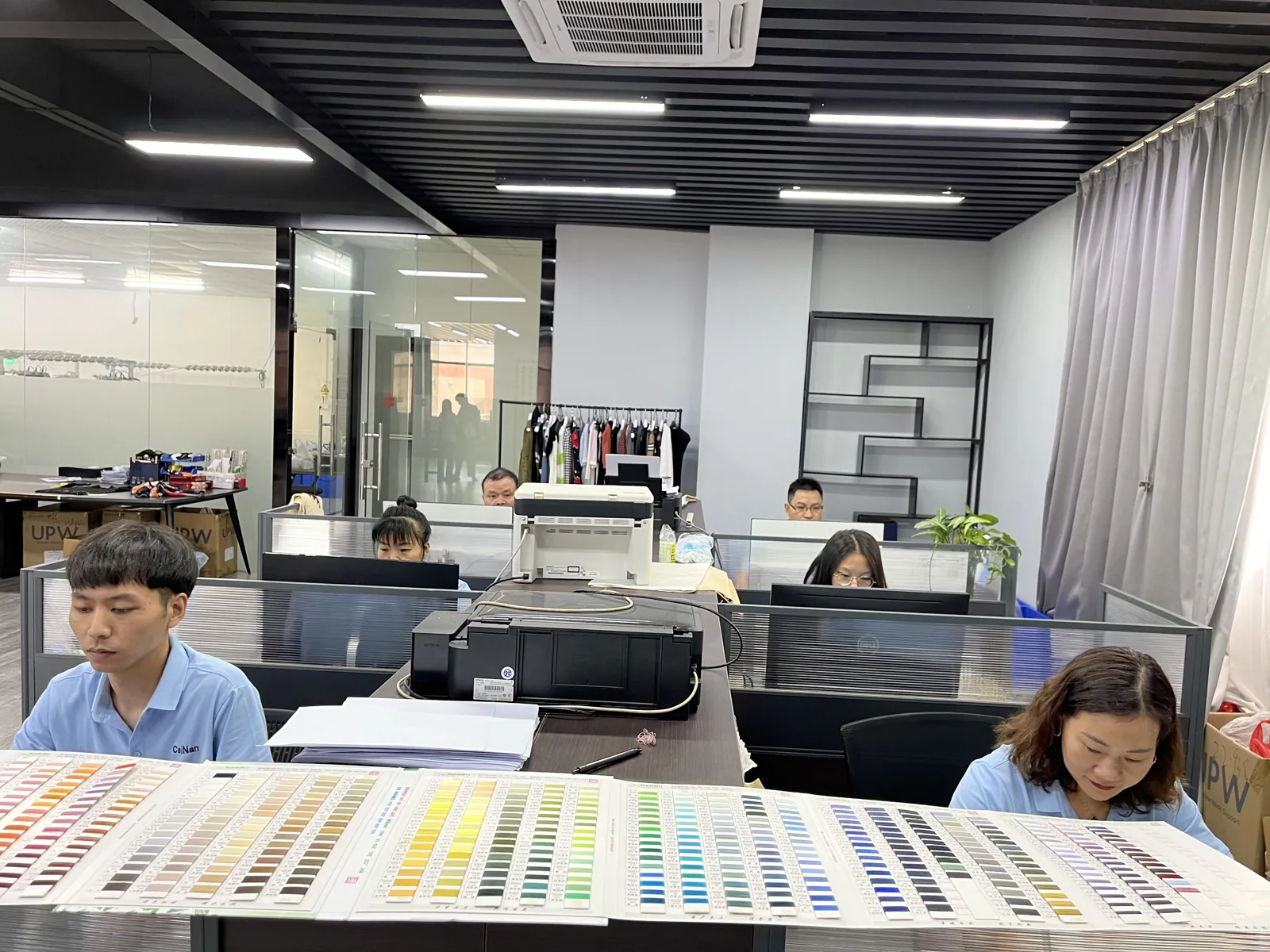
Sampling is where many sourcing problems quietly begin. If the key specifications are not locked before development starts, MOQ, price, lead time, and rework risk all become harder to control. In knitwear, unclear inputs rarely stay small. They usually spread into multiple stages of the project.
Tech Pack, Reference Sample, and Target Price
A full tech pack is the best starting point, but it is not the only workable one. A supplier can often develop from a reference sample, inspiration image set, size direction, target hand-feel, and price positioning. What matters is whether the factory has enough information to understand what you are really trying to build.
For quotation, the supplier usually needs more than a picture. At minimum, the factory should understand the intended silhouette, approximate gauge, yarn direction, target quantity, color plan, trim requirements, and packaging expectations. If these points are missing, the quote may be fast but not reliable.
This is why asking for price first and filling in the details later often slows the process rather than speeding it up. The first number may only be a rough estimate. Once the real yarn, gauge, fit, and finishing requirements become clear, the costing may change, and the buyer loses time recalculating instead of moving forward.
From a factory perspective, good development starts with aligned expectations. If the price target is unrealistic for the construction level, it is better to address that early than to discover the mismatch after multiple samples.
Yarn, Gauge, Fit, and Construction Details
Yarn, gauge, fit, and construction should be decided together because each one affects the others. A soft yarn may deliver the right hand-feel but perform differently depending on gauge. A relaxed fit may look easy on paper but behave very differently in a heavy knit than in a fine-gauge knit. Construction details also change how stable the garment remains in bulk.
Buyers should confirm the intended hand-feel clearly. Do you want soft and fuzzy, crisp and clean, lightweight and drapey, or more structured and substantial? That decision guides yarn choice, and yarn choice affects both performance and cost.
Gauge selection matters because it influences appearance, weight, and lead time. Finer gauges often need tighter tolerance control. Heavier gauges may feel more commercial for fall and winter, but they can raise material use and sometimes limit certain silhouettes.
Fit direction also needs to be clear. “Relaxed,” “fitted,” and “oversized” are not enough by themselves. The supplier needs to understand how the garment should sit through shoulder, body, sleeve, and length proportions. In cardigans or zip styles, details like plackets, zipper installation, or button spacing need confirmation as well.
These are the choices that make sampling useful. If they remain vague, the sample becomes a guessing exercise.
Labels, Hangtags, Packaging, and Retail Readiness
For private label orders, labels and packaging are not minor finishing details. They are part of the product system. Neck labels, care labels, hangtags, polybags, stickers, and cartons all influence how accurately the order can be packed and delivered.
Brand packaging requirements should be confirmed early because they affect both execution and timing. If a buyer waits until late-stage production to define labeling or packing rules, the risk is not only delay. The risk is a shipment that is technically made but not retail-ready.
This also connects to compliance. The U.S. Federal Trade Commission explains in its Apparel and Labeling guidance that most textile products need fiber content, country of origin, and responsible company identification. Its care labeling guidance also makes clear that care instructions must have a reasonable basis. For retailers, that means care labels should be treated as part of product development, not something added casually at the end.
In practical terms, these details directly affect shipping accuracy. Incorrect labels, unclear polybag rules, missing carton marks, or late packaging approval can all create avoidable problems during final inspection and handover.
MOQ, Lead Time, and Refill Orders for Womens Knitwear
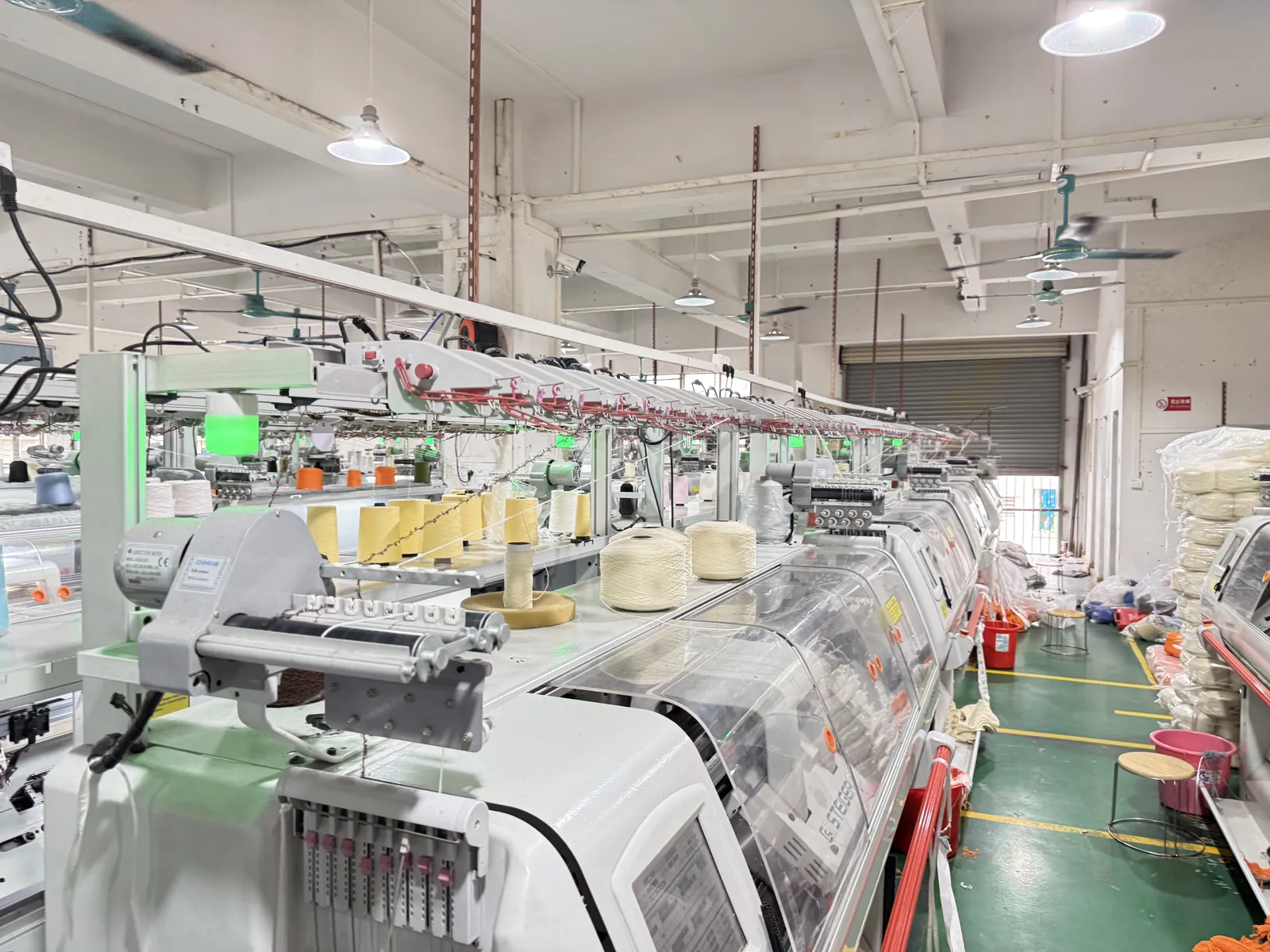
Many retailers underestimate MOQ and timeline risk because they focus too heavily on unit price. In reality, MOQ and lead time have a direct effect on stock pressure, cash flow, reorder capability, and whether the program remains practical after the first PO.
What Actually Changes MOQ
MOQ is rarely just a fixed number. It changes according to yarn type, number of colors, stitch complexity, embellishments, trims, and the overall production structure of the order.
A simpler sweater in a standard yarn with limited colors is usually easier to produce in lower starting quantities than a more complex style that uses special yarn, custom trims, or difficult patterns. The same product category can therefore have very different MOQ logic depending on how the style is built.
Color count is especially important. Buyers sometimes try to reduce risk by spreading the order across many colors, but that can actually make the order less efficient. The factory may need to divide yarn usage, increase changeovers, or manage smaller batch runs that are less production-friendly.
The same applies to embellishments and trims. Once you add special buttons, embroidery, beading, or complex packaging variation, the MOQ structure can change because supporting materials now have their own minimums and handling needs.
That is why knitwear MOQs can vary widely even within the same category. The real question is not “What is your MOQ?” but “What is the MOQ for this yarn, this construction, this color plan, and this packaging setup?”
A More Realistic Sample-to-Bulk Timeline
A more realistic timeline includes more than just the factory production window. It should cover sample development, revision, PP approval, bulk production, final inspection, packing, and shipment handover.
Sampling may move quickly for basic styles, but revisions can still add time if fit, yarn hand-feel, or trims are not aligned. After that, PP approval is critical because it locks the standard the bulk order should follow. Skipping or rushing this stage often creates the sample-to-bulk mismatch that buyers later describe as a factory problem.
Bulk lead time also depends on season. Peak season planning matters because yarn booking, machine capacity, and finishing schedules become tighter. A supplier may be able to produce the order, but not at the same speed during the busiest period. Retailers who only ask for the factory lead time without considering material booking and shipping timing often plan too aggressively.
The safest approach is to work backwards from launch date. Allow room for development, revision, approval, production, and shipment, rather than assuming the calendar will stay ideal.
How to Plan Replenishment Instead of One-Off Buying
Retailers who want stable margins should think about replenishment before the first bulk order is placed. A knitwear style is much more valuable when it can be reordered cleanly than when it only works once.
Styles best suited for refill are usually those with balanced construction, repeatable yarn, controlled color range, and commercially stable fit. Overly trend-driven or overcomplicated first orders often look exciting at launch but become harder to repeat.
Standardization is what makes replenishment smoother. If fit is consistent, approved colors are documented, and yarn batches are controlled well, the supplier has a better chance of producing repeat orders with fewer surprises. This is especially important for programs built around custom knit sweaters or repeat cardigan lines where customers may come back for proven silhouettes.
To avoid “the first order worked, but reorders became difficult,” retailers should limit unnecessary variation, archive approval standards carefully, and discuss refill feasibility with the supplier from the start.
How to Reduce Quality and Delivery Risk in Womens Knitwear
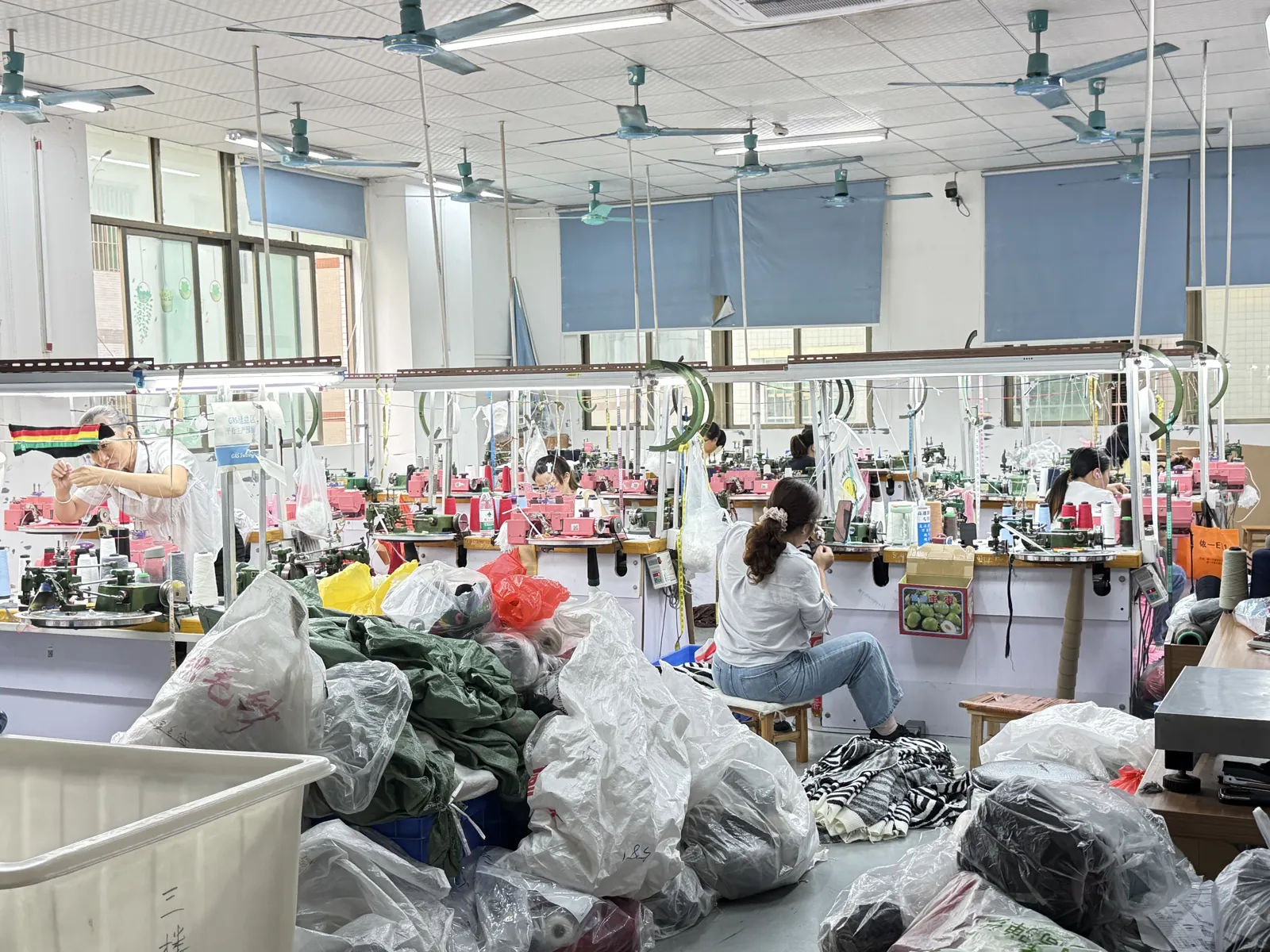
For retail buyers, the biggest risk is often not total failure. It is partial inconsistency: bulk that does not match the approved sample, color lots that shift, plackets that stretch, labels that are wrong, or packing that creates problems at arrival. These are the issues that damage retail execution even when the garments technically exist.
The QC Checkpoints That Matter Most
The most important QC checkpoints are PP sample approval, inline inspection, and final inspection. Each one serves a different purpose.
The PP sample confirms what the bulk should match. Without clear PP approval, “approved standard” becomes too subjective. Inline inspection helps catch issues during production before they spread across the order. Final inspection then checks the finished garments against agreed criteria for appearance, measurement, finishing, labeling, and packing.
AQL, measurement control, and finishing checks matter because knitwear has natural variability that still needs boundaries. A realistic QC system does not promise perfection. It defines acceptable tolerance, identifies risk points, and makes sure the order meets the standard required for retail use.
A supplier that can explain these checkpoints clearly is often more reliable than one that only says “quality is guaranteed.”
Womens Knitwear Risks Retailers Often Miss
Retailers new to knitwear often focus on visual design first and technical risk second. In practice, pilling, shape retention, placket stretch, zipper waviness, size tolerance, and shade continuity can affect sell-through and returns more than the style sketch itself.
Pilling behavior matters because a garment that looks soft in sample stage may not hold up the same way in wear. Shape retention matters because knitwear can lose structure if yarn and construction are not aligned. Placket stretch is a common cardigan issue, while zipper waviness can affect zip styles if tension control is poor.
Size tolerance also needs a realistic understanding. Knitwear has elasticity, so measurement control requires both technical knowledge and practical acceptance ranges. Shade continuity is another critical point, especially when the order runs across multiple sizes or when replenishment is expected later.
These are not minor factory details. They are commercial issues because they influence customer satisfaction and reorder confidence.
Shipping Terms and Peak Season Risks
Delivery risk is not only about the sewing or knitting window. Packaging, document accuracy, logistics mode, and seasonal congestion all affect whether the goods arrive in a usable and timely way.
Factory lead time alone does not tell the whole story. Even if production finishes on time, delays can still come from late packaging approval, missing labels, carton marking errors, or shipping arrangements that were not aligned early enough. For export orders, documentation and handover timing also matter.
Rush orders create their own cost. They may require faster material decisions, reduced revision time, tighter capacity booking, or more expensive logistics. In some cases, they also increase bulk risk because too many control steps are compressed.
From a buyer’s side, the best protection is to view shipping as part of the sourcing plan, not just the last step after production.
How to Choose a Supplier for Private Label Womens Knitwear
A strong supplier for private label womens knitwear is not simply one that can make sweaters. It is one that can explain trade-offs clearly, keep sample and bulk aligned, and help the buyer build a reorderable program instead of only chasing the first PO.
Questions Buyers Should Ask Before Quoting
Before requesting a quote, buyers should ask how MOQ is calculated for the specific style, what the sample policy looks like, how lead time is structured, what QC method is used, what packaging support is included, and whether the supplier can support replenishment.
These questions matter because they reveal how the factory thinks. A useful supplier does not just return a number. They explain what drives the number. That helps the buyer understand whether the project is commercially realistic.
Buyers should also ask what information the factory needs before quoting accurately. If the supplier can explain how yarn, gauge, trims, and packaging influence cost and timeline, that is usually a good sign.
Red Flags During Development
Fast replies are not always a sign of strong development. If a supplier quotes quickly but does not ask about fit, yarn, gauge, labels, or packaging, the number may be too rough to trust.
Another red flag is a mismatch between sampling logic and costing logic. If the sample discussion points in one direction but the quote appears based on another, future revisions are likely. The same concern applies when the supplier talks only about low price without discussing risk points, feasibility limits, or timeline conditions.
Buyers should also be careful if the supplier seems indifferent to labeling, care instruction requirements, or export packing accuracy. For private label programs, these details are not optional. They affect how usable the product is once it arrives.
What a Long-Term Factory Partner Looks Like
A long-term knitwear partner usually communicates with more depth and more realism. They can explain trade-offs between yarn, gauge, fit, and cost. They warn the buyer about risk points before production begins. They support repeat styles by documenting approvals and maintaining consistency. They also understand that branded details matter, from labels and hangtags to more complete private label presentation.
This kind of supplier is especially valuable when a retailer wants to expand the line over time. A strong partner can help carry stable sweater and cardigan programs, support related developments, and sometimes extend into adjacent custom knit projects when the brand needs a broader knit assortment.
The best supplier relationship is not built on promises of “everything is easy.” It is built on clarity, repeatability, and a shared understanding of what the product needs to succeed in the market.
Conclusion
For most retailers, the value of private label wholesale womens knitwear is not having more styles. It is having a more controlled brand presentation and a more stable reorder logic.
If you are still testing the market, start with a small group of core styles and keep the specifications disciplined. If you already have a defined customer and a working sales channel, build a repeatable knitwear program rather than treating each order as a separate experiment. And if you want a long-term category, do not compare suppliers on unit price alone. Compare how clearly they handle development, QC, packaging, and replenishment.
From a factory perspective, the strongest knitwear programs are usually built on simple decisions made well: clear yarn direction, realistic fit goals, practical MOQ planning, careful sample approval, disciplined QC, and early packaging alignment. If you are planning a branded womens knitwear line, working with an experienced knitwear manufacturing partner will usually create a more reliable result than buying on price alone.
FAQ
What is a realistic MOQ for private label womens knitwear?
There is no single universal MOQ. In most cases, MOQ depends on yarn type, color count, stitch complexity, trims, and packaging variation. A simple commercial style is usually easier to start with than a highly customized one.
Can I start a project without a full tech pack?
Yes. A good supplier can often work from a reference sample, inspiration images, size direction, and target price level. But the clearer your input is, the faster and more accurate the development process will be.
How long does sampling usually take for knitwear?
It depends on style complexity, yarn availability, and revision rounds. Basic styles often move faster, while complex stitches or unclear inputs can extend the timeline. The key is to allow time for sample review and PP approval, not just the first prototype.
What details should be confirmed before bulk production?
Fit, measurement specs, yarn, gauge, stitch, trims, labels, care label content, packaging method, and approval standards should all be confirmed before bulk starts. If these details remain loose, the risk of mismatch in production rises quickly.
Is private label better than buying ready-made wholesale knitwear?
It is often better for retailers who already know their customer and want stronger brand control, more consistent presentation, and better reorder potential. It is not always the best option for very small tests or urgent stock needs with no time for development.