 CN Sweaters
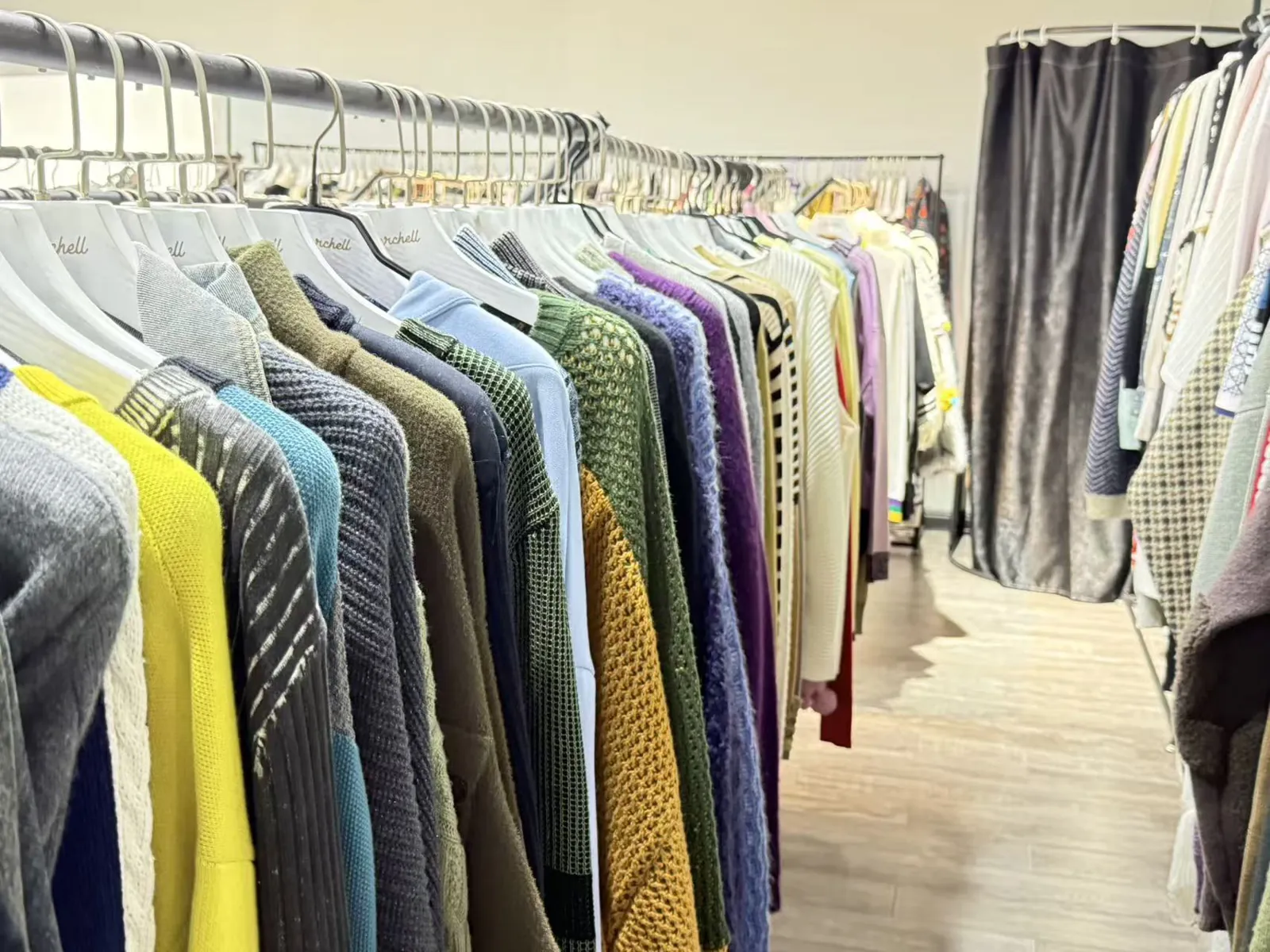
If you want custom knit sampling to move from idea to approval efficiently, the biggest decisions happen before the factory starts knitting. In most projects, delays do not come from the knitting process itself. They come from unclear choices about yarn, gauge, fit direction, and approval standards.
This article is for brand owners, wholesalers, distributors, procurement managers, and product developers who already have a sketch, a concept, or a reference image but need a clearer development path. From a factory perspective, the sample stage is not just about producing a first piece. It is where you test whether a design can become a commercially workable product with the right hand-feel, fit, cost logic, and production stability. If you are evaluating a long-term sweater manufacturing program, this is also the stage that shows whether a supplier can translate design intent into repeatable execution rather than only make a visually acceptable sample.
For buyers comparing suppliers, this matters even more when the target product is a custom made sweater rather than a standard stock style. The more original the design is, the more important it becomes to align technical details early, because sample revisions in knitwear often affect not only appearance but also MOQ, lead time, and bulk risk. That is one reason why many sourcing teams treat sample development as part of procurement judgment, not just product development.
What Should You Prepare Before Custom Knit Sampling?
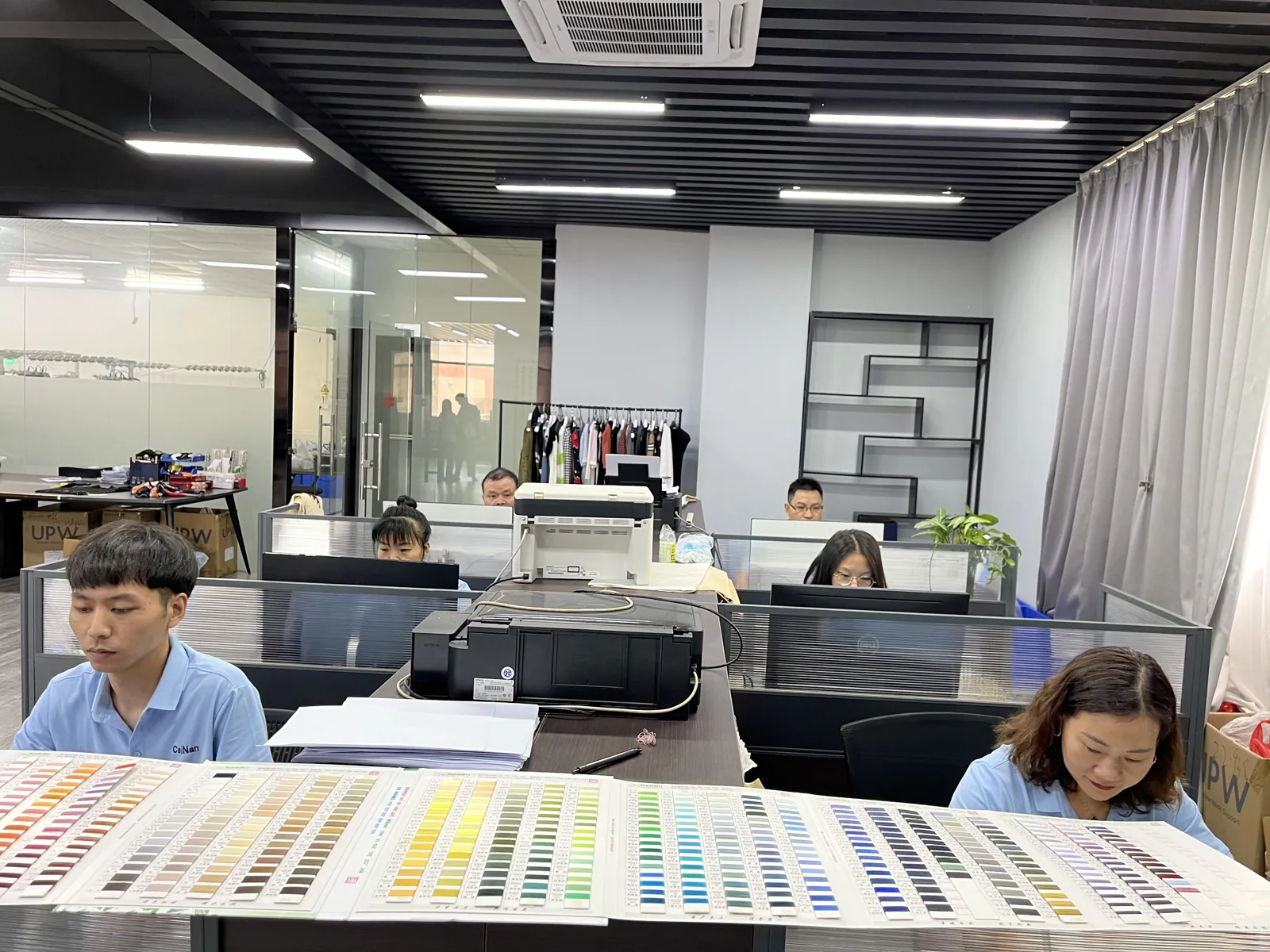
Custom knit sampling can start from a sketch, but a sketch alone rarely gives enough information for efficient development. The better starting point is a clear commercial brief that explains what the sweater is supposed to achieve in the market.
Start with the design intent, not just a sketch
A drawing can show neckline, body shape, and visual direction, but it usually does not define how the sweater should fit, how heavy it should feel, or what price range it needs to support. Before sampling begins, buyers should be clear about the target customer, season, silhouette, yarn feel, and whether the product is meant to look premium, commercial, trend-led, or cost-sensitive.
That early clarity affects nearly every technical choice. A relaxed brushed sweater for a fashion capsule and a clean fine-gauge crewneck for wholesale distribution may both begin as simple sketches, but they will require very different yarns, stitch structures, and finishing standards. In our sampling work, fit in knitwear is strongly affected by yarn behavior, stitch density, and finishing, so the design intent has to be defined before the sample can be judged properly.
Define yarn, gauge, and stitch direction early
In custom knit sampling, yarn, gauge, and stitch direction are not secondary details. They are what determine weight, elasticity, drape, recovery, and a large part of the final cost. Buyers sometimes focus first on the artwork or the silhouette, but in practice, the same design can look completely different depending on whether it is developed in a chunky gauge, a mid-gauge commercial structure, or a fine-gauge cleaner construction.
This is also where factory-side judgment matters. The production flow described in Sweater Factory Production Process Analysis makes it clear that yarn selection affects not only hand-feel but also dyeing method, density, supply planning, and downstream production efficiency. If a buyer wants stable lead time and fewer revisions, it is much better to discuss those technical variables before the first full sample is made.
If you do not have a full tech pack, prepare a lean brief during custom knit sampling
A full tech pack is ideal, but it is not always necessary to begin. Many workable projects start from a lean brief that includes reference images, approximate measurements, intended fit direction, preferred yarn feel, stitch references, trim notes, artwork placement if relevant, and target quantity.
That lean brief becomes more important when the project may later expand into custom knit development, because special structures and non-standard design elements are much harder to correct if the initial direction is vague. A buyer who does not yet have a full technical package can still reduce sample risk by being specific about what must not change, what can be adjusted, and where the commercial limits sit.
How Does a Factory Turn a Concept Into a Knit Sample?
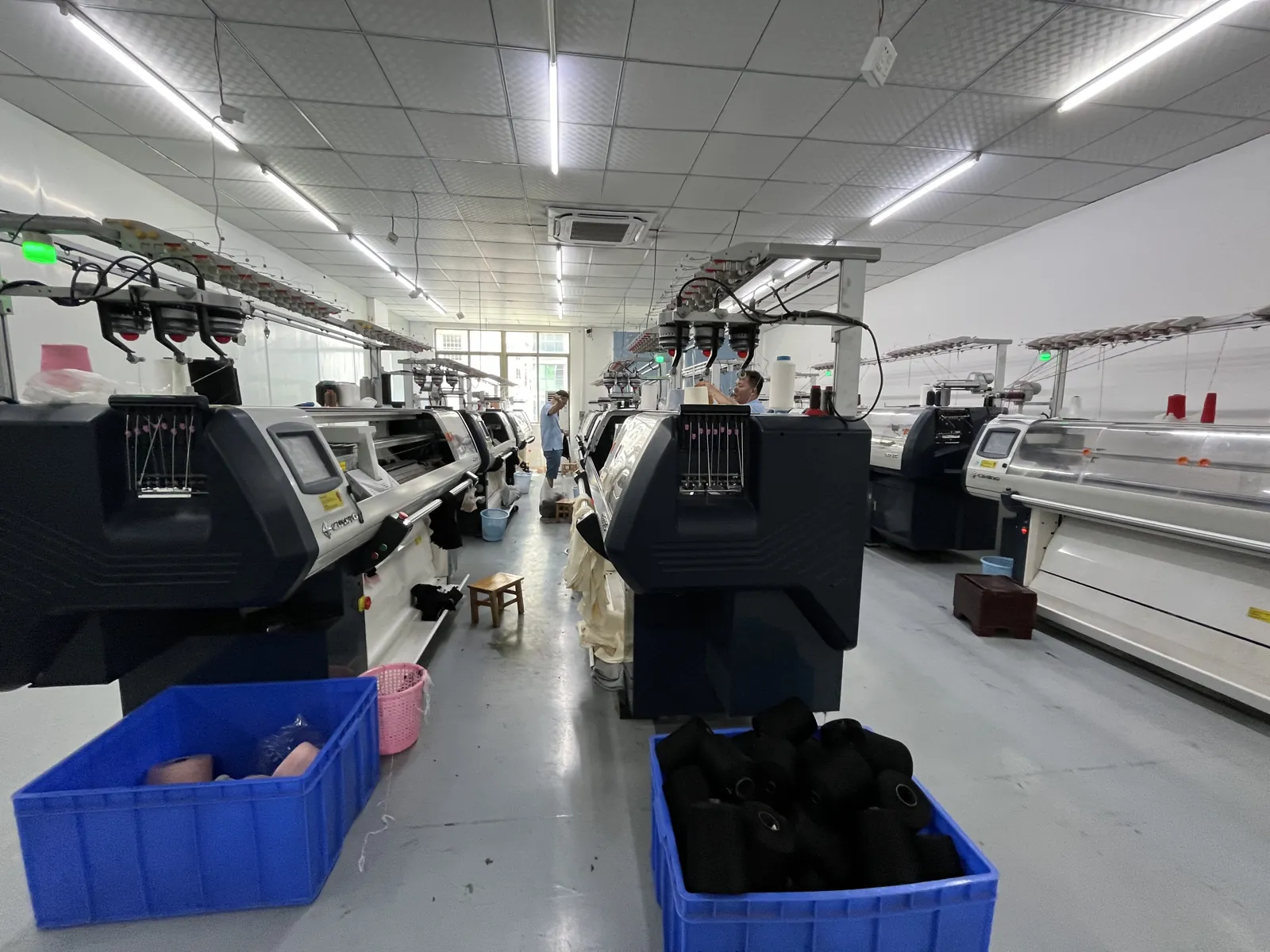
Custom knit sampling does not move directly from sketch to final sample in one clean step. In most successful projects, the process begins with yarn matching and stitch evaluation, then moves into technical planning and prototype development.
Yarn matching and swatch testing come before full sampling
Before custom knit sampling reaches a full sweater, the factory usually needs to check whether the proposed yarn and stitch direction can support the look the buyer wants. Swatches and small trials are useful because they reveal problems early. A yarn may feel right in theory but lack recovery. A stitch may look interesting in a picture but become too open, too heavy, or too unstable when knitted.
This is one of the most valuable stages for buyers because it keeps expensive corrections from moving too far downstream. If the surface definition is weak, the yarn blooms too much, or the structure distorts too easily, it is better to adjust at swatch level than after a full garment has already been made and shipped for review.
Gauge, stitch structure, and programming shape the first prototype during custom knit sampling
Once yarn direction is clearer, the development team translates the concept into a real knit structure. That means choosing gauge, planning the stitch, building the technical program, and deciding how the garment will be shaped and assembled. This is the point where a design stops being an idea and starts becoming a product.
An experienced OEM knitwear service will usually use this stage to flag trade-offs early. A buyer may want more texture, more softness, and a lower cost at the same time, but those goals do not always align. Good development is not about promising everything. It is about showing which construction choices support the business goal and which ones mainly create unnecessary risk.
Prototype, development sample, and PPS are not the same thing
Many buyers treat custom knit sampling as one stage, but in practice it covers different approval checkpoints. A prototype is mainly about feasibility. A development sample is closer to the intended commercial product. A pre-production sample, or PPS, is the reference version that bulk should follow.
| Stage | What the buyer should provide | What the factory should evaluate | Common risk | Approval point |
|---|---|---|---|---|
| Concept stage | Sketch, references, target fit, target price | Feasibility, yarn direction, gauge options | Design intent is too broad | Confirm development route |
| Prototype | Initial comments and key priorities | Shape, structure, machine compatibility | Looks acceptable flat but wrong on body | Confirm core corrections |
| Development sample | Revised specs, trims, color direction | Fit, hand-feel, workmanship, commercial viability | Too many issues remain open | Confirm sellable version |
| PPS | Final approved details and branding | Bulk consistency standard | Late changes create delay and mismatch | Freeze production standard |
When buyers treat these stages as separate decisions instead of one vague sample process, approvals become much more efficient and bulk planning becomes more reliable.
What Usually Goes Wrong Between Sketch and Sample?
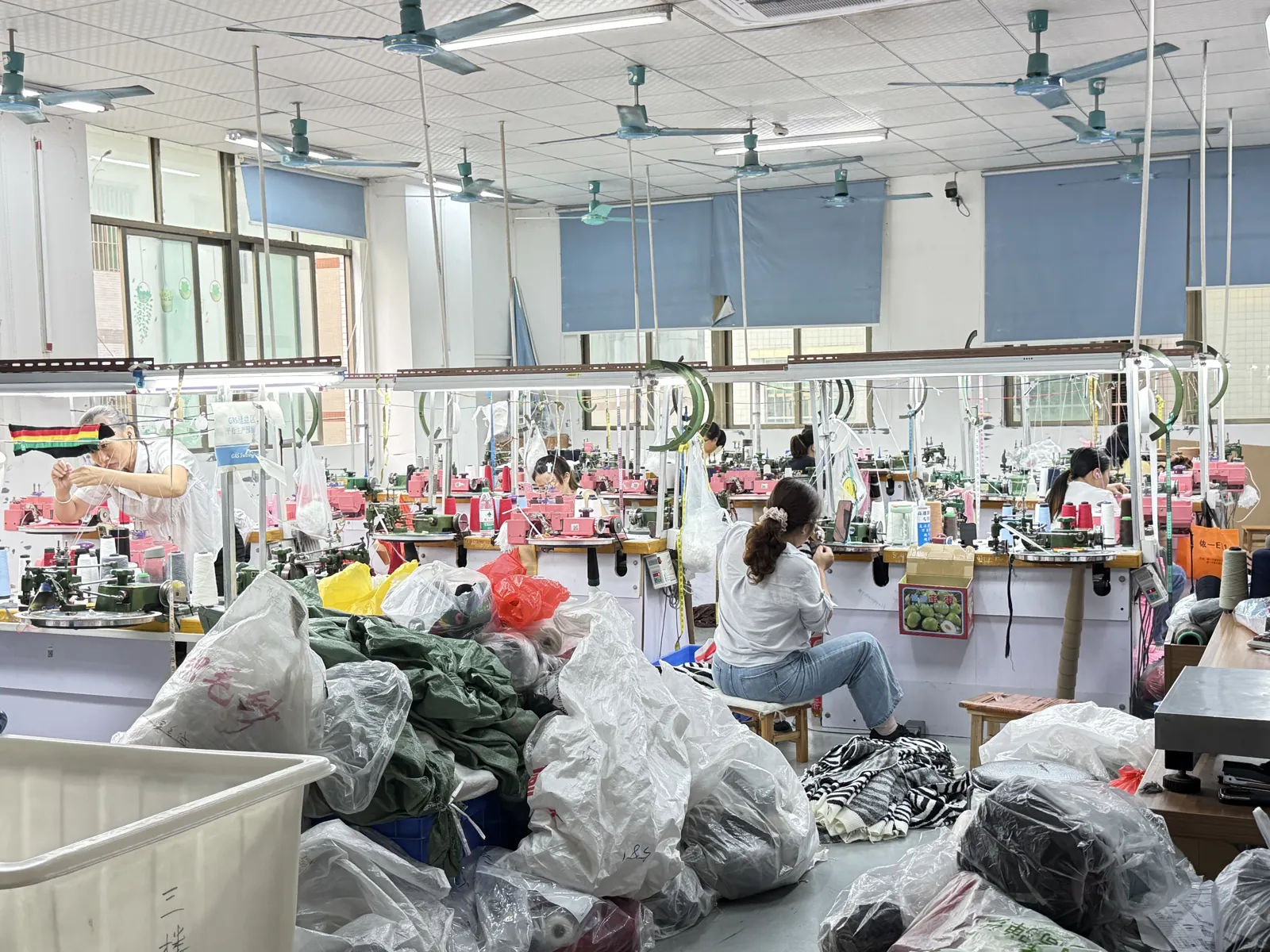
Most problems in custom knit sampling are not dramatic factory failures. They are usually mismatches between what the buyer imagines and what knitwear actually does in use.
The sample looks right on paper but wrong on body during custom knit sampling
Knitwear is dynamic. A sweater that seems correct on a spec sheet can still feel wrong once it is worn, washed, blocked, or measured after relaxation. Shoulder drop, sleeve drape, rib recovery, neckline opening, and hem balance can all shift more than a buyer expects.
That is why sample review should go beyond flat measurements. As noted in Sampling & Fit Development In Knitwear, knit garments can behave very differently depending on yarn composition, stitch density, and finishing conditions. From a factory perspective, the most useful buyer feedback is specific: the sleeve hangs too low, the neck opens too much, the rib does not recover well, or the body shortens too much after washing. Those are problems a development team can actually solve.
The stitch looks good but pushes cost or MOQ too high
Some design ideas are technically possible but commercially inefficient. A sweater may require a special yarn, a dense structure, a complicated jacquard, or a labor-heavy finish that drives up sample cost, MOQ expectations, or bulk timing. That does not mean the design should be rejected. It means the buyer should understand the trade-off clearly before approving the direction.
This becomes especially relevant when a brand plans to expand one knit concept across categories. A stitch idea that works on a pullover may behave differently on knitted cardigans where plackets, button lines, and shape retention introduce extra complexity. The right factory response in that situation is not to force the original idea unchanged, but to suggest a workable alternative that keeps the visual logic while improving production stability.
Trims, labels, and packaging are often decided too late
Another common issue is leaving trims and compliance details until the garment body already seems finished. Buyers often focus on silhouette and hand-feel first, then postpone labels, care content, hangtags, polybags, carton logic, or retail presentation until the final stage. That usually causes delay at PPS level.
This is avoidable. Because the FTC Care Labeling Rule for textile wearing apparel requires care instructions for most apparel sold in the U.S. market, label decisions should be aligned before bulk approval rather than treated as a minor afterthought. In B2B sourcing, small operational details often become the reason a project slows down at the very end.
How Many Custom Knit Sampling Rounds Are Needed Before Bulk?
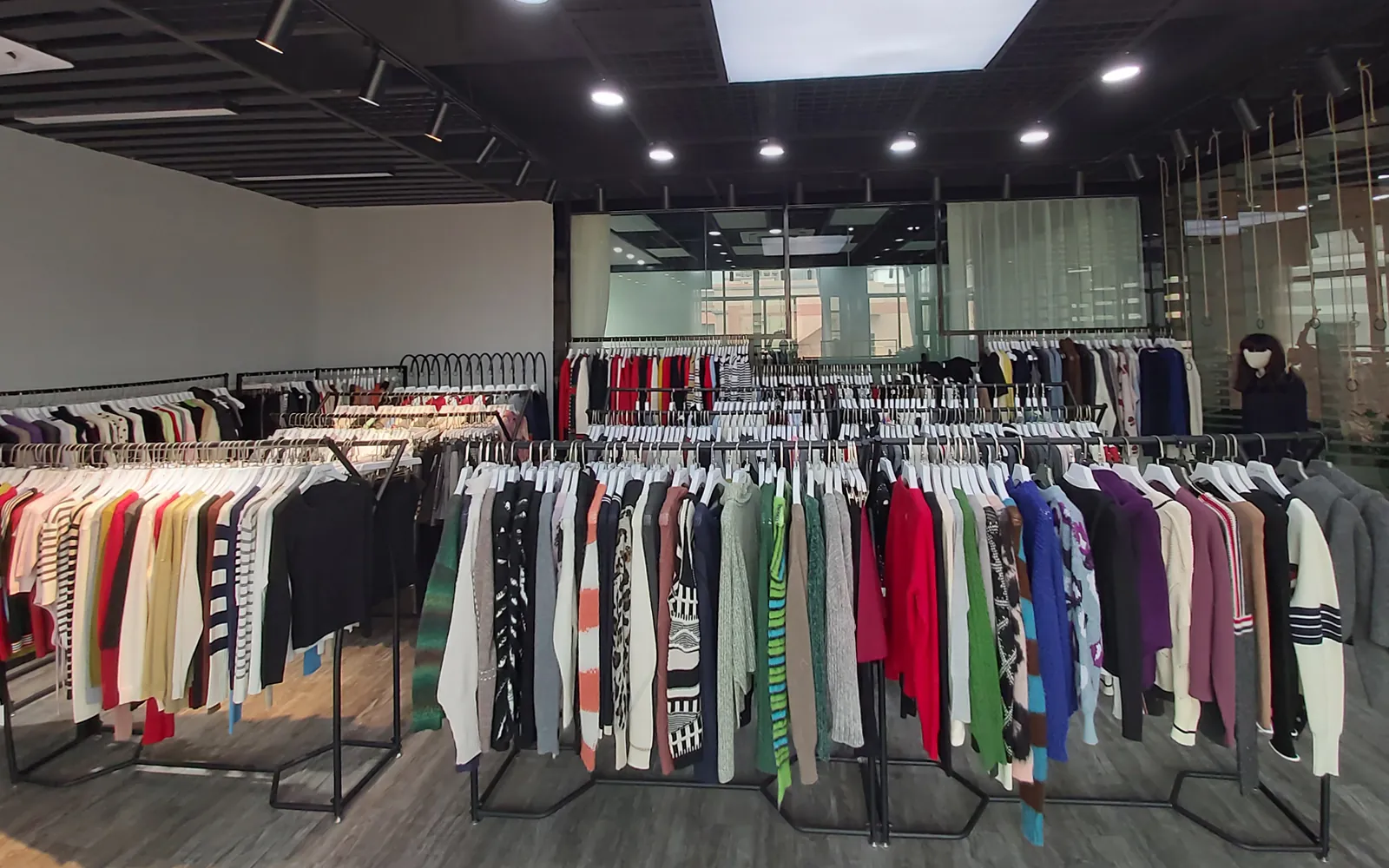
Most custom knit sweater programs do not go from sketch to bulk with one perfect sample. In many cases, two or three rounds are normal, not because the process is failing, but because knitwear development involves both technical correction and commercial refinement.
First sample: check shape, hand-feel, and construction logic
The first sample should answer the biggest structural questions. Is the overall silhouette going in the right direction? Does the yarn feel commercially suitable? Does the gauge support the intended look? Are the seams, rib, and proportions moving toward a workable result?
At this stage, buyers should avoid expecting showroom perfection. The first round is more useful as a diagnostic tool than as a final presentation piece. If the foundation is wrong, surface-level comments will not solve the underlying issue.
Second round: confirm fit corrections and commercial details
The second round is where the product usually becomes more commercially meaningful. Key fit corrections are applied, trims become clearer, and the buyer can judge whether the sweater is turning into something that can be sold and repeated in bulk. This is also where it helps to separate must-fix issues from optional refinements.
When the sample process becomes slow, it is often because buyers try to redesign the product entirely during round two. A more effective approach is to lock the core construction first and then refine the details without reopening every earlier decision.
PPS: freeze what bulk must follow during custom knit sampling
A PPS is not just another sample. It is the production reference. Once it is approved, the expectation is that bulk will follow it in fit, measurements, hand-feel, color direction, labeling, and visible workmanship. If a buyer continues making major structural changes after PPS, lead time becomes harder to control and bulk consistency becomes less predictable.
From a factory perspective, PPS approval is where creative discussion should end and production discipline should begin. That is the point where the sample stops being a development tool and starts becoming the standard for execution.
What Has the Biggest Impact on MOQ, Lead Time, and Sample Speed?
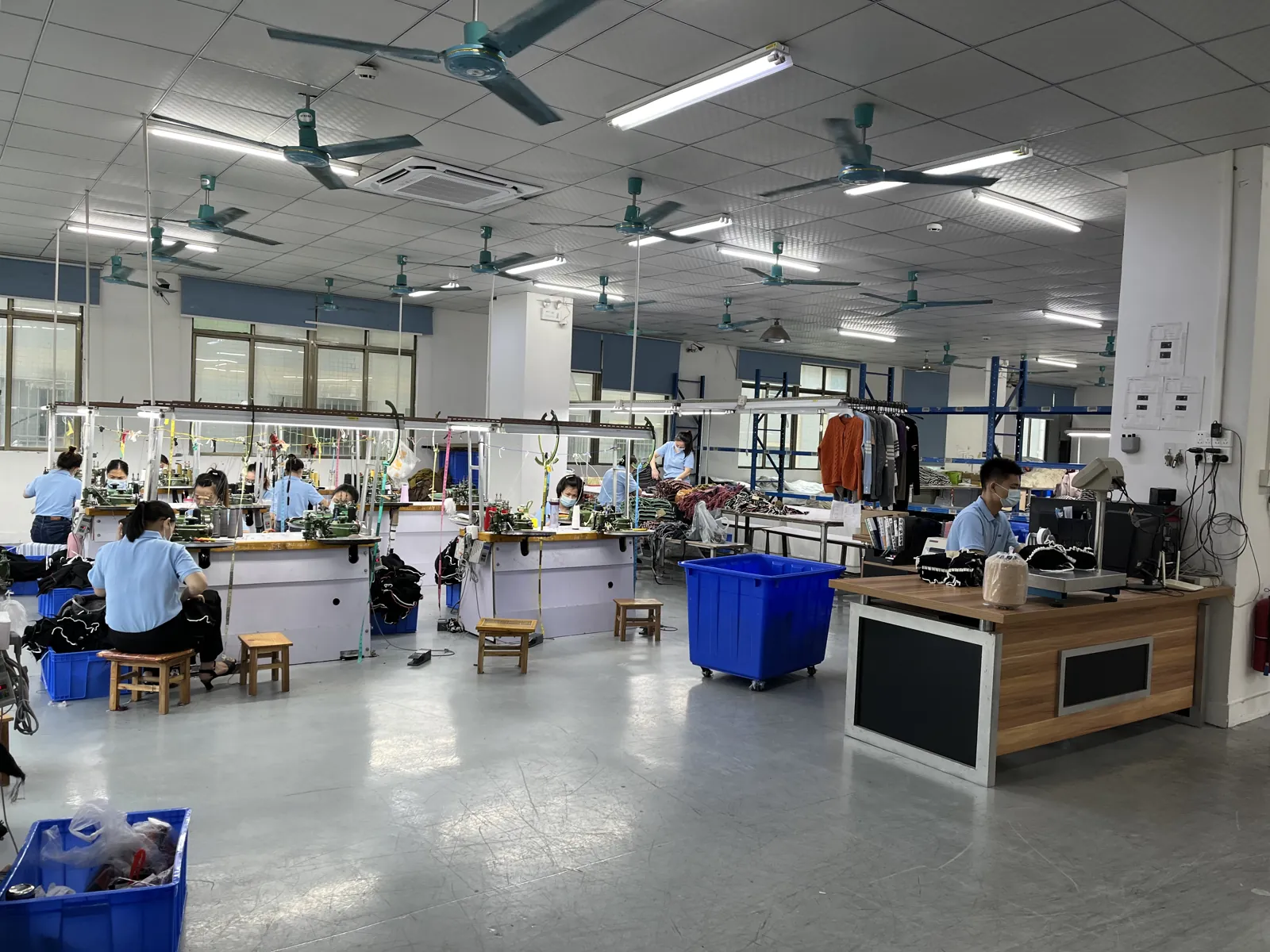
In custom knit sampling, MOQ, lead time, and sample timing are shaped by several variables at once. In knitwear, the biggest drivers are usually material availability, stitch complexity, approval speed, and seasonal production pressure.
Yarn availability and dyeing decisions during custom knit sampling
A sample moves faster when the yarn is already accessible and the color direction is realistic. The process slows when a project depends on custom dyeing, uncommon fibers, or materials with unstable supply. Even a simple style can become a slow program if the material path is uncertain.
That is why design planning and material planning should happen together. A concept that looks commercially strong on paper can still become difficult if the yarn choice does not support practical sourcing.
Stitch complexity and machine allocation
More complex structures often require more programming time, more development trials, and sometimes more careful machine scheduling. This is especially true when the visual goal depends on dense texture, large jacquards, or multiple technical details that have to perform well together.
For buyers sourcing wholesale knitted jumpers, the practical question is not whether the design is possible. It is whether the design is still efficient enough for the intended order size, repeatability, and margin structure. A strong development team helps answer that question early instead of waiting until quotation pressure appears.
Peak season timing and shipping planning
Timing also matters. During peak sweater seasons, yarn booking, machine capacity, and bulk scheduling all become tighter. That means a project approved late may still be technically feasible, but the lead time or freight cost may no longer match the original plan.
If shipping responsibility is still unclear while the order is being planned, the International Trade Administration’s guide to Know Your Incoterms is a useful reminder that delivery terms affect both cost visibility and risk allocation, so freight decisions should be aligned before the final production schedule is locked.
How Buyers Can Make Sample Approval Faster and Safer
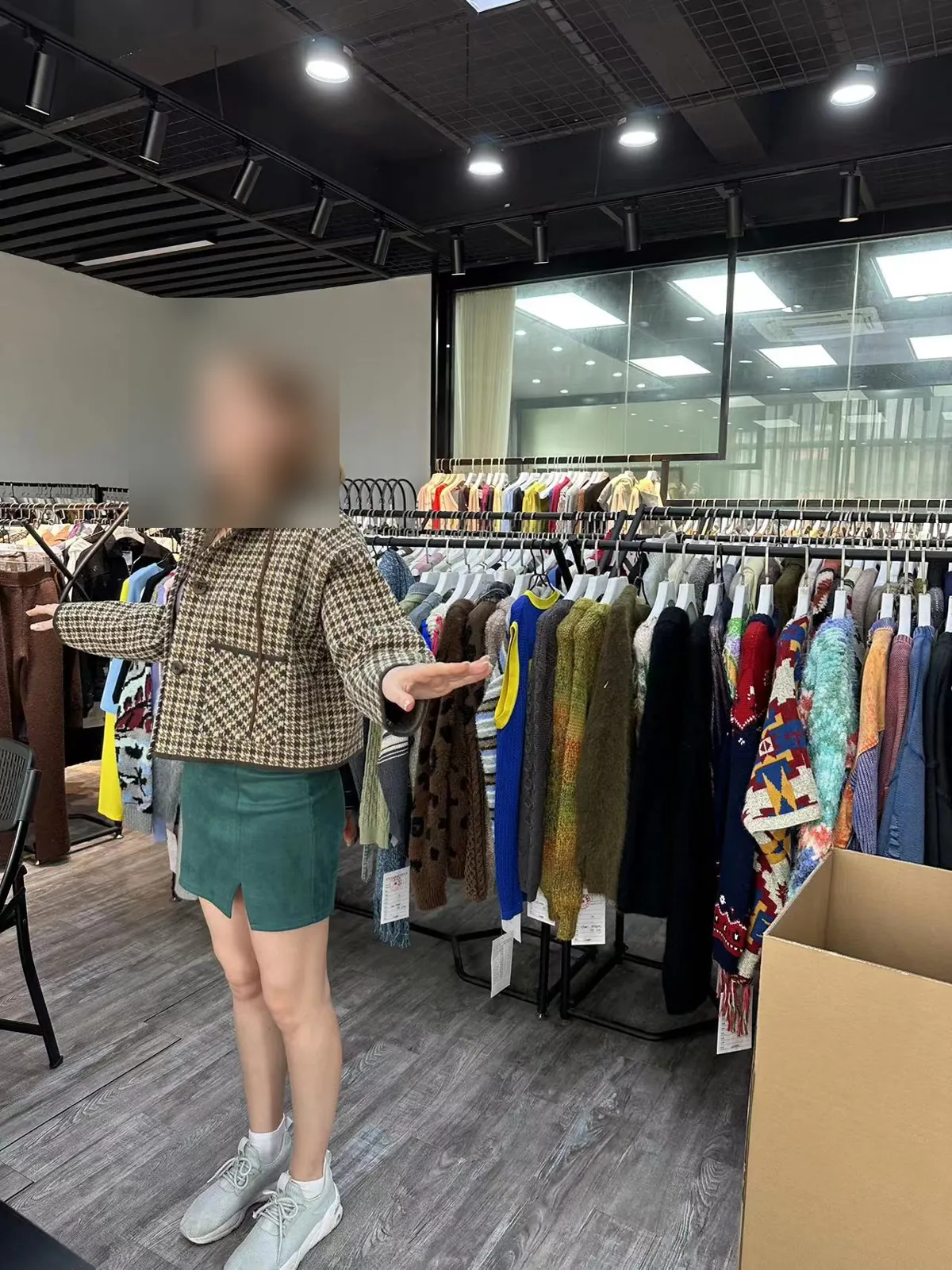
The fastest way to improve custom knit sampling is not to push for speed in general terms. It is to make each decision sharper and each approval more disciplined.
Send clearer feedback after each sample round during custom knit sampling
Good feedback is specific, visual, and prioritized. A buyer should note which measurements need correction, which part of the fit feels off, whether the issue is related to yarn feel or stitch definition, and which comments are most important for the next round. Photos with clear notes are usually more useful than broad statements because they give the development team a practical correction target.
Separate must-fix issues from nice-to-have changes
Not every idea deserves another sample round. Buyers should distinguish between issues that block bulk approval and details that would only be a stylistic improvement. That separation protects both time and budget. In most projects, the sample process becomes inefficient when too many secondary changes are treated as essential.
Confirm the bulk standard before placing the PO
Before the order is placed, confirm the exact production standard: approved sample version, measurements, tolerances, color direction, labels, packaging method, and quality checkpoints. Once those points are aligned, the factory can move into production with much more confidence and the buyer can make decisions with fewer hidden risks.
Conclusion
Developing custom knit sweaters from sketch to sample is not just a creative step. It is a commercial filtering process that shows whether the product can achieve the right fit, hand-feel, cost logic, and production stability at the same time. When yarn direction, gauge, construction, and approval checkpoints are aligned early, the sample stage becomes far more useful and far less wasteful.
For buyers, the practical takeaway is simple: treat the first sample as a tool for decision-making, not as a formality. If you already have sketches, reference images, or an early spec direction, discussing them with our knitwear manufacturing team at the beginning of the project makes it much easier to identify risks early, reduce unnecessary revisions, and build a sample that is genuinely ready to guide bulk production.
FAQ
Can a Factory Start Custom Knit Sampling from a Sketch Alone?
Yes, but the process is usually faster and more accurate when the sketch is supported by reference images, fit direction, approximate measurements, and yarn or stitch preferences. A sketch shows style intent, but it rarely explains enough technical detail for smooth sampling.
How many sample rounds are normal before bulk production?
For many projects, two to three rounds are realistic. A very simple style with clear specifications may need fewer corrections, but most knitwear programs require at least one meaningful revision before PPS approval.
What information helps reduce sample revisions?
The most useful inputs are target fit direction, approximate measurements, reference garments, yarn feel preference, stitch references, trim details, and target price expectations. Clear and prioritized feedback after each sample round is just as important as the starting brief.
Why does knitwear fit change after washing or blocking during custom knit sampling?
Knitwear reacts to fiber content, stitch density, tension, and finishing. A sweater can shift in drape, width, length, and recovery after washing or blocking, which is why sample review should include real fit judgment rather than only flat measurement checks.
What usually increases MOQ or delays lead time in sweater sampling?
Custom-dyed yarns, complex stitch structures, difficult trims, late approval changes, and peak-season scheduling are among the most common reasons. In many cases, the delay comes less from knitting itself and more from the decisions surrounding materials and approvals.