 CN Sweaters

A strong wholesale knitted sweaters program is built on a small number of repeatable core styles, not on a long catalogue that changes every season. Buyers who commit to a tight core range protect their margins, keep their yarn supply stable, and avoid losing fit and handfeel between production runs. From a factory perspective, the accounts that grow steadily are usually the ones that come back with the same tech pack, the same yarn, and the same approved sample twice or three times a year, rather than rebuilding the whole assortment each season.
The risk of skipping this discipline is concrete. Sampling costs creep up. SKUs scatter across too many silhouettes. Yarn lots are discontinued before a reorder lands. Patterns are slightly re-graded by a new development team and the fit shifts. Color standards drift between dye lots. The result is a wholesale program that looks broad on paper but is hard to refill and harder to defend on quality. Building core styles is the discipline that prevents these problems before they happen.
This piece focuses on the decisions buyers actually face when shaping a long-running wholesale knitted sweaters range: which categories to anchor, how to lock yarn and gauge, how to plan colors and sizes for refill, and how to set the standards that knitwear manufacturers will follow when the second and third orders arrive.
Why Core Styles Matter in a Wholesale Knitted Sweaters Range
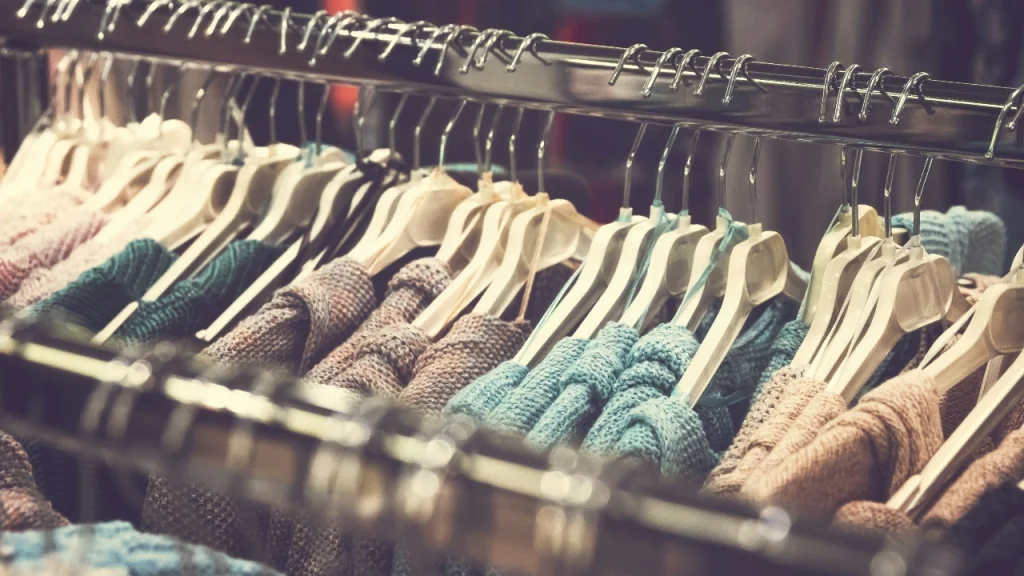
Core styles matter because they convert a one-off purchase order into a repeatable production program. Without them, every season behaves like a new project, and almost none of the cost or quality benefits of repeat manufacturing carry over.
A core style is one you intend to sell, refill, and reorder for at least two to three seasons in the same yarn, gauge, and pattern. Around that core, seasonal updates can change color, trim, or graphic, while the construction stays stable. This separation between stable bones and seasonal skin is what allows a wholesale jumper line to scale without chaos in the factory.
Cost, sampling, and inventory benefits
Production budgeting research from sources such as the Maker’s Row guide to production budgeting consistently shows that sampling, pattern development, and grading are front-loaded costs. When a style is reused for several seasons, those costs are amortized across more units, and the per-piece development cost drops sharply. For B2B buyers, that means a higher gross margin without raising retail prices.
Stable core styles also reduce inventory risk. Refill quantities can be planned against actual sell-through rather than fresh forecasts, and slow-moving SKUs can be retired without disturbing the rest of the line.
Risk of treating every season as a new development
When every basic knit sweater is redesigned, three problems compound. Yarn suppliers may not hold the same shade card across years. Pattern makers re-interpret the previous block and fit drifts. And small process changes, such as a different linking machine or a new finishing wash, alter the handfeel in ways that buyers notice but cannot easily document. A clear core program removes most of these moving parts.
Which Knit Sweater Categories Work Best as Core Styles?
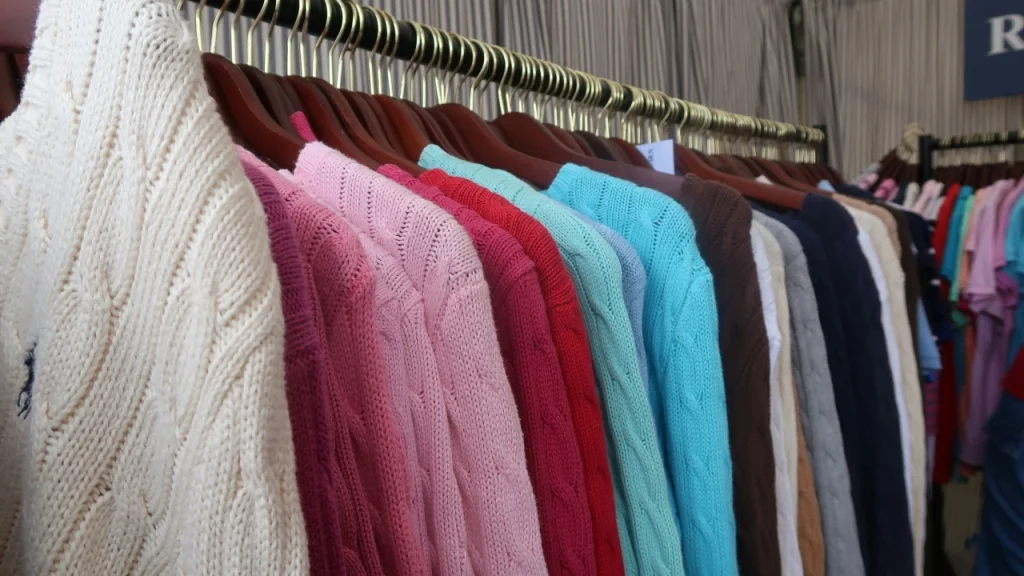
The categories that perform best as core styles are the ones with stable demand, broad size and color tolerance, and construction that holds up across reorders. In practice that means a short list of silhouettes pulled from any standard knit sweater and pullover range, supported by complementary cardigan and zip knit options and a few vest or quarter-zip pieces.
Basics, classics, and structured staples
Most successful wholesale programs anchor on basic knit sweater shapes, classic knitwear constructions, and one or two structured staples such as a classic cable knit sweater. Crewneck pullovers, V-neck pullovers, full-button cardigans, half-zip and quarter-zip knit sweaters, knitted vests, and knit cardigans in standard gauges tend to remain commercially relevant year after year. They are simple enough to color-extend, and they fit a wide buyer base from department-store private label to independent boutiques.
Trend-driven shapes, oversized statement knits, or complex intarsia pieces can still be developed, but they should sit outside the core. Treat them as seasonal layers that ride on top of a stable basic knitwear foundation.
A simple way to map core versus seasonal styles
The table below shows how we typically advise buyers to structure a starter core range for wholesale knitted sweaters across an apparel year. It is a working model, not a prescription, and the exact mix depends on target market and price tier.
| Style Category | Suggested Role | Typical Yarn Direction | Reorder Behavior |
|---|---|---|---|
| Basic crew or V-neck pullover | Year-round core | Cotton blend or merino blend | Two to three refills per year |
| Full-button cardigan | Core with seasonal color drops | Wool blend or acrylic blend | One main season plus refill |
| Half-zip or quarter-zip knit | Core for transitional months | Cotton-rich or wool blend | One to two refills per year |
| Classic cable knit sweater | Anchor classic | Wool or wool blend | Strong autumn and winter refill |
| Knitted vest | Layering core | Cotton or wool blend | One to two refills per year |
| Fashion or statement knit | Seasonal only | Varies | Usually single-season |
The pattern is consistent: most of the volume sits in four to six core styles, while fashion items rotate around them. This keeps the development load on the factory predictable and the buyer’s open-to-buy disciplined.
How Should Buyers Lock Yarn, Gauge, and Construction for Repeat Orders?
Buyers should lock yarn composition, yarn count, gauge, and construction details at the confirmation sample stage and treat that record as the master reference for every refill. If those four parameters are not nailed down in writing, the next order will not feel like the last one, regardless of how careful the factory is.
Yarn composition, count, and gauge
The fiber blend, yarn count, and number of plies define the weight, drape, and warmth of the finished sweater. The machine gauge then controls how dense or open the fabric looks. The CottonWorks knit basics overview explains how stitch structure and gauge interact to shape the final fabric, and that interaction is exactly what buyers need to control across reorders.
For core wholesale knitted sweaters we recommend documenting:
- Fiber blend and percentage, plus an approved alternative if the primary yarn is discontinued.
- Yarn count and ply, with the spinner name kept in the factory record.
- Machine gauge, typically expressed in needles per inch.
- Target finished weight per garment in a reference size.
Construction details that affect handfeel
Beyond the yarn and gauge, several construction decisions quietly shape how a sweater feels on the body. Rib depth at hem and cuff, neckline finish, shoulder construction, panel linking, and finishing wash all influence both appearance and durability. The Maker’s Row apparel manufacturing process guide and the CottonWorks guide to designing knit textiles both stress how small construction choices accumulate across the production line.
We keep these decisions inside the confirmation sample record, attached to the size set. Once the buyer signs off, that record becomes the standard we knit against for every future refill on that style.
Building the Right Color, Size, and Packaging Plan
A core wholesale knitted sweaters program should run on a deliberately narrow color palette, a controlled size range, and a fixed packaging method. Trying to support too many colors or too many sizes is the single fastest way to lose the economic advantage of a core range.
Color palette and size range
We typically advise buyers to define two color tiers. The first is a permanent palette of three to six shades attached to every core style and rebuilt against the same Pantone or factory color standard every season. The second is a seasonal palette of two to four shades that rotate. Permanent colors should be chosen for broad commercial appeal, not novelty, and the lab dip and bulk color standards should be archived for at least two years.
Size range needs the same discipline. Most wholesale programs run XS to XXL with a single fit block per silhouette. Adding extended sizes is possible but should be planned at the start of the program, because re-grading later usually introduces small but visible fit changes.
Packaging, labeling, and target price
Packaging affects both presentation and shipping cost. A consistent polybag size, hangtag template, and care label layout reduces both factory error and customs questions. Where private label rules apply, fiber content and country of origin information must follow the destination market regulations rather than being copied from the previous order.
Target price should be locked against a specific yarn cost band. When yarn moves significantly, we recommend renegotiating openly rather than quietly downgrading the yarn, because silent substitutions are the most common cause of refill complaints in custom knit sweaters and custom knitwear programs.
How Do Knitwear Manufacturers Keep Reorder Quality Consistent?
Knitwear manufacturers keep reorder quality consistent through a documented confirmation sample, a stable production team, and a clear inspection plan that follows the same checkpoints from one order to the next. None of these are dramatic actions individually, but together they are what hold the standard.
Confirmation samples and master records
Every core style should have a sealed confirmation sample, a complete tech pack, a graded size table, the approved yarn card, color standards, washing and finishing notes, and a quality record from the previous bulk run. The factory keeps one set and the buyer keeps the other. When the next refill begins, both sides compare the new pre-production sample against this archive before any bulk knitting starts.
For OEM and ODM knitwear development programs, this archive also helps us assign the same knitting and linking teams to repeat styles, which preserves small details that are difficult to specify in writing.
Inspection and quality control during refills
Third-party inspection adds an additional layer of consistency, especially for buyers managing several factories. Reference standards such as the Intertek textile and apparel inspection program describe how in-process and final inspection checkpoints can be applied to apparel orders. The same logic applies on the factory side. We recommend an in-line check at panel knitting, a mid-production check at linking and finishing, and a final AQL inspection before packing. For B2B buyers this matters because catching a defect mid-production is far cheaper than rejecting a finished container.
Our internal quality control workflow for knitwear follows this same checkpoint structure for repeat wholesale knitted sweaters orders.
Managing MOQ, Lead Time, and Reorder Risk
MOQ, lead time, and reorder risk should be planned at program level, not at single-order level. Treating each PO as an isolated negotiation usually pushes buyers into worse terms than treating the program as a relationship with predictable volume.
MOQ planning across a core range
MOQ on bulk knit sweaters typically scales with style complexity, yarn availability, and color count. As a rough working range, simple basic knitwear in stock yarns can start at a few hundred pieces per color, while complex jacquards or custom-dyed yarns often need higher minimums to be commercially viable. Buyers planning a refill program should aggregate forecast across the year rather than committing only to the first PO, because that aggregated view usually unlocks better MOQ terms across the full knitwear product range.
Our public MOQ and lead time reference for knitwear gives indicative ranges, but the workable number always depends on the final yarn, gauge, and color plan.
Lead time, refill timing, and shipping risk
Lead time for wholesale knitted sweaters generally splits into yarn preparation, knitting, linking, finishing, and inspection. Each stage can be shortened slightly but not eliminated. For refill orders on a confirmed core style, the development and approval stages are already done, so the realistic lead time is usually shorter than the original sample-to-bulk cycle. That said, peak season capacity, holidays, and shipping schedules add real variability, and buyers should keep a buffer.
For B2B buyers, the practical implication is to place refill orders against forecast rather than against current inventory levels. Waiting until stock is low before reordering is the most common reason refill orders miss their selling window, regardless of how stable the factory’s production calendar is.
Conclusion
A repeatable wholesale knitted sweaters program is built deliberately. It starts with a short list of core styles, locks yarn, gauge, and construction at confirmation, plans colors and sizes for refill rather than novelty, and uses documented inspection checkpoints to hold quality across reorders. Each of these steps is unglamorous on its own, but together they protect margin, fit, and customer trust over multiple seasons.
For buyers and private label teams ready to formalize a core range, the most useful next step is to share your target market, preferred sweater categories, target price range, yarn requirements, gauge, color plan, size range, initial order quantity, and expected reorder volume so a repeatable wholesale knitted sweater program can be reviewed end to end. You can start that conversation through our knitwear OEM and ODM development team, and we will work back from your reorder plan to the right MOQ, lead time, and quality standard.
FAQ
What is a sensible MOQ to start a core wholesale knitted sweaters program? For most basic knit sweater and knit cardigan styles in stock yarns, starting MOQs commonly sit in the low hundreds per color, with total order quantities scaling across two to four colors per style. Custom-dyed yarns, complex cables, or specialty fibers usually require higher minimums to be commercially workable. The exact figure depends on yarn availability, gauge, and color count, so we recommend confirming MOQ only after the yarn and color plan are locked.
How long does sampling and bulk production usually take for a new core style? Initial sampling for a new wholesale jumper or knit cardigan typically takes several weeks, covering yarn sourcing, knit-down approval, fit sample, and color matching. Bulk production after sample approval usually takes several additional weeks, depending on quantity, gauge, and finishing requirements. Refill orders on already-approved core styles are generally faster, because development is complete and only production capacity needs to be scheduled.
How do we make sure the refill order feels the same as the first one? The most reliable method is to keep a sealed confirmation sample, the approved yarn card, the size set, the color standards, and the previous quality report on file with both the buyer and the factory. Every pre-production sample for a refill is checked against this archive before bulk starts. Locking yarn supplier, gauge, and finishing also reduces the small handfeel drift that buyers usually notice first.
What should be included in a tech pack for custom knit sweaters and custom knitwear? A workable tech pack covers fiber content and percentage, yarn count and ply, machine gauge, stitch and construction details, finished measurements with tolerances across the full size range, trim and label placement, packaging specification, and any required care or compliance labeling for the destination market. Including reference photos of similar approved samples helps reduce interpretation gaps during development.
When should buyers plan refill orders to avoid stockouts? Refill orders should be placed against forecast, not against current stock levels. As a working guideline, planning the next refill order while the previous shipment is still selling through gives enough lead time to cover production, inspection, and ocean freight without missing the selling window. For seasonal styles like a classic cable knit sweater, refill timing should also account for peak-season factory capacity.