 CN Sweaters
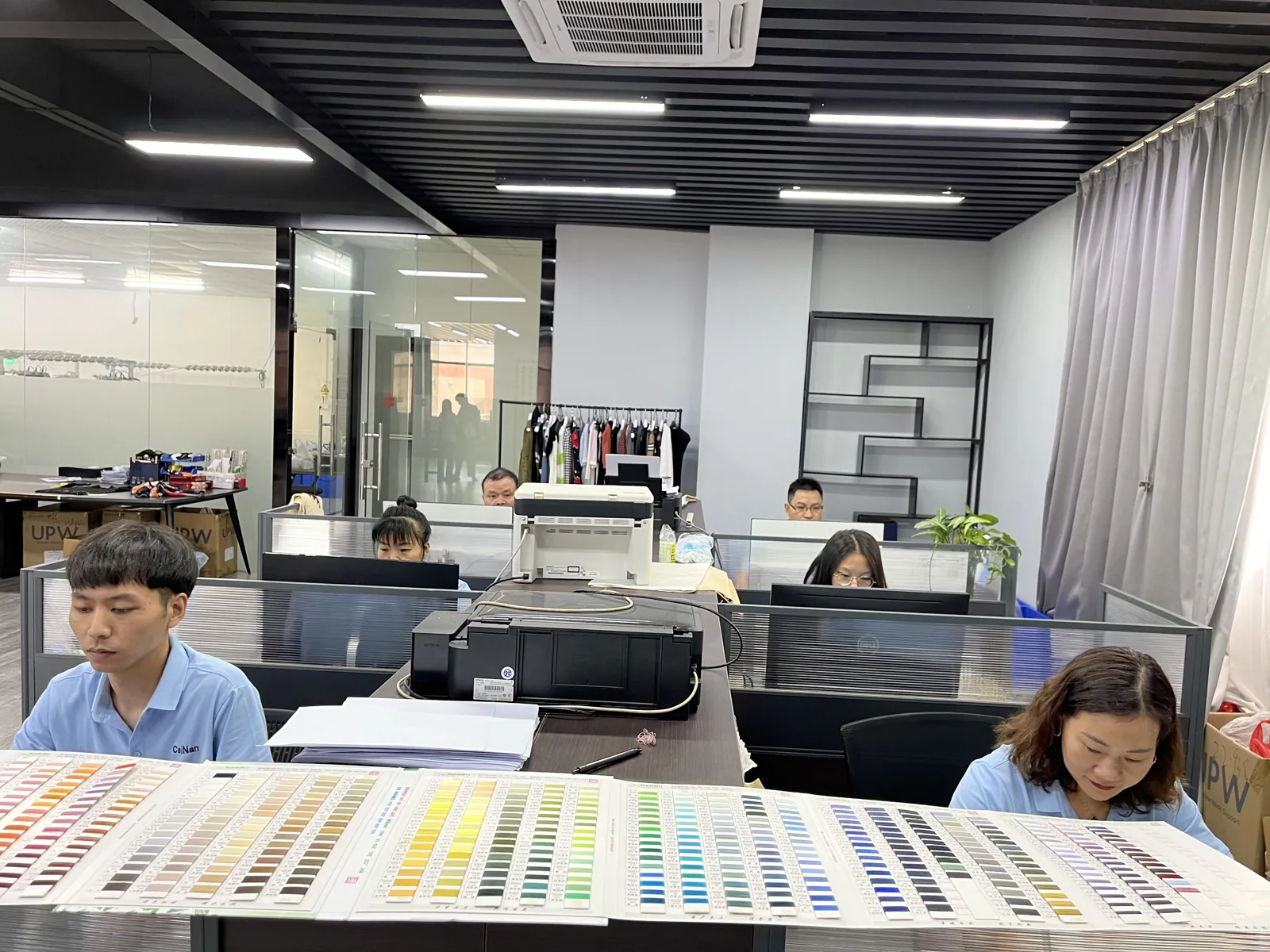
Not every knitwear fabric should play the same role in a collection. If you are building a wholesale ladies knitwear catalog that needs to sell across different price points, seasons, and buyer profiles, the strongest approach is usually a balanced fabric mix rather than a single-fiber strategy.
From a factory perspective, the best fabric is not simply the softest or the most expensive one. It is the one that matches the silhouette, target margin, reorder plan, and expected wear performance of the product. That is especially true when your line includes core sweaters, commercial cardigans, and more shape-sensitive ladies knitted dress styles.
| Fabric / Blend | Best For | Price Level | Main Strength | Main Risk | Best Buyer Scenario |
|---|---|---|---|---|---|
| Merino wool | Premium sweaters, refined cardigans | Mid-high to high | Natural warmth, elasticity, better hand-feel | Cost pressure, pilling control | Brands selling elevated core styles |
| Cotton or cotton-rich blends | Transitional sweaters, broad-volume basics | Low-mid to mid | Breathability, commercial versatility | Less warmth, some structures can feel flat | Buyers needing wider seasonal coverage |
| Viscose blends | Dresses, drapey jumpers, feminine silhouettes | Mid | Soft drape, smooth surface | Elongation and recovery must be managed | Buyers adding ladies knitted dress programs |
| Cashmere blends | Premium capsules, hero pieces | High | Luxury perception, soft handle | Margin pressure, more careful care positioning | Buyers testing upscale capsules |
| Acrylic or commercial blends | Price-sensitive programs, color-rich basics | Low to mid | Cost control, easier commercial pricing | Cheap look if yarn choice is weak | Wholesalers and distributors needing range width |
Merino Wool for Premium Ladies Knitwear
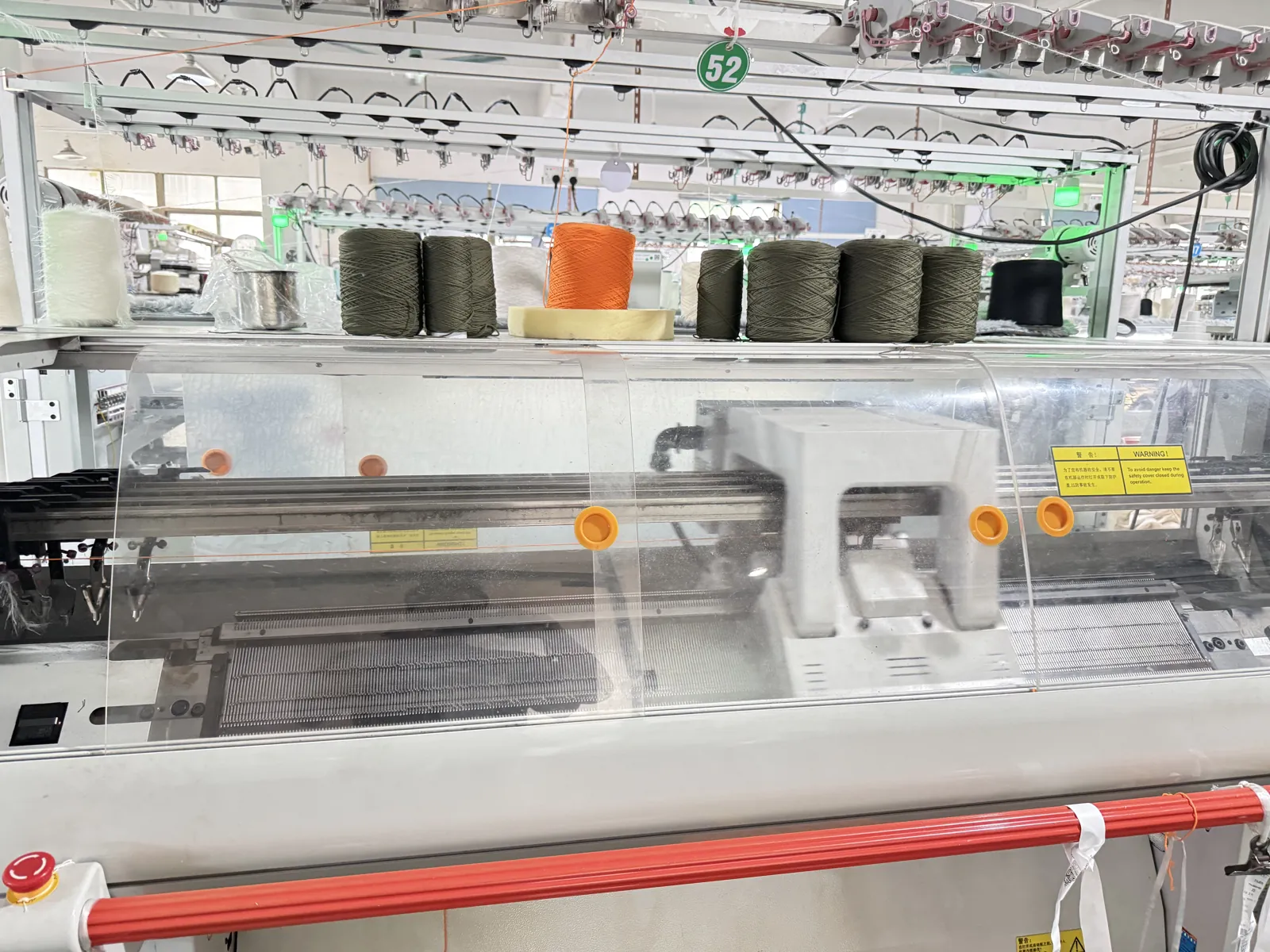
Merino is one of the safest ways to make a knitwear line look more premium without moving into a fully luxury pricing structure. It works especially well for refined pullovers, better-quality basics, and cleaner knitted cardigans where hand-feel and shape recovery matter.
One reason merino remains important is that it supports both comfort and perceived value. According to The Woolmark Company’s guidance on merino wool, merino is known for breathability, moisture management, elasticity, and temperature regulation. For a buyer, that matters because customers do not only touch a sweater once on a hanger. They wear it, layer it, and judge whether it keeps its shape after real use.
Why Merino Works for Ladies Knitwear Sweaters and Cardigans
Merino is particularly effective in styles where surface cleanliness and touch are part of the product story. Fine-gauge pullovers, feminine crewnecks, and more polished cardigan programs often benefit from merino because the yarn can support a cleaner finish than many low-cost commercial blends.
This does not mean every women’s knit program should be merino-heavy. It means merino is often the right choice for the styles that define quality perception in your catalog. If a buyer opens your line sheet and sees a few well-developed merino core pieces, the whole collection usually feels stronger.
Where Merino Adds Value to Ladies Knitwear
Merino adds value most clearly when the garment is meant to feel premium on first touch and hold that position at retail. It is a good fit for better wholesale sweaters and selected cardigans where the customer expects warmth without bulk.
The pressure point is cost. Merino programs can become harder to scale when target prices are tight, color count is very broad, or replenishment needs to move fast during peak season. Buyers also need to think beyond yarn price. A premium fiber only works commercially when the final silhouette, gauge, and finishing justify the step-up.
MOQ, Lead Time, and Pilling Checks for Ladies Knitwear
From a sourcing angle, merino usually requires earlier alignment on yarn selection, gauge, and sample approval. If the project starts late, the premium story can quickly turn into a lead-time problem.
Buyers should also ask direct questions about pilling expectations, wash handling, and how the supplier controls bulk consistency. Premium fiber does not remove risk by itself. It only gives you a better starting point if the factory also manages knitting tension, linking quality, and final finishing well.
Cotton Blends for Trans-Seasonal Ladies Knitwear
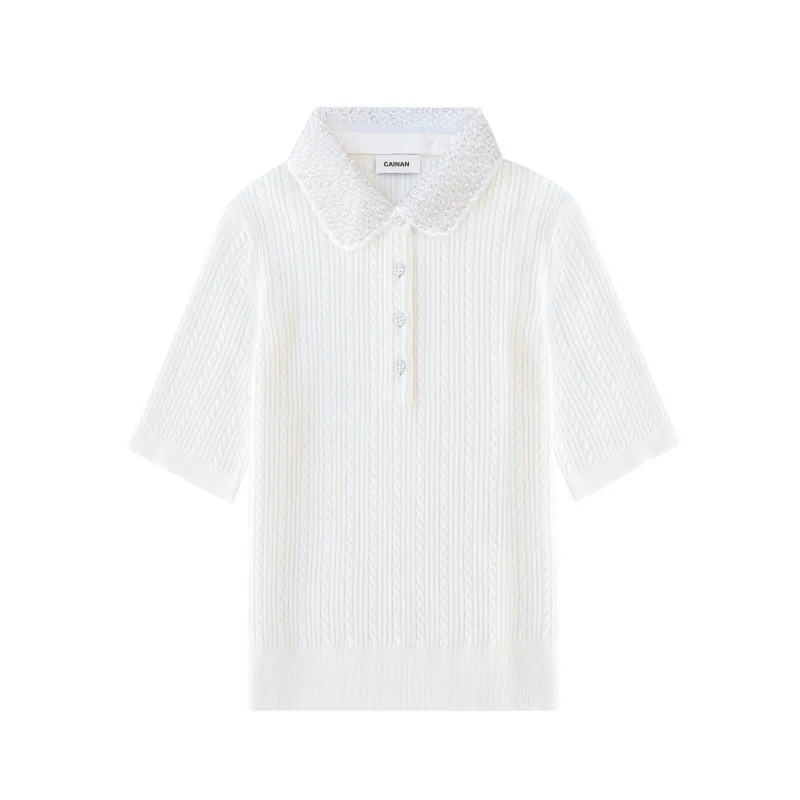
If merino helps elevate a knitwear line, cotton helps broaden it. For many buyers, cotton or cotton-rich blends are essential because they make a catalog more commercial, more seasonally flexible, and easier to place across different markets.
That is especially useful when the line needs to cover lighter sweaters, early autumn deliveries, spring programs, or regions where heavy winter knitwear moves more slowly. CottonToday highlights cotton’s breathable nature, while CottonWorks points to durability engineering as a practical performance advantage. Those qualities make cotton a strong commercial fiber, not just a basic one.
Why cotton helps broaden a ladies knitwear catalog
Cotton gives buyers room to build entry points, mid-level basics, and transitional items without pushing the whole collection into a cold-weather position. That makes it useful for broader wholesale ladies knitwear assortments, especially when buyers serve multiple regions or mixed retail calendars.
It also helps when the catalog needs to feel less winter-specific. A line made only of wool-based products may look too narrow. Cotton-rich pieces create breathing space in both pricing and seasonality.
Which silhouettes work best in cotton or strong-twist cotton
Cotton performs best when the style does not rely too heavily on lofty warmth or fuzzy softness. It is a strong option for cleaner pullovers, practical cardigan shapes, lighter rib programs, and some neat-gauge basics where stability matters more than plushness.
In dresses, cotton can work too, but only in the right silhouette. If the goal is a more structured or straighter line, cotton may be useful. If the buyer wants fluid drape, it is usually not the first choice.
Why cotton is often easier for repeat orders and broader size runs
Commercially, cotton-rich programs are often easier to repeat because they can support broader market acceptance. Buyers selling into wholesale channels usually value that stability more than fiber romance.
Cotton is also practical when a style is expected to run across a wide size range or sit in the line for more than one season. It may not create the most luxurious hand-feel in the room, but it often creates a more durable business case.
Viscose Blends for Ladies Knitwear Dresses
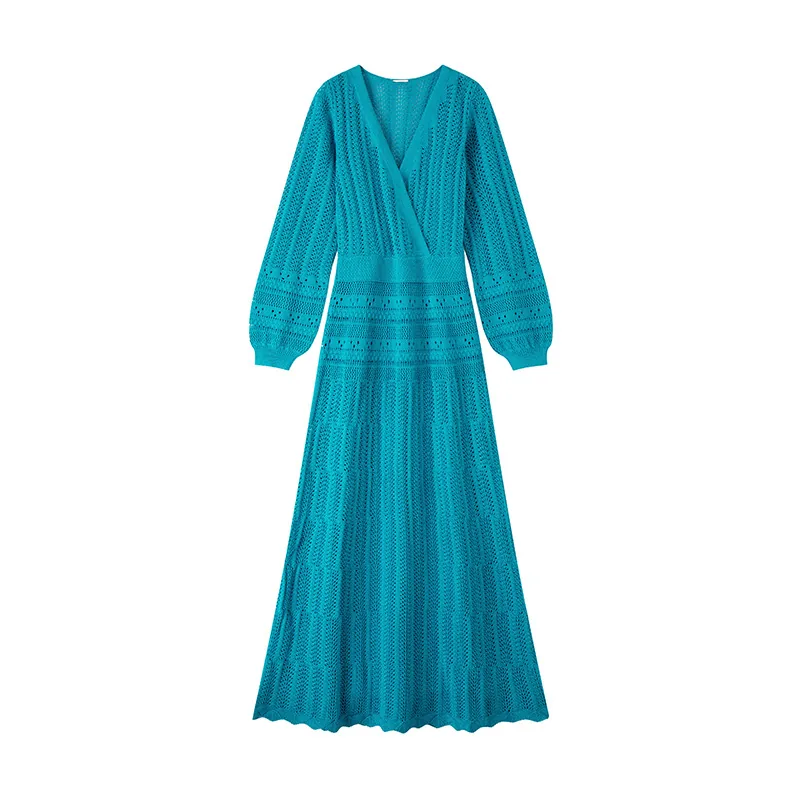
If your assortment includes dresses, fabric behavior becomes even more important. A jumper can survive with a slightly firmer or more generic hand-feel. A ladies knitted dress usually cannot.
This is where viscose blends earn their place. The LENZING ECOVERO fiber page describes the fiber as lightweight with tactile softness and flowing drape, and that is exactly why viscose-based blends are often effective in feminine knit dress programs. CNSweaters’ own ladies knitted dress styles page also positions viscose and viscose-nylon blends around drape, smoothness, and silhouette control.
Why drape matters more in dresses than in core jumpers
A dress has to hang correctly over time. That sounds simple, but in production it changes everything. The longer the garment, the more visible problems like sagging, twisting, localized bulging, and uneven recovery become.
That is why fabric choice for dresses should be based on behavior, not only touch. If the silhouette depends on vertical flow, body-skimming balance, or a smoother feminine look, drape is part of the product’s commercial success.
When viscose or nylon blends outperform stiffer yarn options
Viscose blends are often the better choice when the design needs a cleaner drop, softer movement, or a more refined surface. They are especially useful for body-conscious dresses, column shapes, and knit sets where the buyer wants the product to feel more dressed-up than a basic jumper.
Compared with stiffer yarn systems, a viscose-based blend can create a more polished result in these categories. But it needs good engineering. Softness without control can create problems in bulk.
What to watch for in hanging tests, elongation, and recovery
From a factory perspective, the key question is not whether viscose looks good on day one. It is whether the dress still behaves correctly after hanging, steaming, packing, and wearing.
Buyers should ask how the supplier manages elongation, density, and recovery. In dress programs, sample approval should include fit validation and structure checks, not just color and hand-feel. If that process is rushed, the risk usually shows up later in bulk.
Cashmere Blends for Premium Ladies Knitwear Capsules
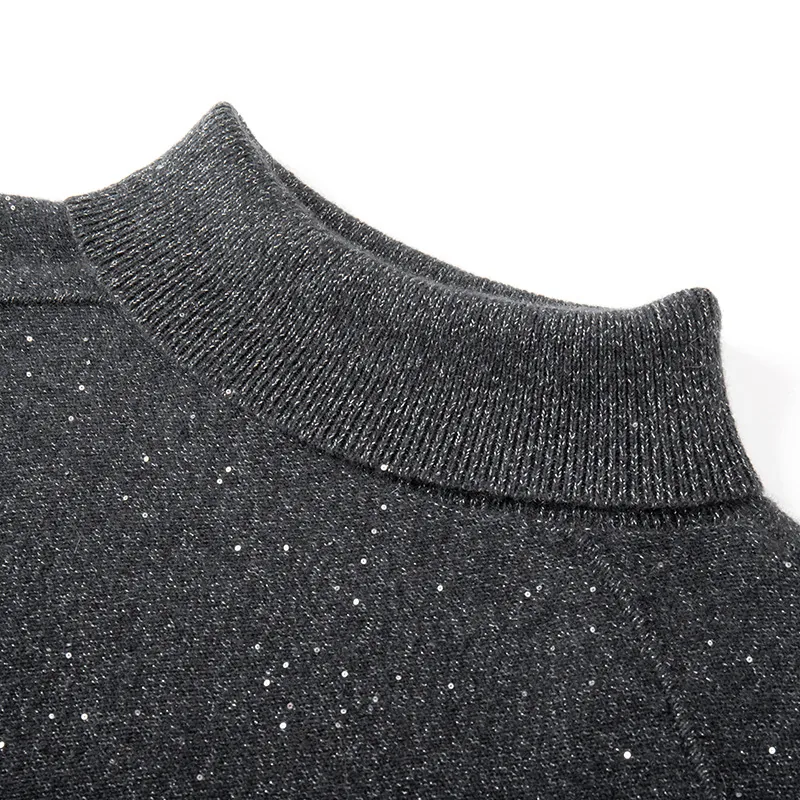
Cashmere has strong emotional value in knitwear, but that does not mean it should dominate a wholesale program. In most cases, cashmere blends make more business sense than pure cashmere, especially for B2B lines that still need workable pricing and repeatability.
It helps to treat cashmere, merino, and cotton as different material paths rather than a simple quality ranking. That is the right mindset for wholesale planning.
Why cashmere blends work better than pure cashmere for most wholesale programs
Cashmere blends let buyers access some of the softness and premium image of cashmere without pushing the garment fully into a fragile or overly expensive zone. For wholesale programs, that balance is usually more practical than chasing purity.
In other words, a blend often protects the business logic. It helps maintain a premium story while making the product easier to price, easier to position, and easier to scale.
Which premium pieces justify the upgrade
Cashmere blends work best in hero items rather than across a full catalog. A refined pullover, a premium gifting cardigan, or a smaller capsule built to improve collection image can justify the upgrade.
They are less convincing when used mechanically across every style. If everything is premium, nothing is clearly premium. A few well-chosen pieces usually create more impact than broad overuse.
How buyers should evaluate margin, care claims, and reorder risk
Buyers should review cashmere-blend programs with commercial discipline. The right question is not only whether the yarn feels soft enough. It is whether the margin, care story, and reorder potential still make sense after sampling and costing.
That is also where clear development support matters. If the supplier can help refine yarn choice, gauge, and construction through an OEM/ODM knitwear service, the premium concept is more likely to stay commercially realistic.
Acrylic and Commercial Blends for Price-Sensitive Ladies Knitwear
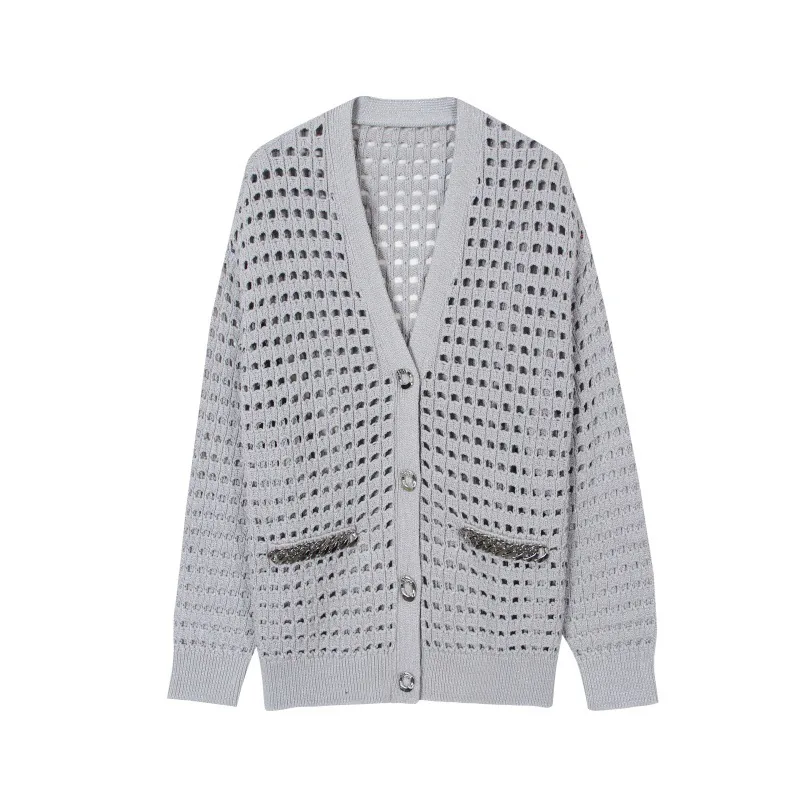
Acrylic is often discussed defensively, but in real sourcing it still has a valid role. For wholesalers, distributors, and commercial programs with broad color needs or aggressive target pricing, acrylic or other commercial blends can be the right tool when used carefully.
The mistake is not choosing acrylic. The mistake is using low-grade commercial yarn without enough attention to surface quality, stitch choice, and overall category positioning. A commercial fabric can still look sellable if the program is engineered honestly.
Why commercial programs still need acrylic-based options
Not every buyer is building a premium capsule. Some are building a wide-range line that has to cover multiple customers, multiple channels, and more price-sensitive sell-through realities.
In those cases, commercial blends help create accessible opening price points and fuller assortment width. They can also support bigger color programs, which matters for broad wholesale offers.
How to avoid the cheap look and unstable hand-feel
The key is yarn selection and category discipline. A low-cost blend should not be asked to imitate a premium brushed luxury knit if it cannot deliver that result.
Instead, it works better in styles where buyers want color variety, dependable costing, and straightforward commercial value. Clean stitches, appropriate gauge selection, and realistic finishing expectations matter more here than marketing language.
Best use cases for wholesalers, distributors, and broad color programs
Commercial blends are strongest in entry styles, promotional programs, wider-size basics, and fast-moving repeat shapes. They can also be useful when buyers are testing a new market and want to reduce initial risk before moving into more premium fibers.
For brands expanding into adjacent categories or trying coordinated accessories, this is often where thoughtful custom knit development can help. The goal is not to oversell the fiber. The goal is to place it where it performs commercially.
Conclusion
A strong knitwear catalog is rarely built on one fiber alone. In most wholesale ladies knitwear programs, the better strategy is to assign each fabric a clear commercial role: merino for premium core styles, cotton for transitional volume, viscose blends for dresses, cashmere blends for selective upgrades, and commercial blends for price-sensitive breadth.
That mix gives buyers more control over price architecture, sell-through logic, and reorder planning. It also creates a more useful line for real customers, not just a better-looking mood board.
If you are building next season’s assortment, start with the role of each style before you start with the yarn. Once the target price, silhouette, and reorder plan are clear, a more effective fabric strategy usually follows. If you want help evaluating the right fabric mix for your collection, working with a professional knitwear manufacturer early in development can save time, reduce sampling mistakes, and make bulk planning more predictable.
FAQ
What is the best fabric for wholesale womens jumpers?
There is no single best option for all wholesale womens jumpers. Merino is stronger for premium core styles, cotton-rich blends are better for transitional and broad-volume programs, and commercial blends are useful when price sensitivity is high.
Is viscose a good choice for a ladies knitted dress line?
Yes, often it is. Viscose blends are commonly a good fit for ladies knitted dress programs because they offer smoother drape and a softer surface, but they need proper control over elongation and recovery.
Should wholesale buyers choose pure cashmere or cashmere blends?
In most B2B cases, cashmere blends are the safer choice. They support a premium story more realistically than pure cashmere while keeping pricing and repeatability in a more workable range.
Which fabric is safer for repeat orders and broader color programs?
Cotton-rich blends and commercial blends are often safer for repeat business. They usually support broader market acceptance, easier catalog planning, and more practical price continuity across color options.
How should buyers balance hand-feel, MOQ, and lead time in knitwear sourcing?
Start with category role, not fiber prestige. A fabric only works well when it fits the intended silhouette, target margin, MOQ reality, and delivery window. That is why early sampling and clear development alignment matter as much as yarn choice itself.