 CN Sweaters
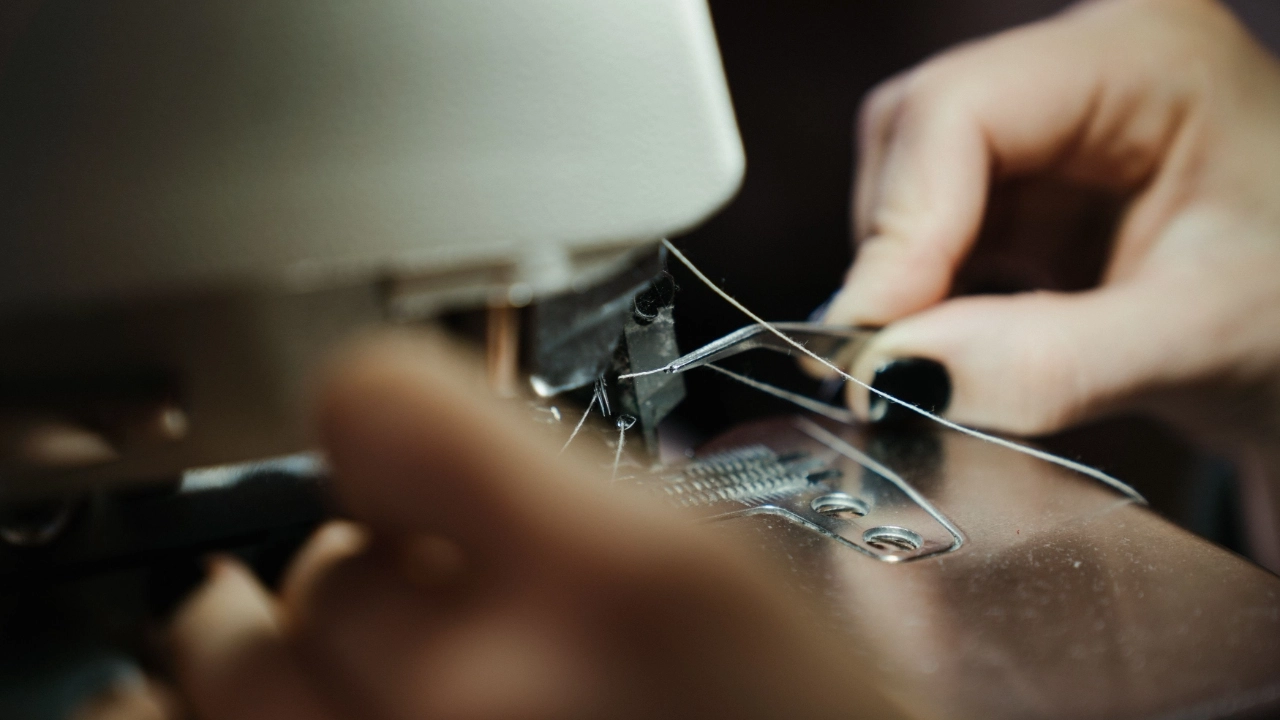
Gauge mistakes rarely look serious at quotation stage, but they can turn a promising custom sweater into the wrong product before bulk production starts. A sweater factory can only judge the practical gauge choice when the buyer connects appearance, yarn count, stitch density, garment weight, handfeel, retail price, machine availability, and bulk repeatability.
For B2B buyers, the risk is not simply choosing 3GG instead of 12GG. The bigger risk is treating gauge as a visual label while ignoring the variables that decide whether custom knit sweaters feel soft, hold measurements, fit the season, stay within FOB budget, and can be reproduced in bulk knit sweaters without delay.
Why Does Gauge Confusion Create Bulk Production Risk?
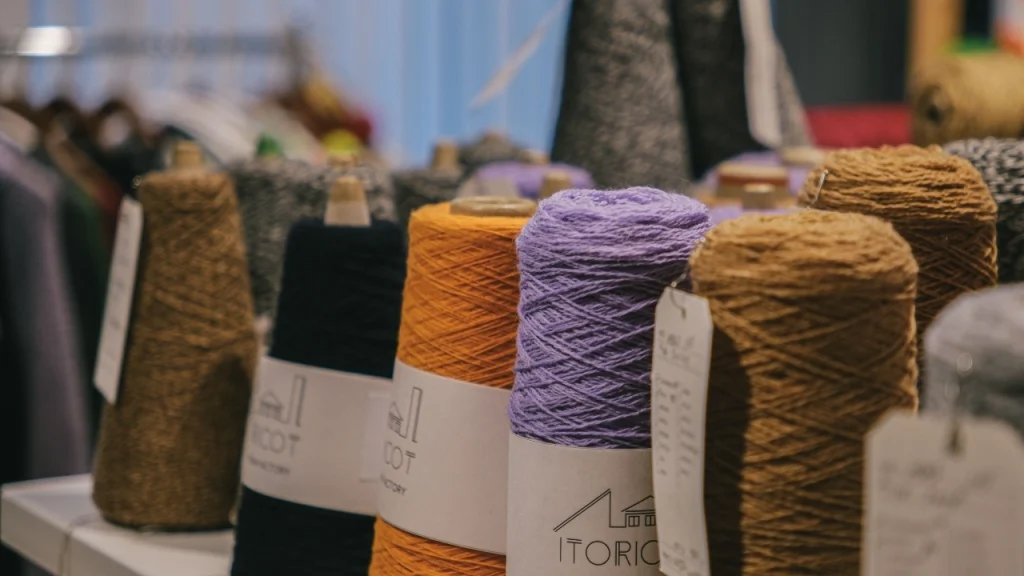
Gauge confusion creates risk because it affects machine selection, yarn consumption, knitting speed, linking work, washing behavior, and final product positioning at the same time. A buyer may ask a knitwear factory for “a thicker winter sweater” or “a fine gauge look,” but those descriptions are not enough for stable knitwear production.
Gauge Is A Production Condition Not A Style Name
In sweater development, gauge describes the machine and knitting fineness, but the commercial result depends on what runs on that machine. CottonWorks notes in its sweater manufacturing basics that sweater manufacturing commonly uses weft knitting on flat-bed machines, with machine gauges often in the coarse 7 to 14 gauge range. That helps explain why gauge is tied to equipment, not just visual thickness.
A 7GG custom pullover sweater can look compact and structured with a firm yarn and tight stitch density, or loose and soft with a lighter yarn and relaxed tension. A 12GG custom cardigan can feel smooth and refined, but it can also become too sheer if the yarn count, stitch structure, and target garment weight are not aligned.
The Mistake Is Judging Gauge From A Photo
Photos hide stitch density, yarn twist, brushing, washing, and garment weight. A buyer may send one front image and ask the knitwear manufacturer to “copy the same thickness.” From a factory perspective, that is not a complete development instruction. The factory needs a physical sample or detailed tech pack notes to identify gauge, yarn composition, yarn count, stitch structure, panel construction, finishing method, and target handfeel.
If the buyer only approves the look, the sample may pass visually but fail commercially. The sweater may be heavier than planned, too warm for the selling season, too loose after washing, or too expensive for the intended retail price. For category planning, the safer approach is to define the product as lightweight transitional knitwear, midweight layering, or structured knitwear for winter before confirming gauge.
What Do Buyers Get Wrong About Thick And Fine Gauge Knitwear?
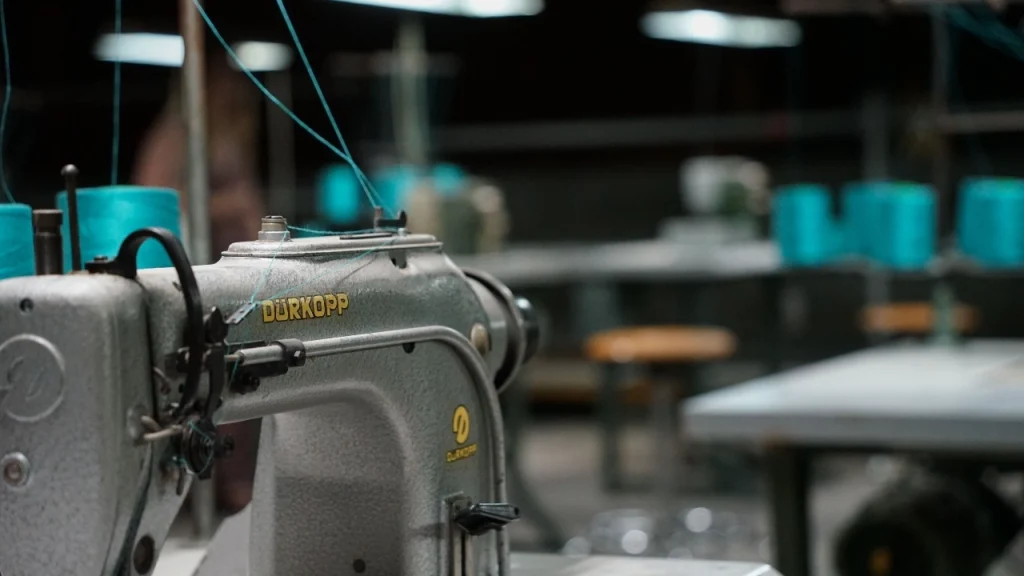
Buyers often get thick and fine gauge knitwear wrong by translating them into “more yarn” or “less yarn.” In real production, thickness comes from gauge, yarn count, yarn ply, stitch construction, tension, washing, brushing, and garment silhouette working together.
Thick Knitwear Can Become Too Heavy
For autumn and winter collections, buyers often want thick knitwear with warmth, structure, and a premium handfeel. That direction is reasonable, but it needs a target weight and price boundary. If a custom sweater is developed only to look heavier, the result may increase yarn consumption, carton weight, shipping cost, and wearing fatigue.
Shipping cost can also change when garments become bulky. The USPS explanation of dimensional weight shows why parcel charging can consider package volume, not only actual weight. For bulk knit sweaters, a heavier or puffier winter style may therefore affect freight planning, carton loading, and landed cost even when the FOB price looks acceptable.
Fine Gauge Knitwear Can Become Too Unstable
Fine gauge knitwear is often selected for a smooth surface, lighter handfeel, and refined retail positioning. The mistake is assuming thin knitwear is automatically easier or cheaper. A fine gauge custom knitted jumper may require suitable yarn fineness, stable yarn quality, careful tension control, and stricter measurement tolerance.
If the yarn is too weak or the stitch density is too loose, problems may appear as excessive transparency, snagging, seam waviness, pilling, or measurement drift after washing. Fine gauge also leaves less room to hide uneven linking or yarn inconsistency. Before confirming thin knitwear, the buyer should ask the sweater factory whether the selected yarn and machine setup can hold the approved handfeel and measurements across the intended order quantity.
The practical comparison is usually clearer when buyers separate selling intention from factory execution:
| Buyer Request | Common Mistake | Production Risk | Better Confirmation |
|---|---|---|---|
| Warmer winter sweater | Asking only for thicker handfeel | Excess garment weight, higher yarn use, higher freight cost | Target gauge range, garment weight, yarn composition, FOB range |
| Fine gauge knitwear | Choosing high gauge only from appearance | Transparency, snagging, unstable size, uneven seams | Yarn count, stitch density, tolerance, approved sample weight |
| Same look as sample | Copying image without technical data | Wrong gauge, wrong handfeel, non-comparable quote | Physical sample, stitch structure, finishing notes |
| Lower cost | Moving gauge without changing design target | Product position changes, poor comparison | Quote with same gauge, yarn, weight, and construction |
The table shows why gauge is not a single purchasing lever. It is a technical condition that must support the intended customer, season, price, and production method.
Which Gauge Details Should Be Confirmed Before Sampling?
Before sampling, buyers should confirm six details with the knitwear factory: target gauge or gauge range, yarn composition and count, target garment weight, main stitch structure, sample approval standard, and repeatable machine and finishing conditions. Without these, the first sample may answer the wrong question.
Confirm A Gauge Range Instead Of One Fixed Number
A fixed gauge can be useful when the buyer already has a complete tech pack or approved reference sample. For early development, a gauge range is often more practical. For example, a buyer planning custom knitwear for winter may ask whether 5GG or 7GG better supports a structured cardigan with the target handfeel and price. A buyer developing a cleaner custom pullover sweater may compare 12GG and 14GG only after confirming yarn count and opacity.
A good factory discussion should include whether the machine gauge matches the yarn. If the yarn is too thick for the selected gauge, the fabric may become stiff, slow to knit, or difficult to link. If the yarn is too fine, the fabric may feel weak or transparent. The quote should also identify whether rib, jersey, cable, jacquard, pointelle, or full cardigan stitch changes the weight and production time.
Confirm Weight Before Approving Handfeel
Handfeel is important, but it is subjective. Garment weight gives the buyer and sweater factory a measurable reference. For a custom cardigan, sample comments should record the approved sample weight by size, not only “soft,” “chunky,” or “light.” If the bulk sample changes by a noticeable amount, the buyer can ask whether the difference comes from yarn lot, density, washing, or panel measurement.
For buyers sourcing custom knit sweaters, the most useful pre-sample brief combines design sketch, size range, target season, gauge range, yarn composition, desired handfeel, target garment weight, and order quantity. This makes the quotation more comparable because the knitwear manufacturer is not guessing whether the buyer wants a visual match, a price target, or a production-safe compromise.
How Does Gauge Affect MOQ Lead Time And Cost?
Gauge affects MOQ, lead time, and cost because it changes machine availability, yarn sourcing, knitting speed, linking difficulty, and finishing control. Two sweaters in the same gauge can still have different cost structures if the yarn, stitch, density, and finishing are different.
Machine Planning Changes With Gauge
A sweater factory cannot run every style on every machine at the same time. If the requested gauge is already occupied during peak season, sampling or bulk production may wait for machine availability. Low gauge styles may knit larger loops and heavier panels, while fine gauge styles may require longer knitting time and closer defect control. Complex cable, jacquard, intarsia, or pointelle structures can further slow output.
This is why a buyer should not treat 3GG, 5GG, 7GG, 12GG, and 14GG as fixed price levels. A plain 7GG sweater in a stable yarn may be easier than a detailed 7GG cardigan with mixed stitches, placket structure, pocket shaping, and special washing. A fine gauge style may use less yarn by weight, but it may require finer yarn, cleaner yarn quality, more careful linking, and stricter inspection.
MOQ Is Linked To Yarn And Production Setup
MOQ is not only a factory policy. It is also affected by yarn dyeing, available stock yarn, color minimums, panel programming, machine setup, trims, labeling, and packing requirements. Buyers comparing MOQ and lead time should make sure each quotation uses the same gauge, yarn composition, stitch structure, color count, size range, and approved sample standard.
If one quote assumes stock yarn and another assumes custom-dyed yarn, the pricing is not comparable. If one quote assumes a lighter stitch density and another assumes a heavier winter handfeel, the cost difference may not reflect supplier efficiency. The most useful question is not “Which gauge is cheapest?” but “Which gauge can achieve the target retail position with stable production, acceptable MOQ, and realistic delivery?”
What Should Go Into The Tech Pack And Sample Comments?
The tech pack should turn gauge decisions into measurable production instructions. A knitwear manufacturer can control what is defined, measured, approved, and repeated; it cannot reliably reproduce a vague feeling described after bulk yarn has been purchased.
Record Measurements And Tolerances
For knitwear, POM measurement files should include chest, body length, shoulder, sleeve length, armhole, cuff, hem, neckline, placket width, and key stretch-sensitive areas. Tolerances should be realistic for the yarn, gauge, stitch structure, and washing process. A tight tolerance may be possible for some stable structures, but it may be unrealistic for loose stitches, brushed yarns, or heavy winter pieces.
Buyers should also specify whether measurements are taken before wash, after wash, after steam, or after final finishing. If wash behavior matters, sample comments should include after-wash dimensions and shrinkage observations. AATCC emphasizes consistency in textile testing through its test method training, which is a useful reminder that measurement and wash checks need repeatable methods, not casual judgment.
Record The Approved Sample Status
Sample comments should include approved sample number, date, size, color standard, yarn composition, yarn count, gauge, stitch structure, garment weight, handfeel description, finishing method, labels, packaging, and any accepted deviations. If the sample is approved for look only but not weight, that should be written clearly.
For a custom cardigan, button placement, placket stability, pocket shape, hem recovery, and sleeve opening may be just as important as gauge. For cardigans, gauge interacts with front opening structure because the garment has more edges, trims, and balance points than a simple pullover. A sample may look correct on a hanger but twist, droop, or stretch when worn if the placket and body density are not controlled together.
How Can Buyers Reduce Gauge Risk Before Bulk Orders?
Buyers reduce gauge risk by approving a production-realistic sample and making sure bulk conditions can repeat it. The goal is not to freeze every variable too early; the goal is to prevent silent changes after the buyer has approved the sample.
Check Bulk Repeatability Before Approval
Before bulk production, ask the sweater factory whether the approved sample was made on the same machine type, yarn type, tension setting, washing route, and finishing method planned for bulk. If the sample was made using a temporary yarn or an available machine only for speed, the buyer should treat it as a development sample, not a bulk approval sample.
For quality control, the inspection plan should connect back to the approved gauge and sample. Intertek describes textile and apparel inspection as a process used to help verify product quality before shipment, which matches the buyer’s need to check measurements, workmanship, labeling, packing, and defects against agreed specifications. For knitwear, inspection should include seam flatness, linking quality, surface defects, pilling risk signals, color consistency, measurements, garment weight checks, and approved sample comparison.
Protect Reorders And Seasonal Planning
Gauge decisions also affect reorders. If the first order used a special yarn lot, unusual machine setting, or undocumented washing process, a later reorder may not match the original handfeel. This is especially risky for private label programs where a custom sweater, custom pullover sweater, custom cardigan, and vest may share yarn families across the same season.
Buyers using quality control planning should keep approved samples, yarn cards, color standards, measurement files, and bulk comments together. If the next order changes gauge to reduce cost or improve delivery, the buyer should request a new fit and handfeel approval instead of assuming the old comments still apply.
Conclusion
Gauge is practical only when it is connected to yarn, stitch density, garment weight, target season, MOQ, lead time, and bulk repeatability. Before approving bulk knit sweaters, buyers should make sure the approved sample reflects the machine and process conditions that the factory can repeat.
Send your sweater reference style, target gauge or gauge range, yarn composition, target handfeel, garment weight, size range, order quantity, sample comments, and bulk production timeline to confirm your OEM or ODM knitwear project before production. Include target market, sales channel, product category, tech pack or style reference, size range, color standards, target price, sample requirements, first order quantity, delivery window, and packaging or label needs so the gauge choice can be checked against real production conditions.
FAQ
Is a lower gauge always better for knitwear for winter?
No. A lower gauge may help create thicker knitwear, but winter suitability also depends on yarn composition, stitch density, garment weight, fit, and finishing. If the style becomes too heavy, it may exceed the target FOB price, feel uncomfortable, or raise freight cost.
Can a sweater factory copy gauge from a photo?
A factory can estimate from a clear photo, but it should not be treated as final. A physical sample, stitch close-up, yarn information, garment weight, and tech pack comments are much safer for custom knitwear development.
Should buyers confirm gauge before yarn choice?
Gauge and yarn should be confirmed together. The same gauge can produce different handfeel, opacity, cost, and stability depending on yarn count, ply, twist, composition, and stitch structure.
What sample comments help reduce bulk production differences?
Useful comments include POM measurements, tolerance, after-wash size, garment weight, handfeel description, gauge, yarn composition, stitch structure, color standard, approved sample number, and approved sample status.
Why do two custom knitwear manufacturers quote different prices for the same gauge?
The quotes may not be based on the same yarn, stitch density, garment weight, finishing, MOQ, machine time, or inspection standard. Ask each supplier to quote against the same technical assumptions before comparing price.