 CN Sweaters
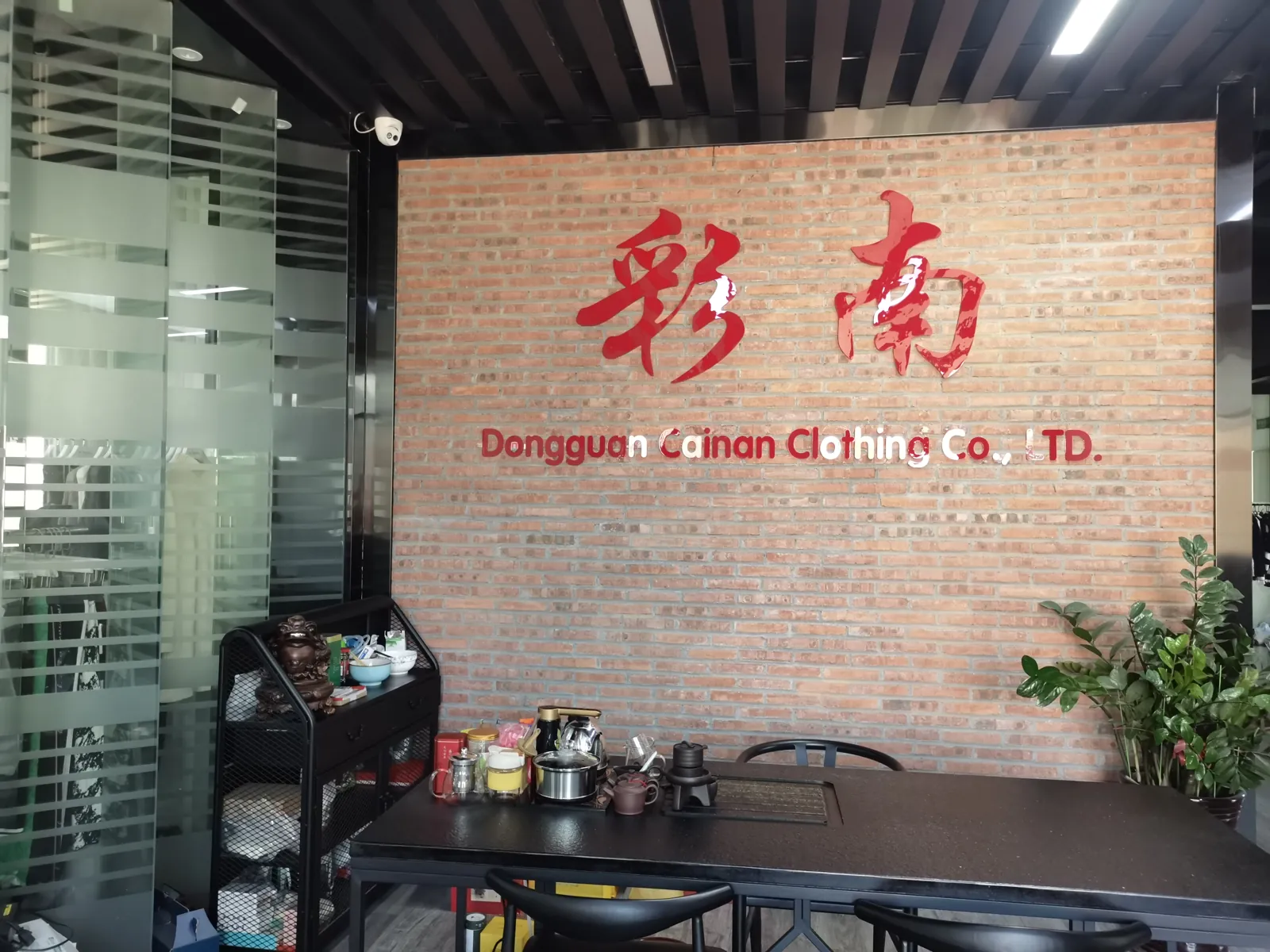
Private label sweater manufacturing is not just about putting your logo on a finished garment. For most fashion brands, it is a full development-to-delivery process that includes style definition, sampling, approval, labeling, packaging, quality control, and shipment planning.
That is why private label works well for brands that want control without building an internal factory team. If you want your sweaters to reflect your fit, branding, packaging standards, and repeat-order logic, you need a supplier that can manage more than sewing and packing. You need a partner with structured OEM / ODM knitwear services and a workflow that supports commercial execution, not just product output.
This guide is written for fashion brands, DTC labels, e-commerce sellers, importers, wholesalers, and product developers who want to understand what private label sweaters really involve. From a factory perspective, the biggest mistake buyers make is treating private label as a trim request when it is actually a coordination project across development, production, compliance, and delivery.
What Private Label Sweater Manufacturing Really Includes
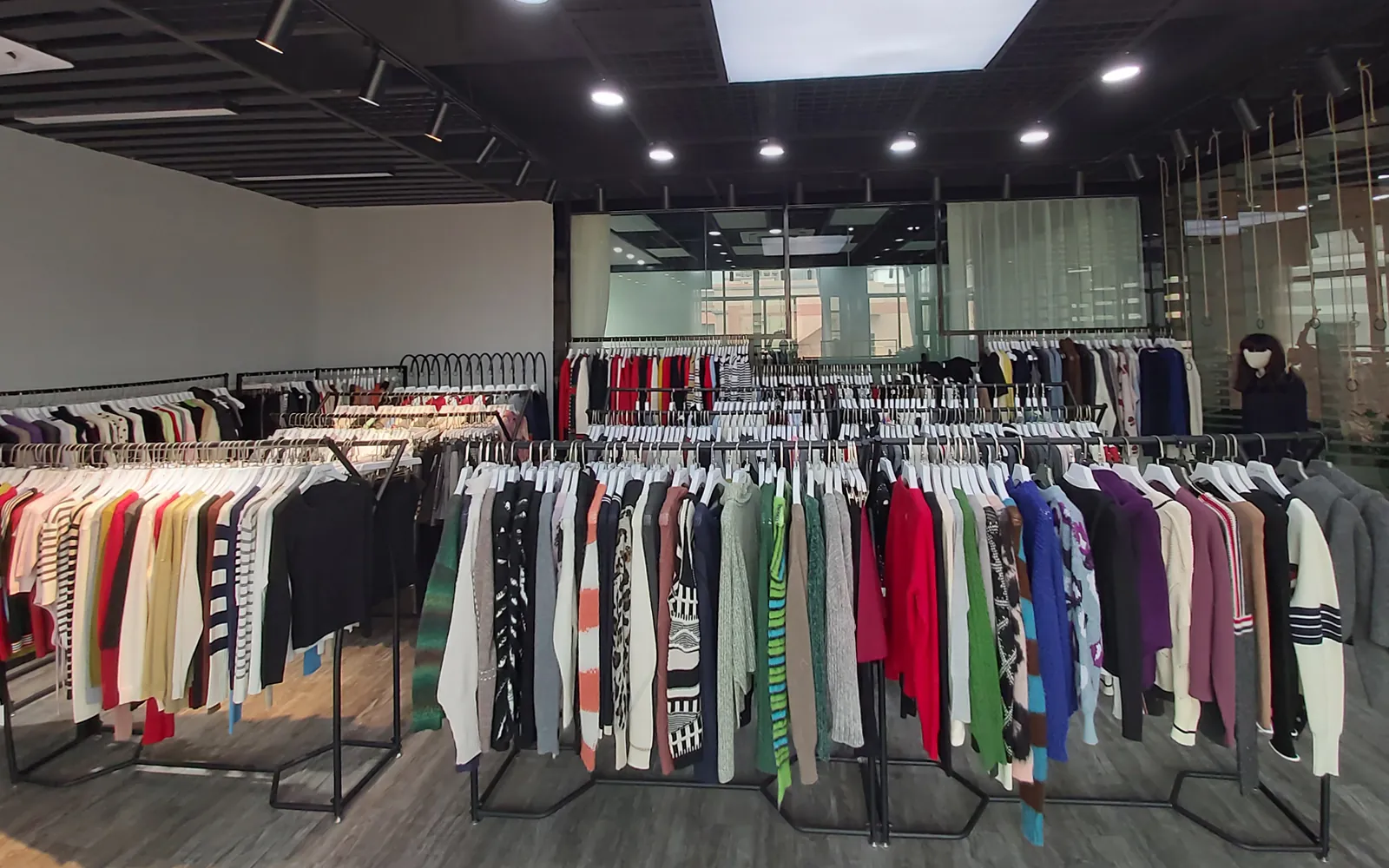
Private label sweater manufacturing includes far more than a custom neck label. In practice, it means the factory is helping you turn a branded sweater concept into a retail-ready product that can move through sampling, bulk production, warehousing, and sales without avoidable errors.
Why a Private Label Sweater Is More Than a Neck Label
Many buyers first use the term “private label” to mean adding a logo, but that definition is too narrow for knitwear. A workable private label program usually covers product development choices, main label and care label setup, hangtags, size stickers, barcode planning, folding method, polybag requirements, carton marks, and shipment coordination.
That matters because sweaters are not generic blanks in the same way some basic jersey products can be. Gauge, yarn composition, stitch structure, measurements, hand-feel, and finishing all influence how the final product looks and performs. If those details are unstable, the branding on top of them does not solve the real problem.
What a Factory Handles in a Private Label Sweater Program
A strong supplier should be able to support the product and the presentation. On the product side, that means yarn matching, gauge suggestions, stitch development, fit review, sampling, PP approval, and bulk consistency. On the presentation side, it means preparing the brand trims and packing details that make the goods usable for wholesale, retail, or e-commerce channels.
From a factory perspective, buyers often underestimate how much retail readiness depends on small operational details. A sweater can be knitted well and still create downstream problems if the care label content is incomplete, the carton marks do not match the PO, the barcode setup is wrong, or the packing ratio does not match receiving requirements.
When a Private Label Sweater Makes Sense and When It Does Not
Private label makes the most sense when you want control over product direction, fit, branding, and packaging, but you do not want to build your own production infrastructure. It is especially useful for brands building repeatable core styles, seasonal capsules, or channel-specific assortments where presentation and consistency matter.
It makes less sense if you only want the fastest possible stock buy with minimal product definition. If you are not ready to decide your yarn direction, fit standards, label content, or packaging rules, private label can feel slow because the process requires decisions before the order can move safely into bulk.
How Private Label Sweater Development Works
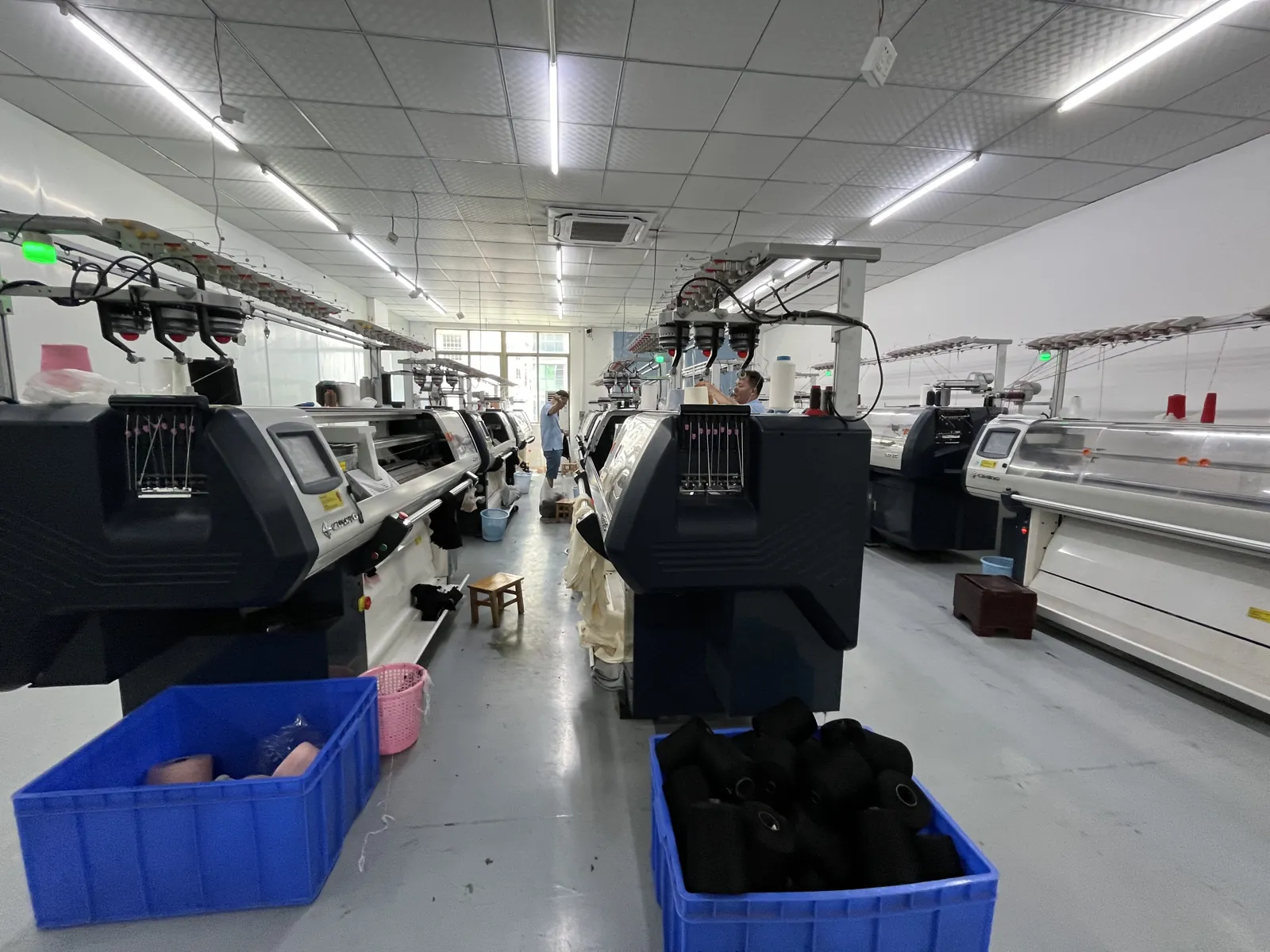
A reliable private label sweater program follows a staged workflow, not a vague back-and-forth. The smoother the transition from RFQ to sample to PP approval, the lower the risk of delays, rework, and avoidable cost.
RFQ and tech pack alignment
The process usually starts with a clear RFQ. That does not always mean you need a perfect technical package from day one, but you do need enough information for the supplier to evaluate feasibility. Product type, target yarn direction, gauge range, silhouette, measurements, colorways, estimated quantities, delivery window, and packaging expectations all shape the early quote and development path.
If you already know the category you want to build, it helps to anchor the discussion around your target sweater development direction instead of sending only mood images. Inspiration is useful, but a factory still needs commercial details to judge whether the design is realistic at your target margin and lead time.
Sampling, revisions, and PP approval
Sampling is where private label becomes real. A sample is not only a visual confirmation; it is where you test whether the yarn, gauge, stitch, fit, and finishing are aligned enough to support bulk production.
This is also why sampling speed should not be the only KPI. A fast first sample is not very helpful if the measurement logic is unstable or the factory cannot document revision feedback clearly. In knitwear, small technical changes can affect drape, elasticity, seam appearance, and total cost, so brands should expect a disciplined revision process rather than a one-shot approval fantasy.
PP approval is the real control point before bulk. Once the pre-production sample, measurements, colors, trims, and finishing standard are locked, the supplier has a concrete benchmark for line setup and QC. Without that benchmark, even a capable factory may produce variation that creates fit claims, color complaints, or packaging confusion later.
Bulk production, QC, and shipment handover
Bulk production should begin only after the main variables are settled. At that stage, the focus shifts from development quality to repeatability. Yarn continuity, machine allocation, linking consistency, finishing standards, inline inspection, and final packing accuracy all become more important than the original concept discussion.
A good private label supplier treats QC as a process rather than a final checkpoint. Inline checks reduce the risk of discovering the same problem across a large quantity, while final inspection confirms that the goods being packed still match the approved standard. When buyers are planning complex branding or retailer-specific packing, the private label production workflow needs to connect product control and packaging control from the start.
How MOQ and Cost Shape a Private Label Sweater
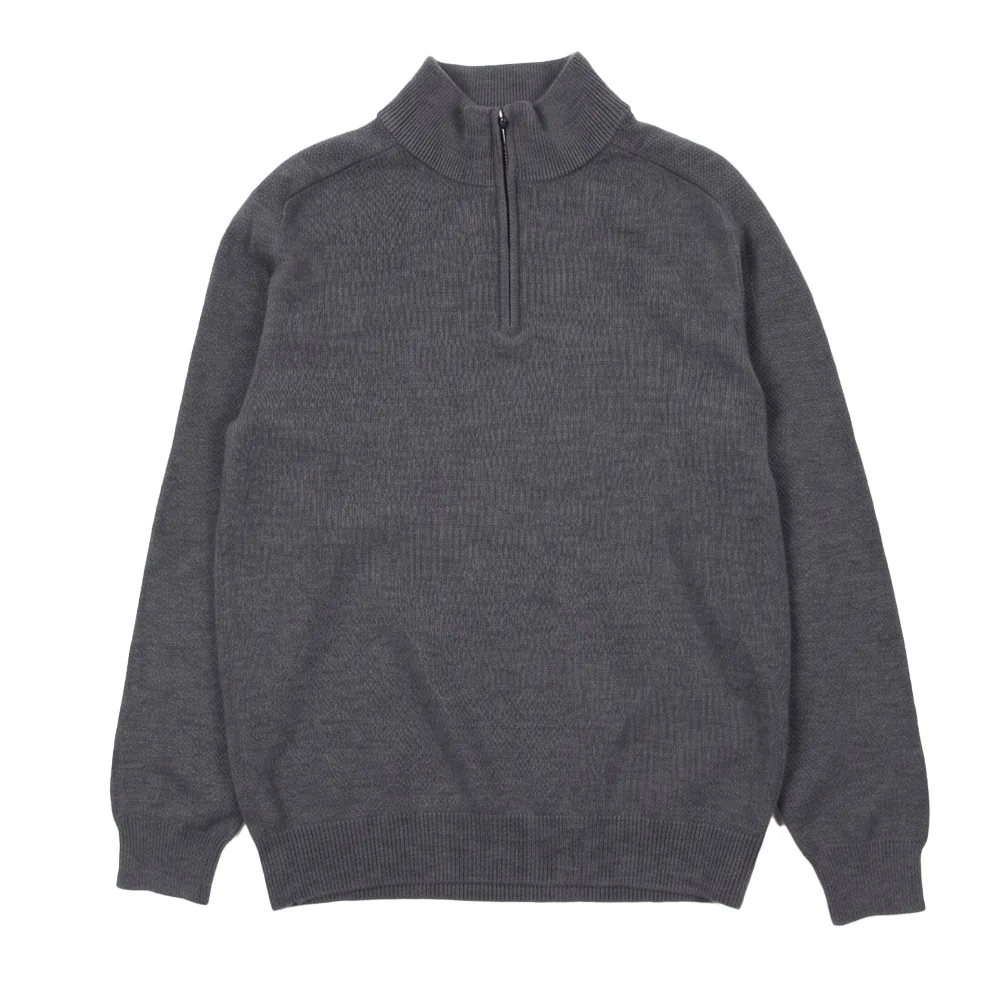
MOQ in private label knitwear is never just a single headline number. It is a production planning tool shaped by yarn, style, color count, gauge, machine setup, and how efficiently the order can be run.
Why MOQ is not just one number
Many new brands ask for the minimum possible quantity before they ask what that quantity is supposed to support. From a factory perspective, MOQ exists because materials are booked in practical volumes, machines are scheduled in batches, and labor becomes inefficient when a style is too fragmented.
That is why two sweaters with similar silhouettes can still have very different minimums. A simple core style in an available yarn may be easier to run at a lower threshold, while a sweater with custom-dyed yarn, multiple colors, special trims, or more complex stitch structure will usually need more volume to make the project workable.
How colors, sizes, and SKUs increase risk
The biggest planning mistake is confusing MOQ with assortment freedom. Even if the total order looks manageable, each added color and size split creates more SKU pressure. That affects inventory balance, packing ratios, and the chances of slow-moving units trapping cash.
The logic explained by Maker’s Row’s guide to private label apparel manufacturing, MOQ, and costs is useful here because it separates factory minimums from brand-side inventory strategy. A supplier may be able to make the order, but that does not mean the SKU structure is smart for your first launch.
How brands can reduce first-order risk
The safest first order is usually not the most creative one. Brands reduce risk when they start with a hero style, limit unnecessary color splits, choose commercially realistic yarn options, and keep the size structure grounded in expected demand rather than optimism.
In knitwear, disciplined simplification often improves the launch more than feature expansion does. When the product is approved clearly and the assortment is easier to manage, you get cleaner costing, more predictable production, and a better foundation for repeat orders.
How a Private Label Sweater Differs From Wholesale and Full Custom
| Model | Best For | Main Advantage | Main Limitation |
|---|---|---|---|
| Standard wholesale | Buyers needing speed and ready goods | Faster buying process | Limited control over branding and product specs |
| Private label | Brands needing brand control with supplier support | Better fit, labeling, packaging, and repeatability | Requires more planning and approval discipline |
| Full custom OEM development | Brands building unique products from deeper specifications | Highest level of product control | Longer development path and more decision burden |
What Branding and Labeling Details Buyers Often Miss
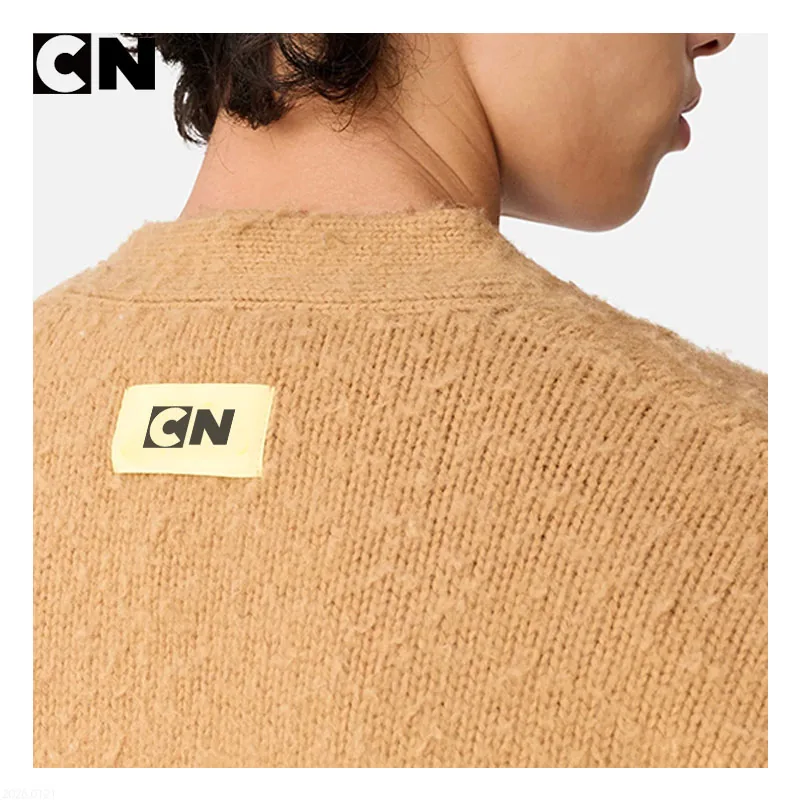
Branding and labeling details should be defined early, not left to the packing stage. In private label projects, many expensive mistakes come from treating trims and compliance details as late add-ons instead of part of the production brief.
Brand trims and retail-ready packaging
A sweater can be technically correct and still be commercially incomplete. If your order needs a neck label, care label, hangtag, size sticker, barcode, folding instruction, warning text, carton label, or destination-specific packing rule, those items must be planned before bulk is packed.
This is especially important for brands selling across multiple channels. E-commerce orders may need cleaner barcode and polybag logic, while wholesale orders may need stricter carton accuracy and assortment documentation. Brands with more specialized design directions may also need closer coordination between product construction and brand presentation, especially on custom knit projects where trims and visual identity are part of the product story.
U.S. labeling requirements brands should check early
For brands selling into the U.S., labeling cannot be treated as a cosmetic issue. The FTC guidance on textile and wool labeling requirements makes clear that fiber content, country of origin, and the identity of the responsible company are core disclosures for covered products, and the broader FTC apparel labeling resources also point buyers toward care labeling obligations that affect textile wearing apparel.
From a factory perspective, the practical lesson is simple: confirm your label content before bulk. If you wait until the goods are nearly ready to ship, even a small issue in wording, placement, or brand identity details can create avoidable delays, relabeling cost, or customs and receiving complications.
Why packaging accuracy affects receiving and sell-through
Packaging is not only about appearance. It affects how easily your goods move through freight, customs, warehouse receiving, retailer intake, and final sale. If carton marks are inconsistent, barcode data is wrong, or packing ratios do not match the order documents, the problem moves from production into logistics and inventory operations.
That is why experienced buyers ask about packaging support early. A supplier who understands private label should not only ask what label artwork you want; they should also ask how the goods will be sold, scanned, received, and replenished.
How to Choose a Private Label Sweater Supplier
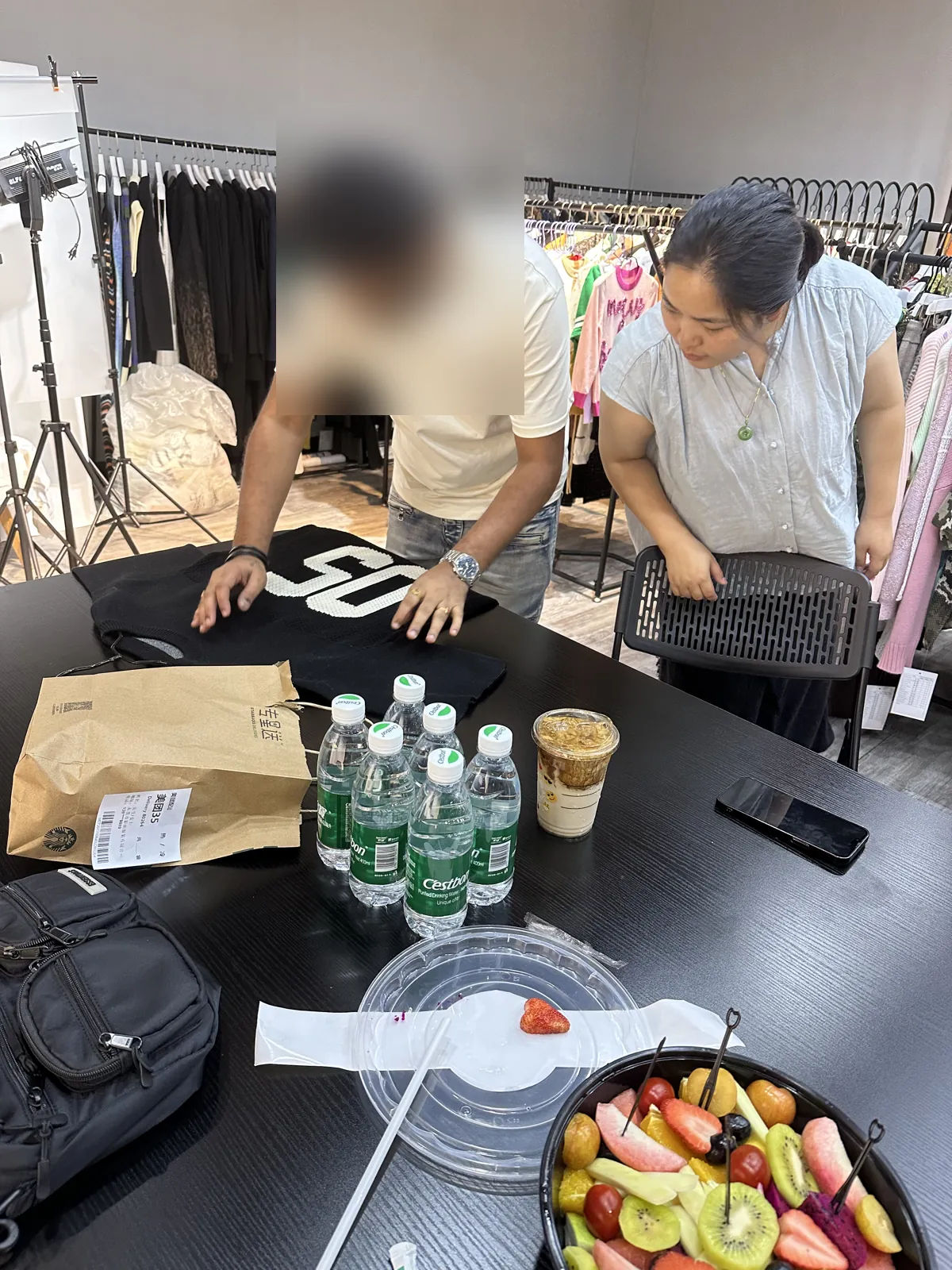
The right supplier is not the one with the most attractive claim. It is the one whose process can support your business model with fewer surprises across sampling, production, and repeat orders.
Look beyond product photos and low quotes
A strong product gallery can start the conversation, but it does not prove development control. What matters more is whether the supplier can explain how they handle yarn choice, sample comments, PP approval, QC checkpoints, packing details, and replenishment logic.
Low quotes should also be read carefully. In knitwear, pricing can look competitive at the start and become unstable later if the yarn assumption changes, the packaging scope expands, or the sample reveals that the construction needs adjustment. A reliable supplier is usually clearer about trade-offs than a purely sales-driven one.
Questions to ask before placing an order
Before you commit, ask how MOQ is built, what sample rounds are realistic, how fit revisions are documented, what happens at PP approval, how labeling and packaging are confirmed, and how peak-season timing affects delivery.
You should also ask what information the factory needs for a fast and accurate quote. A supplier that requests quantity, yarn direction, gauge target, packaging scope, and timeline is usually more serious about execution than one that quotes from a product photo alone.
Signs a supplier can support repeat orders
Repeat-order strength is one of the best indicators of real capability. If the factory stores approved specs clearly, tracks yarn and color continuity, manages QC records, and can explain how replenishment works, that is usually a better long-term sign than a flashy sample room.
In practice, the best partnerships are the ones where fewer decisions have to be reinvented after the first order. That is why brands evaluating a supplier should look at communication structure and process discipline as closely as they look at garment appearance.
A Practical Launch Plan for Fashion Brands
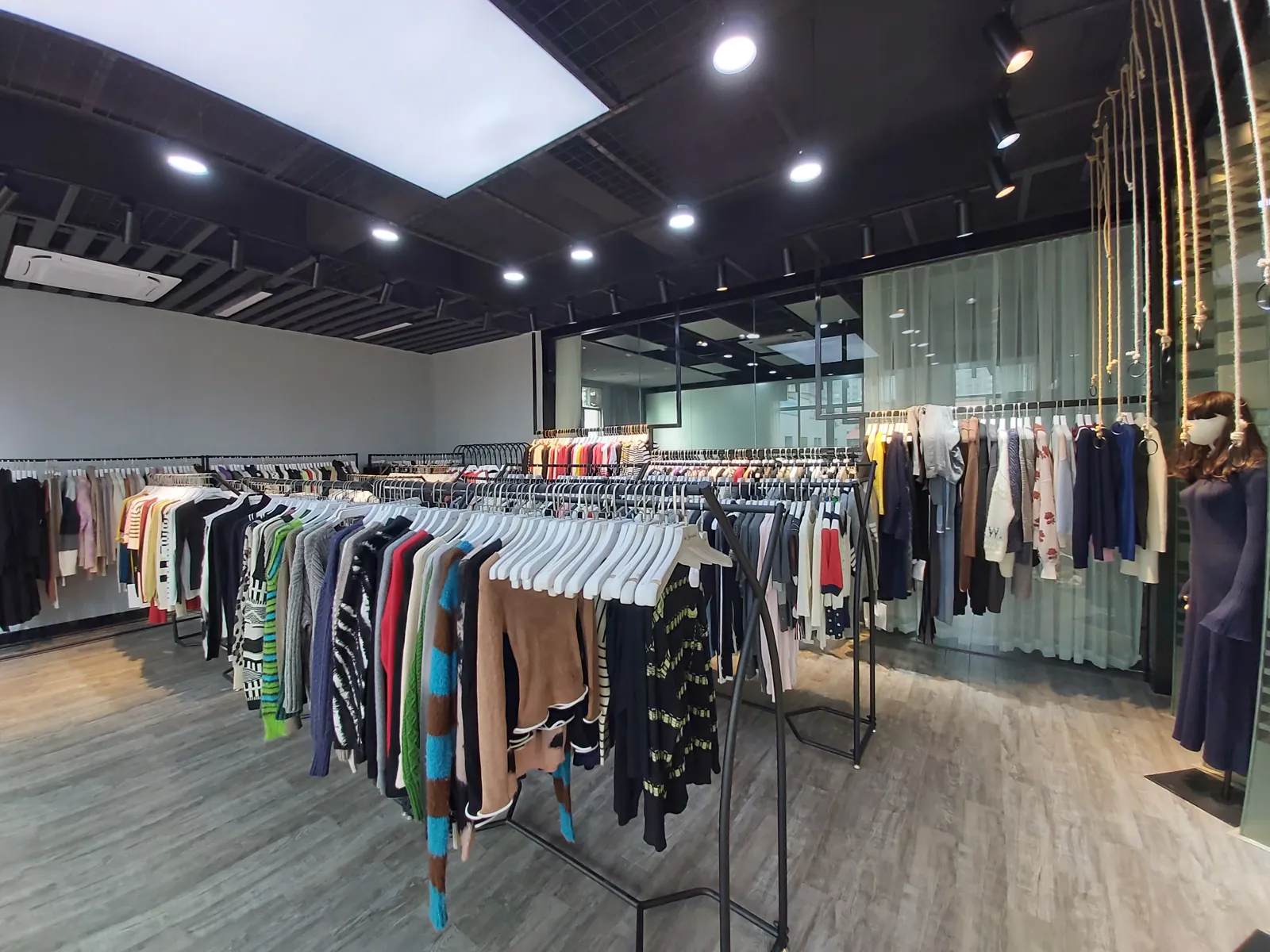
The most effective private label sweater launches are built on staged confirmation. If you approve the right things at the right time, you reduce surprises without slowing the project unnecessarily.
What to finalize before sampling starts
Before sampling, define the product category, reference direction, yarn target, gauge expectation, size logic, branding scope, and commercial objective. If your real goal is a repeatable core program, say that early. If the project is a seasonal statement launch, say that too. The supplier needs that context to make better trade-off decisions.
What to approve before bulk production
Before bulk, confirm the approved sample standard, measurements, colors, trims, label content, packaging method, and any shipping mark or barcode information. This is also the stage to confirm whether any market-specific compliance details still need review.
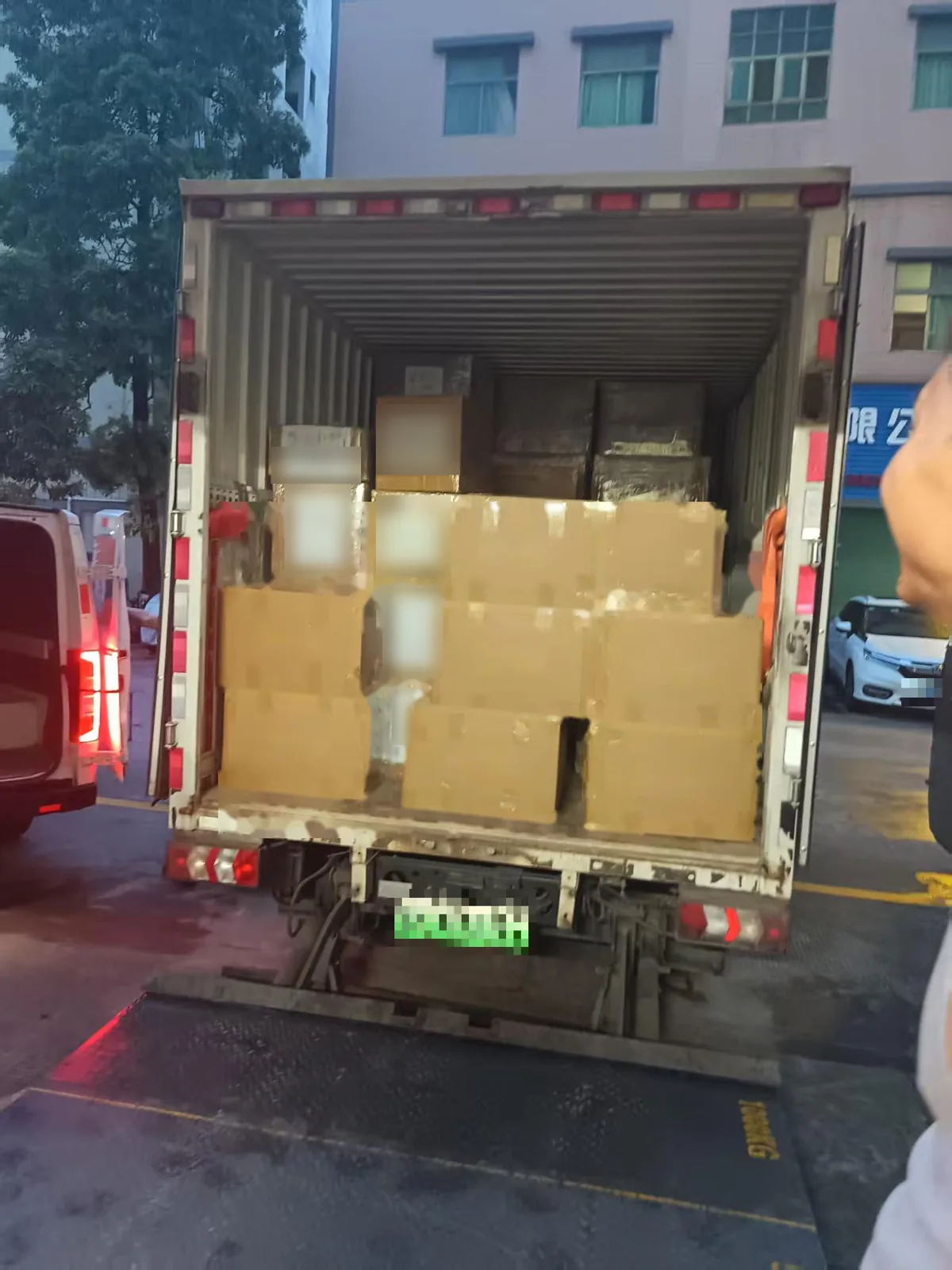
What to confirm before shipment
Before shipment, make sure the bulk goods match the approved standard, the packing breakdown is correct, the carton information aligns with the order, and the commercial documents reflect the real shipment setup. If you do not close those details before the goods leave the factory, the cost of correction usually moves to the logistics side.
Stage-by-stage checklist
| Stage | What the brand confirms | What the factory prepares | Main risk if skipped |
|---|---|---|---|
| RFQ | Product direction, quantity, timeline, packaging scope | Feasibility review and quotation basis | Unrealistic pricing or unclear scope |
| Sampling | Fit intent, yarn direction, stitch and finish expectations | Proto sample and revision path | Slow approval and repeated misunderstandings |
| PP approval | Final measurements, colors, trims, labeling details | Bulk benchmark and production standard | Inconsistent bulk quality |
| Bulk and QC | Inspection standard and acceptance logic | Inline control and final review | Defects discovered too late |
| Packing and shipment | Barcode, carton marks, packing ratio, docs | Retail-ready packing and handover | Receiving errors and shipping friction |
Conclusion
Private label sweater manufacturing works best when brands understand that it is a system, not a trim request. The value is not only that your logo appears on the sweater, but that the product, labels, packaging, and delivery details are coordinated well enough to support real sales, cleaner operations, and better repeat orders.
For fashion brands, the smartest approach is usually to simplify the first launch, approve the technical details carefully, and choose a supplier that can explain trade-offs clearly. From a factory perspective, stable launches come from better process definition more often than from aggressive complexity.
If you are planning a new sweater line or upgrading an existing one, it helps to share your tech pack and target timeline early so feasibility, MOQ logic, branding requirements, and delivery risks can be evaluated before bulk decisions lock in.
FAQ
Is private label sweater manufacturing the same as buying blank sweaters and adding a logo?
No, not in most serious B2B programs. A true private label sweater project usually includes product development, sampling, labels, packaging, QC, and shipment coordination rather than simple post-production branding.
What is usually included in a private label sweater program?
It usually includes sample development, fit review, brand labels, care labels, hangtags, stickers, polybags, carton marks, and bulk production support. The exact scope depends on your sales channel, packaging needs, and how much development work the style requires.
What affects MOQ in private label knitwear production?
Yarn choice, gauge, stitch complexity, color count, and production setup all affect MOQ. That is why two styles that look similar on a mood board can still have different minimums in actual production.
What labeling details should U.S. fashion brands confirm before bulk shipment?
They should confirm fiber content, country of origin, responsible company identity, and any required care labeling details before bulk is packed. Waiting too late increases the chance of relabeling, delays, or receiving issues.
How can brands reduce risk on their first private label sweater order?
Start with fewer variables. A focused style range, realistic assortment plan, early packaging confirmation, and disciplined PP approval process usually reduce risk more effectively than trying to launch too many options at once.