


Knit Dresses
We manufacture knit dresses engineered for structure, drape, and long-term wearability.
Unlike woven or cut-and-sew styles, knit dresses rely on stitch architecture and yarn behavior to control silhouette, elasticity, and stability.
Our knit dress programs focus on predictable fit, controlled stretch, and repeatable bulk results.
Knit Dress Types & Wearing Scenarios
Our knit dress production supports a wide range of silhouettes and market needs. Designed for womenswear collections where comfort and shape retention work together.
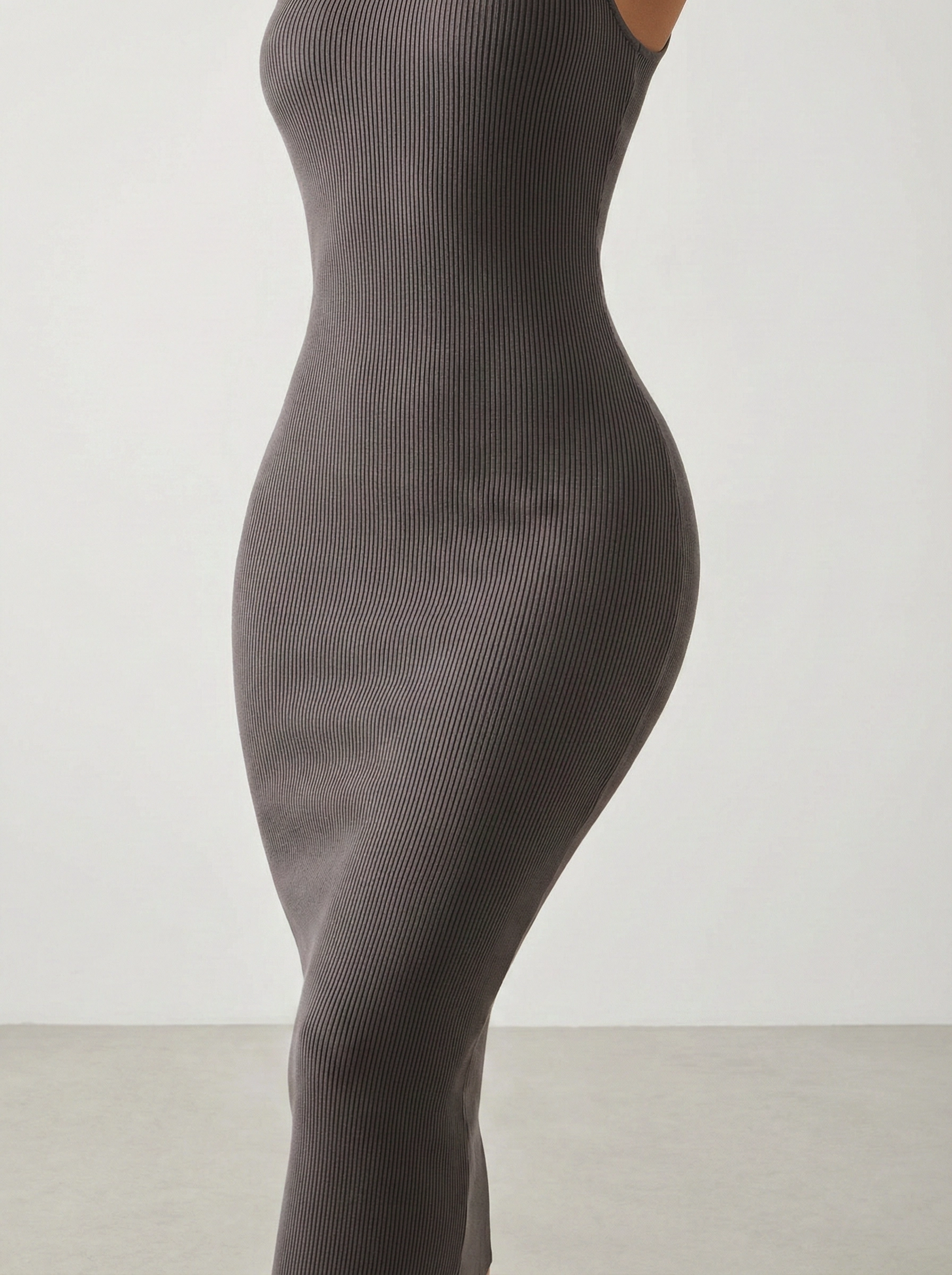
Bodycon
Precise elasticity control.
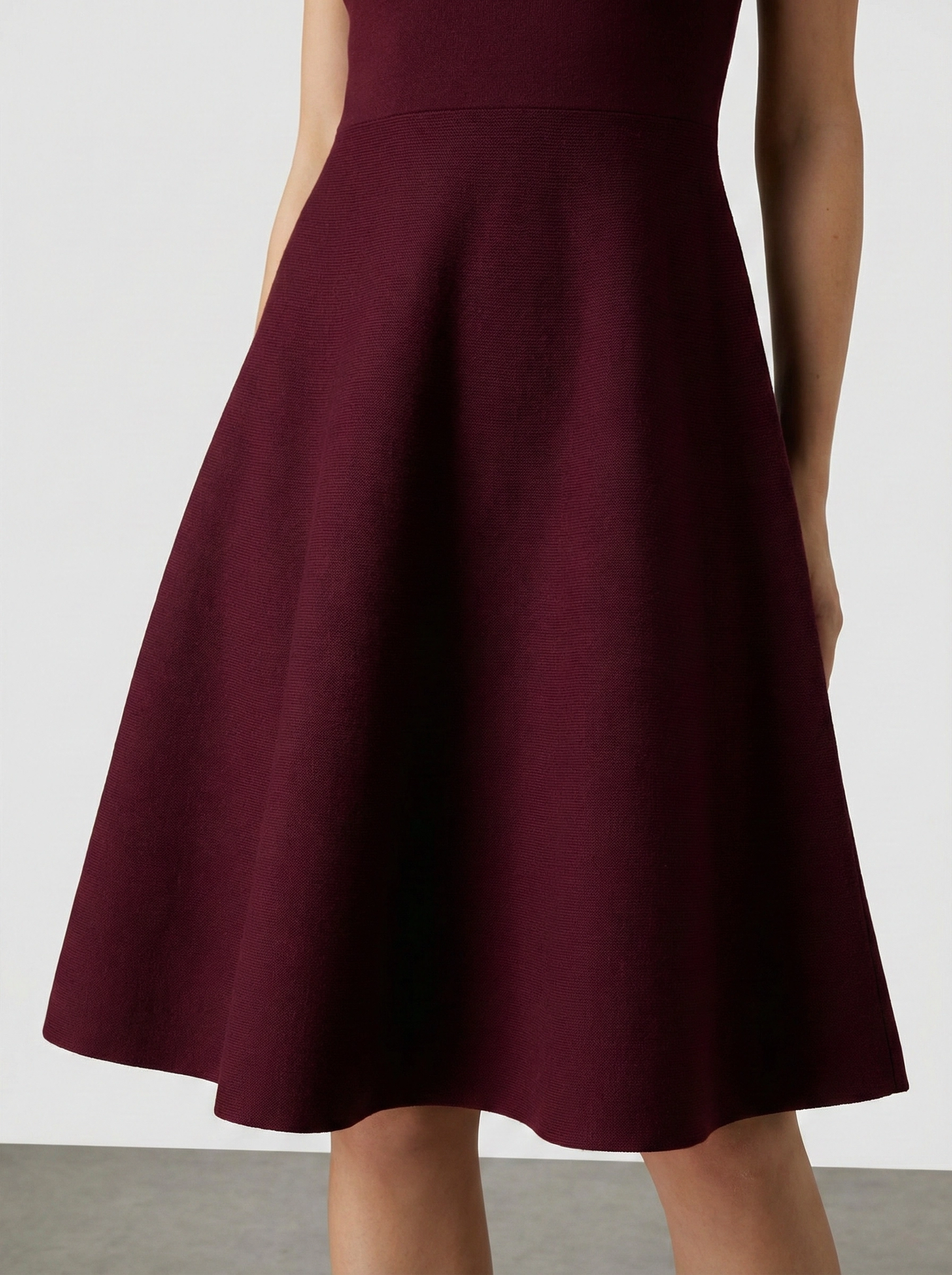
A-line
Balancing structure & movement.
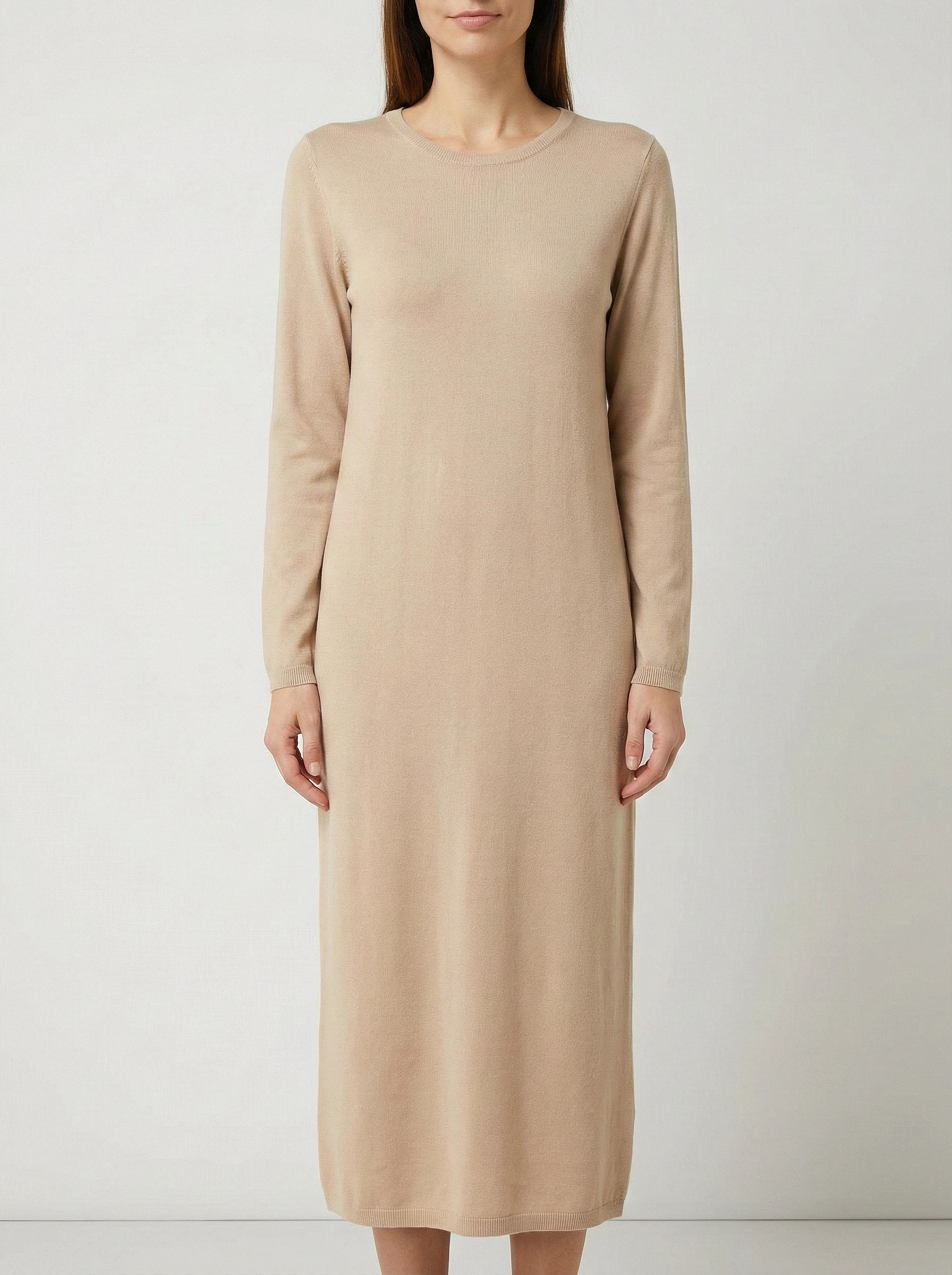
Straight
Column silhouettes for modern styles.
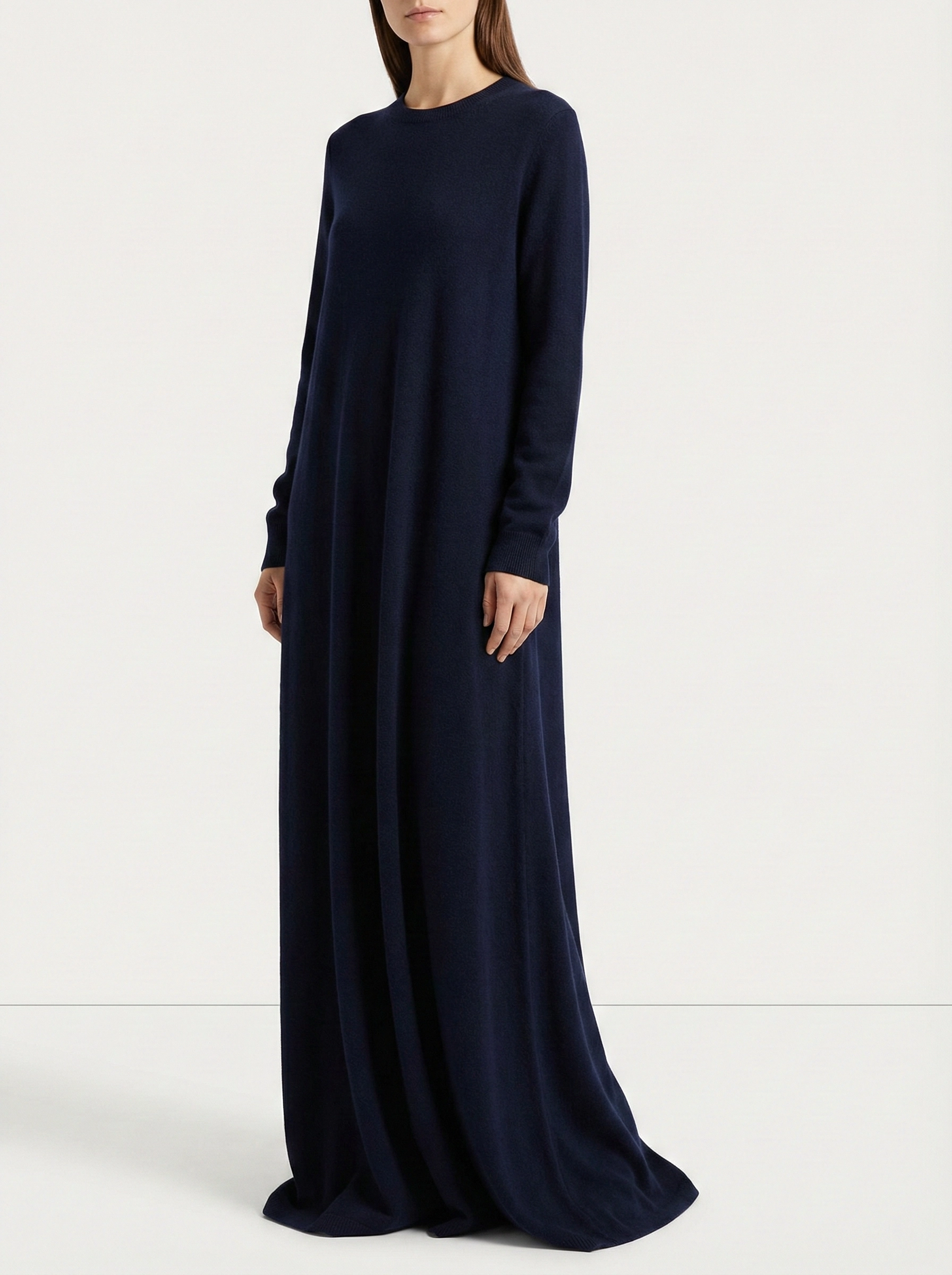
Long Dress
Seasonal & statement collections.
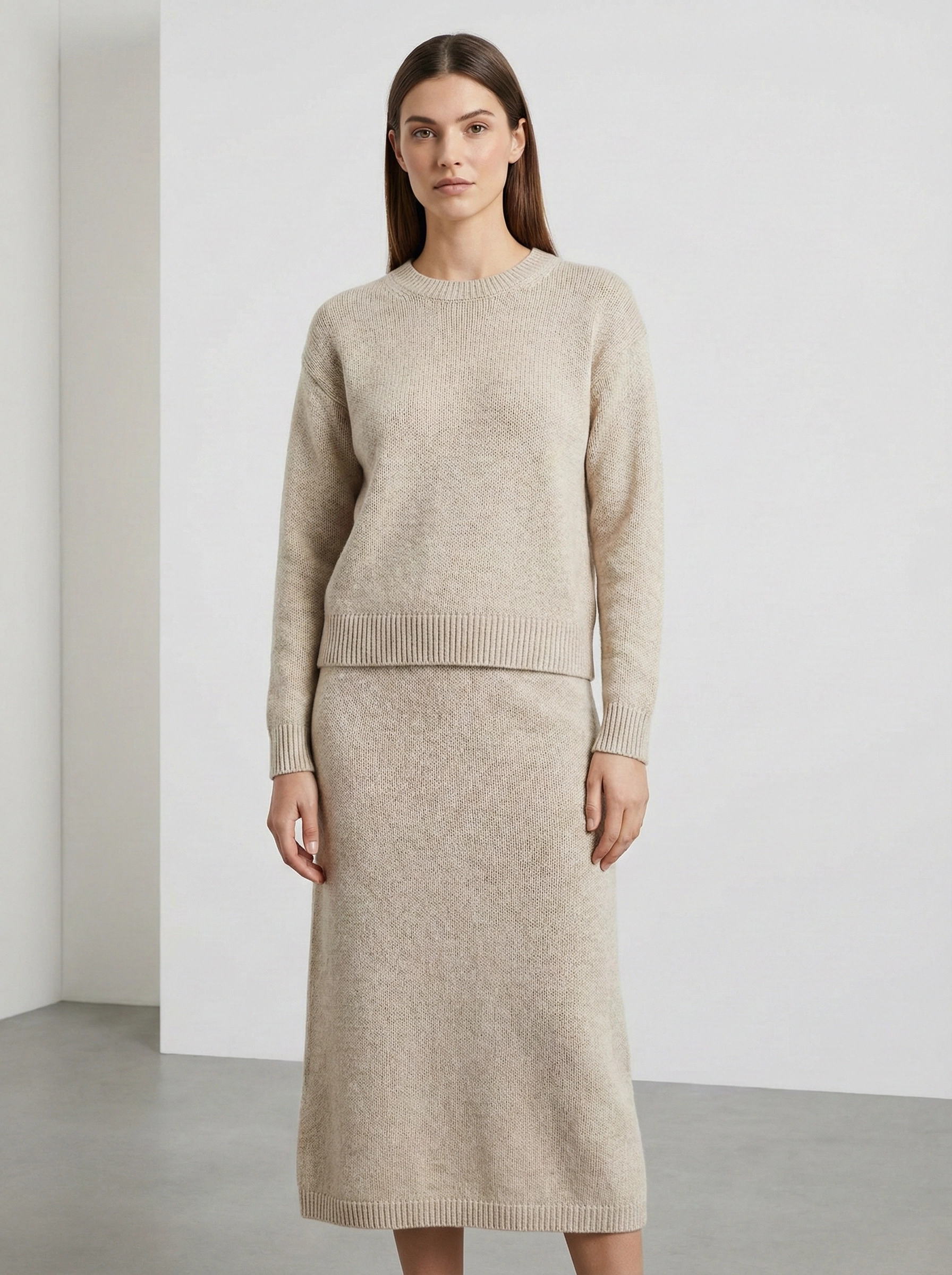
Sets
Matching knit top & skirt programs.
Construction Method & Production Route
Knit dress quality depends heavily on construction choices. Construction routes are confirmed at sample stage to ensure bulk consistency.
Fully Fashioned
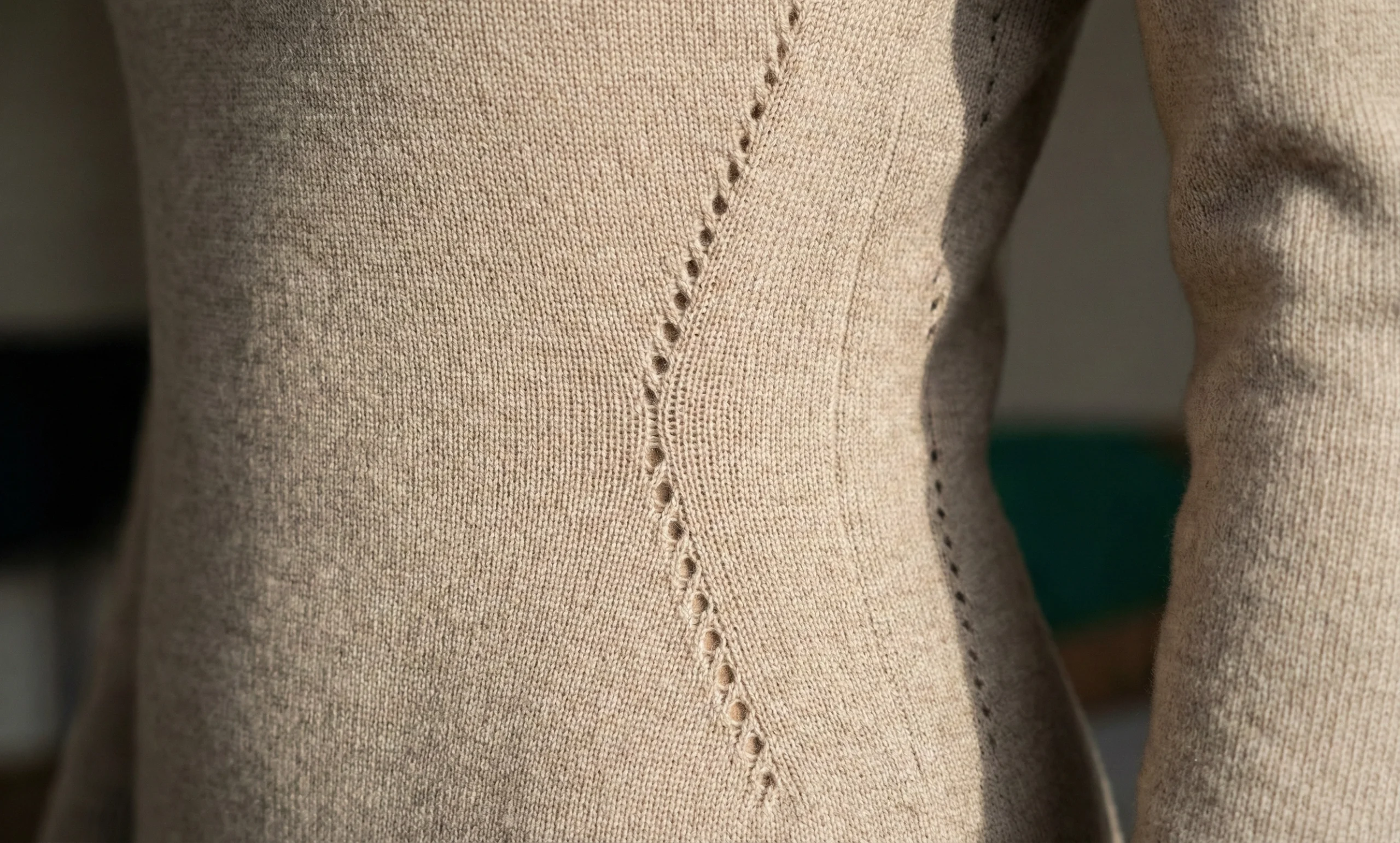
Panels are shaped during knitting. Ensures clean lines, controlled tension, and stable fit.
- Better waist shaping control
- Improved hip balance & hem behavior
Cut & Sew
Used selectively for styles that prioritize surface design or require mixed-material components.
- Complex print placement
- Material blocking flexibility
Structural Stitch Systems
Stitch structure determines both appearance and stability. Each stitch system is evaluated for vertical stability and recovery before approval.
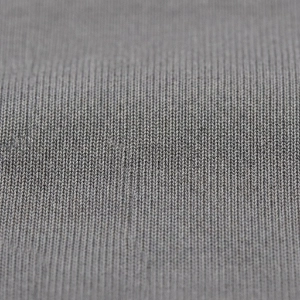
Milano Rib
Firm silhouettes with reduced distortion.
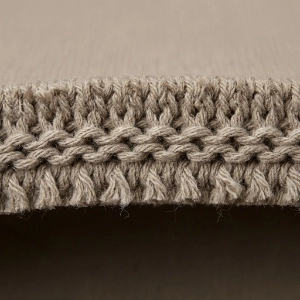
Double-Knit
Structured and stable for formal looks.
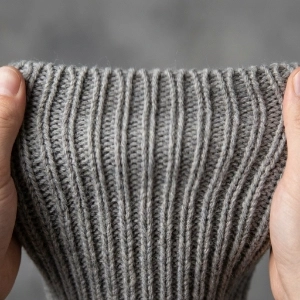
Rib Structure
Used when controlled stretch is required.
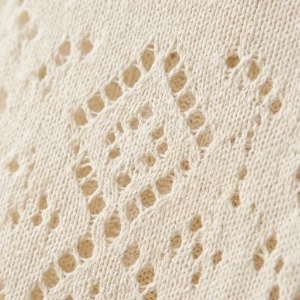
Pointelle
Breathable or layered designs.
Fit & Silhouette Control
Fit is one of the most critical factors. Fit grading is tested during sampling to ensure consistency across sizes.
Refined techniques for fitted styles.
Development for A-line silhouettes.
Ensuring straight cuts hang correctly.
Proportion balance for top & skirt.
Yarn & Fabric Engineering
Yarn selection directly affects drape, weight, and durability. Yarns are selected based on intended silhouette and stretch behavior.
Viscose/Nylon
Smooth surfaces and fluid drape.
Strong-Twist Cotton
For structure and shape retention.
Merino Wool
Natural warmth and elasticity.
Linen Blends
Breathable seasonal texture.
Drape & Elasticity Control Technology
Managing drape and stretch is essential to prevent sagging, twisting, or uneven length over time.
Enhancing surface stability.
Controlling elongation.
Improving elastic recovery.
Quality Control & Key Risk Management
Knit dresses present specific production risks. Measurements are evaluated with knit elasticity in mind.
Key Checkpoints
Both appearance and performance are monitored to ensure dresses remain stable throughout their lifecycle.
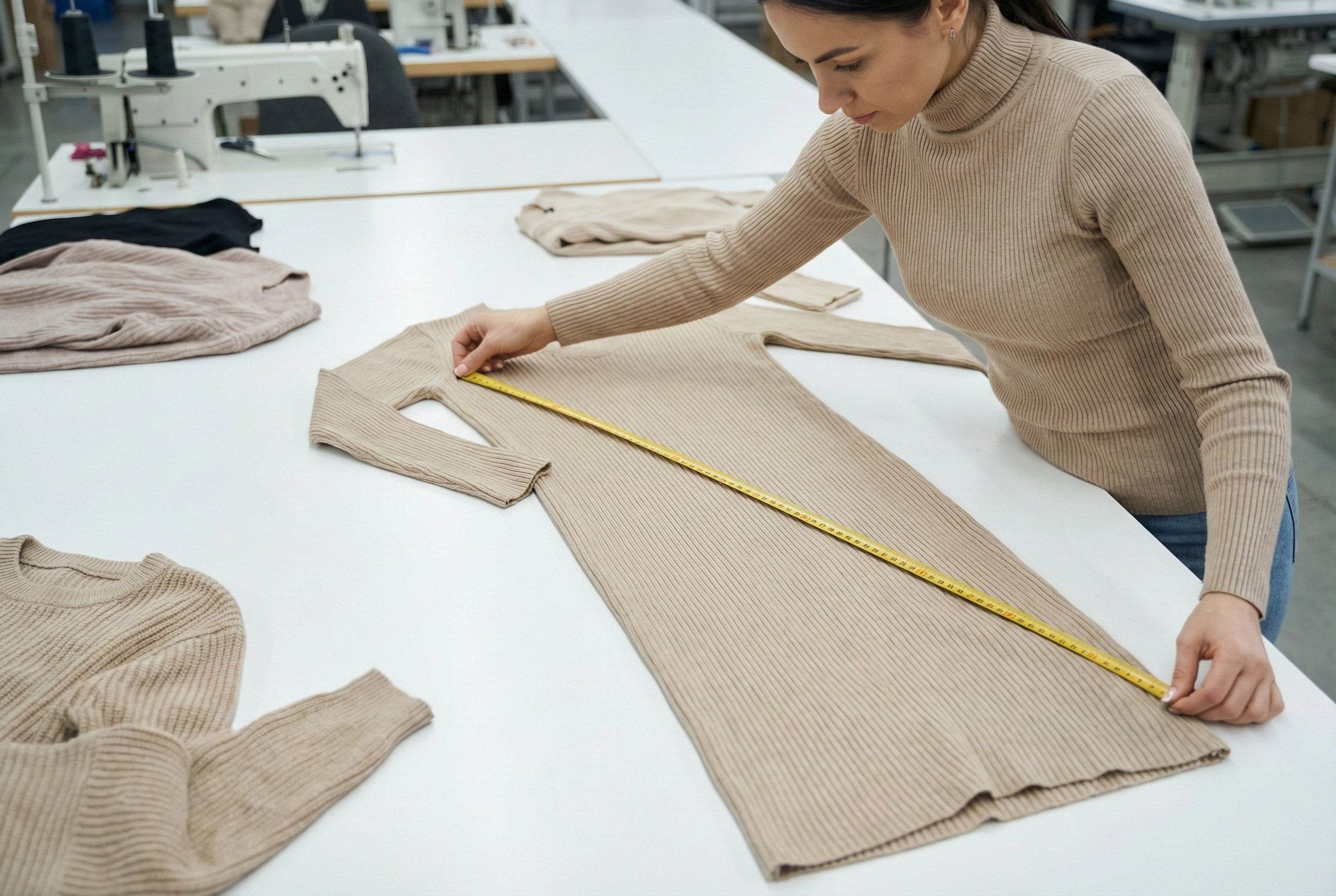
Trend Directions (2025–2026)
Trend elements are applied with controlled construction to maintain production reliability.
Custom Development & OEM/ODM Capability
We support both OEM and ODM knit dress programs. Clients may provide tech packs, reference garments, or design concepts.
Planning
Stitch selection & silhouette planning.
Engineering
Yarn engineering & risk assessment.
Validation
Sampling structure, fit, and drape.
Lead Time & MOQ Reference
Sampling (Depends on complexity)
Bulk Lead Time (Qty/Season dependent)
MOQ (Confirmed during quotation)
Who This Program Is Best For
Request a Quote for Knit Dresses
Send us your tech pack, reference images, target quantity, and timeline. Our team will assess feasibility and provide clear guidance on pricing, lead time, and next steps.